If you keep birds, you know how heartbreaking it can be to see them fall ill. One of the most serious threats to your feathered friends is avian malaria. This disease can strike quickly and silently, putting your birds’ health at risk.
But don’t worry—you can take steps to recognize it early and treat it effectively. You’ll discover clear, simple ways to protect your birds and help them recover. Keep reading to learn exactly what you need to do to fight avian malaria and keep your flock healthy.
Causes Of Avian Malaria
Avian malaria is a disease that affects many bird species worldwide. It is caused by parasites that live in the blood of infected birds.
Understanding the causes helps in controlling and preventing the spread of this disease among wild and captive birds.
Parasite Transmission
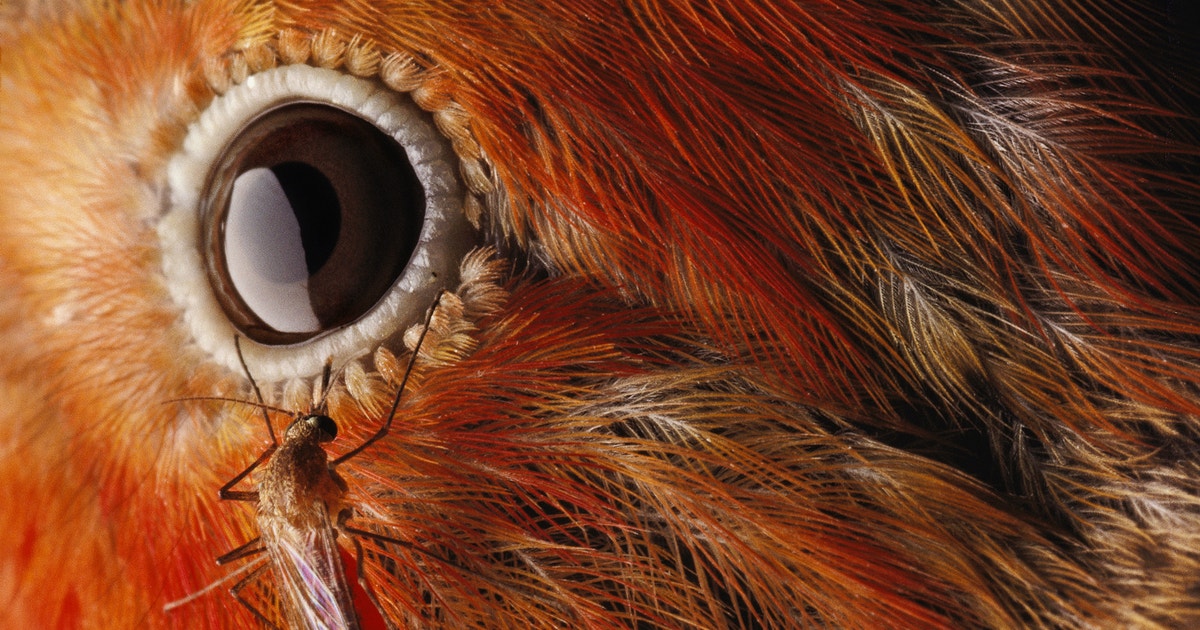
The parasite spreads mainly through mosquito bites. Mosquitoes carry the parasite from one bird to another. When an infected mosquito bites a bird, it passes the parasite into the bird’s bloodstream.
The parasite then multiplies inside the bird, causing illness. Mosquito species that bite birds are the main carriers of avian malaria.
Common Bird Hosts
Many bird species can host the avian malaria parasite. Some birds get sick, while others carry the parasite without showing signs.
- Songbirds like sparrows and finches
- Waterfowl such as ducks and geese
- Birds of prey including hawks and owls
- Non-native birds introduced to new areas
These hosts help the parasite survive and spread across regions.
Environmental Factors
| Factor | Effect on Avian Malaria |
|---|---|
| Warm Climate | Supports mosquito breeding and parasite growth |
| Standing Water | Provides mosquito breeding sites |
| Dense Vegetation | Offers habitat for mosquitoes and birds |
| Human Activity | Can introduce new bird species and mosquitoes |
These conditions increase the chance of avian malaria spreading in bird populations.

Credit: www.youtube.com
Symptoms To Watch For
Avian malaria can cause serious health problems in birds. Knowing the symptoms helps with early care.
Watch your bird closely for physical and behavior changes. Early signs are easier to treat.
Physical Signs
Birds infected with avian malaria often show clear physical symptoms. Look for pale or swollen areas on the body.
- Swollen feet or legs
- Pale or yellowish skin
- Feather loss or poor feather condition
- Weight loss and thin body
- Enlarged abdomen
Behavioral Changes
Sick birds may act differently. Watch for changes in activity and eating habits.
- Less active or weak
- Reduced appetite
- Sleeping more than usual
- Fluffed up feathers
- Labored breathing or coughing
Severity Levels
| Severity | Symptoms | Care Needed |
|---|---|---|
| Mild | Pale skin, slight weakness | Rest and monitor |
| Moderate | Swollen limbs, low appetite | Veterinary care recommended |
| Severe | Labored breathing, weight loss | Immediate vet treatment required |
Diagnosis Methods
Detecting avian malaria early helps protect bird health. Accurate diagnosis guides the right treatment steps.
Several methods exist to find the malaria parasite in birds. Each method has its own uses and benefits.
Microscopic Examination
Microscopic examination looks for malaria parasites in bird blood samples. It is a simple and quick test.
Technicians prepare thin blood smears on slides. They stain the slides to highlight parasites under a microscope.
- Use a microscope with 1000x magnification
- Look for parasite forms inside red blood cells
- Check multiple fields to confirm infection
Blood Tests
Blood tests detect antibodies or parasite proteins in bird blood. They provide faster results than microscopy.
Common blood tests include ELISA and rapid diagnostic tests. They help confirm if a bird has been exposed to malaria.
- ELISA detects antibodies made against malaria parasites
- Rapid tests find parasite proteins called antigens
- Tests require small blood samples from the bird
Advanced Diagnostic Tools
Advanced tools use DNA to detect malaria parasites with high accuracy. These tools find infections even at low levels.
Polymerase chain reaction (PCR) is a common advanced method. It amplifies parasite DNA from blood samples for detection.
- PCR can identify specific malaria species
- It requires special lab equipment and trained staff
- Results take longer but are very reliable
Treatment Options
Avian malaria is a serious disease that affects birds. Treating it early helps birds recover faster.
There are several treatment options available. These focus mainly on medications and care routines.
Medications Used
Doctors use specific drugs to fight avian malaria. These medicines kill the malaria parasite inside birds.
Common medications include antimalarial drugs like chloroquine and primaquine. These are effective in reducing parasite levels.
- Chloroquine
- Primaquine
- Quinine
- Atovaquone
Dosage Guidelines
Dose depends on the bird’s size and type of medication. It is important to follow the vet’s instructions exactly.
Giving too much medicine can harm the bird. Too little might not kill the parasite. Always measure doses carefully.
| Medication | Typical Dosage | Frequency |
|---|---|---|
| Chloroquine | 5-10 mg/kg | Once daily |
| Primaquine | 0.5 mg/kg | Once daily |
| Quinine | 10 mg/kg | Twice daily |
| Atovaquone | 7.5 mg/kg | Twice daily |
Treatment Duration
Treatment usually lasts from one to two weeks. The time depends on how sick the bird is.
Birds need full treatment to stop the infection. Stopping early can let the disease return.
- Standard treatment: 7 to 14 days
- Severe cases may need longer care
- Follow vet advice on when to stop
Supportive Care Tips
Avian malaria can weaken birds and make them very sick. Supportive care helps birds recover better. You can help by focusing on diet, hydration, and reducing stress.
Good care improves their strength and helps the medicine work well. Watch your bird closely and give extra attention during treatment.
Nutrition And Diet
Proper nutrition gives birds energy to fight infection. Feed them a balanced diet with the right vitamins and minerals. Avoid foods that are hard to digest.
- Offer fresh fruits like apples and berries.
- Include leafy greens such as spinach and kale.
- Provide high-quality pellets or seed mixes.
- Give protein sources like boiled eggs or mealworms.
- Limit sugary or fatty treats.
Hydration Importance
Water keeps birds healthy and helps clear toxins. Birds with avian malaria may drink less. Always keep fresh water available.
| Tip | Reason |
| Change water twice daily | Ensures cleanliness and freshness |
| Add electrolyte solution | Helps maintain fluid balance |
| Use shallow water dishes | Prevents accidental drowning |
| Provide water near resting spots | Makes drinking easy for weak birds |
Stress Reduction
Stress lowers the immune system. Keep the bird calm and quiet. Avoid loud noises and sudden movements. Create a safe space for rest and recovery.
- Place the cage in a quiet room away from traffic.
- Cover part of the cage with a light cloth to block distractions.
- Handle the bird gently and only when needed.
- Keep a regular feeding and care schedule.
Preventing Avian Malaria
Avian malaria is a disease that affects birds. It spreads through mosquito bites. Preventing this disease helps protect bird populations.
Stopping the spread of avian malaria focuses on controlling mosquitoes, managing habitats, and researching vaccines.
Mosquito Control
Mosquitoes carry the parasite that causes avian malaria. Reducing their numbers lowers the risk of infection.
People use traps, insecticides, and barriers to control mosquitoes near bird habitats.
- Remove standing water where mosquitoes breed
- Use mosquito nets around bird enclosures
- Apply safe insecticides in high-risk areas
- Install mosquito traps to capture adults
Habitat Management
Changing the environment can reduce mosquito habitats. This makes it harder for mosquitoes to multiply.
Cleaning wetlands and managing water flow helps keep mosquito numbers down.
- Drain or fill stagnant water pools
- Maintain natural water flow in wetlands
- Clear dense vegetation where mosquitoes hide
- Encourage natural predators like dragonflies
Vaccination Research
Scientists study vaccines to protect birds from avian malaria. Vaccines could stop the parasite from harming birds.
Research is ongoing to find safe and effective vaccines for wild and captive birds.
Caring For Recovered Birds
After a bird recovers from avian malaria, it needs careful care. This helps the bird regain strength and stay healthy.
Following the right steps supports the bird’s full recovery and prevents future illness.
Monitoring Health
Watch the bird closely for signs of illness. Check for appetite, energy, and breathing changes daily.
- Note any changes in behavior or eating habits.
- Keep track of weight with a small scale weekly.
- Look for symptoms like feather loss or swelling.
- Keep a health journal for your bird.
Gradual Reintegration
Return the bird slowly to its usual environment. Avoid sudden changes that can stress it.
- Start with short periods outside the recovery cage.
- Let the bird interact with others in controlled times.
- Watch for any signs of stress or relapse.
- Increase activity time step by step.
Long-term Wellness
Keep the bird strong and healthy over time. Good care helps prevent future infections.
| Care Aspect | Details |
| Diet | Feed high-quality food with vitamins |
| Cleanliness | Clean cages and water daily |
| Exercise | Provide space for flying and moving |
| Regular Checkups | Visit a vet every few months |
Credit: www.audubon.org
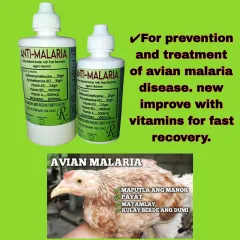
Credit: www.lazada.com.ph
Frequently Asked Questions
What Are The Common Symptoms Of Avian Malaria?
Birds with avian malaria often show weakness, weight loss, and feather loss. They may also have breathing difficulties and lethargy. Early detection helps in effective treatment.
How Is Avian Malaria Diagnosed In Birds?
Veterinarians diagnose avian malaria through blood tests. These tests detect the presence of Plasmodium parasites. Accurate diagnosis ensures proper treatment and care.
What Treatments Are Effective For Avian Malaria?
Treatment usually involves antimalarial drugs like chloroquine or primaquine. Supportive care, including good nutrition and hydration, is crucial. Early treatment improves recovery chances.
Can Avian Malaria Be Prevented In Birds?
Yes, prevention includes controlling mosquito exposure and maintaining clean habitats. Using insect repellents and mosquito nets also helps. Regular health checks catch infections early.
Conclusion
Treating avian malaria requires diligence and care. First, identify symptoms early. Quick action makes a difference. Second, provide a warm, stress-free environment. Birds recover faster when relaxed. Third, follow a vet's advice for medication. Proper dosage ensures effectiveness. Finally, maintain clean habitats.
Cleanliness reduces infection risk. Birds rely on their owners for health. Taking these steps helps them thrive. A healthy bird is a happy bird. Your effort and attention truly matter.