If you’ve noticed unusual bumps or scabs on your bird’s skin, it could be avian pox—a common but serious disease in birds. Knowing how to treat avian pox quickly can make a huge difference in your feathered friend’s recovery and comfort.
You’ll discover simple, effective steps to recognize the signs, care for your bird properly, and help it heal faster. Keep reading to protect your bird and bring back its happy, healthy self.
Symptoms Of Avian Pox
Avian pox is a viral disease that affects many bird species. It shows different symptoms depending on the form of the illness.
Recognizing the symptoms early helps in treating the birds properly and preventing spread.
Dry Form Signs
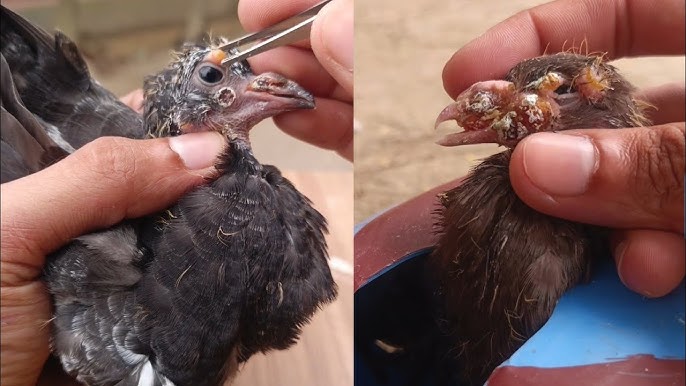
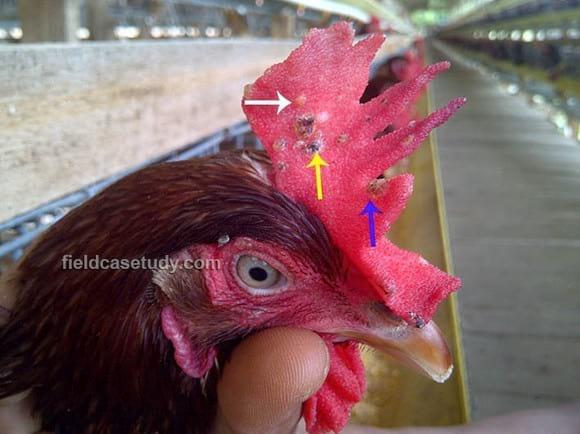
The dry form of avian pox causes crusty sores on the bird’s skin. These sores usually appear on unfeathered parts like the legs, feet, and around the eyes.
The sores start as small bumps that grow larger and form scabs. They may make it hard for the bird to see or walk.
- Crusty scabs on legs and feet
- Lesions around eyes and beak
- Swelling near affected areas
- Dry, wart-like growths
Wet Form Signs
The wet form affects the bird’s mouth, throat, and respiratory tract. Birds show soft, yellowish lesions inside the mouth and throat.
This form can cause breathing problems and difficulty eating. It is more serious and needs fast care.
- Soft, moist lesions in the mouth
- Swelling of the throat
- Difficulty breathing or swallowing
- Excessive mucus or nasal discharge
Behavioral Changes
Birds infected with avian pox may act differently. They often become less active and eat less food.
They may also avoid other birds and appear weak. These changes show the bird is unwell and needs attention.
- Lower activity levels
- Reduced appetite
- Avoiding other birds
- Weakness and lethargy
Causes And Transmission
Avian pox is a disease that affects many types of birds. It causes sores and scabs on the skin and inside the mouth.
The illness spreads from one bird to another through different ways. Understanding how it spreads helps in controlling the disease.
Virus Types
Avian pox is caused by viruses in the Poxviridae family. There are different types that affect birds worldwide.
Two main types of avian pox viruses are the Fowlpox virus and Canarypox virus. Each type targets specific bird species.
Spread Among Birds
The virus spreads mainly through direct contact with infected birds or their wounds. Infected birds can pass the virus easily.
Mosquitoes and other insects also carry the virus from one bird to another. Contaminated surfaces and feeders can spread it too.
- Direct bird-to-bird contact
- Insect bites, especially mosquitoes
- Touching contaminated feeders or water
- Airborne droplets from coughs or sneezes
Risk Factors
Certain conditions make birds more likely to get avian pox. Crowded places increase the chance of spread.
Poor hygiene and warm, wet weather also help the virus survive and spread faster among birds.
- Crowded living spaces
- Dirty feeders and water bowls
- Warm and humid climates
- Weak or young birds with low immunity
Diagnosis Methods
Avian pox is a viral disease affecting many bird species. Proper diagnosis helps treat it correctly.
Understanding how to identify avian pox early can reduce bird suffering and spread.
Visual Inspection
Look for wart-like growths on the bird’s skin. These lesions often appear on the feet, legs, and face.
Check for scabs, swelling, or crusty areas. Birds may also show signs of weakness or difficulty breathing.
- Warty nodules on unfeathered skin
- Scabs around the eyes and beak
- Swollen skin lesions
- Birds may be less active
Laboratory Tests
Lab tests confirm avian pox by detecting the virus or its DNA. This helps ensure accurate diagnosis.
Tests include virus isolation, polymerase chain reaction (PCR), and histopathology of lesions.
- Virus isolation from lesion samples
- PCR to detect viral DNA
- Microscopic examination of tissue
- Blood tests for immune response
Differential Diagnosis
Other diseases may look like avian pox. It is important to rule out these conditions.
Check for symptoms of bacterial infections, fungal diseases, or other viral illnesses.
- Fowlpox versus bacterial infections
- Check for fungal skin infections
- Rule out avian influenza and Newcastle disease
- Observe if lesions match avian pox patterns

Credit: www.reddit.com
Home Remedies
Avian pox is a common viral disease in birds. It causes sores on their skin and mouth.
Many home remedies can help birds heal and feel better. These remedies focus on natural care.
Herbal Treatments
Herbs have natural healing properties. They can reduce inflammation and fight infection in birds.
Common herbs to use include neem, aloe vera, and turmeric. These herbs are safe and easy to find.
- Neem leaves can be crushed and applied to sores.
- Aloe vera gel soothes and helps wounds heal faster.
- Turmeric powder mixed with water can be given to boost immunity.
Topical Applications
Applying treatments directly to the sores helps stop the virus from spreading. Keep the affected area clean.
Use natural ointments or oils to protect the skin and reduce pain. Avoid harsh chemicals.
- Clean sores gently with warm water.
- Apply honey or coconut oil to wounds for moisture.
- Use chamomile tea compresses to reduce swelling.
Dietary Support
A healthy diet helps birds fight infections. Good nutrition speeds up recovery from avian pox.
Feed birds foods rich in vitamins and minerals. Fresh fruits, vegetables, and seeds are excellent choices.
- Offer vitamin A-rich foods like carrots and spinach.
- Provide foods with vitamin E such as sunflower seeds.
- Include fresh water daily to keep birds hydrated.
Veterinary Treatments
Avian pox is a viral disease that affects many bird species. Veterinary care is important to help birds recover and prevent complications.
Treatment focuses on reducing symptoms and supporting the bird’s immune system. There are several approaches used by veterinarians.
Medications
Veterinarians may use antiviral drugs to control the infection. Antibiotics help prevent secondary bacterial infections on skin lesions.
- Antiviral medications reduce virus activity
- Topical antibiotics protect wounds from bacteria
- Oral antibiotics treat internal bacterial infections
- Anti-inflammatory drugs reduce swelling and pain
Wound Care
Proper care of the skin lesions helps speed healing. Cleaning wounds regularly prevents infection and promotes tissue repair.
| Wound Care Steps | Description |
| Cleaning | Use warm saline solution to gently clean sores |
| Drying | Pat lesions dry to avoid moisture buildup |
| Protection | Apply veterinary-approved ointments to protect skin |
| Monitoring | Check wounds daily for signs of infection |
Supportive Therapies
Supportive care helps birds stay strong while fighting the virus. Proper nutrition and hydration are vital parts of recovery.
- Provide a balanced diet to boost immune health
- Ensure clean water is always available
- Keep the bird in a warm, stress-free environment
- Use supplements like vitamins after veterinary advice
Credit: en.engormix.com
Preventive Measures
Avian pox is a viral disease that affects many bird species. Preventing this illness is important to keep birds healthy and safe.
Good care and proper steps can lower the chance of birds getting avian pox. Here are some key ways to protect your birds.
Vaccination Options
Vaccines help build birds’ immunity against avian pox. Some vaccines are made from weakened virus forms.
Farmers and bird owners should talk to vets about which vaccines fit their bird species. Vaccination is often done before outbreaks occur.
Hygiene Practices
Keeping bird areas clean reduces virus spread. Dirty cages and feeders can hold viruses for days.
- Clean cages and perches daily with disinfectant.
- Change water and food regularly to avoid contamination.
- Remove droppings and litter often to stop virus buildup.
- Use separate tools for different bird groups to prevent cross-contamination.
Controlling Vectors
| Vector | Control Methods |
| Mosquitoes | Use screens on windows and doors, remove standing water. |
| Fleas and Mites | Apply safe insecticides and keep bird bedding clean. |
| Other Wild Birds | Limit contact by using bird-proof feeders and housing. |
Recovery And Care
Avian pox can cause sores and discomfort in birds. Proper care helps birds heal faster. It also prevents the infection from getting worse.
Good recovery includes watching the bird’s health, feeding the right food, and keeping the bird calm. These steps support healing and improve strength.
Monitoring Progress
Check the bird’s sores daily for any changes. Look for signs of healing like reduced swelling or scabbing.
Note if the bird eats and drinks well. Watch for unusual behavior like weakness or trouble breathing. These can signal problems.
- Inspect sores every day
- Record changes in size or color
- Track eating and drinking habits
- Observe for extra signs of illness
Nutritional Needs
Provide a balanced diet to boost the bird’s immune system. Fresh fruits, vegetables, and high-quality feed help recovery.
Make sure clean water is always available. Hydration helps the bird fight infection and heal wounds.
- Give vitamin-rich foods like carrots and leafy greens
- Offer protein sources such as cooked eggs or insects
- Keep water fresh and easy to reach
- Avoid sudden diet changes during recovery
Avoiding Stress
Stress can slow healing and weaken the bird’s defense. Keep the bird in a quiet, safe place away from loud noises.
Limit handling to only what is needed. Gentle care and a calm environment help the bird recover smoothly.
- Place bird in a calm, secure area
- Reduce loud sounds and sudden movements
- Handle bird gently and only when necessary
- Keep other pets or animals away during recovery

Credit: www.reddit.com
Frequently Asked Questions
What Are The Common Symptoms Of Avian Pox In Birds?
Avian pox causes wart-like lesions on the skin and mucous membranes. Birds may show lethargy, weight loss, and difficulty breathing. Early detection of these symptoms helps in timely treatment and reduces disease spread.
How Can I Prevent Avian Pox In My Birds?
Prevention includes good hygiene, minimizing mosquito exposure, and isolating infected birds. Vaccination is available for some bird species and helps reduce outbreaks. Regular cage cleaning and avoiding overcrowding are essential preventive measures.
What Treatments Are Effective For Avian Pox In Birds?
There is no specific cure for avian pox. Supportive care includes cleaning lesions, providing nutritious food, and preventing secondary infections. Antibiotics may be prescribed for bacterial infections, and antiviral medications are rarely used.
How Long Does Avian Pox Last In Infected Birds?
Avian pox usually lasts 3 to 4 weeks. Recovery depends on the bird’s health and severity of lesions. Most birds recover fully, but complications can extend healing time or cause death.
Conclusion
Treating avian pox in birds requires patience and care. Early detection is key to success. Keep bird habitats clean and stress-free. Consult a vet for proper diagnosis and treatment. Use prescribed medications consistently. Provide nutritious food to boost immunity. Separate infected birds to prevent spreading.
Monitor recovery closely. Contact a vet if symptoms worsen. With the right approach, birds can recover fully. Your attention and care make a difference. Stay informed about avian health. Protect your feathered friends from future outbreaks.