How to Treat Bird Lice: Effective Tips to Eliminate...
Are you noticing tiny bugs crawling on your bird or spotting unusual feather damage? Bird lice can be a real headache for both you and your feathered friend.
If left untreated, these pests can cause discomfort and health problems for your bird. But don’t worry—treating bird lice is easier than you might think. You’ll discover simple and effective ways to get rid of these pesky insects and keep your bird healthy and happy. Learning How to Treat Bird Lice is the first step toward a comfortable environment for your pet.
Keep reading to learn exactly what steps you need to take to protect your feathered companion.
Credit: www.beaphar.com
Identifying Bird Lice
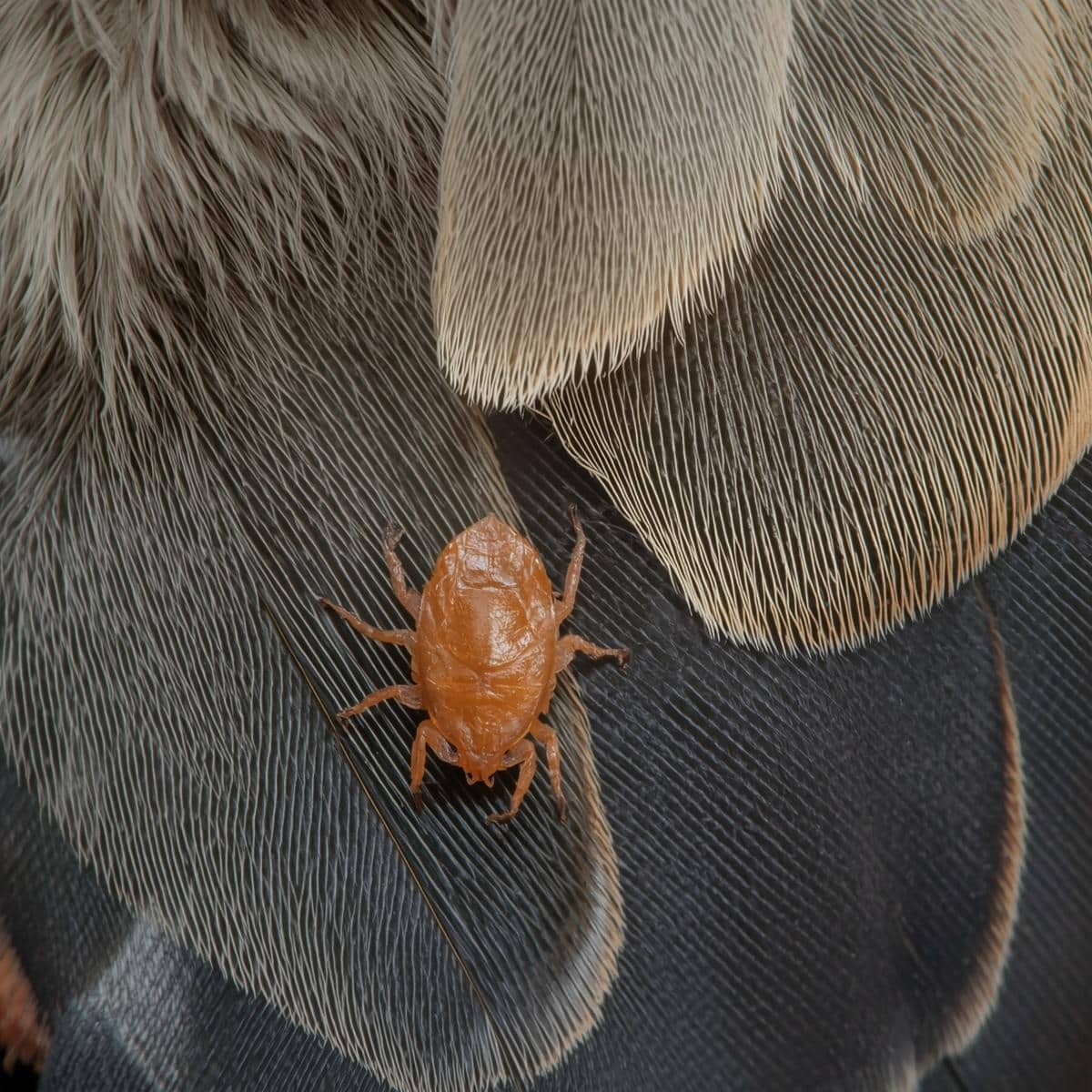
Bird lice are tiny insects that live on birds. They feed on feathers and skin. Knowing how to spot them helps keep birds healthy.
Look for signs of lice early. This helps stop spread and damage to feathers and skin.
Common Signs Of Infestation
Bird lice cause itching and discomfort. Birds may scratch or preen more than usual. Feathers can look dull or broken. Recognizing specific bird lice symptoms early prevents a minor issue from becoming a severe health crisis for your pet.
-
Birds scratch or rub feathers often
-
Feathers appear ragged or worn out
-
Small white or brown bugs on feathers
-
Birds lose weight or look weak
-
Birds show restlessness or irritability
Types Of Bird Lice
There are several lice types. Each targets different parts of the bird’s body. Some live on feathers, others near the skin. Understanding these variations is crucial when you need to Treat Bird Lice effectively.
| Type | Preferred Area | Description |
| Feather Lice | Feathers | Feed on feather parts and debris |
| Skin Lice | Skin surface | Feed on skin flakes and secretions |
| Blood Lice | Near skin | Feed on blood, cause irritation |
Difference Between Lice And Mites
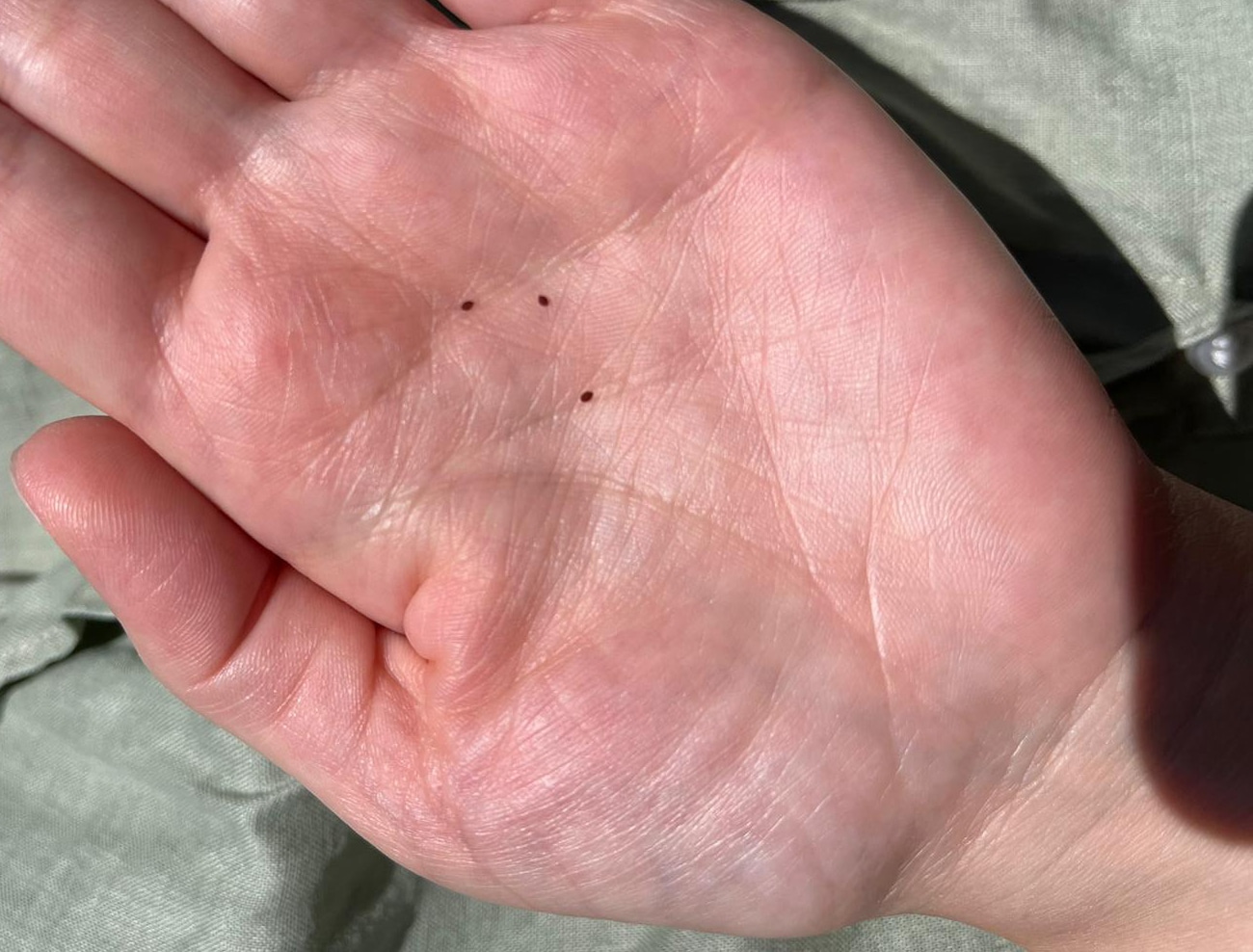
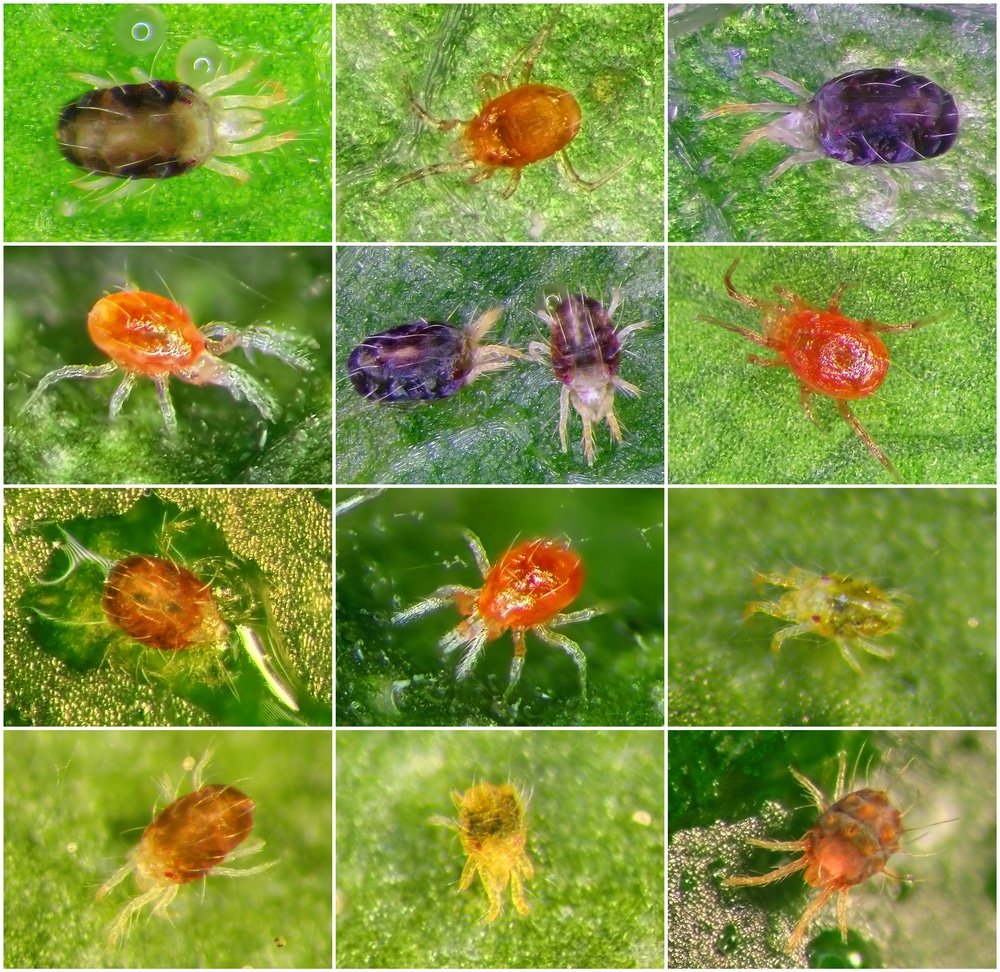
Lice and mites both harm birds but are different. Lice are insects with six legs. Mites are smaller and have eight legs.
Key differences:
- Lice live mostly on feathers and skin surface.
- Mites often burrow into the skin or live in nests.
- Lice are visible without a microscope.
- Mites may need magnification to see clearly.
- Both cause itching but require different treatments.
Causes Of Bird Lice Infestation
There are several lice types. Each targets different parts of the bird’s body. Some live on feathers, others near the skin. Understanding these variations is crucial when you need to Treat Bird Lice effectively.
Transmission Methods
Bird lice move from one bird to another mainly through direct contact. Birds in flocks or nests pass lice easily.
- Physical contact between birds
- Sharing of nests or perches
- Close proximity in crowded spaces
- Contact with infested feathers or bedding
Environmental Factors
Warm and humid places help bird lice survive. Poorly cleaned bird cages or nests increase the chance of lice.
| Environmental Factor | Effect on Lice |
| Warm Temperature | Speeds up lice reproduction |
| High Humidity | Improves lice survival |
| Dirty Nesting Areas | Provides breeding ground |
| Crowded Spaces | Facilitates spread |
Bird Behavior And Habitats
Birds that live in groups or stay in one place longer face more lice problems. Grooming habits also affect lice presence.
Key Bird Behaviors That Influence Lice Infestation:
- Flocking increases contact and lice spread.
- Frequent preening helps remove lice.
- Nesting in old or shared sites raises risk.
- Limited movement helps lice stay on the bird.
Home Remedies For Bird Lice
Bird lice are small parasites that cause itching and discomfort. Treating them at home can keep your bird healthy. Using natural remedies for bird lice helps avoid harsh chemicals while maintaining a safe environment for your pet.
Natural Oils And Treatments
Natural oils can kill lice and soothe your bird's skin. Oils like neem and coconut work well.
- Mix neem oil with water and spray lightly on feathers.
- Apply coconut oil gently to affected areas to suffocate lice.
- Use olive oil to help loosen lice eggs for easier removal.
Cleaning Bird Cages
Cleaning cages regularly stops lice from spreading. Wash all parts with warm water and soap.
| Cleaning Step | Details |
| Remove Bird | Place bird in a safe, temporary cage |
| Disassemble Cage | Take apart all removable pieces |
| Wash Thoroughly | Use hot water and mild soap |
| Dry Completely | Air dry to prevent moisture buildup |
| Replace Bedding | Use fresh materials to avoid lice eggs |
Regular Bird Grooming Tips
Grooming helps spot lice early and keeps your bird clean. Use gentle methods to avoid stress.
- Brush feathers daily to remove dirt and lice.
- Give your bird a warm bath once a week.
- Check the bird’s skin for redness or scabs.
- Trim nails and beak carefully to avoid injury.
Credit: www.bedbugbarrier.com.au
Chemical Treatments And Products
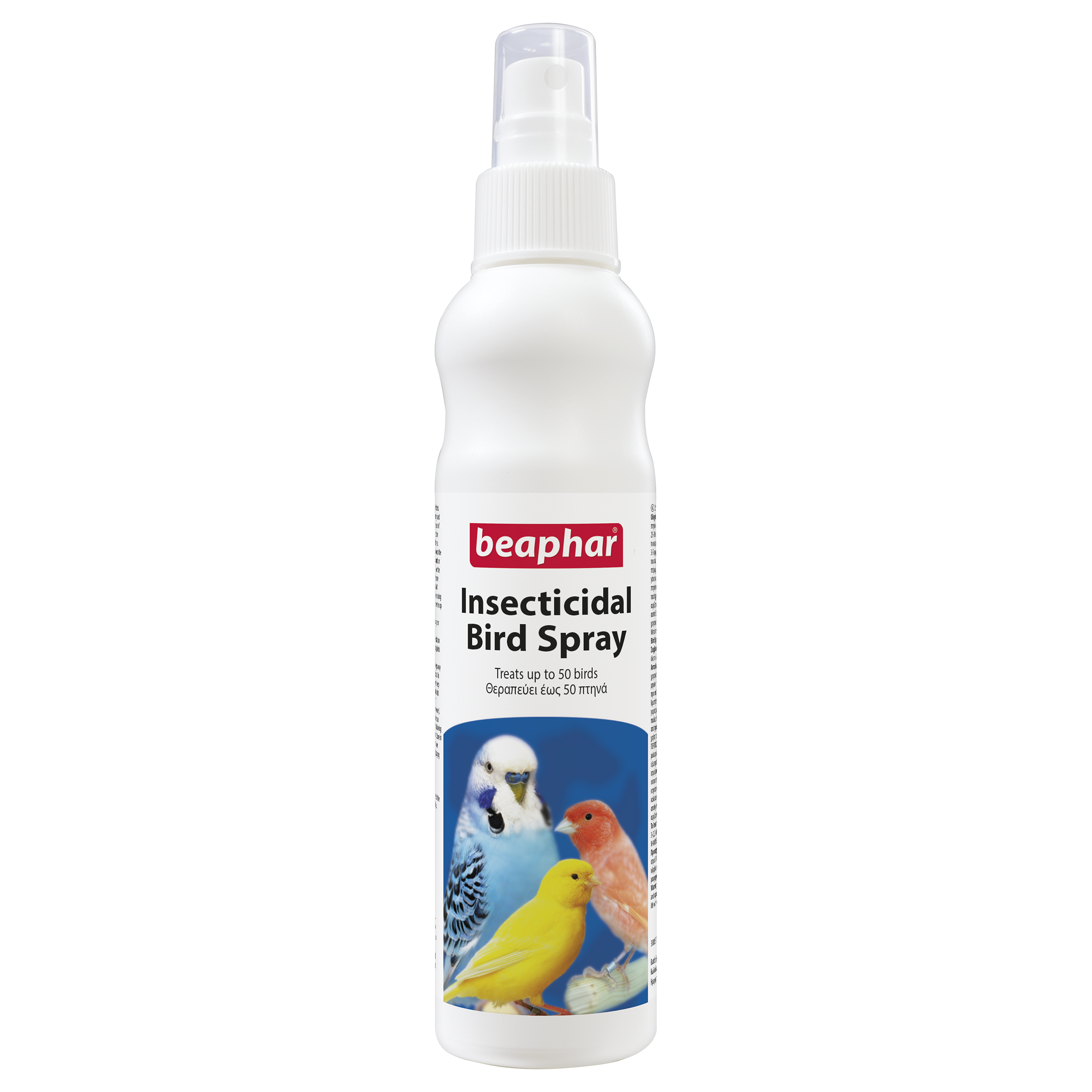
Bird lice can cause discomfort and health problems for your birds. Using chemical treatments helps control and remove these pests effectively. This guide explains safe insecticides, how to apply them, and necessary precautions. Researching How to Treat Bird Lice will lead you to the most appropriate products for your specific bird species.
Safe Insecticides For Birds
Choose insecticides made specifically for birds. These products are gentle but effective against lice.
- Permethrin-based sprays: kill lice but safe for birds
- Pyrethrin shampoos: natural extracts that remove parasites
- Sevin dust: use carefully as directed
- Malathion solutions: effective but require caution
Application Techniques
Apply treatments carefully to avoid harming birds. Proper methods help the insecticide work well.
- Wear gloves and protect your skin.
- Spray or dust the bird's feathers lightly.
- Focus on the neck, wings, and under the tail.
- Repeat treatment after 7–10 days to catch new lice.
- Clean the bird’s cage and environment at the same time.
Precautions And Side Effects
Using chemicals can cause side effects if not handled properly. Follow safety steps to protect your birds.
| Precaution | Description |
| Test first | Apply a small amount to check for allergic reaction. |
| Avoid overuse | Too much insecticide can poison birds. |
| Keep away from eyes | Prevent spraying near the bird’s eyes and mouth. |
| Ventilate area | Use treatments in a well-ventilated space to reduce fumes. |
| Follow instructions | Always read and follow product label directions. |
Preventing Future Infestations
Bird lice can cause discomfort and health issues for your birds. Preventing infestations keeps your flock healthy. Consistent care and attention stop lice from returning. Focus on clean spaces, regular health checks, and careful introduction of new birds. Knowing how to get rid of bird lice for good involves strictly following these preventative protocols.
Maintaining Clean Environments
Keep bird cages and areas clean to prevent lice growth. Remove old feathers, droppings, and dirt daily. Regular cleaning breaks the lice life cycle.
- Wash cages with warm soapy water weekly
- Replace bedding materials often
- Clean food and water containers daily
- Disinfect perches and toys regularly
Regular Health Checks
Check your birds for lice signs every week. Early detection helps treat infestations quickly. Look for scratching, feather damage, and small insects.
| Sign | What to Do |
| Excessive scratching | Examine feathers closely |
| Visible lice or eggs | Use approved lice treatment |
| Feather loss or damage | Separate affected birds |
| Restlessness | Check for parasites thoroughly |
Quarantine New Birds
New birds may carry lice without showing signs. Keep them apart for at least two weeks. This stops lice from spreading to your flock.
- House new birds in a separate cage
- Monitor daily for lice or mites
- Treat with lice control products if needed
- Only mix with your flock after no signs appear
When To Consult A Veterinarian
Bird lice can cause discomfort and harm to your pet bird. Sometimes, the problem becomes serious and needs expert help. Knowing when to see a veterinarian can save your bird from pain and health issues. This guide explains the signs of severe lice infestation, what professional treatments are available, and how follow-up care works after visiting a vet. If home methods fail, a professional can show you exactly how to Treat Bird Lice safely.
Signs Of Severe Infestation
Severe lice infestations cause more than just itching. Birds may lose feathers and look very tired. Watch for these signs to know if the problem is serious.
- Bird scratches or bites feathers often
- Feathers become patchy or fall out
- Skin looks red, swollen, or irritated
- Bird seems weak or eats less than usual
- Small insects or eggs are clearly visible
Professional Treatment Options
A veterinarian can give treatments that are safe and effective. They use medicines that kill lice and protect your bird’s skin. Some treatments are sprays, powders, or drops.
The vet may also clean the bird’s cage to stop lice from coming back. They will explain how to use the treatment at home to get the best results.
- Medicated shampoos or sprays
- Prescription insecticides safe for birds
- Cage and environment cleaning advice
- Instructions for repeated treatments
Follow-up Care
After treatment, watch your bird closely. Follow-up care helps make sure the lice are gone and the bird stays healthy. The vet may schedule a check-up to see progress.
Keep the bird’s living area clean and dry. Regularly check for lice or changes in the bird’s behavior. This care helps prevent new infestations and keeps your bird comfortable.
- Observe bird’s skin and feathers daily
- Clean cage and replace bedding often
- Keep follow-up vet appointments
- Use recommended treatments fully
Credit: howtopest.com
Frequently Asked Questions
What Are The Signs Of Bird Lice Infestation?
Common signs include excessive scratching, feather damage, and visible small white or gray lice on birds. Birds may also appear restless or lose weight.
How Can I Safely Remove Bird Lice At Home?
Use bird-safe insecticidal powders or sprays specifically designed for birds. Regularly clean cages and replace bedding to prevent reinfestation.
Are Bird Lice Harmful To Humans Or Pets?
Bird lice rarely infest humans but can irritate pets if in close contact with infested birds. Proper hygiene and treatment prevent spread.
How Often Should I Treat Birds For Lice?
Treat birds every 7 to 10 days until all lice and eggs are eliminated. Follow product instructions carefully for best results.
Conclusion
Treating bird lice is simple with the right steps. Regular cleaning helps maintain a healthy environment. Ensure your birds' cages are sanitized. Use vet-recommended treatments to eliminate lice effectively. Check your birds frequently for signs of lice. Prevention is always better than cure.
Maintain a routine to keep your birds lice-free. A clean habitat promotes happy, healthy birds. Educate yourself on lice symptoms and treatment options. Your birds deserve the best care. Stay informed, stay proactive. Keeping your birds healthy is a rewarding task.
Enjoy the companionship of your feathered friends.