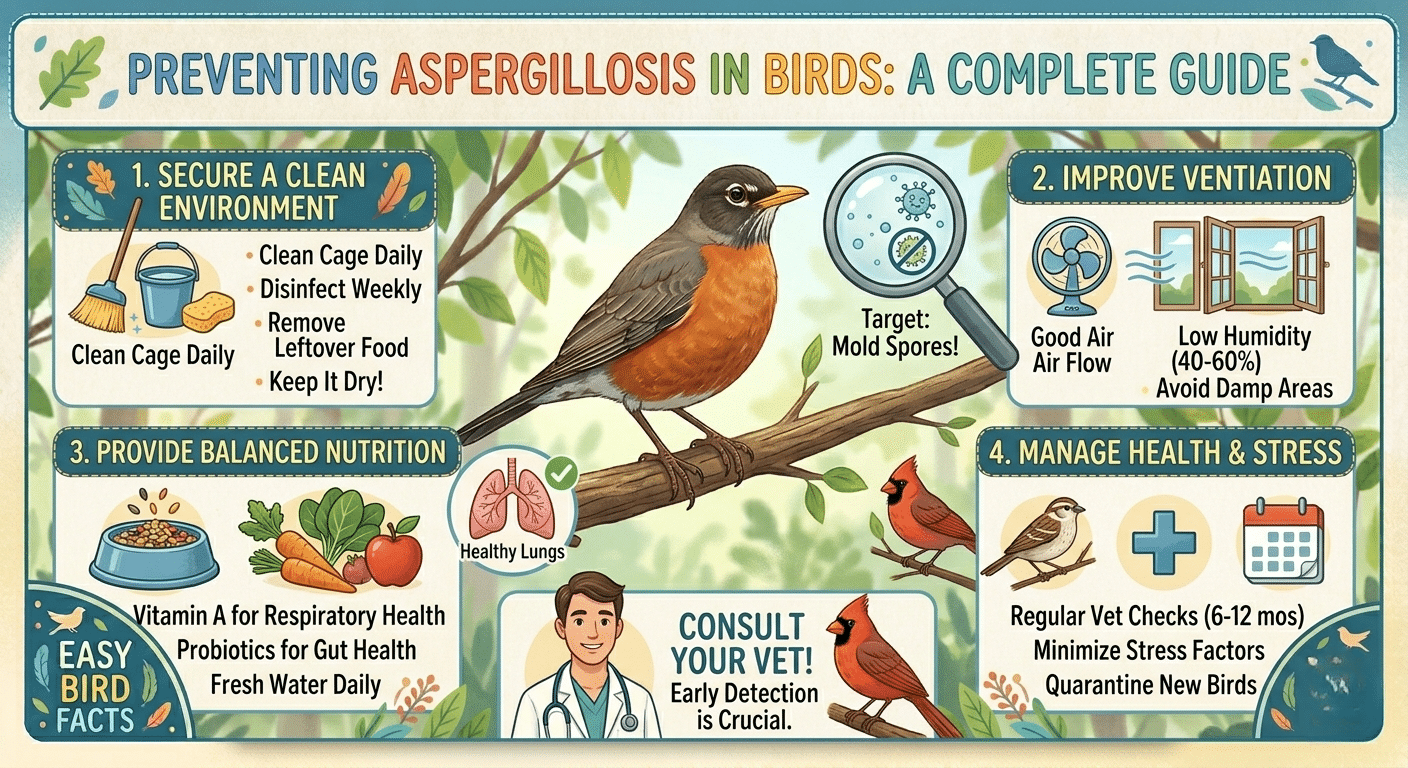
Are you a bird enthusiast or a pet bird owner looking to ensure the health and happiness of your feathered friend? Worming your bird might sound like a daunting task, but it's an essential part of maintaining their well-being.
Don't let the fear of the unknown hold you back from providing the best care possible. In this guide, you'll discover simple, effective steps to safely worm your bird, ensuring they stay healthy and vibrant. With the right knowledge, you'll feel confident and empowered to take action.
So, are you ready to learn how to keep your avian companion in tip-top shape? Let's dive into the essentials of worming a bird, so you can enjoy peace of mind and a thriving feathered friend.
Credit: www.theguardian.com
Signs Of Worm Infestation
Worm infestation in birds can harm their health and cause discomfort. Early signs help catch the problem fast.
Watch your bird closely for changes in behavior and physical health. These can signal worms inside.
Behavioral Changes
Birds with worms often act differently. They may seem weak or tired more than usual.
Some birds stop eating or become less active. They might also show signs of discomfort.
- Less movement and play
- Loss of appetite
- Frequent scratching or grooming
- Restlessness or agitation
Physical Symptoms
Worms can cause visible changes in a bird’s body. Look for weight loss and poor feather condition.
Other signs include swollen belly and changes in droppings. These symptoms show the bird needs help.
- Weight loss despite eating
- Ruffled or dull feathers
- Swollen or bloated belly
- Diarrhea or unusual droppings
Common Worm Types
Birds can have different worms. Each type causes different problems and needs specific treatment.
Knowing common worm types helps in spotting the infection early and choosing the right care.
| Worm Type | Description | Effects |
|---|---|---|
| Roundworms | Long, thin worms in intestines | Weight loss, poor growth |
| Tapeworms | Flat, segmented worms in gut | Digestive issues, weakness |
| Gapeworms | Worms in windpipe | Coughing, breathing trouble |
| Hairworms | Thin worms in digestive tract | Diarrhea, loss of appetite |
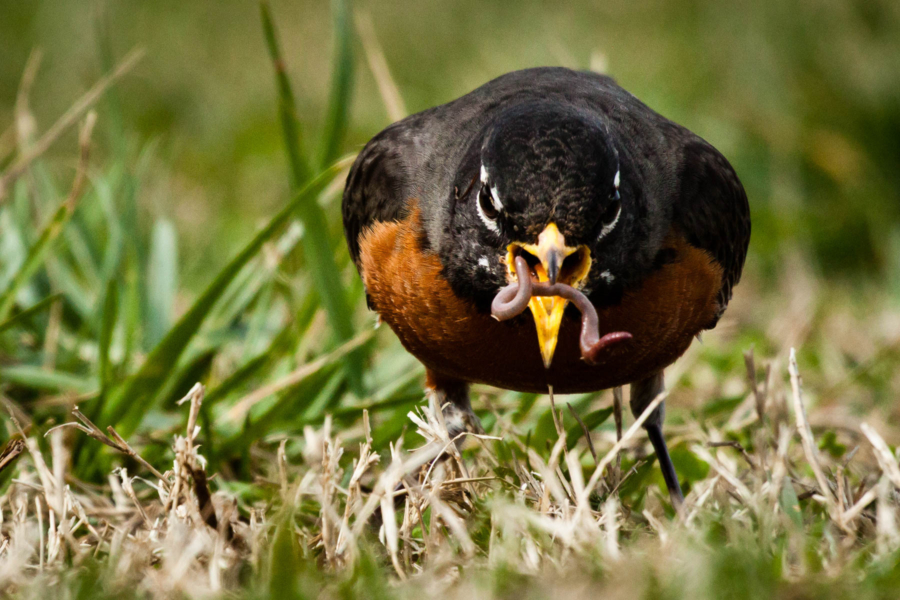
Credit: www.chesapeakebay.net
Choosing The Right Treatment
Worming a bird requires picking the best treatment for its health. The right choice helps the bird stay strong and avoids side effects.
Learn about medications, natural options, and when to see a vet before starting treatment.
Medications For Birds
Medications are the most common way to treat worms in birds. They work fast and target different types of worms.
- Choose medicine made for your bird species.
- Follow the dose and duration given on the label or by a vet.
- Keep the bird hydrated during treatment.
- Watch for side effects like vomiting or loss of appetite.
Natural Remedies
Natural remedies can help reduce worms but may not replace medicine. Use them carefully and watch your bird’s health.
| Natural Remedy | How it Works | Notes |
| Garlic | Repels some parasites | Use small amounts only |
| Pumpkin Seeds | May help expel worms | Grind before feeding |
| Apple Cider Vinegar | Improves digestion | Add to water, not too strong |
Consulting A Vet
Talk to a vet for the best worming plan. They can identify the worm type and suggest safe treatment.
Reasons to visit a vet:
- Correct diagnosis of worm type
- Advice on medicine and dosage
- Help with side effects or health issues
- Follow-up checks after treatment
Preparing For Worming
Worming a bird requires careful preparation. Getting ready helps keep the bird calm and safe.
Before starting, gather everything needed and create a comfortable space for the bird.
Gathering Supplies
Collect all necessary items before worming your bird. This saves time and reduces stress for both of you.
- Bird-safe worming medicine
- Measuring syringe or dropper
- Clean towels or cloths
- Gloves to protect your hands
- Bird carrier or small cage
- Water and food for after worming
Safe Handling Techniques
Handling your bird gently is important. Use safe techniques to avoid injury or stress.
| Technique | Tip |
| Hold firmly but gently | Support the body without squeezing |
| Use a towel | Wrap the bird to prevent flapping |
| Stay calm | Keep your voice soft and movements slow |
| Protect your hands | Wear gloves if needed |
Setting Up A Comfortable Space
Create a quiet and safe area to worm your bird. This helps the bird feel secure and reduces stress.
Make sure the space has:
- Good lighting but no direct bright light
- Soft towels or cloths for comfort
- Minimal noise and distractions
- Easy access to all supplies
Step-by-step Worming Process
Worming your bird is important to keep it healthy. Parasites can cause serious problems if not treated. Follow these simple steps to give medicine safely and care for your bird.
This guide covers how to give medication, watch your bird's health, and keep its living area clean.
Administering Medication
Use the correct worming medicine recommended by a vet. Read the instructions carefully before giving any medicine.
- Hold your bird gently but firmly to keep it calm.
- Use a dropper or syringe to give the liquid medicine directly into the bird's beak.
- For pills, place the tablet at the back of the tongue and close the beak gently.
- Make sure your bird swallows the medicine to get the full dose.
- Give the medicine at the same time each day for the full treatment period.
Monitoring Your Bird
Watch your bird closely after giving medicine. Look for changes in behavior and health.
| What to Watch | Signs to Notice |
| Eating habits | Loss of appetite or refusal to eat |
| Droppings | Changes in color, consistency, or frequency |
| Activity | Unusual tiredness or restlessness |
| Breathing | Labored or noisy breathing |
If you see any worrying signs, contact a veterinarian right away for advice.
Cleaning And Hygiene Tips
Keeping your bird’s cage clean helps prevent reinfection. Clean the cage regularly during and after worming treatment.
- Remove droppings and uneaten food daily.
- Wash food and water dishes with hot, soapy water.
- Disinfect the cage and perches weekly with a bird-safe cleaner.
- Replace bedding or cage liners often to keep the environment fresh.
- Wash your hands before and after handling your bird or cleaning its cage.
Preventing Future Infestations
Worm infestations can harm birds and cause serious health issues. Preventing these infestations helps keep your bird healthy and happy. Regular care and good habits reduce the risk of worms returning.
Focus on consistent health checks, clean living spaces, and good nutrition. These steps create a safe environment and support your bird’s natural defenses against parasites.
Regular Health Checks
Check your bird often for signs of worms or illness. Early detection helps treat problems before they get worse. Look for changes in behavior, droppings, or appetite.
- Observe your bird daily for unusual signs.
- Take stool samples to the vet for testing.
- Schedule yearly health exams with an avian vet.
- Follow any treatment plans recommended by the vet.
Maintaining Clean Living Areas
Clean cages and surrounding areas stop worm eggs from spreading. Remove old food and waste often. Use safe cleaning products to avoid harming your bird.
| Cleaning Task | Frequency |
| Remove droppings and waste | Daily |
| Clean food and water dishes | Daily |
| Wash cage and perches | Weekly |
| Replace bedding or substrate | Weekly |
Proper Diet And Nutrition
A healthy diet boosts your bird’s immune system. Strong immunity helps fight off worms and other parasites. Provide fresh, balanced food every day.
Include these foods for good nutrition:
- Fresh fruits and vegetables
- High-quality seeds and pellets
- Clean, fresh water

Credit: www.shutterstock.com
Frequently Asked Questions
How Often Should I Worm My Bird?
Birds should be wormed every 3 to 6 months. Frequency depends on species, environment, and vet advice. Regular deworming prevents parasites and maintains bird health.
What Types Of Worms Affect Pet Birds?
Common worms include roundworms, tapeworms, and gapeworms. These parasites harm digestion and breathing. Early detection and treatment are essential for bird wellbeing.
Which Worming Medications Are Safe For Birds?
Use bird-specific wormers prescribed by a vet. Avoid human or livestock medications. Proper dosing ensures effective treatment and prevents side effects.
How To Administer Worming Medicine To A Bird?
Worming medicine is given orally or mixed in food. Use a dropper or syringe for accuracy. Gentle handling reduces stress during treatment.
Conclusion
Worming a bird keeps it healthy and active. Regular care prevents many common health problems. Always follow the right steps for safe treatment. Watch your bird closely during and after worming. Clean cages and fresh water help avoid reinfection. Keep learning about bird care for best results.
Small efforts make a big difference in your bird’s life. Take action today to protect your feathered friend.