Have you ever stopped to admire the dazzling colors of a hummingbird? These tiny birds aren’t just fast—they’re like flying jewels, flashing brilliant shades that can captivate anyone.
If you’ve ever wondered why hummingbird colors change in the light or what makes their feathers shine so brightly, you’re about to discover some fascinating secrets. Understanding these vibrant hues will not only deepen your appreciation but might even change the way you see nature’s smallest wonders forever.
Keep reading, and you’ll see hummingbirds in a whole new light.

Credit: www.birdwatchingdaily.com
Hummingbird Color Palette
Hummingbirds show a wide range of colors in their feathers. Their colors help them blend in or stand out.
These tiny birds display bright shades that catch the eye. Their color palette is diverse and beautiful.
Iridescent Feathers
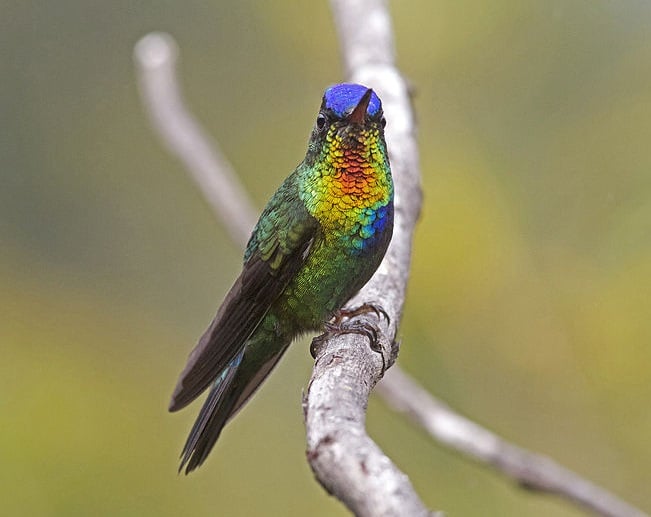
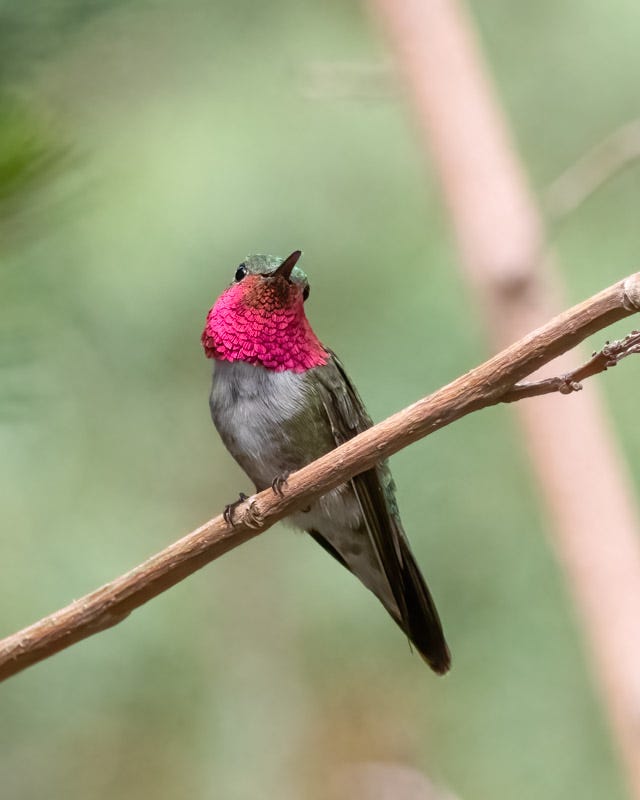
Iridescent feathers change color with the light angle. This makes hummingbirds look shiny and bright.
The colors come from tiny plate-like structures in the feathers. These reflect light and create shimmering effects.
- Green and blue shades are common in iridescent feathers
- Feathers may appear to change color as the bird moves
- This helps hummingbirds attract mates and warn others
Common Color Variations
Most hummingbirds show greens, reds, and blues in their feathers. These colors help them hide in plants.
Some species have more muted tones like gray or brown. These help them blend in better.
- Bright green is seen in many hummingbird species
- Reds often appear on the throat or chest
- Blue and purple are less common but still frequent
- Gray and brown tones help with camouflage
Rare And Unique Shades
Some hummingbirds have rare colors like gold or violet. These shades are special and less seen.
These unique colors can make a hummingbird stand out. They are often found in only a few species.
- Golden feathers shine brightly in sunlight
- Violet colors are rare and appear on some throats
- Bright orange or copper shades are seen in few types
- These colors may signal health and strength
Credit: www.danweiszphotography.com
How Colors Are Created
Hummingbirds have bright colors that catch our eyes. These colors come from two main ways in their feathers.
The colors come from the feather structure and special pigments. Both ways make hummingbirds look shiny and colorful.
Structural Coloration
Structural coloration happens when light hits tiny parts inside the feathers. These parts are very small and arranged in layers.
Light reflects and bends in these layers. This creates bright colors that change when the bird moves.
- Light waves mix and create new colors
- Colors can look shiny or metallic
- Colors change with the angle of light
Pigments In Feathers
Pigments are natural chemicals in feathers. They absorb some light and reflect other colors.
Common pigments in hummingbird feathers include melanin and carotenoids. These give colors like brown, black, red, and yellow.
- Melanin makes dark colors like black and brown
- Carotenoids create bright colors like red and yellow
- Pigments do not change with light angle
Color Patterns By Species
Hummingbirds show beautiful colors that vary by species. Their feathers shine with bright hues.
Each species has unique color patterns. These colors help them attract mates and hide from predators.
Ruby-throated Hummingbird
The Ruby-throated Hummingbird has a bright red throat patch called a gorget. Its back is green, and the belly is white.
The red throat shines in sunlight. Males have the brightest colors, while females are duller with no red throat.
- Bright red throat (males)
- Green back
- White belly
- Females lack red throat
Anna’s Hummingbird
Anna’s Hummingbird has an iridescent pink-red crown and throat. Its body is mostly green with a grayish belly.
Males show brighter colors than females. The shiny feathers reflect sunlight and change color with angle.
- Pink-red crown and throat (males)
- Green body
- Gray belly
- Females have duller colors
Violet-crowned Hummingbird
The Violet-crowned Hummingbird has a striking violet crown on its head. The throat and chest are white.
Its back and wings are green. This contrast of violet, white, and green makes it easy to identify.
- Violet crown
- White throat and chest
- Green back and wings
Role Of Colors In Behavior
Hummingbird colors play an important role in how they behave. Their bright feathers help them communicate and survive.
Colors can send signals to other birds. They also help hummingbirds hide or attract mates.
Mating Displays
Male hummingbirds use bright colors to attract females. They show off shiny feathers during courtship dances.
The brighter and more colorful a male is, the better chance he has to find a mate. Colors show health and strength.
Territorial Signaling
Hummingbirds use colors to warn others to stay away. Bright colors make them look strong and ready to fight.
These signals help reduce fights by showing who owns a flower patch or feeding area.
Camouflage Tactics
Some hummingbirds use dull colors to blend into their surroundings. This helps them hide from predators.
Colors that match leaves and branches keep them safe while resting or feeding quietly.
Seasonal And Environmental Effects
Hummingbird colors can change with the seasons and environment. These changes help them blend in and survive.
Light, temperature, and diet affect how bright or dull their feathers look. These factors change during the year.
Color Changes Over Time
Hummingbirds often change color as they grow older. Young birds have duller colors than adults.
During breeding season, males show brighter colors to attract mates. After breeding, colors may fade.
- Juvenile hummingbirds have muted colors
- Males brighten colors in spring and summer
- Colors fade in fall and winter
Impact Of Habitat
The place where hummingbirds live changes their colors too. Different habitats have different light and food.
Birds in sunny areas often have brighter feathers. Those in shaded or dense forests may have duller colors.
- Bright sunlight makes colors shine more
- Diet affects feather brightness and hues
- Forest shade can dull feather colors

Credit: www.reddit.com
Attracting Hummingbirds To Your Garden
Hummingbirds are small birds known for their quick movements and bright colors. Many gardeners want to invite these lively birds into their yards. You can attract hummingbirds with the right plants and colors.
Creating a garden that hummingbirds love helps you enjoy their visits. It also supports these important pollinators in your area.
Choosing The Right Flowers
Hummingbirds like flowers that are rich in nectar. Tubular-shaped flowers work best because they fit a hummingbird’s long beak. Pick native plants if possible, as they suit local hummingbirds.
Plant a mix of flowers that bloom at different times. This gives hummingbirds food all season. Avoid using pesticides, which can harm these tiny birds.
- Trumpet vine
- Bee balm
- Columbine
- Salvia
- Cardinal flower
- Fuchsia
- Penstemon
Using Color To Lure Hummingbirds
Hummingbirds see colors well, especially red and orange. These colors stand out and attract them quickly. Bright colors signal a good source of nectar.
Choose flowers in shades of red, pink, orange, or purple. Avoid white or blue flowers because hummingbirds do not like them as much. You can also add red feeders to draw hummingbirds.
- Red flowers attract most hummingbirds
- Orange and pink also work well
- Purple flowers can be appealing
- Avoid blue and white flowers
- Use bright colors for best results
Frequently Asked Questions
What Colors Do Hummingbirds Have?
Hummingbirds boast a dazzling array of colors including iridescent greens, blues, reds, and purples. These vibrant colors are not from pigments but from microscopic platelets in feathers. The light refraction gives them their brilliant appearance, making hummingbirds one of nature’s most colorful creatures.
Why Do Hummingbirds Change Colors?
Hummingbirds change colors due to light refraction on their feathers. The microscopic structures in their feathers interact with sunlight. This interaction creates different colors based on the angle of light. This phenomenon is known as structural coloration, making hummingbirds appear to change color as they move.
Do Male And Female Hummingbirds Differ In Color?
Yes, male and female hummingbirds often differ in color. Males usually have more vibrant and colorful feathers. This is to attract females during mating seasons. Females tend to have more muted colors, which provide camouflage while nesting and protecting their young from predators.
How Do Hummingbird Colors Help Them Survive?
Hummingbird colors play a crucial role in survival. Bright colors attract mates during breeding seasons. Muted colors help females hide from predators while nesting. The iridescence can also confuse predators by making them harder to focus on, providing an additional layer of protection.
Conclusion
Hummingbirds show a stunning range of bright colors. Their feathers shine with green, blue, and red hues. These colors help them attract mates and stay safe. Watching hummingbirds can bring joy and calm. Their beauty reminds us of nature’s small wonders.
Next time you see one, pause and admire. Colors tell a story of life and survival. Such tiny birds hold big surprises. Keep learning about these amazing creatures. Their vibrant colors brighten any garden or park.