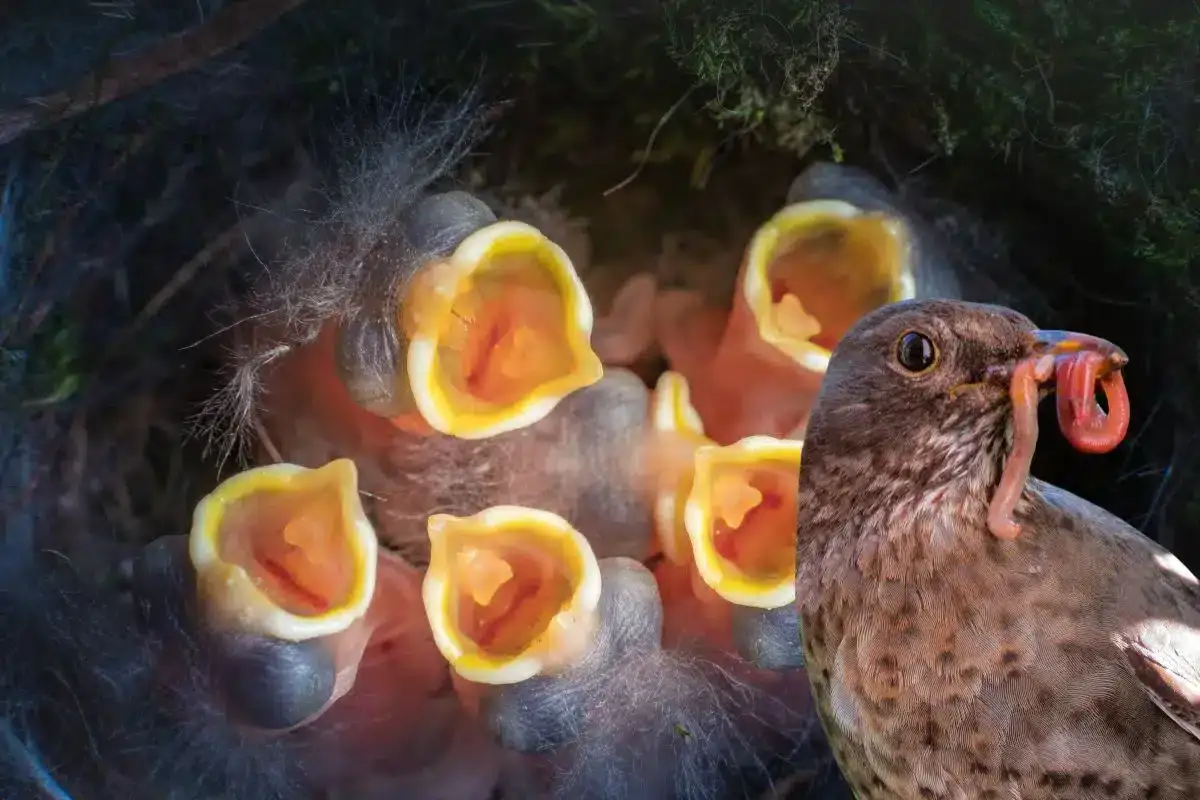
Caring for an infant bird can feel overwhelming, especially if this is your first time. You want to make sure your tiny feathered friend grows strong and healthy.
But where do you start? What does your baby bird really need every day? You’ll discover simple, practical tips that anyone can follow. By the end, you’ll feel confident and ready to give your infant bird the best care possible.
Keep reading—your bird’s well-being depends on it.

Credit: www.birdtlc.org
Choosing The Right Nesting Environment
Infant birds need a safe and cozy place to grow. Their nesting environment helps keep them warm and protected. Choosing the right nest is key to their health and comfort.
A good nest mimics nature and offers shelter from dangers. It must be clean, dry, and quiet. Let’s look at how to pick the best nesting box and keep the right temperature and humidity.
Selecting A Safe Nesting Box
Pick a nesting box made of natural materials like wood. Avoid plastic or metal boxes that can get too hot or cold. The box should be sturdy and safe from predators.
Check that the nesting box has enough space for the infant birds to move. It needs good ventilation but no drafts. Keep the box clean to prevent diseases.
- Use untreated wood for the nesting box
- Size the box to fit the bird species
- Place the box where it is safe from pets and wild animals
- Ensure small holes for ventilation but no gaps for escape
- Clean the box regularly with mild soap and water
Maintaining Proper Temperature And Humidity
Infant birds need a warm and steady temperature. Too cold or too hot can hurt them. Keep the temperature between 85°F and 95°F (29°C to 35°C) for the first week.
Humidity should stay around 50% to 60%. This keeps the birds from drying out and helps their skin and feathers. Use a thermometer and a hygrometer to check conditions daily.
- Use a heat lamp or heating pad to keep warmth
- Monitor temperature with a reliable thermometer
- Keep humidity steady with a humidifier if needed
- Avoid direct heat contact to prevent burns
- Check temperature and humidity several times a day
Feeding Infant Birds
Feeding infant birds is important for their growth and health. Baby birds need special care and food.
Different bird species need different foods and feeding schedules. Knowing this helps them grow strong.
Best Foods For Different Bird Species
Each bird species has its own diet needs. Feeding the right food helps baby birds stay healthy.
Here are some common bird species and the best foods for their infants.
- Parrots:Soft fruits, soaked pellets, and formula made for parrots.
- Finches:Small seeds mixed with soft fruits and insects.
- Robins:Insects, worms, and small pieces of soft fruits.
- Canaries:Seeds, soft boiled eggs, and finely chopped vegetables.
- Swallows:Insects and specialized bird formula.
Feeding Frequency And Techniques
Infant birds need feeding often because they grow fast and get hungry quickly. Newborns eat more than older babies.
Use proper tools and gentle techniques to feed baby birds. Avoid overfeeding or underfeeding them.
- Feed newborns every 15 to 20 minutes from dawn to dusk.
- Older babies need feeding every 30 to 60 minutes.
- Use a small syringe or dropper to give food carefully.
- Keep the food warm but not hot before feeding.
- Clean feeding tools after each use to avoid infections.
Monitoring Health And Development
Taking care of infant birds means watching their health and growth closely. Healthy birds grow strong and active.
Regular checks help catch problems early. This keeps baby birds safe and well.
Identifying Signs Of Illness
Look for changes in behavior or appearance. Sick birds may be quiet or weak.
Notice if they have trouble breathing or if their feathers look ruffled. These are warning signs.
- Loss of appetite or refusal to eat
- Dull or fluffed-up feathers
- Labored breathing or wheezing sounds
- Swelling or redness around eyes or beak
- Frequent sleeping or lack of movement
Tracking Growth Milestones
Track the bird’s weight and size every few days. Growth shows they are healthy.
Watch for milestones like opening eyes and starting to flap wings. These indicate good development.
| Age (Days) | Expected Growth Milestone |
|---|---|
| 1-3 | Eyes closed, little movement |
| 4-7 | Eyes open, small feather growth |
| 8-14 | More feathers, starts moving more |
| 15-21 | Flapping wings, exploring environment |

Credit: tracyaviary.org
Handling And Socializing
Infant birds need gentle care to grow strong and happy. Handling and socializing help them trust people and other birds.
Good habits in handling and socializing make a big difference in their development and comfort.
Safe Handling Practices
Hold infant birds carefully to avoid hurting them. Use slow and calm movements to keep them calm.
Support their body fully with your hand. Avoid squeezing or holding them too tightly.
- Wash your hands before handling to keep birds safe
- Hold birds close to your body for security
- Use soft towels if birds feel scared or restless
- Limit handling time to avoid stress
- Handle birds in a quiet, safe place
Encouraging Social Interaction
Talk softly to infant birds to build their trust. They learn to recognize your voice and feel safe.
Introduce birds to others slowly. Let them see and hear each other before close contact.
- Spend time near the birds daily to get them used to you
- Use gentle touches to help them feel comfortable
- Allow birds to interact with siblings or other birds carefully
- Provide toys to encourage play and curiosity
- Be patient and consistent with social activities
Common Challenges And Solutions
Taking care of infant birds can be hard. They need special help to grow strong and healthy.
Many challenges come up during their early days. Knowing solutions helps keep them safe.
Dealing With Feeding Difficulties
Infant birds often have trouble eating on their own. They need soft, easy-to-digest food.
Sometimes birds refuse food or choke. Watch closely and feed small amounts carefully.
- Use a syringe or dropper for feeding
- Feed warm, soft food that matches their diet
- Feed small amounts slowly to avoid choking
- Keep the feeding area clean to stop infections
- Seek advice from a vet if feeding problems last
Preventing Common Diseases
Infant birds can get sick easily. Germs spread fast in their small homes.
Good hygiene and care lower the risk of diseases. Watch for signs of illness daily.
- Clean cages and feeding tools every day
- Keep the bird’s environment dry and warm
- Check birds for unusual behavior or droppings
- Isolate sick birds to stop germs from spreading
- Give proper food and fresh water regularly
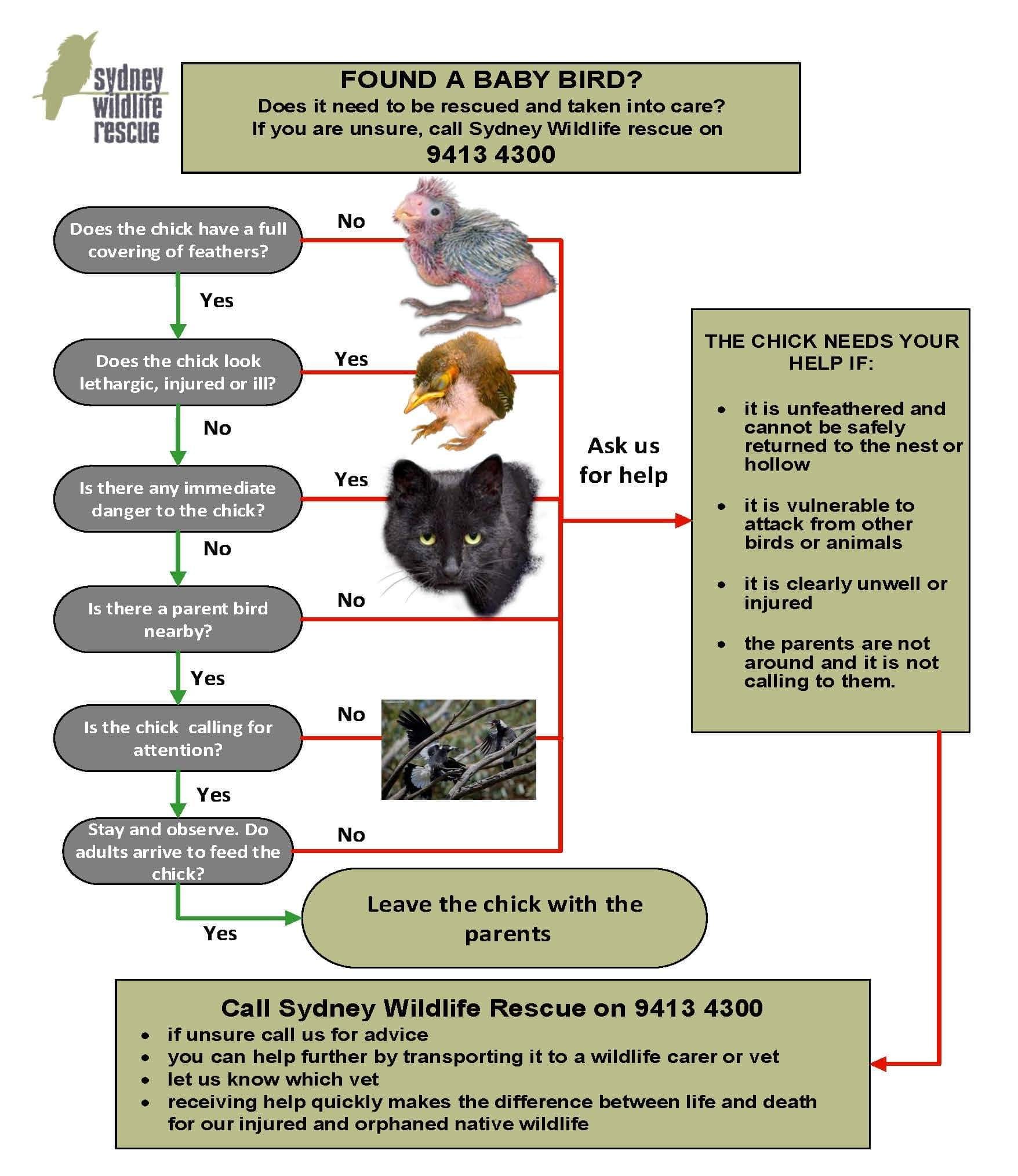
Credit: www.vsos.com.au
Preparing For Independence
Infant birds need help to grow strong and healthy. As they prepare to leave the nest, they must learn new skills.
Caregivers should guide young birds through weaning and encourage them to explore and fly safely.
Weaning Tips
Weaning helps young birds eat solid food instead of being fed by parents. It is important to be patient and gentle.
Start by offering soft foods like soaked pellets or small seeds. Gradually reduce feeding by hand.
- Offer small, soft food pieces frequently
- Encourage the bird to eat on its own
- Keep fresh water available at all times
- Watch for signs of hunger or stress
- Be patient; every bird learns at its own pace
Encouraging Flight And Exploration
Flight practice is key for independence. Start in a safe, enclosed space where the bird can flap and glide.
Let the bird explore new areas gradually. This builds confidence and helps develop muscles.
- Use a quiet, secure room for first flights
- Place perches at different heights
- Encourage short flights between perches
- Supervise closely to prevent accidents
- Offer treats to motivate movement
Frequently Asked Questions
How Do You Feed An Infant Bird Safely?
Feed infant birds with a syringe or dropper using a specialized formula. Avoid cow’s milk. Feed small amounts frequently, ensuring the bird swallows well.
What Is The Ideal Temperature For Infant Bird Care?
Maintain a warm environment around 85-90°F (29-32°C) for infant birds. Use a heating pad or lamp, avoiding direct heat contact to prevent burns.
How Often Should Infant Birds Be Fed Daily?
Infant birds require feeding every 15-20 minutes from dawn to dusk. Adjust feeding frequency as they grow, gradually reducing meals over time.
When Can Infant Birds Start Eating Solid Food?
Introduce soft, solid foods gradually around 3-4 weeks old. Start with soaked bird pellets or finely chopped fruits and vegetables.
Conclusion
Caring for infant birds needs patience and gentle hands. Feeding them often keeps them healthy and strong. Warmth and a safe space help them grow well. Watch their behavior to spot any signs of trouble. Every small step counts in raising a happy bird.
With love and care, they will thrive and fly soon. Keep learning and stay attentive to their needs. This care creates a bond that lasts a lifetime.