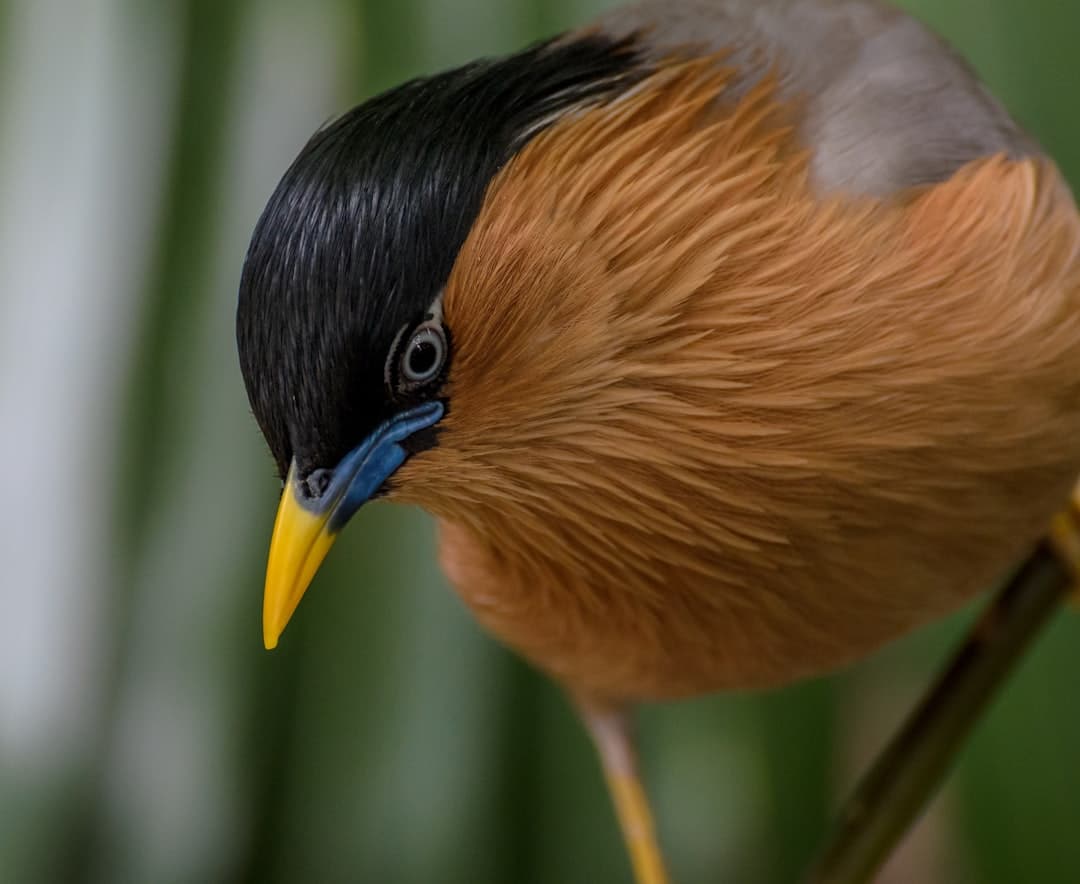
Have you ever wondered which beautiful birds are at risk of disappearing forever? These interesting endangered birds hold stories that can surprise and move you.
By learning about them, you’ll see why protecting their homes matters to all of us. Keep reading, and you’ll discover amazing facts that might change the way you think about nature—and your role in saving it.
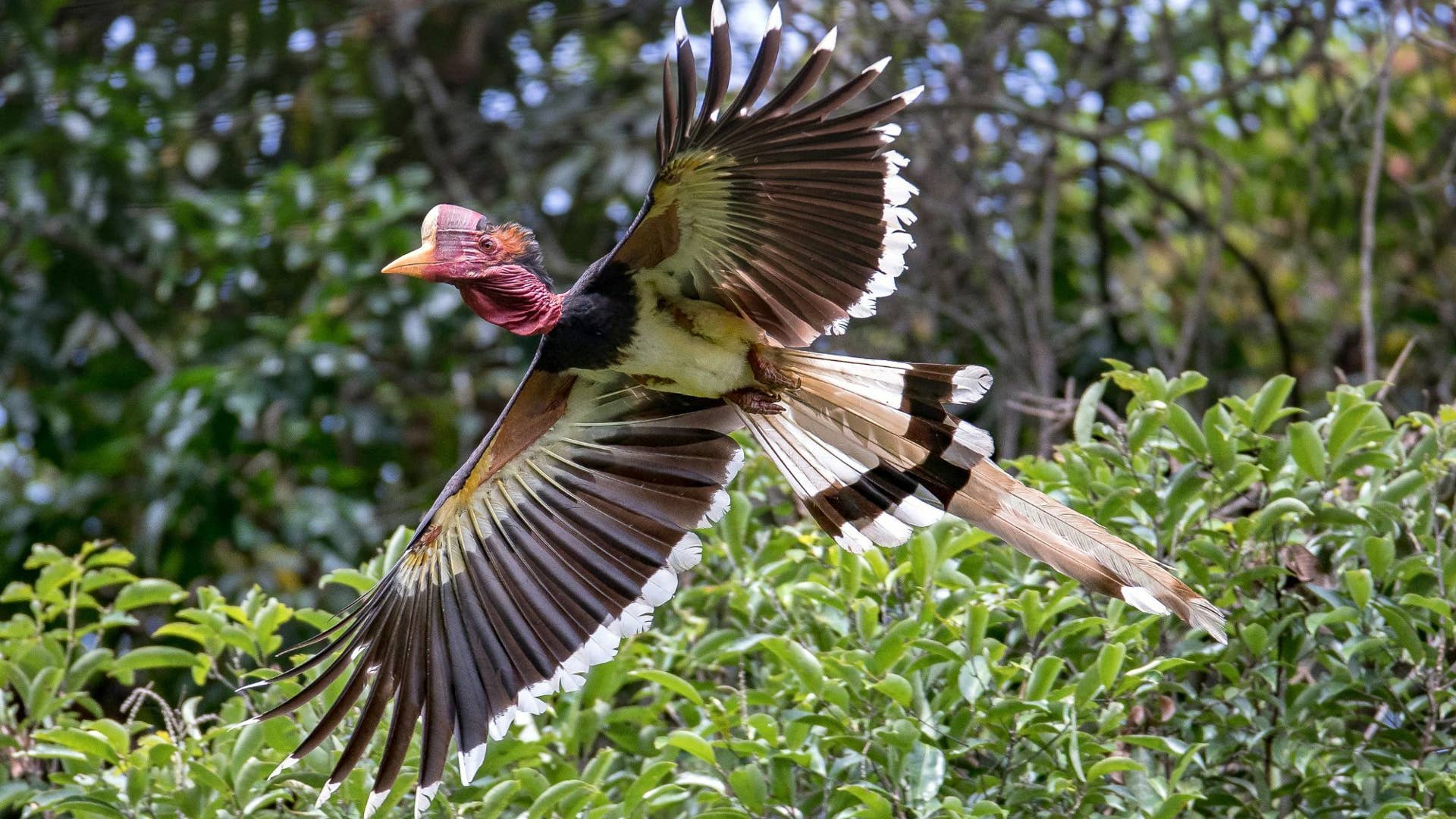
Credit: owlcation.com
Rare Birds Facing Extinction
Many bird species around the world are rare and face extinction. These birds struggle to survive because of many challenges. Protecting them is important for nature.
Endangered birds live in different places and have unique roles. Losing them can change their homes and affect other animals.
Key Factors Driving Decline
Habitat loss is a major reason rare birds are disappearing. Cutting down forests and building cities destroy their homes. Pollution also harms birds by making food and water unsafe.
Hunting and trapping reduce bird numbers quickly. Some birds are caught for pets or food. Climate change changes weather and food availability, making survival hard.
- Deforestation removes nesting areas
- Pollution contaminates food and water
- Illegal hunting lowers bird populations
- Climate change alters habitats and seasons
Impact On Ecosystems
Birds help plants grow by spreading seeds. Without birds, some plants may disappear. This affects animals that depend on those plants.
Birds also control insects and pests. Losing birds can cause insect numbers to rise, harming crops and forests. This creates imbalance in nature.
- Seed spreading supports forest growth
- Insect control protects plants and crops
- Birds are food for other wildlife
- Loss of birds disrupts food chains

Credit: theconversation.com
Colorful Birds On The Brink
Many birds have bright colors that catch our eyes. Some of these colorful birds are now endangered.
These birds face threats like habitat loss and hunting. Protecting them is very important.
Vibrant Plumage And Unique Features
Endangered birds often have bright feathers. Their colors help them attract mates or hide in nature.
Some birds have unusual features like long tails or colorful crests. These make them special in the bird world.
- Resplendent Quetzal: bright green and red feathers
- Wilson’s Bird-of-Paradise: vibrant blue and yellow colors
- Kakapo: a large, green, flightless parrot
- Indian Peafowl: iridescent blue and green plumage
Habitat And Behavior
These colorful birds live in forests, mountains, and wetlands. They depend on these places to survive.
Their behavior includes unique calls, dances, or nest building. This helps them find partners and protect their young.
- Resplendent Quetzal: lives in cloud forests, nests in tree holes
- Wilson’s Bird-of-Paradise: found in rainforests, performs courtship dances
- Kakapo: lives in New Zealand forests, active at night
- Indian Peafowl: lives near farms and forests, known for loud calls
Iconic Endangered Birds
Many bird species face the risk of extinction. These birds are important to nature and culture. Protecting them helps keep ecosystems healthy.
We will explore some famous endangered birds. Their stories show why conservation matters. Some birds have even made great comebacks.
Famous Species And Their Stories
The California Condor is one of the largest flying birds in North America. It almost disappeared in the 1980s. Only a few were left in the wild.
The Kakapo is a rare, flightless parrot from New Zealand. It is known for its unique green color and strong scent. Its numbers dropped due to predators and habitat loss.
- California Condor: Scavenger that cleans the environment
- Kakapo: Nocturnal and flightless, lives in forests
- Whooping Crane: Tall bird with a loud call, once near extinction
- Philippine Eagle: One of the largest eagles, lives in rainforests
Conservation Success Stories
The California Condor was brought back from the brink. Captive breeding programs helped increase their numbers. Today, they live again in the wild.
The Whooping Crane was saved by careful protection and habitat restoration. From less than 20 birds, their numbers rose to over 800. This shows how efforts can work.
- California Condor: Captive breeding and release
- Whooping Crane: Habitat protection and breeding
- Kakapo: Predator control and close monitoring
- Philippine Eagle: Forest conservation and education
Threats To Bird Survival
Many bird species face serious threats that put their lives at risk. These dangers make it hard for birds to live and grow their populations.
Understanding these threats helps us protect birds better. Three big problems are habitat loss, climate change, and poaching.
Habitat Loss And Fragmentation
Birds need safe places to live, find food, and raise young. When forests and wetlands are cut down, birds lose their homes.
Breaking large habitats into small pieces makes it hard for birds to move and find mates. This lowers their chance to survive.
- Deforestation for farming and cities
- Building roads that split habitats
- Pollution that damages land and water
Climate Change Effects
Climate change changes weather patterns and food availability. Birds may not find enough food or safe nesting places.
Some birds must move to new areas, but not all can adapt fast. This causes fewer birds to survive each year.
- Rising temperatures affect bird migration
- Extreme weather harms eggs and chicks
- Changes in plants affect bird food supply
Poaching And Illegal Trade
Some birds are hunted for their feathers, meat, or to be sold as pets. This illegal trade reduces wild bird numbers quickly.
Poaching is hard to stop because it often happens in remote areas. It causes big losses for endangered bird species.
- Hunting rare birds for decoration
- Capturing birds for pet markets
- Trade that breaks wildlife protection laws
Efforts To Save Endangered Birds
Many bird species face danger from habitat loss, hunting, and pollution. People and groups work hard to protect these birds.
Saving endangered birds needs many kinds of actions. These include protecting land, helping birds grow in safe places, and involving local people.
Protected Areas And Reserves
Protected areas keep bird homes safe from harm. Reserves stop forests from being cut and stop hunting.
Many countries set up parks where endangered birds live. These parks give birds a place to eat, nest, and grow.
- National parks protect bird habitats
- Wildlife reserves offer safe nesting sites
- Wetlands are preserved for water birds
Breeding And Rehabilitation Programs
Breeding programs help increase the number of rare birds. They raise birds in safe places and release them later.
Rehabilitation centers care for injured birds. They nurse birds back to health and return them to the wild.
- Captive breeding boosts bird populations
- Health care helps injured birds recover
- Releasing birds improves wild numbers
Community Involvement
Local people help protect endangered birds by watching nests and reporting threats. They learn why birds matter.
Schools and groups teach about birds and how to keep them safe. Communities work together to stop bird loss.
- Volunteers monitor bird nests
- Education raises awareness about birds
- Community patrols stop hunting and logging

Credit: phys.org
How You Can Help
Many bird species are endangered. These birds need help to survive. You can make a difference by acting today.
Helping endangered birds is easy. Small actions add up to big changes. Here are ways you can help.
Supporting Conservation Groups
Conservation groups work hard to save endangered birds. They protect habitats and fund research. Supporting them helps birds live longer.
You can support these groups by donating money or volunteering your time. Even small donations help buy food and build shelters.
- Donate to bird conservation organizations
- Volunteer for bird monitoring projects
- Join local birdwatching groups
Promoting Bird-friendly Habitats
Birds need safe places to live and find food. You can create bird-friendly spaces in your yard or community. This helps birds find shelter and survive.
Plant native trees and bushes. Avoid using pesticides. Provide water sources like birdbaths. These steps make your area safer for birds.
- Plant native flowers and trees
- Use natural pest control methods
- Set up bird feeders and baths
- Avoid disturbing nesting areas
Raising Awareness
Many people do not know about endangered birds. You can help by sharing facts and stories. This encourages others to protect birds too.
Talk about endangered birds with friends and family. Use social media to spread the word. Awareness helps build a community that cares about birds.
- Share information about endangered birds
- Organize talks or birdwatching events
- Use social media to spread awareness
Frequently Asked Questions
What Are Some Endangered Bird Species?
Several bird species are endangered due to habitat loss and climate change. Notable examples include the Kakapo, California Condor, and Philippine Eagle. These birds face significant threats and need urgent conservation efforts to survive. Protecting their habitats and promoting breeding programs are crucial to their survival.
Why Are Birds Becoming Endangered?
Birds face threats from habitat destruction, pollution, and climate change. Deforestation and urbanization reduce their natural habitats. Pollution affects their health and food sources. Climate change alters their ecosystems, making survival difficult. Conservation efforts are vital to address these challenges and protect endangered bird species.
How Can We Help Endangered Birds?
Supporting conservation programs and habitat protection are key to helping endangered birds. You can also reduce plastic use and participate in local birdwatching and conservation events. Spreading awareness about endangered species and their importance helps garner support for their protection and survival.
What Is The Rarest Endangered Bird?
The Spix’s Macaw is considered one of the rarest birds. Known for its striking blue color, it became critically endangered due to habitat loss and illegal trade. Recent conservation efforts have focused on breeding programs and habitat restoration to ensure its survival and potential reintroduction into the wild.
Conclusion
Endangered birds need our care and respect. Their beauty and rarity make them special. Protecting their homes helps them survive. Small actions can save these birds from disappearing. Learning about them raises awareness and hope. Nature depends on every bird, big or small.
Let’s act now to keep their songs alive. Together, we make a difference for these birds. Every effort counts in saving their future.