Is a Bird a Predator Or Prey? Do you wonder if a bird is a hunter—or hunted? The answer often surprises people. Your view of nature will change soon as you learn how birds hunt, how they defend themselves, and how they survive in the wild. Look at birds with a new eye and discover the hidden balance of predator and prey. Start right now.
Credit: timesofindia.indiatimes.com
Birds As Predators
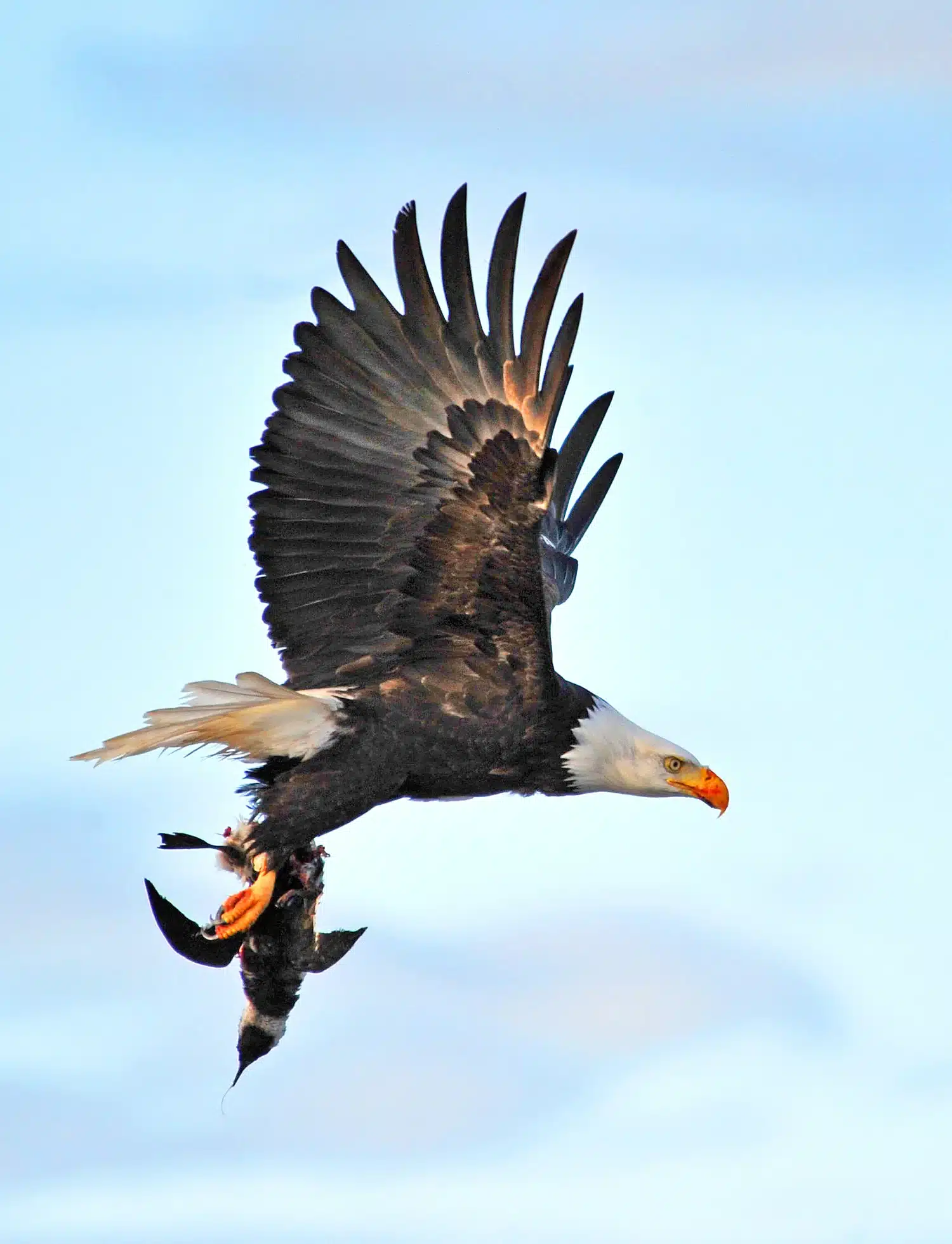
Many birds hunt for meals. They catch animals for food. They use sharp claws. Strong beaks grab prey fast.
These hunters help the earth. They stop bugs from growing.
Common Bird Predators
Big hunters have enemies too. Large birds hunt smaller ones. Snakes and foxes hunt them. Eggs face high risk.
-
Eagles hunt owls.
-
Raptors catch hawks.
-
Snakes eat eggs.
-
Foxes raid nests.
Hunting Techniques
Birds use many tricks. Some fly. Others walk. Speed helps them win. They use sharp talons.
-
Fly high to see.
-
Hover then strike.
-
Sit and watch.
-
Chase prey fast.
Top Avian Hunters
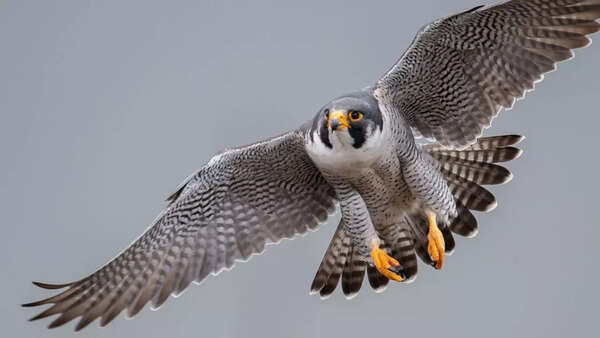
Some birds are famous for their hunting skills. They catch bugs and mammals. Their bodies are strong.
-
Peregrine Falcon: Fastest bird alive.
-
Great Horned Owl: Night hunter.
-
Red-tailed Hawk: Catches mice.
-
Osprey: Good at fishing.
Diet And Prey Selection
Bird diets vary. Home and size matter. Some eat fish. Others like bugs. They pick easy meals. Food choices change sometimes.
-
Ospreys eat fish.
-
Hawks eat mice.
-
Shrikes eat bugs.
-
Falcons eat birds.

Credit: birdsnways.com
Birds As Prey
Birds fit many spots in nature. Other animals hunt them. This role changes their life. They must avoid traps. Survival depends on smart moves.
Natural Predators Of Birds
Many animals eat birds. Sizes and types vary. They hunt on land or air.
-
Hawks and owls.
-
Snakes in trees.
-
Cats and foxes.
-
Large lizards.
-
People hunt too.
Defense Mechanisms
Birds stay safe in clever ways. These methods save lives. Some are very simple.
-
Fly away fast.
-
Use colors to hide.
-
Make scary sounds.
-
Stay in groups.
-
Fight with claws.
Vulnerable Species
Some birds face more risk. They cannot defend well. Their homes are open.
-
Ground-nesting quails.
-
Flightless ostriches.
-
Young chicks.
-
Bright colored birds.
Survival Strategies
Smart plans keep birds safe. They live longer this way.
-
Hide nests well.
-
Move when hunters sleep.
-
Call out warnings.
-
Move in flocks.
Birds In The Food Chain
Birds play many roles in nature. Some birds hunt other animals. Others are food for bigger animals.
Understanding if a bird is a predator or prey helps us see how nature works. Birds connect many parts of the food chain.
Role In Ecosystems
Birds hunt pests. This controls their count. Big animals eat birds. This keeps balance.
-
Predators: Owls and eagles.
-
Prey: Pigeons and sparrows.
-
Both: Crows and ravens.
Impact On Biodiversity
Birds move seeds. They move pollen too. Plants grow because of them. Hunting pests saves crops.
-
Seed spreaders.
-
Pest eaters.
-
Food sources.
Interactions With Other Species
Birds fight for space. They also help others. Some clean other animals. Warnings save many lives.
-
Fight for nests.
-
Clean off bugs.
-
Signal danger fast.
Adaptations For Hunting And Survival
Birds can be both predators and prey. Their survival depends on special skills and features. These adaptations help them catch food and avoid danger.
Some birds hunt other animals, while others hide or escape from predators. Their body and behavior help them live in many environments.
Physical Adaptations
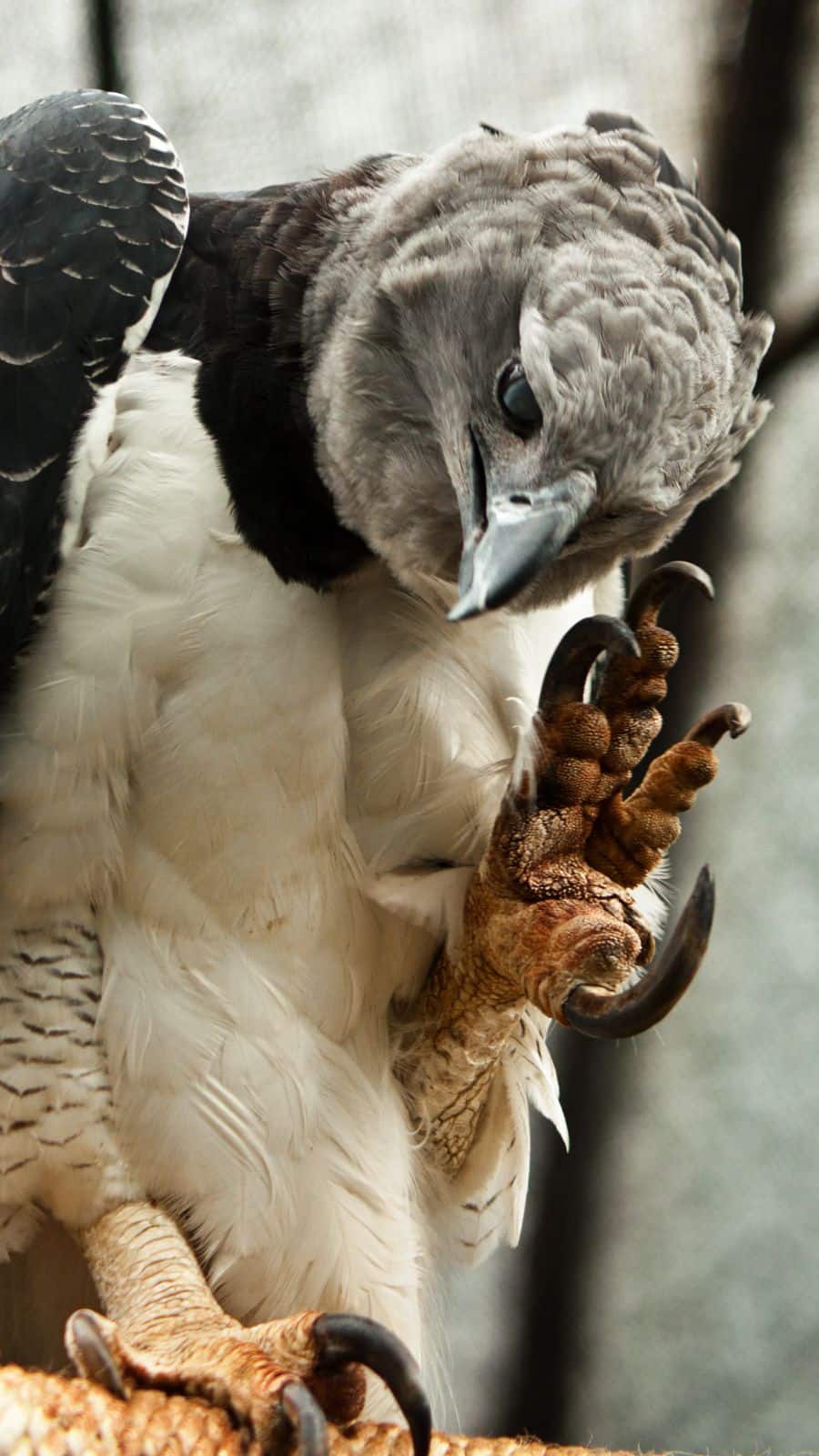
Strong beaks catch food. Sharp claws grab tight. Big eyes see far. Wings move fast.
-
Sharp talons.
-
Hooked beaks.
-
Good eyesight.
-
Fast wings.
Behavioral Adaptations
Smart moves find food. Some hunt alone. Others use teams. Habits keep them safe.
-
Hunt at dusk.
-
Work as teams.
-
Hide their nests.
-
Confuse hunters.
Camouflage And Stealth
Birds hide in nature. Colors match the trees. They move very softly. Quiet moves help them.
-
Match the leaves.
-
Stay very still.
-
Soft, slow moves.
-
Use dark shadows.
Human Impact On Bird Predation
Birds play roles as predators and prey in ecosystems. Human actions change these roles. This affects bird populations and survival.
Understanding human impact helps protect birds and keep nature balanced.
Habitat Loss Effects
People cut down forests. Birds lose homes. Some birds cannot hide. Hunters find them easily.
-
Fewer nesting trees.
-
Less ground cover.
-
Dirty water.
-
City growth hurts.
Changes In Predator-prey Dynamics
Humans change which animals live in an area. New predators or prey may arrive. Some predators may disappear. These changes upset the balance.
| Change | Effect on Birds |
| Introduction of cats | More birds hunted |
| Loss of hawks | More small birds survive |
| Less insects | Birds find less food |
| More garbage | Some birds eat unhealthy food |
Conservation Efforts
People help birds live. We protect homes. We teach others.
-
Bird-safe parks.
-
Limit hunting.
-
Plant native trees.
-
Stop using poisons.
-
Study bird health.
Credit: www.moneycontrol.com
Frequently Asked Questions
Are Birds Considered Predators Or Prey In Nature?
Birds can be both predators and prey. Some birds hunt insects or small animals, while others are hunted by larger predators. Their role depends on species, size, and environment, making them an essential part of the food chain.
What Makes A Bird A Predator?
Birds become predators when they hunt for food. Birds of prey like hawks and owls have sharp talons and keen eyesight. These features help them catch and eat smaller animals such as rodents, fish, or insects.
Which Animals Commonly Prey On Birds?
Birds are preyed upon by mammals, reptiles, and larger birds. Common predators include foxes, snakes, eagles, and hawks. Nesting birds and chicks are especially vulnerable to these predators in the wild.
How Do Birds Protect Themselves From Predators?
Birds use various defense strategies like flying away quickly, camouflage, and alarm calls. Some species build nests in hidden or hard-to-reach places to avoid predators. Speed and sharp senses also help birds detect threats early.
Conclusion
Birds play different roles in nature. Some birds are predators. They hunt smaller creatures. Hawks and eagles are examples. Others are prey. They often fall victim to larger animals. Think of sparrows and doves. Birds’ roles change with their environment.
A bird’s size and strength matter. The food chain is complex. Birds adapt to survive. Their adaptability is impressive. Understanding these roles is key. It helps us appreciate nature’s balance. Birds are crucial to ecosystems. Their roles as predators or prey are vital.
Nature’s harmony depends on them. Observing birds helps us learn. Nature teaches us through birds.