

Have you ever wondered if a condor is a predator bird? It’s a question that might surprise you.
You probably picture condors soaring high, but are they hunters like eagles or hawks? Understanding whether condors are predators can change how you see these giant birds of prey. You’ll discover the truth about condors’ hunting habits and what makes them unique in the bird world.
Keep reading to find out facts that might challenge what you think you know!
Credit: creatures-of-the-world.fandom.com
Condor Basics
The condor is a large bird known for its impressive size and soaring flight. It belongs to the vulture family and is often seen gliding over mountains and cliffs.
People often wonder if condors are predator birds. Understanding their species and physical traits helps answer this question.
Species And Habitat
Condors live mainly in the Americas. There are two main species: the Andean condor and the California condor.
- The Andean condor lives in the Andes mountains in South America.
- The California condor is found in parts of the western United States.
- Both species prefer open, mountainous areas with cliffs for nesting.
- They often soar at high altitudes searching for food.
Physical Features
| Feature | Description |
| Wingspan | Up to 10 feet (3 meters) |
| Weight | Up to 33 pounds (15 kg) |
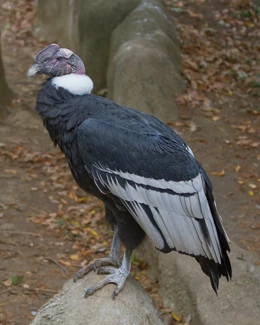
| Color | Black body with white neck ruff |
| Beak | Strong and hooked for tearing meat |
Condors have strong beaks to tear dead animals’ flesh. They do not hunt live prey often, unlike typical predator birds.
Diet And Feeding Habits
Condors are large birds often seen soaring high in the sky. Their diet and how they feed are very interesting. They play a unique role in nature’s cleaning system.
Understanding whether condors are predators or scavengers helps us learn about their feeding habits. They mainly eat dead animals but have some hunting skills too.
Scavenging Behavior
Condors mostly feed by scavenging. They look for animal carcasses to eat. Their strong beaks help them tear tough skin and meat.
- They find dead animals on the ground.
- Condors can smell or see carcasses from far away.
- They eat large animals like deer or cattle.
- Condors clean up the environment by eating dead meat.
Hunting Capabilities
Condors are not strong hunters. They rarely catch live prey. Their size and wingspan help them glide but not chase animals.
| Hunting Ability | Details |
| Speed | Slow compared to true predators |
| Agility | Limited for quick chases |
| Prey Size | Small animals if caught |
| Hunting Frequency | Very rare; mostly scavenges |
Predator Or Scavenger?
Condors are large birds that often confuse people. Many ask if condors are predators or scavengers.
Understanding their feeding habits helps us know their role in nature.
Role In The Ecosystem
Condors mainly eat dead animals. They clean up the environment by eating carcasses.
This helps stop disease spread and recycles nutrients in nature.
- Feed mostly on dead animals
- Help keep nature clean
- Support nutrient recycling
Comparison With Predatory Birds
Predatory birds hunt live animals for food. Condors do not usually hunt live prey.
Unlike hawks or eagles, condors rely on finding dead animals.
- Predators hunt and kill live prey
- Condors mostly scavenge dead animals
- Predators have sharp talons for hunting
- Condors have strong beaks for tearing carcasses

Credit: www.washingtonpost.com
Adaptations For Survival
Condors are large birds that live in mountains and open areas. They have special features to help them survive in tough places.
These features help condors find food and stay safe in the wild. Let’s look at their flight, vision, beak, and claws.
Flight And Vision
Condors have wide wings that let them glide for hours without much effort. This saves energy when flying long distances.
Their eyes are sharp and can see far away. This helps them spot food from high in the sky.
- Large wingspan for long gliding
- Strong flight muscles for control
- Excellent eyesight to find food below
Beak And Claw Structure
The condor’s beak is strong and hooked. It helps the bird tear into tough animal skins and meat.
Their claws are not sharp like hawks. They use their beaks more than claws to eat. This shows they are scavengers, not hunters.
- Hooked beak for tearing flesh
- Claws used mainly for walking and holding
- Not designed to catch live prey
Conservation Status
Condors are large birds that face many challenges in the wild. Their numbers have dropped a lot over the years. Protecting them is very important to keep their species alive.
Many groups work hard to save condors and help their populations grow. Understanding the threats they face helps guide these efforts.
Threats To Condors
Condors face several dangers that reduce their numbers. These threats come from human activities and natural problems.
- Poisoning from lead in animal carcasses
- Habitat loss due to land development
- Collisions with power lines and wind turbines
- Disease outbreaks affecting bird populations
- Food scarcity caused by changes in the environment
Protection Efforts
Many organizations work to save condors. They focus on stopping threats and helping birds survive in the wild.
| Protection Method | Description |
| Captive Breeding | Raising condors in safe places to increase their numbers |
| Lead Ammunition Ban | Stopping use of lead bullets to prevent poisoning |
| Public Education | Teaching people how to protect condors and their homes |
| Habitat Preservation | Saving and restoring land where condors live |
| Tracking and Monitoring | Using devices to follow condor movements and health |

Credit: www.tucsonsentinel.com
Frequently Asked Questions
Is A Condor Classified As A Predator Bird?
No, condors are scavengers, not predators. They primarily feed on dead animals rather than hunting live prey.
What Distinguishes Condors From Predatory Birds?
Condors lack sharp talons and hunting behavior typical of predators. They rely on soaring and locating carrion to feed.
Do Condors Hunt Other Animals For Food?
Condors rarely hunt. They mainly consume carcasses, making them scavengers, unlike raptors that actively hunt live animals.
How Do Condors Find Their Food In The Wild?
Condors use keen eyesight to spot carcasses from great heights while soaring over large areas.
Conclusion
Condors are fascinating birds with intriguing characteristics. They play vital roles in their ecosystems. Known for their scavenging habits, they help maintain balance in nature. Though not traditional predators, their presence is crucial. Understanding their behavior provides insights into their importance.
These magnificent birds deserve protection and respect. Learning more about them can inspire conservation efforts. Their unique role in nature highlights their value. Observing condors offers a glimpse into the wild’s wonders. Let’s appreciate their contribution to the environment. Protecting them ensures a healthier ecosystem.
Every effort counts in preserving these majestic birds.



