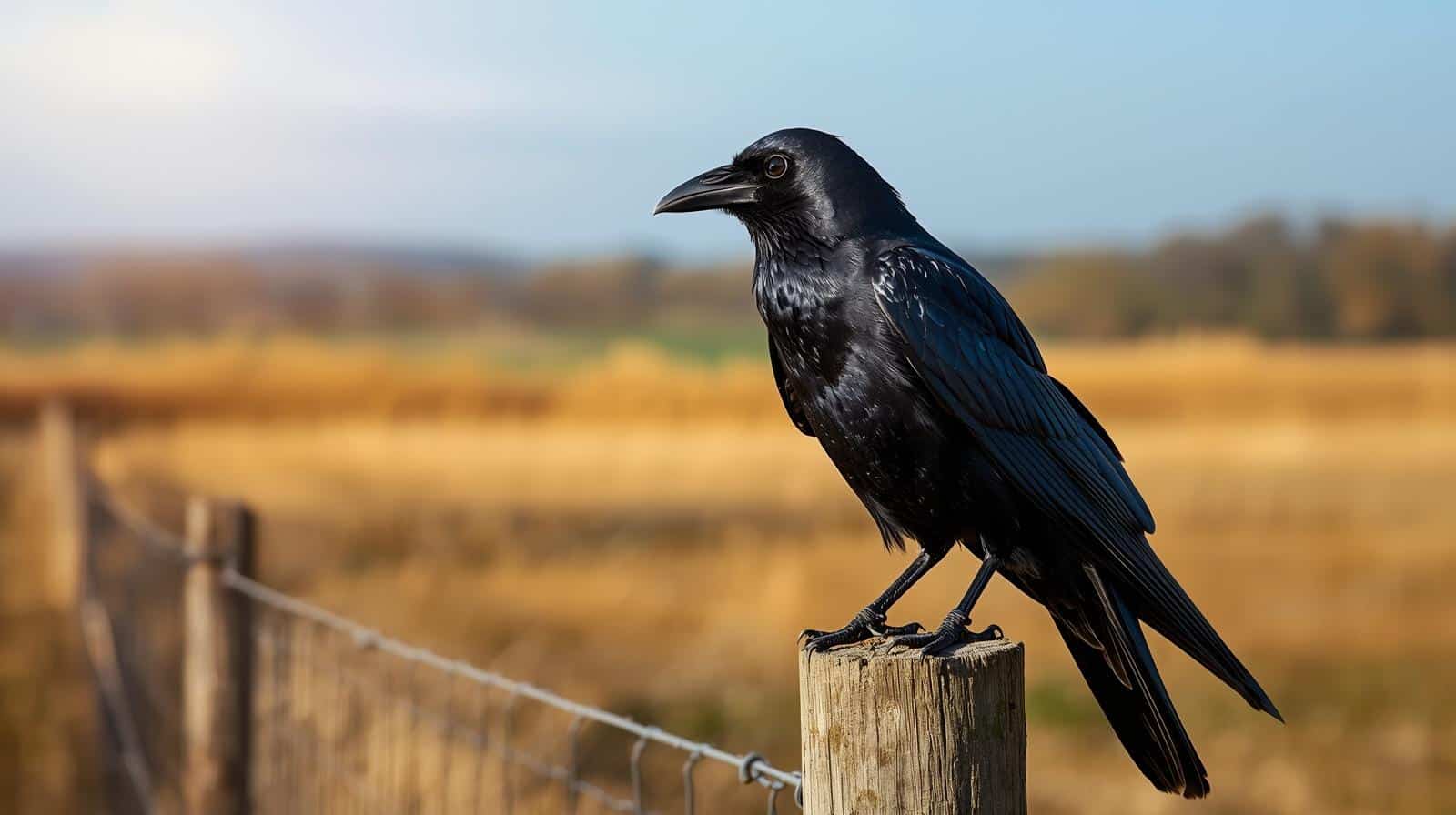
Is a Crow a Perching Bird? Facts About Their Feet and Behavior
Have you ever stopped to wonder where crows fit in the bird world? You might see them perched on trees, wires, or rooftops and ask yourself, “Is a crow a perching bird?”
This raises the question, is a crow a perching bird? It’s important to note how crows exhibit behavior typical of perching birds.
Understanding this can change the way you see these clever creatures every day. You’ll discover the surprising answer and learn what makes crows unique among birds. Keep reading to uncover facts that will make you look at crows with fresh eyes.
Crow Classification
Crows are common birds known for their intelligence. They belong to a group of birds called perching birds.
So, is a crow a perching bird? Yes, their feet structure aligns with typical perching birds, allowing them to perch effortlessly.
This group includes many birds that rest on branches or wires. Understanding crow classification helps us learn their habits.
What Makes A Bird A Percher
Perching birds have special feet with three toes pointing forward. One toe points backward to hold branches tightly.
This toe arrangement helps birds balance while sitting on narrow places. Most songbirds and crows share this trait.
- Three toes face forward
- One toe faces backward
- Strong grip for perching
- Helps balance on branches
Crow’s Place In Bird Families
Crows belong to the Corvidae family. This family includes ravens, magpies, and jays.
All birds in this family are perching birds. They share similar feet and behaviors for resting and hunting.
When considering classification, it is clear that the question of whether a crow is a perching bird has a definitive answer.
- Family: Corvidae
- Includes crows, ravens, magpies, jays
- All are perching birds
- Known for intelligence and social behavior
Crow Behavior
Crows are part of the perching bird group, also called passerines. They show many interesting behaviors that help them survive.
This behavior leads us to examine if a crow is a perching bird in the broader category of passerines.
Understanding crow behavior helps us learn how they live and interact with nature.
Perching Habits
Crows often perch on tree branches, wires, and poles. They use their strong feet to grip tightly.
By observing their habits, we can conclude that a crow is indeed a perching bird.
They like high places where they can watch for food and danger. Perching helps them rest and stay alert.
- Use feet to hold firmly
- Choose high, open spots
- Stay alert while resting
Flight Patterns
Crows fly with steady wing beats and glide between flaps. Their flight looks smooth and controlled.
They fly alone or in groups, often moving to find food or new places to perch. Flight helps them avoid predators.
- Steady wing beats with glides
- Fly solo or in flocks
- Use flight to find food and safety
Nesting Preferences
Crows build nests high in trees or tall shrubs. They use sticks and soft materials to make a safe place.
This nesting behavior further supports the idea that a crow is a perching bird.
Nests are often reused each year. Crows protect their nests by staying close and calling loudly when threatened.
- Build nests in tall trees or shrubs
- Use sticks and soft materials
- Reuse nests yearly
- Guard nests with loud calls
Physical Traits
Crows have special physical traits that help them perch on branches. Their feet and body are designed for balance and grip.
The physical traits of crows clearly indicate that a crow is a perching bird.
These traits make crows good at holding onto narrow surfaces and staying steady in trees or wires.
Feet And Claw Structure
Crows have strong feet with a unique claw arrangement. This helps them grab branches tightly.
- They have four toes on each foot.
- Three toes point forward, and one points backward.
- This toe arrangement is called anisodactyl.
- The backward toe acts like a hook for better grip.
- Sharp claws help them hold onto rough surfaces.
Body Adaptations For Perching
| Adaptation | Benefit |
|---|---|
| Lightweight Body | Makes balancing easier on thin branches |
| Strong Leg Muscles | Helps grip and hold position firmly |
| Flexible Joints | Allow adjustment to branch shape and size |
| Tail Feathers | Provide extra balance during movement |
All these body features work together to help crows perch safely and comfortably.
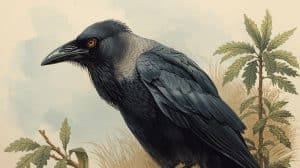
Comparing Crows To Other Birds
Crows belong to a group called perching birds. These birds have feet that help them sit on branches easily. Many birds share this trait, but crows have unique features too.
In comparing various characteristics, it’s evident that the question of is a crow a perching bird is answered affirmatively.
Looking at how crows differ or match with other birds can help us understand their place in nature. We will see how they compare to songbirds and other perching birds.
Differences From Songbirds
Crows are larger than most songbirds. Songbirds often sing simple, sweet tunes. Crows have a louder and harsher call. Their body shape is also stronger and bulkier.
Songbirds usually eat insects and seeds. Crows have a varied diet that includes small animals and garbage. Their intelligence and problem-solving skills are higher than many songbirds.
- Crows are bigger and stronger than songbirds
- Crows have loud, harsh calls; songbirds sing melodies
- Crows eat a wider range of food
- Crows show more intelligence and problem solving
Similarities With Other Perching Birds
Crows and other perching birds share special feet. They have three toes forward and one backward. This helps them grab branches tightly and rest without falling.
Both crows and many perching birds build nests in trees. They use twigs and leaves. They also care for their young until they can fly and find food themselves.
- Both have feet adapted for perching
- Both build nests in trees using similar materials
- Both care for their young carefully
- Both belong to the order Passeriformes
Surprising Crow Facts
With their intelligence and adaptability, the answer to is a crow a perching bird becomes increasingly clear.
Crows are common birds you see in many places. They are part of the perching bird group. These birds are smart and have unique habits.
This article shares interesting facts about their intelligence, social life, and their role in nature.
Intelligence And Problem Solving
Crows show a high level of intelligence. They can solve puzzles and use tools to get food. Some crows even remember human faces.
- Use sticks to reach food in tight spots
- Drop nuts on roads for cars to crack
- Plan ahead by hiding food for later
- Recognize and avoid dangerous people
Social Behavior And Communication
Crows live in groups called murders. They talk to each other with different calls. These calls warn about danger or call friends.
| Type of Call | Purpose |
| Alarm Call | Warn others of danger |
| Contact Call | Keep in touch with group |
| Food Call | Signal food found |
| Greeting Call | Welcome other crows |
Role In Ecosystems
Crows help keep nature clean. They eat dead animals and insects. This stops disease and helps plants grow.
How Crows Help Nature:
- Eat pests that harm crops
- Spread seeds by dropping fruits
- Clean up carrion to reduce disease
- Serve as food for larger animals
What Is A Perching Bird?
A perching bird, or passerine, belongs to the order Passeriformes. They have three toes forward and one backward, enabling them to grip branches tightly.
Are Crows Classified As Perching Birds?
Yes, crows are classified as perching birds. They belong to the passerine order, sharing traits like toe arrangement and vocal abilities.
How Do Crows Use Their Perching Ability?
Crows use their strong toes to grip branches securely. This helps them rest, hunt, and watch for predators from elevated spots.
Why Are Crows Considered Intelligent Perching Birds?
Crows demonstrate problem-solving skills and tool use. Their intelligence is linked to brain size and social behavior, common in many passerines.
Finally, their abilities reinforce the conclusion: yes, a crow is a perching bird.
Conclusion
Crows are indeed perching birds. The question, is a crow a perching bird, is answered by their strong, versatile feet. These help them balance on branches with ease. Known for their intelligence, crows adapt quickly. They thrive in various environments. Observing their behavior can be fascinating. Crows communicate with complex calls and signals.
This social interaction sets them apart. Therefore, to reiterate, a crow is a perching bird. Their adaptability and skills ensure survival. By understanding crows, we learn about bird diversity. Their role in ecosystems is significant. They contribute to nature’s balance. Next time you see a crow, appreciate its uniqueness.
These birds, particularly, when answering the question, is a crow a perching bird, are more than just black feathers. They are nature’s intriguing creatures.