Are you worried about your pet bird’s health? You might have heard about Avian Pox and wondered if it can spread easily.
Understanding whether Avian Pox is contagious is key to keeping your feathered friend safe. You’ll discover how this disease spreads, what signs to watch for, and simple steps you can take to protect your birds. Keep reading to learn everything you need to know to stay one step ahead and keep your birds healthy and happy.
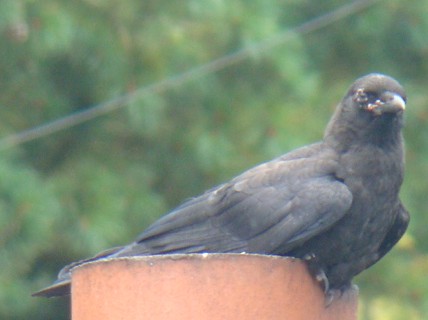
Credit: corvidresearch.blog
What Is Avian Pox
Avian pox is a viral disease that affects birds. It causes skin growths and sores on their bodies.
The disease spreads through bites from insects or contact with infected birds. It can harm wild and pet birds.
Types Of Avian Pox
There are two main types of avian pox. Each type affects birds differently and shows different symptoms.
The first type is called the dry form. It causes wart-like growths on the bird’s skin, usually on the head or legs.
The second type is the wet form. This affects the mouth, throat, and respiratory system. It makes it hard for birds to breathe or eat.
- Dry form: skin growths and scabs
- Wet form: sores inside mouth and throat
Common Symptoms In Birds
Birds with avian pox show clear signs that help identify the disease. The symptoms vary by the type of avian pox.
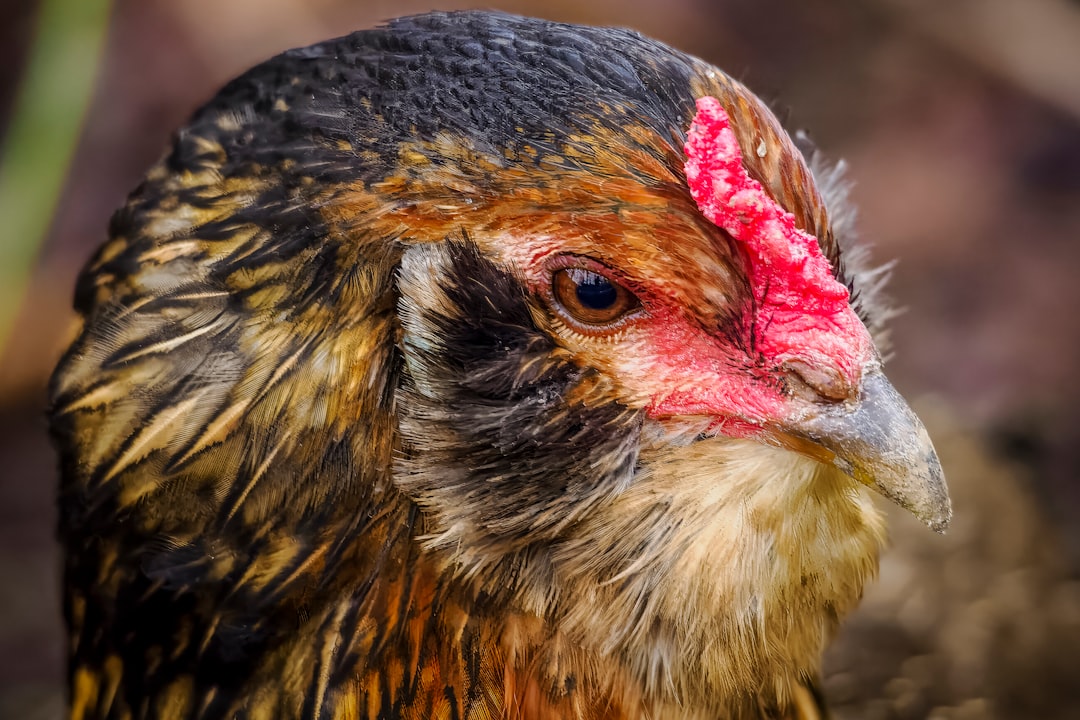
In the dry form, birds have crusty sores on their feet, legs, and face. These sores look like small bumps or scabs.
In the wet form, birds may have trouble eating or breathing. They may also have swelling inside their mouth and throat.
- Crusty sores on feet, legs, and face
- Swelling inside mouth and throat
- Difficulty eating or breathing
- Weakness and less activity
How Avian Pox Spreads
Avian pox is a virus that affects many birds. It spreads in different ways, making it easy to catch.
Understanding how avian pox spreads can help protect birds from infection and control outbreaks.
Direct Contact Transmission
Birds can get avian pox by touching infected birds. The virus passes through broken skin or wounds.
Close contact in nests or feeders increases the chance of spreading the virus.
Role Of Insects And Vectors
Insects like mosquitoes carry the avian pox virus. They bite infected birds and then bite healthy ones.
These insects spread the virus quickly, especially in warm and wet conditions.
- Mosquitoes are the main carriers
- Other blood-sucking insects can spread the virus
- Insect control helps reduce infections
Environmental Contamination
Avian pox virus can survive in the environment for some time. Birds pick it up from contaminated surfaces.
Shared water, feeders, and perches may hold the virus and spread it to healthy birds.
- Virus lives longer in dry, cool places
- Cleaning bird feeders reduces risk
- Avoid overcrowding to limit spread
Bird Species At Risk
Avian pox is a viral disease that affects many types of birds. It spreads through direct contact or insect bites. Some bird species are more at risk than others.
Understanding which birds get avian pox helps protect them better. It also helps control the disease's spread in wild and domestic populations.
Domestic Birds
Domestic birds like chickens and turkeys can catch avian pox easily. The disease often causes sores on their skin and can reduce egg production. Backyard flocks may be at risk if hygiene is poor.
Birds kept close together spread the virus faster. Infected birds should be isolated to stop the virus from spreading. Vaccines are available for some domestic birds to help control avian pox.
- Chickens
- Turkeys
- Ducks
- Quail
Wild Birds
Wild birds can get avian pox too. Birds like pigeons, sparrows, and crows often show signs of the disease. In wild birds, avian pox can cause skin lesions and affect their ability to feed.
In some areas, outbreaks in wild birds can spread quickly. Mosquitoes often carry the virus between birds. Protecting wild bird habitats can help reduce infection rates.
- Pigeons
- Sparrows
- Crows
- Finches
- Warblers
Susceptibility Differences
Not all bird species get avian pox equally. Some birds have stronger resistance, while others are very vulnerable. Young birds usually have weaker immunity and get sicker.
Environmental factors like temperature and mosquito presence affect how easily birds catch the virus. Birds in warm, wet areas may face higher risks. Stress and poor nutrition also make birds more vulnerable.
| Bird Type | Susceptibility Level | Common Symptoms |
|---|---|---|
| Young Chickens | High | Skin lesions, reduced growth |
| Adult Chickens | Medium | Mild sores, sometimes no symptoms |
| Wild Sparrows | High | Lesions on face and legs |
| Adult Pigeons | Low to Medium | Occasional skin nodules |
| Ducks | Low | Rarely show symptoms |
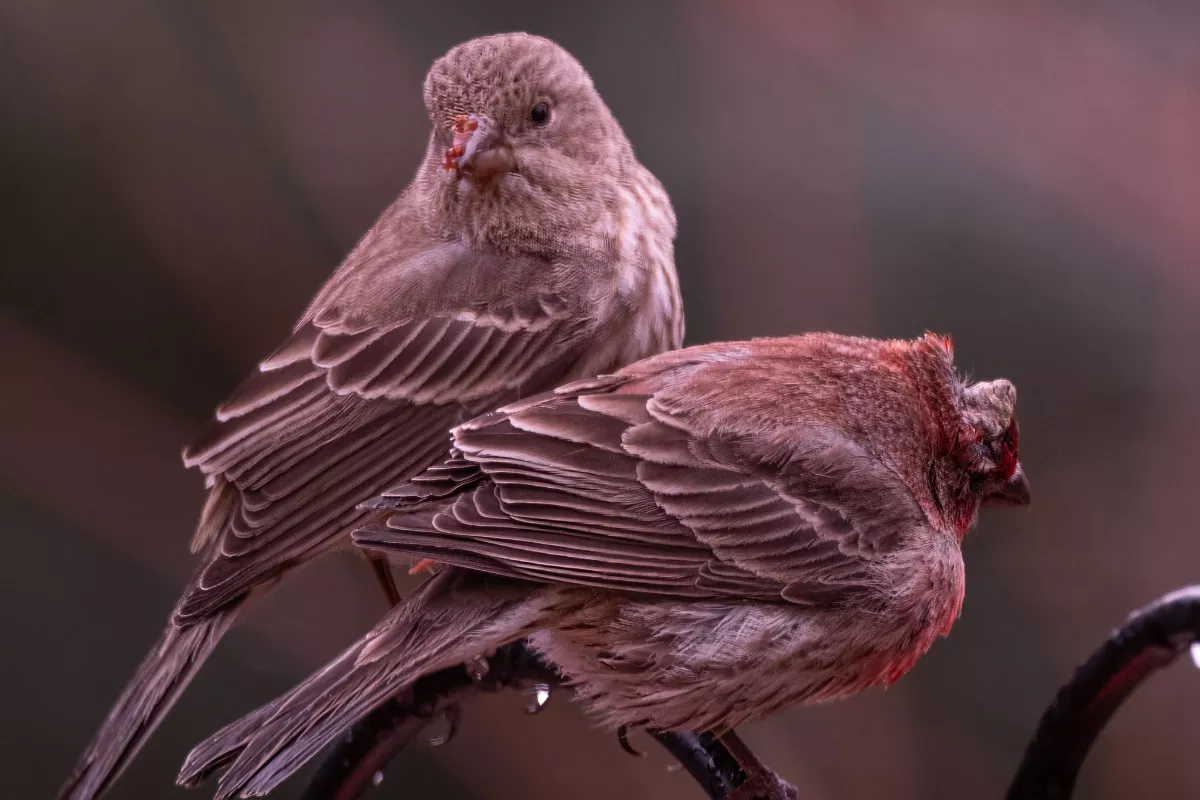
Credit: www.westword.com
Signs Of Infection To Watch For
Avian pox is a viral infection that affects birds. It spreads through contact or insect bites. Early signs help in managing the disease.
Look closely at your birds for unusual changes. Catching signs early may prevent serious harm.
Skin Lesions And Growths
One of the main signs of avian pox is skin problems. Birds may develop sores or raised bumps on their skin.
- Scaly or crusty areas on the legs or feet
- Wart-like growths around the eyes, beak, or neck
- Ulcers or open wounds that may bleed
- Thickened skin patches that look rough
Respiratory Issues
Avian pox can also affect breathing. Birds may show trouble breathing or other respiratory signs.
| Symptom | Description |
| Coughing | Birds may cough often or loudly |
| Labored Breathing | Breathing appears hard or fast |
| Runny Nose | Discharge from the nostrils |
| Swelling | Swelling around the throat or face |
Behavioral Changes
Infected birds often act differently. Watch for changes in their normal habits.
- Less active and more tired than usual
- Reduced appetite or refusal to eat
- Isolating from other birds
- Unusual vocal sounds or silence
Preventing Avian Pox In Birds
Avian pox is a disease that can spread among birds. It causes sores and can make birds sick. Preventing this disease helps keep birds healthy and safe.
There are simple ways to stop avian pox from spreading. These include keeping areas clean, controlling insects, and isolating sick birds.
Maintaining Clean Environments
Clean bird cages and outdoor areas often. Dirt and waste can hold viruses and germs. Regular cleaning lowers the chance of infection.
Use safe cleaning products and fresh water. Remove old food and droppings daily. Clean surfaces where birds sit or sleep.
- Wash cages weekly with warm soapy water
- Change water and food bowls every day
- Clear away bird droppings regularly
- Keep bedding dry and fresh
Controlling Insect Vectors
Insects like mosquitoes spread avian pox. Stopping these bugs lowers the risk of disease. Use nets and screens to keep insects away from birds.
Remove standing water where mosquitoes breed. Use insect sprays safe for birds. Check birds daily for insect bites or irritation.
- Install fine mesh screens on cages
- Empty containers holding water around bird areas
- Use bird-safe insect repellents as needed
- Keep outdoor lights off at night to reduce insects
Isolation And Quarantine Practices
Keep new or sick birds separate from healthy ones. Isolation stops avian pox from spreading. Watch new birds for signs of illness before mixing them.
Quarantine birds for at least two weeks. Monitor their health closely. Move sick birds to a clean area until they recover.
- Set up a separate cage for new arrivals
- Check birds daily for sores or lethargy
- Do not share food or water bowls between groups
- Clean quarantine areas thoroughly after use
Treatment Options For Avian Pox
Avian pox is a viral disease that affects birds. It causes lesions on the skin and inside the mouth. Treating avian pox helps reduce symptoms and speeds recovery.
This guide covers ways to care for birds with avian pox. It explains supportive care, medical treatments, and vaccine options.
Supportive Care Strategies
Supportive care helps birds stay strong while fighting the virus. Keeping birds comfortable is very important during this time.
- Provide fresh water daily to keep birds hydrated
- Offer soft foods that are easy to eat
- Keep the living area clean and dry to prevent infections
- Reduce stress by minimizing noise and handling
- Isolate sick birds to stop the spread of the virus
Medical Interventions
There is no direct cure for avian pox, but some treatments help reduce symptoms. A veterinarian may suggest medications to prevent secondary infections.
| Treatment | Description |
| Antibiotics | Used to treat bacterial infections from open sores |
| Topical Ointments | Applied to lesions to keep wounds clean |
| Pain Relievers | Help reduce discomfort and swelling |
| Vitamin Supplements | Support immune system strength |
Vaccination Possibilities
Vaccines can protect birds from avian pox. Vaccination is common in poultry farms and bird sanctuaries to reduce outbreaks.
Key points about avian pox vaccines:
- Vaccines use a weakened virus to build immunity
- Birds should be vaccinated before exposure to the virus
- Follow veterinarian advice for vaccine schedules
- Vaccines do not cure sick birds but prevent new cases
When To Seek Veterinary Help
Avian pox is a viral disease that affects birds. It can spread through contact or insect bites. Knowing when to see a vet is important for your bird’s health.
Early treatment can prevent serious problems. Watch your bird closely for signs of illness. This guide helps you decide when to get veterinary care.
Critical Symptoms
Look for sores or scabs on the bird's skin, especially on the head and legs. Swelling or lumps around the eyes and beak are signs too.
If your bird stops eating or drinking, or seems very weak, seek help right away. Difficulty breathing or eye infections need urgent care.
- Scabby or wart-like growths
- Swelling near eyes or beak
- Loss of appetite
- Breathing problems
- Weakness or lethargy
Diagnostic Procedures
A vet will examine your bird’s skin and feathers carefully. They may take a small skin sample to test for the virus.
Blood tests can check the bird’s overall health. Sometimes, the vet will look for other infections that cause similar symptoms.
- Physical exam of skin lesions
- Skin biopsy or scraping
- Blood tests for infection
- Testing for other diseases
Follow-up Care
After diagnosis, your vet will guide you on treatment and care. Follow their instructions to help your bird heal well.
Keep your bird in a clean, quiet place. Watch for changes and take your bird back for check-ups as the vet suggests.
- Use prescribed medications properly
- Maintain good hygiene in the bird's area
- Monitor for new or worsening symptoms
- Attend all follow-up vet appointments

Credit: www.reddit.com
Myths And Facts About Avian Pox
Avian pox is a disease that affects birds. Many people have questions about how it spreads and if it can harm humans.
This article clears up common myths and shares facts about avian pox. It covers how the disease spreads and if home remedies help.
Contagiousness To Humans
Avian pox does not spread to humans. It only affects birds. People cannot catch it by touching or being near infected birds.
Bird owners should still practice good hygiene. Washing hands after handling birds helps prevent other infections.
Transmission Between Bird Species
Avian pox spreads mainly through biting insects like mosquitoes. It can also spread by contact with infected birds or surfaces.
- Direct contact with sores on infected birds
- Bites from mosquitoes or other blood-feeding insects
- Touching contaminated feeders or perches
- Close living conditions increase risk
Different bird species can catch avian pox if they share the same environment. Wild and pet birds can both get infected.
Effectiveness Of Home Remedies
| Home Remedy | Effectiveness | Notes |
| Honey application | Limited | May soothe sores but does not cure |
| Herbal pastes | Unproven | No scientific evidence supports use |
| Vinegar cleaning | Not effective | May irritate bird skin |
| Veterinary care | Recommended | Best chance for recovery |
Home remedies might help birds feel better, but they do not cure avian pox. A vet can provide proper treatment and advice.
Frequently Asked Questions
Is Avian Pox Contagious To Other Birds?
Yes, Avian Pox is contagious among birds. It spreads through direct contact, infected mosquitoes, and contaminated surfaces. Birds in close proximity are at higher risk.
Can Avian Pox Infect Humans Or Pets?
No, Avian Pox is species-specific. It only affects birds and does not infect humans or domestic pets like cats and dogs.
How Does Avian Pox Spread Among Bird Populations?
Avian Pox spreads mainly through mosquito bites, direct contact with infected birds, and contact with contaminated feeders or water sources.
What Are The Symptoms Of Avian Pox In Birds?
Symptoms include wart-like growths on skin, lesions in the mouth, difficulty breathing, and decreased appetite. Early detection helps control spread.
Conclusion
Avian pox spreads among birds through direct contact. Insects also play a role in transmission. Wild and domestic birds can both be affected. Keep bird feeders clean to reduce risk. Regularly monitor birds for any signs of infection. Quick action helps control the spread.
Consult a vet if you suspect avian pox. Protecting bird populations is crucial for maintaining balance. Awareness and prevention make a big difference. Understanding avian pox's nature is key. Stay informed and help keep birds healthy.