Is Bird Seed Safe for Birds? Nutritional Benefits, Risks, and Feeding Tips
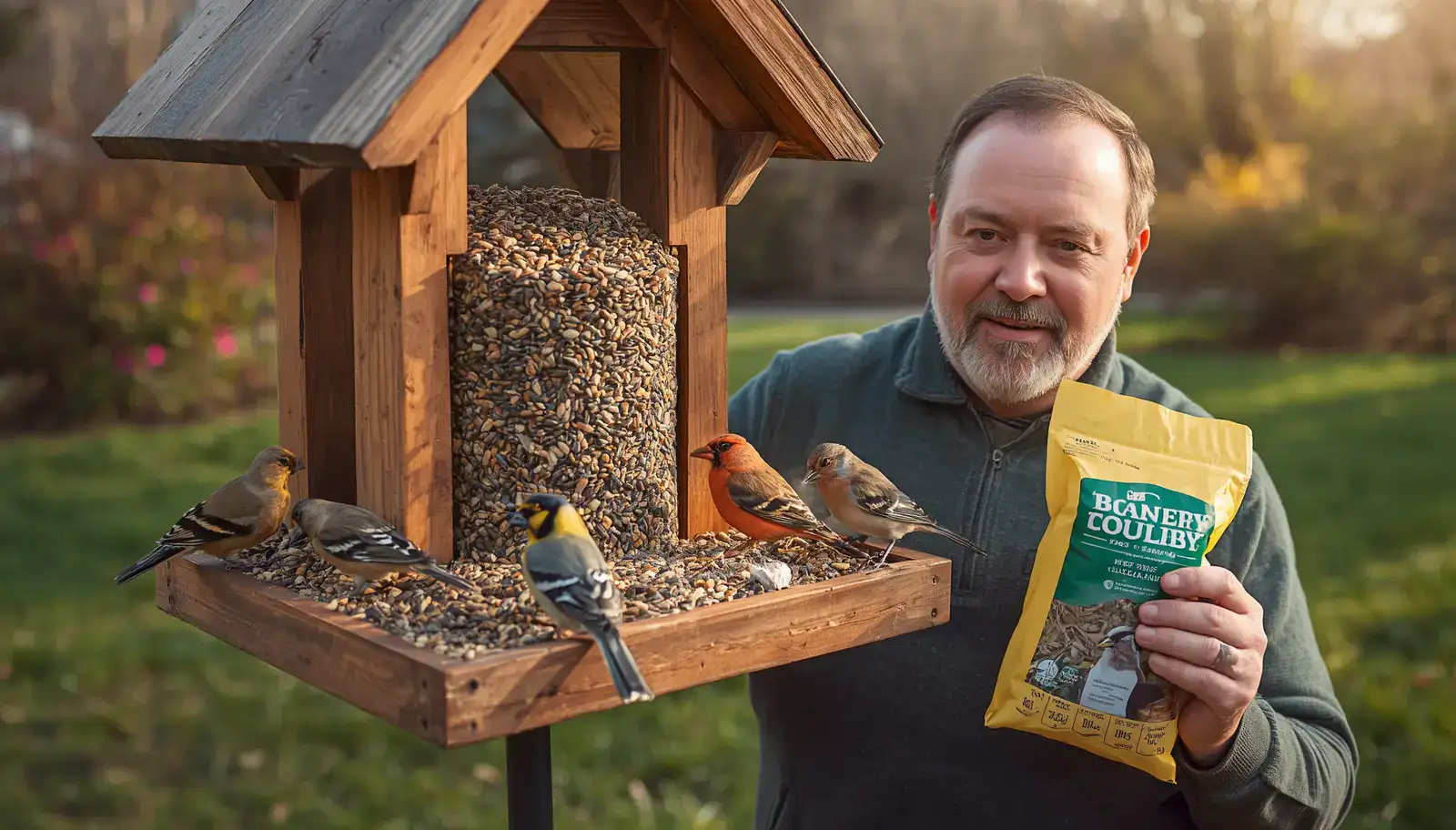
When you fill your bird feeder, you probably think about the joy of watching birds flock to it. But have you ever wondered if the bird seed you’re using is truly safe for your feathered visitors?
Understanding if bird seed is safe for birds is essential for their well-being.
It’s a question that might not cross your mind every day, yet it’s crucial to ensuring their health and wellbeing. You care about these beautiful creatures, and the last thing you want is to inadvertently harm them. So, what’s really in that bag of bird seed?
Many pet owners ask, is bird seed safe for birds, and the answer lies in the ingredients used.
Is it nourishing and safe, or could it be doing more harm than good? Let’s dive into the world of bird seed to uncover the truth and help you make the best choice for your backyard friends. After all, ensuring the safety of your avian visitors is not just about putting out food; it’s about choosing the right food. Stay with us as we explore the facts and myths, and empower you to make informed decisions that benefit you and your beloved birds.
So, let’s answer the pressing question: Is bird seed safe for birds? We will clarify common misconceptions.
Types Of Bird Seed
Bird seeds come in many types. Each seed suits different birds and their needs.
Knowing the types helps you pick safe and healthy seeds for your birds.
Common Seeds For Pet Birds
Pet birds eat a variety of seeds. These seeds give them energy and nutrients.
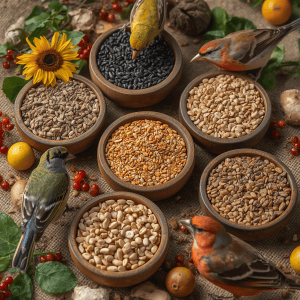
Some common seeds for pet birds include sunflower, millet, and safflower seeds.
- Sunflower seeds: High in fat and energy
- Millet: Small, easy to eat, rich in carbohydrates
- Safflower seeds: Bitter taste, good for picky eaters
- Canary seed: Popular for small birds like canaries and finches
- Nyjer seed: Tiny seeds loved by finches and small wild birds
Wild Bird Seed Varieties
Wild birds eat different seeds than pet birds. Their seeds are often mixed for variety.
Common wild bird seed mixes include sunflower seeds, cracked corn, and millet.
- Black oil sunflower seeds: Favorite of many wild birds
- Cracked corn: Good for larger birds like pigeons and doves
- White proso millet: Small seed for sparrows and juncos
- Peanuts: High in protein, loved by woodpeckers and jays
- Safflower seeds: Avoided by squirrels, good for some wild birds
Nutritional Differences
Different seeds offer different nutrients. Birds need a mix for good health.
Some seeds are high in fat, while others give protein or carbohydrates.
| Seed Type | Main Nutrients | Birds That Eat It |
|---|---|---|
| Sunflower | Fat, protein | Many pet and wild birds |
| Millet | Carbohydrates | Small birds like finches and sparrows |
| Safflower | Fat, protein | Cardinals, chickadees |
| Cracked corn | Carbohydrates | Pigeons, doves, larger birds |
| Peanuts | Protein, fat | Woodpeckers, jays |
Health Benefits Of Bird Seed
So, is bird seed safe for birds? The answer depends on the type of seeds and their quality.
Bird seed is a common food for many wild and pet birds. It provides important nutrients that help birds stay healthy. Feeding bird seed can support their growth and well-being.
It’s crucial to ensure that the bird seed you choose is safe for birds, promoting their health and vitality.
Bird seed contains a mix of grains, nuts, and sometimes dried fruits. These ingredients give birds energy and essential vitamins. Knowing what bird seed offers helps you care for birds better.
Essential Nutrients Provided
Bird seed contains many nutrients birds need to live well. These include proteins, fats, vitamins, and minerals. Each nutrient plays a role in keeping birds strong and healthy.
- Proteins help build muscles and feathers
- Fats provide energy and keep feathers shiny
- Vitamins support the immune system
- Minerals strengthen bones and beaks
Role In Bird Diets
Bird seed is a key part of many birds’ diets. Wild birds eat seeds to survive through all seasons. Pet birds rely on seed mixes as their main food source.
Seeds provide balanced nutrition when mixed well. Birds pick different seeds to meet their needs. This variety helps them get all the nutrients they require.
Energy And Vitality Support
Bird seed gives birds the energy to fly and stay active. The fats and carbohydrates in seeds fuel their daily activities. Good energy keeps birds lively and alert.
Healthy birds have bright feathers and strong bodies. Feeding bird seed regularly helps birds maintain their vitality. This support is important during cold or breeding seasons.
Risks And Concerns
Bird seed is common food for wild and pet birds. Many people wonder if it is always safe to feed birds. Some risks and concerns come with feeding bird seed.
To answer the question, is bird seed safe for birds, it is vital to examine potential contaminants that may occur.
Understanding these risks helps keep birds healthy. It is important to know what to watch for and what to avoid.
Potential Contaminants
Bird seed can sometimes contain harmful substances. Dirt, mold, or bacteria may grow on old or wet seeds. These can make birds sick.
Seeds may also have pesticides or chemicals from farming. These toxins can harm birds if eaten in large amounts.
- Mold can cause respiratory problems in birds
- Bacteria may lead to infections
- Pesticide residues can be toxic
Seeds To Avoid
Not all seeds are good for birds. Some seeds can be hard to digest or cause health issues. Avoid giving birds seeds that may be harmful.
When addressing is bird seed safe for birds, it’s essential to consider harmful seeds that should be avoided.
Certain seeds have toxins or are too large for some birds. These seeds can block their digestive systems or cause poisoning.
- Apple seeds – contain cyanide and are toxic
- Avocado seeds – toxic to many bird species
- Unhulled sunflower seeds – hard to digest
- Rhubarb seeds – contain oxalates harmful to birds
Allergies And Sensitivities
Some birds have allergies or sensitivities to certain seeds. These can cause skin problems or digestive upset. Watch for signs of discomfort after feeding new seeds.
Each bird species may react differently to seed types. Start with small amounts when trying new seed blends. Remove seeds that cause reactions.
- Itching or feather loss
- Diarrhea or vomiting
- Swelling around eyes or beak
- Changes in behavior or appetite
Proper Storage And Handling
Bird seed is a common food for many wild and pet birds. To keep birds healthy, it is important to store and handle the seed properly. Proper care can stop the seed from going bad.
To maintain safety, always ask: is bird seed safe for birds before making your purchase.
Good storage and handling protect the seed from pests, moisture, and dirt. This helps keep the seed fresh and safe for birds to eat.
Preventing Mold And Spoilage
Mold grows on bird seed if it gets wet or stays damp. Moldy seed can hurt birds by causing sickness.
Keep bird seed dry and check it often for mold. If you see mold, throw the seed away immediately.
- Store seed in a dry place
- Use containers that close tightly
- Avoid touching seed with wet hands
- Clean feeders regularly to stop mold growth
Safe Storage Tips
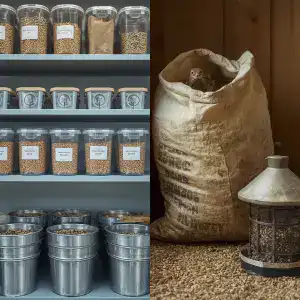
Store bird seed in a cool and dry spot. Avoid places with direct sunlight or high heat. Sunlight and heat can damage the seed.
Use containers made of plastic, metal, or glass. Make sure they have tight lids to keep out moisture and pests.
- Keep seed off the ground
- Use airtight containers
- Label containers with the date of purchase
- Keep seed away from rodents and insects
Shelf Life Of Bird Seed
Bird seed lasts longer when stored well. Most seeds stay good for about six months. Some types may last up to a year.
Old seed loses nutrients and can attract pests. Use seed within the shelf life for best results.
| Type of Seed | Approximate Shelf Life |
|---|---|
| Black Oil Sunflower | 6-12 months |
| Millet | 6-9 months |
| Nyjer (Thistle) | 6-12 months |
| Mixed Seed | 4-6 months |
Feeding Tips For Owners
Feeding birds the right foods keeps them healthy and happy. Bird seed is a common choice, but it is best to know how to use it safely.
This guide shares tips on feeding birds with seed and other foods. It also covers avoiding overfeeding and watching bird health.
Balancing Seed With Other Foods
Seeds alone do not give birds all the nutrients they need. Offer a mix of foods for a balanced diet.
- Include fresh fruits like apples and berries.
- Add vegetables such as peas and carrots.
- Provide pellets made for birds to ensure vitamins.
- Use clean water daily for drinking and bathing.
Avoiding Overfeeding
Too much seed can lead to health problems. Feed birds the right amount to keep them fit.
| Bird Size | Daily Seed Amount |
| Small birds (finches, canaries) | 1 to 2 teaspoons |
| Medium birds (parakeets, cockatiels) | 1 to 2 tablespoons |
| Large birds (parrots, macaws) | 2 to 4 tablespoons |
Monitoring Bird Health
Watch your bird for signs of good health. Change feeding if you see problems.
- Check feathers for shine and smoothness.
- Look for clear eyes and clean nostrils.
- Note energy levels and activity.
- Observe droppings for normal color and texture.
- Visit a vet if your bird looks sick or acts strange.
Alternatives To Traditional Bird Seed
Many bird owners look for safe and healthy food options. Traditional bird seed is common, but other choices can offer better nutrition.
These alternatives can keep birds active and healthy. They also add variety to their diet.
Pellets And Formulated Diets
Pellets are made to give birds balanced nutrition. They include vitamins and minerals birds need daily.
Formulated diets reduce the chance of picky eating. Birds get all nutrients without missing important parts.
Fresh Foods And Treats
Fresh fruits and vegetables add vitamins and water to birds’ diets. They also offer a change in texture and taste.
- Chopped apples (no seeds)
- Carrot slices
- Leafy greens like spinach or kale
- Berries such as blueberries or strawberries
- Cooked sweet potatoes
Always wash fresh foods well. Remove any parts that may harm birds, like fruit seeds or pits.
Homemade Seed Mixes
Making your own seed mix can control ingredients and avoid fillers. You can add safe seeds and grains.
| Seed Type | Benefit |
| Millet | Easy to digest |
| Sunflower seeds | High in fat for energy |
| Flaxseed | Good source of omega-3 |
| Oats | Rich in fiber |
| Quinoa | Complete protein |
Frequently Asked Questions
Is Bird Seed Safe For All Types Of Birds?
Most bird seeds are safe for common wild birds. However, some seeds can harm specific species. Always choose seed blends suited to your local birds for safety and nutrition.
Can Moldy Bird Seed Harm Birds?
Yes, moldy bird seed can be toxic to birds. Mold produces harmful toxins that may cause illness or death. Always store seed in a dry, cool place and discard any moldy batches.
So, is bird seed safe for birds? Understanding the risks of moldy seeds is crucial for their health.
What Seeds Are Best For Feeding Wild Birds?
Sunflower seeds, millet, and nyjer seeds are popular and nutritious. These seeds attract a variety of birds and provide essential nutrients for their health and energy.
How Often Should I Clean Bird Feeders?
Clean feeders every two weeks to prevent disease. Use warm, soapy water, rinse thoroughly, and dry before refilling. Regular cleaning keeps birds healthy and feeder safe.
Conclusion
Bird seed can be safe for birds if chosen carefully. Always pick fresh, clean seeds without mold or chemicals. Different birds like different seeds, so provide variety. Avoid spoiled or old seeds to protect their health. Clean feeders often to stop diseases from spreading.
In conclusion, ensuring is bird seed safe for birds requires careful selection and preparation.
Offering the right bird seed helps birds stay healthy and happy. Watching birds enjoy safe food brings joy to nature lovers. Keep these tips in mind to support local birds well. Safe feeding means happy birds and a lively garden.
By considering the question, is bird seed safe for birds, you can help maintain a safe environment for them.