
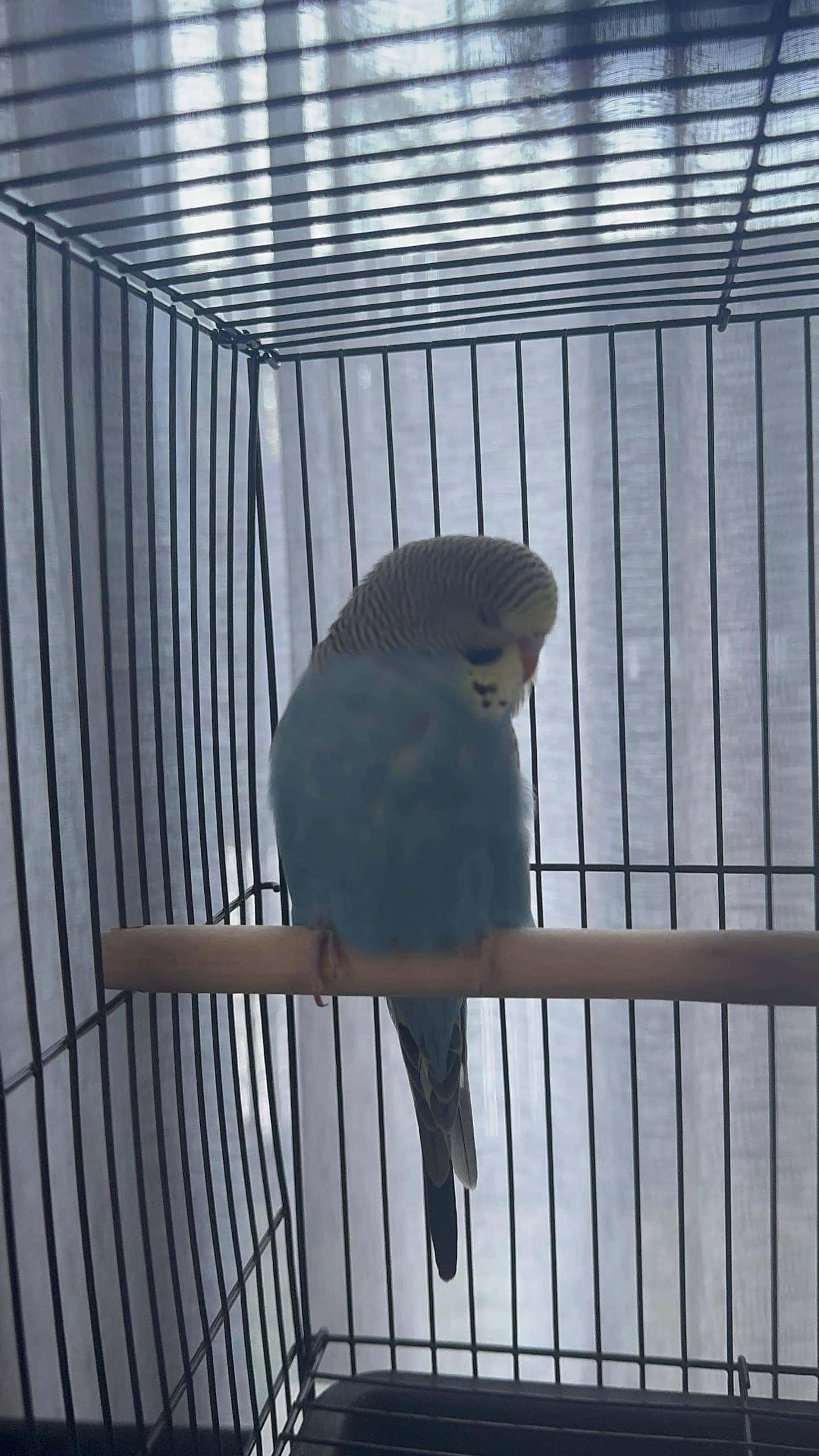
Is It Critical to Quarantine a New Bird? What Every Owner Should Know
Bringing a new bird into your home can be exciting, but have you stopped to think if you need to quarantine it first? You might wonder if this step is really necessary or just extra hassle. Is It Critical to Quarantine a New Bird? This question is vital for your bird’s health.
The truth is, skipping quarantine could put your current birds—and your peace of mind—at risk. You’ll discover why quarantining is often critical, how it protects your feathered friends, and simple steps you can take to keep everyone healthy. Read on to make the best choice for your birds and your home.
Understanding if Is It Critical to Quarantine a New Bird is essential can help prevent severe health issues for your existing birds.

Credit: www.reddit.com
Reasons To Quarantine New Birds
The answer to the question, Is It Critical to Quarantine a New Bird, lies in the importance of safeguarding your flock.
Bringing a new bird home is exciting. Quarantining helps keep all birds safe and healthy.
Quarantine means keeping the new bird separate for some time. This prevents problems for your current birds.
The practice of Is It Critical to Quarantine a New Bird is often overlooked, but it is crucial.
Preventing Disease Spread
New birds may carry diseases that are not visible. Quarantine stops germs from spreading to your other birds.
To answer the question, Is It Critical to Quarantine a New Bird, consider the potential diseases that can affect your flock.
This time lets you watch for signs of illness before mixing birds. It lowers the risk of an outbreak.
- Birds can carry viruses or bacteria without symptoms
Understanding if Is It Critical to Quarantine a New Bird is necessary can save you from future complications.
- Some diseases spread quickly through a flock
- Quarantine keeps your birds safe from infections
Monitoring Bird Health
Ask yourself, Is It Critical to Quarantine a New Bird? The answer is a resounding yes for health safety.
Quarantine allows close observation of the new bird’s health. You can check eating, droppings, and behavior.
Early signs of sickness are easier to spot in quarantine. This helps you get vet care quickly if needed.
This is pivotal when addressing whether Is It Critical to Quarantine a New Bird before introducing it to other birds.
- Watch for changes in appetite or energy
- Look for unusual droppings or feathers
- Catch illnesses early to protect all birds
Adjusting To New Environment
New birds need time to get used to their new home. Quarantine gives them a quiet, safe space to settle.
Ultimately, the question remains: Is It Critical to Quarantine a New Bird? Make the informed choice.
This time helps reduce stress. A calm bird is less likely to get sick and more ready to join your flock.
- New sounds and smells can be scary
- Quarantine lets birds adapt slowly
- Reduces stress and improves bird wellbeing

Credit: www.youtube.com
Ideal Quarantine Duration
Quarantining a new bird helps protect your other pets. It stops the spread of diseases. Knowing the right quarantine time is very important.
You may wonder, Is It Critical to Quarantine a New Bird? Yes, it is essential for overall health.
The ideal quarantine duration depends on many factors. These factors ensure the bird stays healthy before joining others.
Recommended Time Frames
Most experts suggest quarantining a new bird for at least 30 days. This time allows signs of illness to show. Some birds may need longer isolation.
To reiterate, Is It Critical to Quarantine a New Bird? Many experts agree on its necessity.
- Minimum 30 days for general quarantine
- 45 to 60 days if bird shows symptoms
- Longer quarantine for species prone to specific diseases
- Immediate vet check to adjust the time frame
Factors Affecting Quarantine Length
Several factors change how long quarantine should last. These include the bird’s health, species, and environment.
Remember, Is It Critical to Quarantine a New Bird? Thoroughly assess all factors before proceeding.
| Factor | Effect on Quarantine Length |
| Bird’s Age | Young or old birds may need more time |
| Species | Some species carry diseases longer |
| Previous Health History | Past illness can extend quarantine |
| Exposure to Other Birds | Recent contact may increase risk |
| Environment | Stressful settings can affect recovery |
Setting Up A Quarantine Space
Quarantining a new bird is important to keep all birds healthy. Setting up a special space helps stop diseases from spreading.
In conclusion, Is It Critical to Quarantine a New Bird is a question every bird owner should prioritize.
This space should be safe and comfortable for your new bird while it adjusts to its new home.
Choosing The Right Location
Pick a quiet, separate room away from other pets. The area should have good airflow but no drafts. Make sure the room is easy to clean and has no harmful items.
- Choose a low-traffic area
- Avoid rooms shared with other birds
- Keep the space at a steady, warm temperature
- Ensure easy access for daily care
- Check for windows that don’t let in cold air
Essential Supplies And Equipment
Gather all the supplies before bringing your bird home. This helps keep the bird safe and comfortable during quarantine.
| Supply | Purpose |
| Separate Cage | House the new bird safely |
| Food and Water Dishes | Keep fresh food and water |
| Bedding | Make the cage comfortable |
| Cleaning Supplies | Maintain hygiene in the space |
| Toys | Provide mental stimulation |
| Thermometer | Monitor room temperature |
Health Checks During Quarantine
Quarantining a new bird helps protect your current pets from illness. It allows time to watch for any signs of sickness.
The importance of asking, Is It Critical to Quarantine a New Bird, cannot be understated.
During quarantine, health checks are important. They help catch problems early and keep your birds safe.
Daily Observation Tips
Watch your new bird every day for signs of health or illness. Look for changes in behavior, eating, and droppings.
Check the bird’s eyes, feathers, and breathing closely. Healthy birds are active and alert with clean feathers.
- Notice if the bird is eating and drinking well
- Look for sneezing or nasal discharge
- Observe droppings for color or consistency changes
- Check for fluffed-up feathers or lethargy
- Watch for any unusual movements or balance issues
When To Consult A Vet
Contact a vet if your new bird shows signs of illness. Early care can prevent serious health problems.
When considering the health of your flock, remember the question: Is It Critical to Quarantine a New Bird?
Do not wait if the bird is weak, not eating, or breathing hard. These symptoms need prompt attention.
- Loss of appetite lasting more than one day
- Labored or noisy breathing
- Swollen eyes or nasal discharge
- Severe diarrhea or changes in droppings
- Weakness or inability to perch
Maintaining Hygiene And Safety
Quarantining a new bird helps keep your home birds healthy. It stops diseases from spreading. Cleanliness is key to this process.
Finally, we must ask, Is It Critical to Quarantine a New Bird? Yes, it is vital for health safety.
Good hygiene protects both your birds and your family. You must follow strict cleaning and safety rules.
Cleaning Protocols
Clean all cages and tools before and after use. Use bird-safe disinfectants to kill germs. Wash your hands well after handling birds.
- Remove waste daily from quarantine cages
- Disinfect food and water containers regularly
- Clean all surfaces with warm soapy water
- Use separate cleaning cloths for quarantine area
- Wear disposable gloves during cleaning
Preventing Cross-contamination
Keep quarantine birds away from your other birds. Use separate equipment for new birds only. Limit visitors to reduce infection risk.
| Action | Reason |
| Use separate feeding bowls | Prevents sharing germs between birds |
| Wear dedicated clothes for quarantine area | Avoids bringing germs outside the area |
| Disinfect hands before and after contact | Stops disease spread through touch |
| Keep quarantine area isolated | Limits airborne infection risk |
Introducing Birds Post-quarantine
Bringing a new bird home is exciting. After quarantine, careful introduction helps both birds adjust.
Proper introduction reduces stress and helps prevent fights between birds. It also supports healthy social behavior.
Gradual Introduction Techniques
Start by keeping the new bird in a separate cage near your existing bird. This lets them see and hear each other safely.
- Place cages side by side for a few days.
- Swap cage locations to reduce territorial behavior.
- Allow supervised out-of-cage time together.
- Watch for signs of stress or aggression.
Monitoring Behavior Changes
Watch both birds for changes in eating, vocalizing, or activity. These signs show how well they adapt.
| Behavior | What to Look For | What It Means |
| Eating | Reduced appetite | Stress or illness |
| Vocalizing | Increased loud calls | Seeking attention or anxiety |
| Activity | Hiding or aggression | Fear or territorial issues |

Credit: www.youtube.com
Frequently Asked Questions
Why Is Quarantining A New Bird Important?
Quarantining a new bird prevents spreading diseases to existing birds. It allows monitoring for signs of illness. This practice protects your entire flock and ensures a healthy environment.
How Long Should A Bird Be Quarantined?
A new bird should be quarantined for at least 30 days. This period helps detect and manage any hidden illnesses before introduction. It minimizes health risks for other birds.
What Signs Indicate A Bird Is Sick During Quarantine?
Look for symptoms like sneezing, coughing, discharge, lethargy, or loss of appetite. Early detection during quarantine allows timely treatment and prevents disease spread.
Can Quarantine Stress Affect A New Bird’s Health?
Yes, quarantine can cause stress, impacting a bird’s immune system. Provide a quiet, comfortable space with proper care to reduce stress and support recovery.
Conclusion
Quarantining new birds is very important. It helps prevent disease spread. You protect other birds by isolating the new one. New birds may carry unseen illnesses. Quarantine allows time to observe any symptoms. Is It Critical to Quarantine a New Bird? It keeps your existing birds safe. A clean, separate space is crucial.
This practice is not just for large aviaries. Even small bird owners should do it. It shows care and responsibility. Peace of mind comes from knowing all birds are healthy. Following these steps ensures a happy, healthy flock. Remember, Is It Critical to Quarantine a New Bird? A little caution goes a long way.
Keep your feathered friends safe and thriving. Is It Critical to Quarantine a New Bird? Yes, indeed!



