Are you wondering if it’s safe to put out bird seed in your yard? You want to attract beautiful birds and enjoy their songs, but you might worry about risks you haven’t thought of.
Could it harm the birds, your pets, or even your garden? This article will clear up those concerns and help you make the best choice for your feathered friends and your home. Keep reading to discover what you need to know before you scatter that seed.

Credit: www.allaboutbirds.org
Risks Of Leaving Bird Seed Outdoors
Leaving bird seed outside can cause problems for birds and other animals. It may attract animals you do not want around. The seed can also get wet and spoil.
Seed left outside for a long time can harm the health of birds. It is important to know the risks before putting out bird seed.
Attracting Unwanted Wildlife
Bird seed can attract animals like raccoons, squirrels, and rats. These animals can cause damage to your yard and home. They may also scare away the birds you want to feed.
Some wild animals can carry diseases that may spread to pets or people. Leaving seed out can increase visits from these animals.
- Raccoons can tear up trash and gardens
- Squirrels may steal seed and damage feeders
- Rats can spread diseases and damage property
Mold And Bacterial Growth
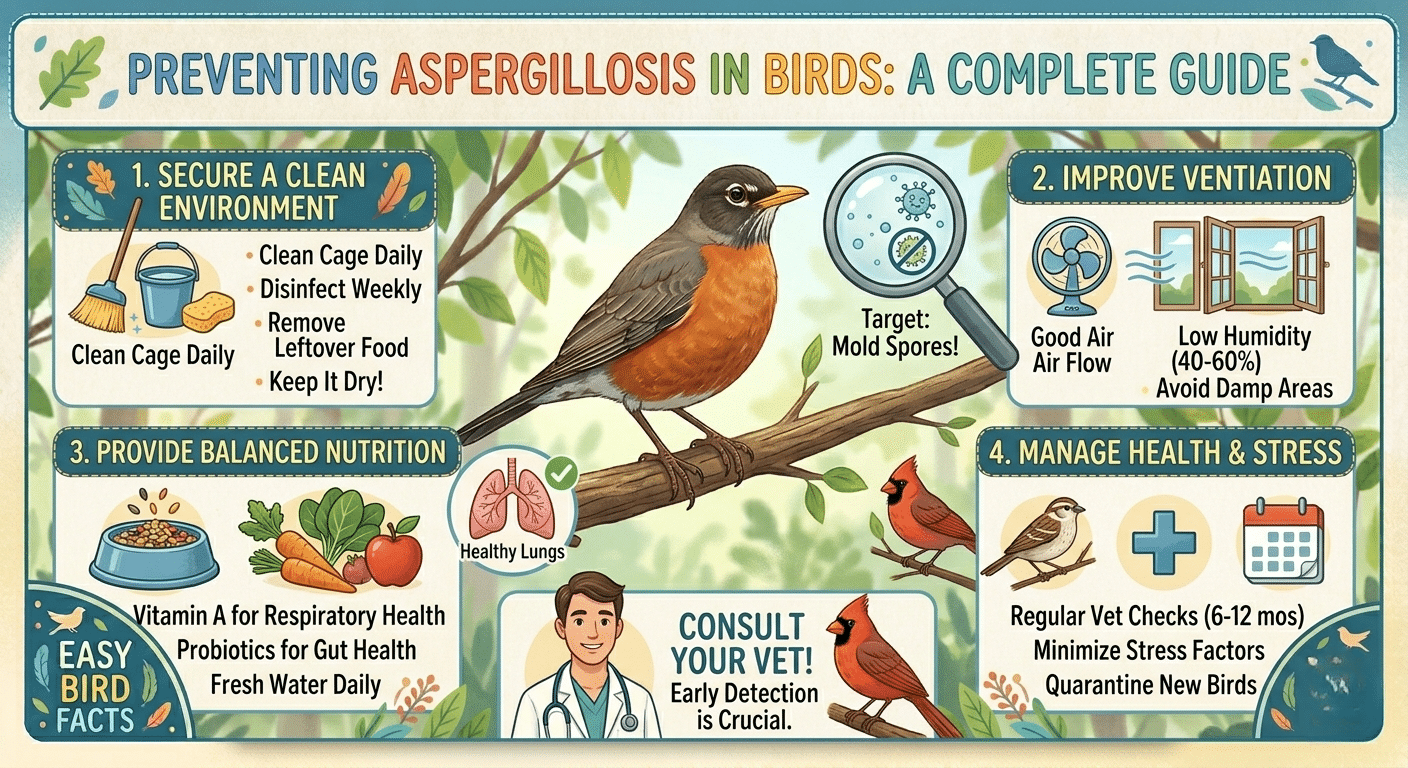
Bird seed left outside can get wet from rain or dew. Moisture causes mold and bacteria to grow on the seed. This makes the seed unsafe for birds to eat.
Mold can produce toxins that harm birds. Bacteria can cause infections. Wet seed also spoils faster and smells bad.
- Seed should be kept dry to avoid mold
- Remove old or wet seed quickly
- Clean feeders regularly to stop bacteria growth
Impact On Bird Health
Eating spoiled seed can make birds sick. Mold and bacteria can cause breathing problems and digestive issues. Birds may lose weight or die if they eat bad seed.
Seed left out too long can also attract pests that spread diseases. Healthy birds need fresh, clean food to stay strong.
- Spoiled seed can cause bird illness
- Dirty feeders spread disease among birds
- Fresh seed helps birds stay healthy and active
Choosing Safe Bird Seed Types
Feeding birds is a fun way to enjoy nature. You want to pick seeds that keep birds healthy.
Some seeds spoil fast or have bad ingredients. Choosing the right seeds helps birds stay safe and happy.
Seeds That Resist Spoilage
Seeds that last longer do not grow mold or rot quickly. These seeds stay fresh and safe for birds.
- Sunflower seeds with shells keep fresh longer
- Safflower seeds resist moisture and spoilage
- Nyjer (thistle) seeds stay dry and last well
- Millet seeds dry out fast and do not rot easily
Avoiding Harmful Ingredients
Some bird seed mixes include ingredients birds should not eat. Avoid these to keep birds safe.
| Ingredient | Why to Avoid |
| Salt | Can harm birds’ kidneys |
| Artificial colors | May cause illness |
| Moldy or dusty seeds | Lead to respiratory problems |
| Peanuts with shells | Can grow mold dangerous to birds |
Best Practices For Feeding Birds
Feeding birds can be a fun way to connect with nature. It is important to follow safe habits. This helps keep birds healthy and happy.
Using the right seed, cleaning feeders, and setting good feeding times all make a difference. These practices protect birds from illness and other dangers.
Proper Seed Storage
Keeping bird seed fresh is key to safe feeding. Store seeds in a dry, cool place. Use containers that keep out moisture and pests.
- Use airtight containers to keep seed dry
- Store seed off the ground to avoid dampness
- Check seed for mold or bugs before use
- Buy seed in small amounts to keep it fresh
Regular Cleaning Of Feeders
Feeders can spread germs if not cleaned often. Clean feeders at least once every two weeks. Use warm water and mild soap to wash them.
| Cleaning Task | How Often |
| Wash feeders with soap and water | Every 1-2 weeks |
| Rinse feeders thoroughly | After every wash |
| Dry feeders completely before refilling | Each time after cleaning |
| Remove old or wet seed daily | Daily |
Feeding Schedules And Portions
Birds need fresh food but not too much. Feed small amounts that birds can eat in a day. This reduces waste and mold growth.
- Offer food in the morning to match birds’ natural feeding times
- Refill feeders with fresh seed daily or every other day
- Limit seed quantity to what birds eat in 24 hours
- Stop feeding in hot weather to prevent spoilage

Credit: www.allaboutbirds.org
Protecting Birds From Predators
Putting out bird seed helps feed birds in your yard. It is important to keep birds safe from predators.
Predators like cats and hawks can harm birds while they eat. You can take steps to protect birds at your feeders.
Safe Feeder Placement
Place bird feeders where birds can see danger coming. Keep feeders away from places where cats can hide.
Good places include open spaces or near bushes where birds can quickly escape. Avoid placing feeders too close to windows.
- Put feeders 10 feet away from bushes or trees
- Keep feeders at least 5 feet off the ground
- Choose open areas with clear views
- Do not place feeders near places cats hide
Using Predator Guards
Predator guards stop animals from reaching birds at feeders. They block cats and squirrels from climbing feeder poles.
Use metal or plastic guards around feeder poles. This helps keep birds safe while they eat.
- Install baffles on feeder poles
- Use cages around feeders to protect small birds
- Check guards often to ensure they work
- Clean feeders regularly to avoid attracting unwanted animals
Dealing With Weather Challenges
Bird seed can attract many birds, but weather can cause problems. Rain and extreme heat can spoil the seed quickly. Taking care of seed during bad weather helps keep birds safe and happy.
Learn how to protect bird seed from rain and manage it in hot or cold weather. This will help you keep feeding birds without waste or harm.
Preventing Seed Spoilage In Rain
Rain can soak bird seed and cause mold or rot. Wet seed is unsafe for birds and can attract pests. Use these tips to keep seed dry and fresh.
- Use covered feeders or ones with roofs.
- Place feeders under trees or eaves for shelter.
- Regularly remove wet or clumped seed.
- Store extra seed in airtight containers indoors.
- Check feeders after storms and replace spoiled seed.
Managing Seed In Extreme Temperatures
Very hot or cold weather can affect bird seed quality. Heat can cause seed to go bad fast. Cold can freeze seed or make feeders hard to use.
| Temperature | Effect on Seed | Care Tips |
| Hot (above 85°F) | Seed can spoil and lose nutrients. | Keep seed shaded and in small amounts. |
| Cold (below 32°F) | Seed can freeze and clump. | Use feeders that prevent moisture build-up. |
Alternatives To Loose Bird Seed
Putting out loose bird seed can attract unwanted pests. It may also cause seed to go to waste. Many people look for safer and cleaner options.
Alternatives to loose seed help keep your yard tidy. They also provide birds with good nutrition.
Using Suet And Pellets
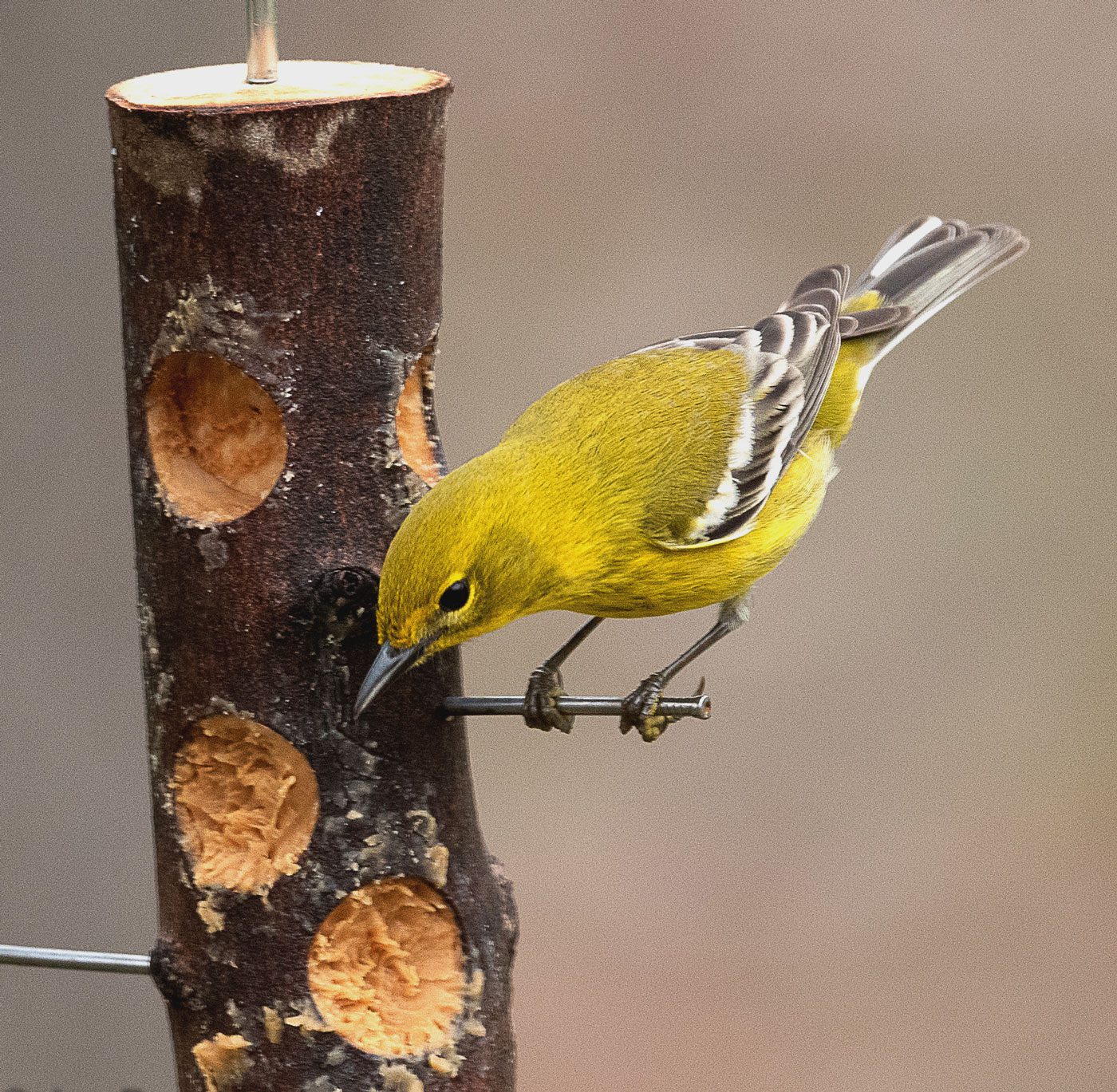
Suet cakes offer high energy for birds, especially in winter. Pellets are made to provide balanced nutrients. Both are less messy than loose seed.
These options reduce seed waste and keep feeding areas clean. They also attract different types of birds.
- Suet attracts woodpeckers and nuthatches
- Pellets are good for finches and doves
- Less ground spillage means fewer rodents
Natural Food Sources
Planting native trees and shrubs gives birds natural food. This includes berries, seeds, and nuts. It also provides shelter and nesting spots.
Natural sources create a healthy environment for birds year-round. They reduce the need for extra feeding.
- Berry bushes like elderberry and dogwood
- Seed-producing plants like sunflowers and coneflowers
- Nut trees like oak and hickory
Credit: www.allaboutbirds.org
Frequently Asked Questions
Is It Safe To Put Out Bird Seed For Wild Birds?
Yes, putting out bird seed is generally safe and supports wild birds. Use fresh, clean seed and avoid moldy or spoiled seed to prevent illness.
Can Bird Seed Attract Unwanted Pests Or Animals?
Yes, bird seed can attract pests like rodents and squirrels. To minimize this, use squirrel-proof feeders and clean up spilled seeds regularly.
What Types Of Bird Seed Are Safest For Backyard Birds?
Black oil sunflower seeds are safe and nutritious for most birds. Avoid mixed seed blends with fillers that birds may not eat.
How Often Should I Clean Bird Feeders To Keep Birds Safe?
Clean bird feeders every two weeks with warm, soapy water. This prevents mold, bacteria, and disease spread among visiting birds.
Conclusion
Feeding birds can be safe and rewarding. Choose high-quality seeds. Clean feeders regularly to prevent mold and bacteria. Be mindful of local wildlife laws. Providing water for birds can enhance their habitat. Keep feeders away from predators. Regularly check for updates on bird feeding guidelines.
Enjoy watching birds while keeping their safety in mind. Remember, a little care goes a long way in helping birds thrive. Happy birdwatching!