
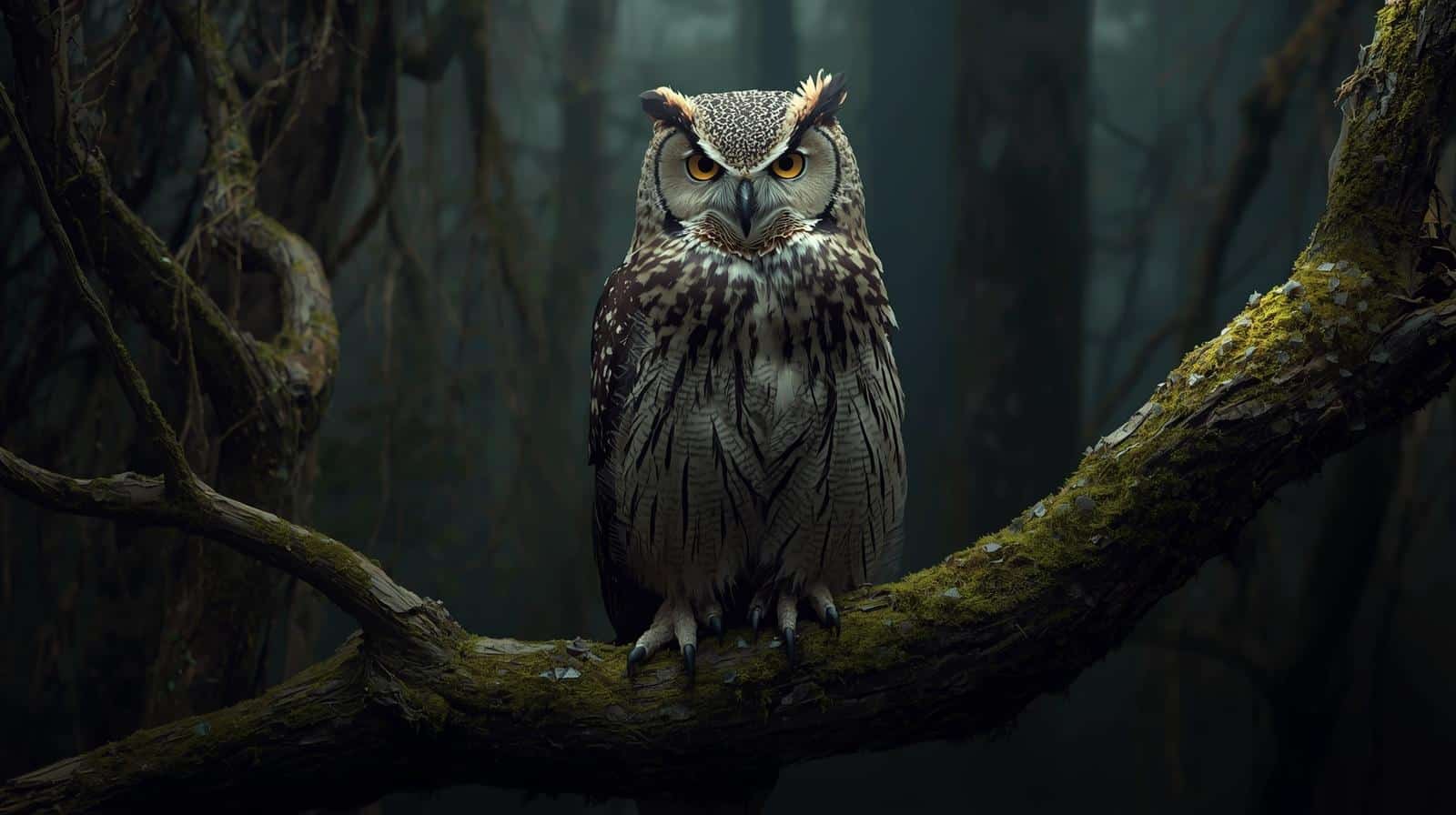
Is Owl a Perching Bird? Facts About Their Feet and Habits
Have you ever wondered if an owl is a perching bird? You might think it’s just another bird that sits quietly in trees, but there’s more to it than that.
Understanding whether owls belong to the group of perching birds can change how you see these mysterious creatures. You’ll discover surprising facts about owls and their unique habits. Keep reading, because what you learn might just change your view of these night-time hunters forever.
Owl Classification
Owls are fascinating birds known for their nocturnal habits and silent flight. Understanding their classification helps us see where they fit in the bird world.
This article explains owl classification by looking at bird families and types. It also shows where owls belong among other birds.
Bird Families And Types
Birds are divided into many families based on their features. These include songbirds, waterfowl, raptors, and perching birds. Each family has unique traits.
- Songbirds:Small birds that sing, like robins and sparrows.
- Waterfowl:Birds that live near water, like ducks and swans.
- Raptors:Birds of prey, like hawks and eagles.
- Perching Birds:Birds that mostly sit on branches, like finches and crows.
Where Owls Fit In
Owls belong to the order Strigiformes. This group is part of the larger class of birds called raptors, which hunt for food.
| Category | Details |
| Order | Strigiformes |
| Family | Typical owls (Strigidae) and barn owls (Tytonidae) |
| Type | Birds of prey |
| Perching Bird | Yes, owls are perching birds with strong feet |
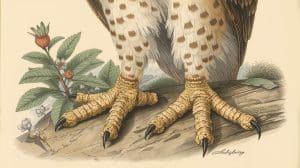
Owls have strong feet and curved talons for catching prey. This makes them perching birds because they can grip branches well.
Perching Birds Explained
Perching birds are a large group of birds. They spend much time sitting on branches.
These birds have special feet to help them hold onto branches tightly.
Characteristics Of Perching Birds
Perching birds have three toes pointing forward and one toe pointing back. This helps them grip branches well.
They often have strong legs and feet. Their feet lock automatically when they bend their legs.
- Feet designed for gripping branches
- Strong legs and feet
- Automatic locking mechanism in toes
- Usually small to medium size
- Good balance and agility
Common Examples
Many birds belong to the perching group. Some are well known and easy to spot.
- Sparrows
- Robins
- Finches
- Warblers
- Owls
Owls are also perching birds. They use their strong feet to catch prey while sitting on branches.
Do Owls Perch?
Owls are known for sitting quietly on tree branches. This behavior is called perching. But are owls true perching birds? Let’s explore how their bodies and habits help them perch well.
Understanding owl perching helps us learn more about their hunting and resting habits. Their anatomy and behavior show why perching is important for owls.
Owl Anatomy For Perching
Owls have special feet made for gripping branches firmly. Their toes can lock around a perch to hold them in place without effort.
- Owls have three toes pointing forward and one pointing backward.
- The backward toe helps grip branches tightly.
- Strong leg muscles support their weight while perching.
- Sharp claws provide extra hold on rough surfaces.
Behavioral Patterns
Owls often perch at night to watch for prey. They stay still and wait quietly before swooping down. Perching also helps them rest during the day.
| Behavior | Purpose |
| Perching on high branches | Spot prey from above |
| Staying motionless | Avoid detection by prey |
| Turning head widely | Listen for sounds around |
| Perching during day | Rest and conserve energy |
Unique Owl Traits
Owls are special birds known for their unique features. They belong to a group called perching birds.
These traits help owls live and hunt in the dark. Let’s explore some of their amazing abilities.
Silent Flight Mechanism
Owls have soft feathers that reduce noise when they fly. This helps them sneak up on prey quietly.
The edges of their wing feathers are serrated. These tiny comb-like structures break air currents.
- Soft down feathers absorb sound
- Serrated wing edges reduce noise
- Broad wings allow slow, quiet flight
Nocturnal Adaptations
Owls hunt at night and have special eyes that see well in low light. Their large eyes gather more light.
They also have excellent hearing. Their ears are shaped to catch even soft sounds from prey.
- Large eyes for better night vision
- Facial discs focus sound to ears
- Asymmetrical ear placement improves hearing
Owl Habitats And Perching Spots
Owls are perching birds that use their feet to grasp branches tightly. They live in many places and choose spots where they can watch for prey safely.
Understanding where owls like to live and perch helps us learn more about their habits and behavior in the wild.
Preferred Environments
Owls live in forests, grasslands, deserts, and cities. They prefer places with good cover and food sources nearby.
Dense trees or tall bushes offer owls shelter and protection from enemies. Open areas help them spot prey from a distance.
- Forests with tall trees for hiding
- Grasslands with open spaces for hunting
- Deserts with scattered shrubs for cover
- Urban parks and quiet neighborhoods
Perch Selection
Owls choose perches that give them a clear view of their surroundings. They often sit on branches, fence posts, or rocky ledges.
Strong, stable perches help owls stay balanced while they watch or wait for prey. They prefer spots that are quiet and safe.
- Tree branches high above ground
- Fence posts near open fields
- Rock ledges with good visibility
- Man-made structures like poles
Misconceptions About Owls
Owls are often surrounded by many myths and wrong ideas. People want to know if owls are perching birds. This article clears up common confusion.
We will look at myths about owls and what science says. This helps us understand these birds better.
Common Myths
Many think owls are just like other birds that perch on branches. Some myths say owls are not perching birds at all.
- Owls can turn their heads all the way around.
- Owls are active only at night.
- Owls are not perching birds because they hunt on the ground.
- Owls have poor eyesight in daylight.
Scientific Facts
Owls belong to the order Strigiformes and are considered perching birds. They have special feet with strong claws to grip branches.
| Myth | Fact |
| Owls can turn their heads 360 degrees | Owls can turn their heads about 270 degrees, not fully around |
| Owls are not perching birds | Owls have feet like perching birds to grip branches tightly |
| Owls only hunt on the ground | Owls mainly hunt from perches or flying, not just on ground |
| Owls have poor eyesight in daylight | Owls see well in low light but also have good eyesight in daylight |
These facts show owls are true perching birds with unique adaptations. They are not just mysterious night hunters but skilled birds of prey.
Frequently Asked Questions
Are Owls Classified As Perching Birds?
Yes, owls are perching birds. They belong to the order Strigiformes and have strong feet for gripping branches. Their talons help them perch securely while hunting or resting, making them true perching birds.
What Features Make Owls Good Perching Birds?
Owls have sharp talons and strong feet. These features allow them to grasp branches tightly. Their flexible toes help balance while perching, enabling them to stay stable and hunt effectively from high perches.
How Do Owls’ Feet Differ From Other Birds?
Owls have zygodactyl feet, with two toes facing forward and two backward. This unique arrangement enhances their grip. It helps them perch securely and catch prey, distinguishing them from many other bird species.
Do All Perching Birds Have Similar Habits To Owls?
Not all perching birds share owl habits. Owls are nocturnal predators, while many perching birds are diurnal and have varied diets. However, they all use their feet to perch on branches or other surfaces.
Conclusion
Owls belong to the group of perching birds. They have strong feet. These feet help them grip branches firmly. Owls are unique with their nocturnal habits. Their excellent vision aids them in hunting at night. Unlike many birds, owls can turn their heads nearly 270 degrees.
This ability helps them spot prey easily. Owls play an important role in the ecosystem. They control rodent populations effectively. Observing owls can be a fascinating experience. Their mysterious nature captivates many bird enthusiasts. Understanding owls helps us appreciate the balance in nature.
They truly are remarkable perching birds.



