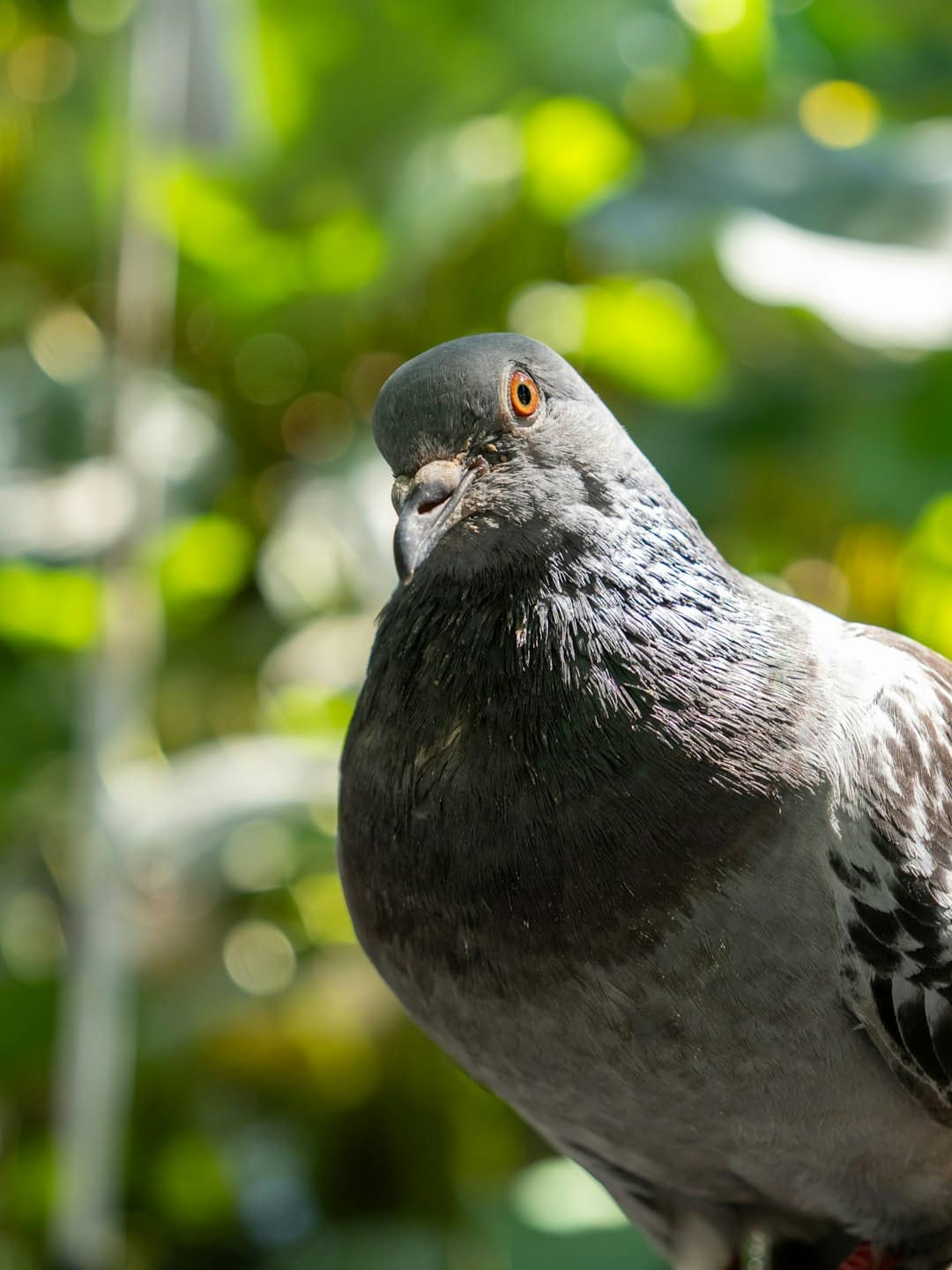
Have you ever paused to admire the gentle cooing of a pigeon perched on your windowsill and wondered, “Is this bird really a master of perching?” You’re not alone.
Many people are curious about the everyday birds that share our urban spaces. Whether you’re a bird enthusiast or simply intrigued by the creatures fluttering around you, understanding the perching habits of pigeons can offer a fascinating glimpse into their world.
This article will unravel the mystery behind whether pigeons are truly perching birds and what sets them apart in the avian kingdom. Stick around, and you might just discover something new about these feathered city dwellers that changes the way you see them forever.

Credit: www.freepik.com
What Makes A Perching Bird
Perching birds are a large group of birds that share special features. These features help them sit comfortably on branches and wires.
Knowing what makes a bird a perching bird can help us understand their behavior and habitat better.
Key Traits Of Perching Birds
Perching birds have unique feet that allow them to grip tightly. This helps them stay steady while resting or sleeping.
- Three toes point forward, and one points backward for a strong grip
- Light bodies that help in balance and flight
- Strong leg muscles for gripping branches
- Sharp claws to hold onto thin surfaces
- Good vision to spot food and predators
Common Examples
Many common birds you see are perching birds. They live in various environments from cities to forests.
| Bird | Habitat | Notable Trait |
| Pigeon | Urban areas | Strong perching feet |
| Sparrow | Gardens and parks | Quick and agile |
| Robin | Woodlands | Bright chest color |
| Blue Jay | Forests | Loud calls |

Credit: www.dreamstime.com
Pigeons And Their Classification
Pigeons are common birds found in many places around the world. They belong to a large group of birds called perching birds.
This group is known for birds that often sit on branches using their feet. Pigeons fit well in this group.
Family And Species Overview
Pigeons are part of the family called Columbidae. This family includes doves and pigeons.
There are over 300 species in this family. They live in many different environments worldwide.
- Family: Columbidae
- Includes pigeons and doves
- More than 300 species
- Found on almost every continent
Physical Characteristics
Pigeons have stout bodies and short necks. Their wings are strong for flying long distances.
They usually have small heads and round eyes. Their feet have three toes pointing forward and one backward.
- Stout body with short neck
- Strong wings for flying
- Small head with round eyes
- Feet adapted for perching
Pigeons As Perching Birds
Pigeons are common birds seen in cities and countryside. They often perch on branches, wires, and ledges.
This article explains why pigeons are perching birds. We look at their foot structure and behavior.
Foot Structure And Grip
Pigeons have strong feet with three toes pointing forward and one backward. This toe arrangement helps them hold tight to branches and wires.
- The backward toe acts like a hook for gripping.
- Toe pads have rough skin to prevent slipping.
- Leg muscles automatically tighten when they land.
- This grip keeps pigeons steady even in wind.
Behavioral Patterns
Pigeons choose safe places to perch for resting and watching for danger. They often sit in groups for protection.
| Behavior | Description |
| Resting | Perch quietly to regain energy |
| Socializing | Sit close to other pigeons |
| Alertness | Watch for predators while perched |
| Nesting | Use perches near nests for safety |

Credit: fyfluiddynamics.com
Surprising Facts About Pigeons
Pigeons are common birds often seen in cities worldwide. They belong to the group called perching birds.
Many people do not know pigeons have amazing skills and behaviors. These facts show how special pigeons really are.
Navigation Skills
Pigeons have excellent navigation skills. They can find their way home from far distances.
- Pigeons use the Earth’s magnetic field to guide themselves.
- They see the sun and stars to know directions.
- Pigeons remember landmarks during flight.
- They have special cells in their brains for navigation.
Communication Methods
Pigeons communicate using sounds and body language. Their cooing helps them talk to each other.
| Method | Purpose |
| Cooing | Attract mates or signal danger |
| Wing clapping | Show aggression or defend territory |
| Head bobbing | Express curiosity or courtship |
| Feather puffing | Show calm or confidence |
Adaptability In Urban Areas
Pigeons live well in cities. They use buildings to nest and find food easily.
- Pigeons eat many types of food, including crumbs and seeds.
- They nest on ledges and roofs like natural cliffs.
- Pigeons avoid many urban predators by staying alert.
- They breed all year in cities because of warm spots.
Pigeons Compared To Other Perching Birds
Pigeons are common birds found in many places worldwide. People often wonder if pigeons belong to the group called perching birds. Perching birds, also known as passerines, have special feet that help them grip branches.
This article looks at how pigeons are like other perching birds and how they are different. Understanding these points helps us know more about pigeons and their place in the bird family.
Similarities
Pigeons share several features with other perching birds. Both types use their feet to hold onto branches. They also have strong flight muscles that help them fly long distances.
- Both have three toes pointing forward and one backward for gripping.
- Both have feathers that provide insulation and enable flight.
- Both types build nests in trees or on ledges.
- Both feed on seeds, fruits, or small insects.
Differences
Despite some similarities, pigeons differ from most perching birds in several ways. Their body shape and beak type are unique. They also have different habits and sounds.
| Feature | Pigeons | Other Perching Birds |
| Body Shape | Stout and rounded | Slender and lightweight |
| Beak Type | Short and thick | Thin and pointed |
| Vocalization | Coos and grunts | Varied songs and calls |
| Feet Use | Perching and walking on ground | Mostly perching |
| Flight Style | Strong and direct | Varied, often fluttery |
Frequently Asked Questions
Is Pigeon Classified As A Perching Bird?
Yes, pigeons are classified as perching birds. They belong to the order Columbiformes, which includes many perching species. Their feet structure allows them to grip branches and ledges firmly, a key trait of perching birds.
What Features Make Pigeons Good Perching Birds?
Pigeons have strong, flexible toes that help them grasp branches securely. Their lightweight bodies and balanced wings assist in stable perching. These adaptations enable pigeons to rest comfortably on various surfaces, showcasing their perching bird characteristics.
Do Pigeons Perch Differently From Other Birds?
Pigeons perch similarly to other perching birds but often on urban structures. Unlike some birds, pigeons prefer flat or slightly rounded surfaces. Their feet and claws adapt well to ledges, wires, and tree branches, making them versatile perchers.
Why Are Pigeons Common In Urban Perching Spots?
Pigeons thrive in cities because of abundant perching spots like rooftops and wires. These locations provide safety and good vantage points. Their adaptability to various perching surfaces helps them survive in urban environments effectively.
Conclusion
Pigeons are indeed perching birds, known for their strong feet. They often rest on branches, wires, and ledges with ease. Their toes help them grip tightly and balance well. This behavior helps pigeons stay safe and observe their surroundings. Knowing this shows how pigeons adapt to city and nature life.
Pigeons are common but fascinating birds to watch. Understanding their habits makes birdwatching more enjoyable and interesting.