
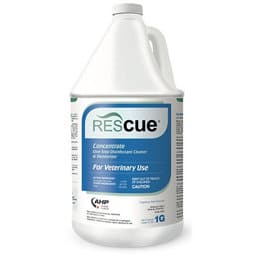
If you have pet birds, their safety is always on your mind. When it comes to keeping your home clean and germ-free, you might wonder: Is Rescue Disinfectant bird safe?
You want to protect your feathered friends without risking their health. This question matters because some cleaning products can harm birds even if they seem harmless to people. You’ll discover the facts about Rescue Disinfectant and how it affects your birds.
By the end, you’ll know exactly what to use to keep both your home and your birds safe and healthy. Keep reading to protect the ones you love most.
Rescue Disinfectant Basics
Rescue Disinfectant is used to clean and kill germs on surfaces. It helps keep places safe and healthy.
Many people ask if Rescue Disinfectant is safe for birds. Understanding its ingredients and uses helps answer this question.
Key Ingredients
Rescue Disinfectant contains chemicals that kill bacteria and viruses. It usually has active ingredients like quaternary ammonium compounds.
These ingredients work well on hard surfaces but can be strong for pets like birds. Birds have sensitive lungs that react to strong chemicals.
- Quaternary ammonium compounds
- Surfactants to remove dirt
- Water as a base
Common Uses
People use Rescue Disinfectant to clean floors, counters, and cages. It kills germs to stop illness spread.
It is important to use it carefully around birds. Always rinse surfaces well and keep birds away until dry.
- Disinfecting bird cages and perches
- Cleaning floors and walls in bird areas
- Sanitizing surfaces in homes and clinics
Bird Sensitivity To Chemicals
Birds have very sensitive bodies that react quickly to chemicals. Their small size and fast breathing make them more at risk. Chemicals in disinfectants can harm birds even at low levels.
Using disinfectants around birds needs care. Some ingredients can cause serious health problems. It is important to know how these chemicals affect birds.
Respiratory Risks
Birds breathe faster than humans and have delicate lungs. Chemicals in disinfectants can irritate their airways. This can cause coughing, sneezing, and breathing trouble.
- Strong fumes can damage lung tissue
- Some chemicals cause inflammation in the respiratory tract
- Birds may develop chronic breathing problems
- Exposure to sprays or vapors is especially dangerous
Skin And Feather Effects
Disinfectants can dry out bird skin and harm feathers. This reduces their ability to keep warm and fly. Skin irritation may lead to redness and feather loss.
| Effect | Description | Possible Outcome |
|---|---|---|
| Dry skin | Loss of natural oils from chemical exposure | Flaking and itching |
| Feather damage | Disruption of feather structure | Reduced insulation and flight ability |
| Skin irritation | Redness and swelling | Discomfort and feather plucking |
Safety Of Rescue Disinfectant For Birds
Using disinfectants around birds requires careful attention. Birds have sensitive respiratory systems that can react to chemicals.
Rescue Disinfectant is popular for cleaning but pet owners often ask if it is safe for birds.
Toxicity Levels
Rescue Disinfectant contains ingredients that vary in toxicity to birds. Some chemicals can harm birds even in small amounts.
- Phenol-based compounds can cause respiratory distress.
- Quaternary ammonium compounds may irritate bird mucous membranes.
- Alcohol content might dry out sensitive tissues.
- Proper ventilation helps reduce risks during use.
Manufacturer’s Warnings
| Warning | Details |
| Keep Away from Birds | Use in well-ventilated areas to avoid bird exposure. |
| Avoid Direct Contact | Do not spray directly on birds or their cages. |
| Use Protective Gear | Wear gloves and masks when handling. |
| Follow Dilution Instructions | Use only recommended concentrations to lower toxicity. |
Credit: www.chewy.com
Safe Application Practices
Using Rescue Disinfectant safely around birds is important. Birds have sensitive respiratory systems.
Proper steps help protect your pet and keep your home clean.
Proper Ventilation
Always use Rescue Disinfectant in a well-ventilated area. Open windows and doors to let fresh air in.
Good airflow helps reduce fumes that can harm birds.
- Keep fans on to increase air movement
- Do not use in small closed rooms
- Let the area air out before letting birds back inside
Dilution Guidelines
Follow the label instructions to dilute Rescue Disinfectant correctly. Too strong a mix can be harmful.
Use the right amount of water to keep the solution safe for birds and effective for cleaning.
- Use measuring tools for accuracy
- Do not mix with other chemicals
- Prepare fresh solution before each use
Avoiding Direct Contact
Keep Rescue Disinfectant away from your bird’s feathers and skin. Direct contact can irritate them.
Remove birds from the area during cleaning. Wait until surfaces dry and air clears before returning birds.
- Do not spray near cages or perches
- Wipe surfaces with a cloth instead of spraying
- Wear gloves to protect your skin
Alternative Bird-safe Disinfectants
Choosing a disinfectant that is safe for birds is very important. Many common disinfectants can harm birds because of their sensitive respiratory systems.
This guide shares safe alternatives to Rescue Disinfectant. These options keep your space clean without risking your bird’s health.
Natural Options
Natural disinfectants use ingredients that are less harsh. They clean well and reduce chemical exposure for birds.
- White vinegar diluted with water
- Hydrogen peroxide solutions safe for pets
- Essential oils like tea tree or eucalyptus (used carefully)
- Soap and warm water for daily cleaning
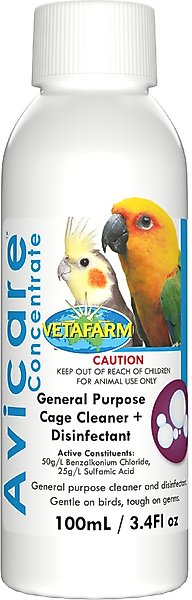
Veterinarian Recommended Products
Many vets suggest disinfectants tested for bird safety. These products balance effectiveness with gentle formulas.
| Product Name | Main Ingredient | Bird Safety |
| Vet’s Best Disinfectant | Plant-based | Safe |
| Seventh Generation | Botanical extracts | Safe with ventilation |
| F10SC Veterinary Disinfectant | Quaternary ammonium compound | Safe when diluted |

Credit: www.tractorsupply.com
Signs Of Chemical Exposure In Birds
Birds are very sensitive to chemicals like disinfectants. Rescue disinfectant is used to kill germs but may harm birds if used around them. It is important to know the signs that show a bird has been exposed to chemicals.
Recognizing these signs early helps protect birds from serious harm. Watch for changes in behavior or physical health after exposure to any disinfectant.
Behavioral Changes
Chemical exposure can cause birds to act differently than usual. Birds may become less active or hide more than normal. They can also show signs of stress or confusion.
Some common behavior changes include:
- Reduced appetite or refusal to eat
- Unusual aggression or fearfulness
- Repeated scratching or shaking of feathers
- Restlessness or pacing around the cage
- Excessive vocalization or silence
Physical Symptoms
Physical signs also point to chemical exposure. Birds may have trouble breathing or show swelling in their eyes or skin. Look for unusual colors on the feathers or skin.
Common physical symptoms include:
- Difficulty breathing or wheezing sounds
- Swollen eyes, beak, or feet
- Feather loss or dull feathers
- Discharge from eyes or nostrils
- Vomiting or diarrhea
Emergency Steps If Exposure Occurs
Rescue disinfectant is commonly used for cleaning, but it can be harmful to birds. Knowing what to do if your bird is exposed helps protect its health. Act quickly to reduce risks.
This guide explains the important steps to follow after exposure. It covers immediate actions and when to get veterinary help.
Immediate Actions
First, remove your bird from the area with the disinfectant. This stops further contact. Then, check your bird for any signs of distress or injury.
Clean your bird gently if the disinfectant touched its feathers or skin. Use warm water and avoid harsh rubbing. Dry the bird carefully to prevent chills.
- Move bird to fresh air immediately
- Check for coughing, sneezing, or difficulty breathing
- Rinse feathers with warm water if needed
- Keep bird warm and quiet
- Watch for unusual behavior or weakness
When To Seek Veterinary Help
Call a vet right away if your bird shows serious symptoms after exposure. Quick care can prevent lasting damage or illness.
Signs that need veterinary care include trouble breathing, vomiting, shaking, or loss of balance. Even small changes can be serious for birds.
- Breathing problems or wheezing
- Repeated vomiting or diarrhea
- Severe shaking or weakness
- Loss of appetite or refusal to drink
- Unusual droppings or behavior

Credit: anclasmall.com
Frequently Asked Questions
Is Rescue Disinfectant Safe For Pet Birds?
Rescue Disinfectant is generally safe for birds when used as directed. Avoid direct contact with bird skin or inhalation. Always ventilate the area and follow label instructions carefully to ensure bird safety.
Can Rescue Disinfectant Harm Bird Respiratory Systems?
Improper use of Rescue Disinfectant can irritate bird respiratory tracts. Use in well-ventilated spaces and avoid spraying near cages. Proper drying time is essential to prevent respiratory issues in birds.
How To Use Rescue Disinfectant Around Birds Safely?
Use Rescue Disinfectant in areas away from bird cages. Ensure the product dries completely before allowing birds back inside. Follow all safety guidelines on the label to protect your feathered friends.
Does Rescue Disinfectant Kill Bird-specific Pathogens?
Rescue Disinfectant is effective against many bacteria and viruses, including those harmful to birds. It helps maintain a clean environment, reducing bird illness risks when used properly.
Conclusion
Rescue Disinfectant is a popular choice for cleaning bird areas. It’s known for its effectiveness and safety. Always follow instructions carefully to ensure your bird’s health. Regular cleaning keeps your bird’s environment hygienic. Safe disinfectants like Rescue help prevent diseases.
Check labels for bird safety indications. Research and consult with a vet if unsure. A clean home means a healthier bird. Your feathered friends deserve a safe and clean space. Choose wisely for their well-being. Prioritize products that ensure both cleanliness and safety.
Your bird’s health matters. Keep their environment safe and sound.



