Is There Such a Bird As the Fruit Pigeon? What You Should Know – Is There Such a Bird As the Fruit Pigeon?
Have you ever wondered if a bird called the fruit pigeon really exists? It sounds like something from a storybook, doesn’t it? In fact, the question, Is There Such a Bird As the Fruit Pigeon?, has intrigued many.
But the truth might surprise you. If you love discovering unusual animals or want to know more about the natural world, this article is for you. Keep reading, and you’ll uncover fascinating facts that will change the way you think about pigeons forever.
Ready to find out the truth? Let’s dive in!
Many enthusiasts ponder the question: Is There Such a Bird As the Fruit Pigeon? This inquiry captivates the minds of many nature lovers.
One of the most fascinating questions in ornithology is, Is There Such a Bird As the Fruit Pigeon? This question drives the curiosity of bird watchers and nature enthusiasts alike.
The question, Is There Such a Bird As the Fruit Pigeon?, is a common topic among bird watchers.
Fruit Pigeon Species
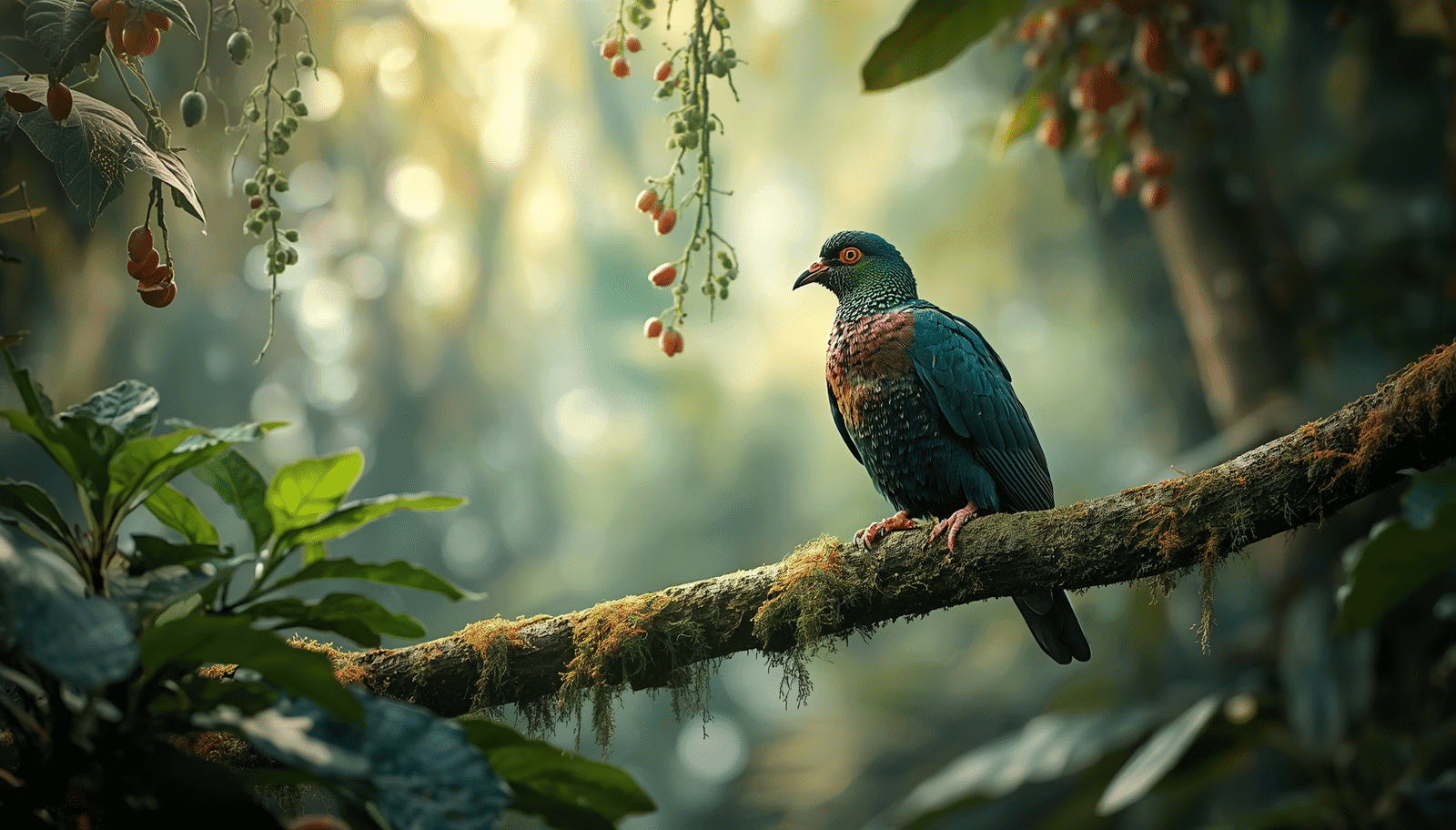
Fruit pigeons are colorful birds found mostly in tropical regions. They eat mainly fruits and live in forests and woodlands.
So, is there truly such a bird as the fruit pigeon? Many believe that the answer lies in exploring their habitats.
These birds belong to the genus Ptilinopus. They are known for their bright feathers and unique calls.
Common Fruit Pigeon Types
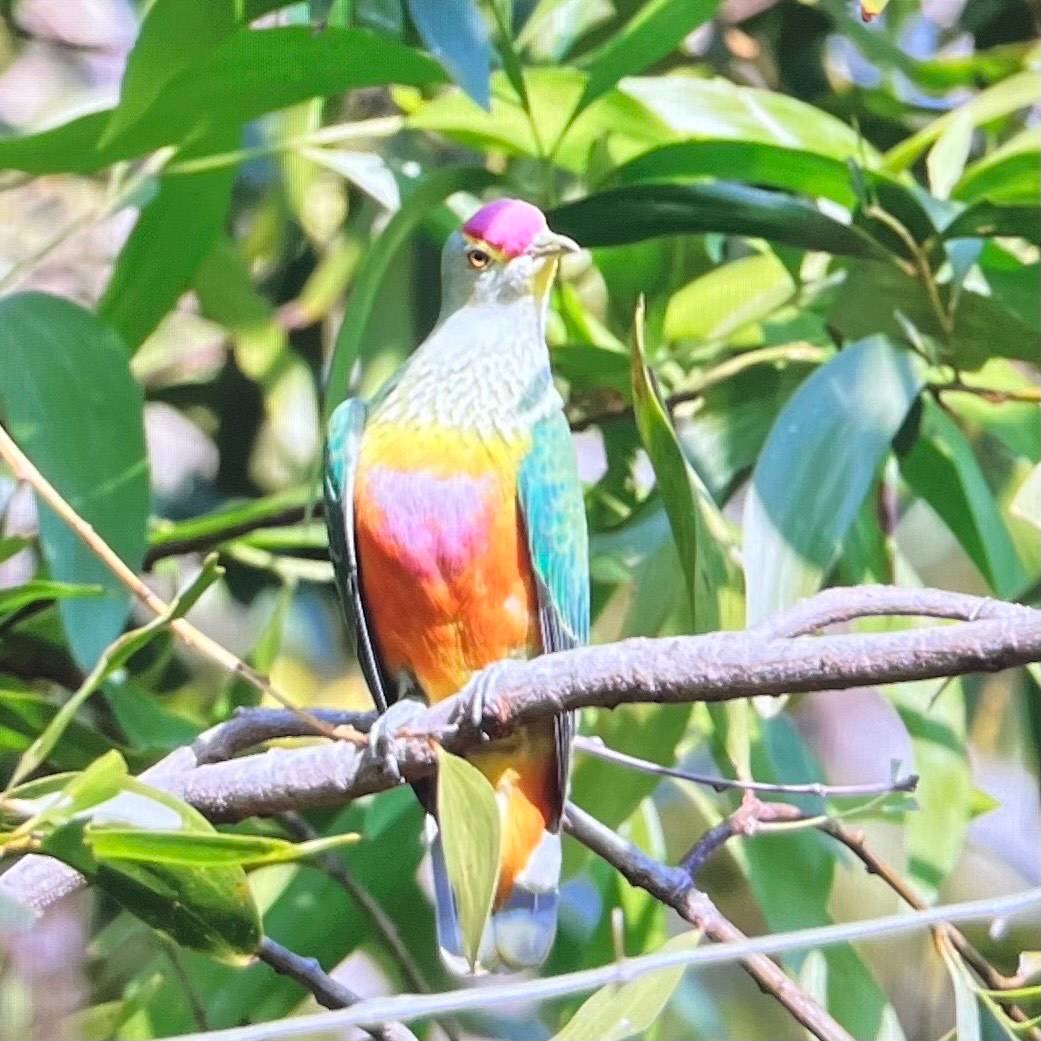
There are many species of fruit pigeons. Some common types include the Pink-headed Fruit Pigeon and the Wompoo Fruit Dove.
Understanding if there is such a bird as the fruit pigeon helps in recognizing the diversity of avian life.
- Pink-headed Fruit Pigeon
- Wompoo Fruit Dove
- Superb Fruit Dove
- Knob-billed Fruit Dove
- Orange-bellied Fruit Dove
Habitat And Distribution
Fruit pigeons live in forests across Southeast Asia, Australia, and the Pacific Islands. They prefer tropical rainforests with plenty of fruit trees.
| Region | Common Species | Habitat Type |
| Southeast Asia | Pink-headed Fruit Pigeon | Tropical Rainforest |
| Australia | Wompoo Fruit Dove | Wet Forests |
| Pacific Islands | Superb Fruit Dove | Island Forests |
Physical Characteristics
Fruit pigeons vary in size but mostly have bright and colorful feathers. They have short necks and rounded heads.
- Brightly colored feathers
- Medium size, about 20–40 cm long
- Short, stout bills for eating fruit
- Strong feet for perching in trees
- Soft, cooing calls
Credit: app.birda.org
Diet And Behavior
The diet of the fruit pigeon, as its name suggests, is largely composed of fruits. This leads to the question: Is There Such a Bird As the Fruit Pigeon?
The fruit pigeon is a bird known for eating mostly fruits. Its diet and behavior help it survive in forests.
Understanding what fruit pigeons eat and how they act gives us a clear view of their life.
Fruit Preferences
Fruit pigeons prefer ripe fruits from many trees. They like soft fruits that are easy to eat.
Some favorite fruits include figs, berries, and wild grapes. They help the bird get enough energy.
- Figs
- Berries
- Wild grapes
- Small tropical fruits
Feeding Habits
Fruit pigeons often eat in the early morning or late afternoon. They pick fruits from trees while flying or perching.
They swallow fruits whole and digest seeds later. This helps spread seeds in the forest.
- Eat mostly in the morning and afternoon
- Pick fruits while flying or sitting on branches
- Swallow fruits whole
- Help spread seeds through droppings
Social Behavior
Fruit pigeons live alone or in small groups. They are calm and quiet birds most of the time.
During feeding, they may share fruit trees with others but avoid fights. They also use soft calls to communicate.
- Live alone or in small groups
- Calm and quiet
- Share fruit trees without fighting
- Use soft calls to talk
Role In Ecosystem
Fruit pigeons are important birds in many forests. They help keep the environment healthy.
Their role goes beyond just living in trees. They help plants and animals in many ways.
Seed Dispersal Importance
Fruit pigeons eat many fruits and carry seeds far from the parent tree. This helps new plants grow in different places.
- They eat fruits whole and fly away.
- Seeds pass through their digestive system unharmed.
- Seeds drop on the ground, ready to grow.
- This spreads forest plants across wide areas.
Impact On Forests
Fruit pigeons help keep forests full of life. Their seed dispersal leads to new trees and plants.
| Impact | Effect on Forest |
| Seed dispersal | New tree growth |
| Fruit consumption | Controls fruit abundance |
| Movement | Connects distant forest areas |
| Nesting | Supports other species habitats |
Interactions With Other Species
Fruit pigeons share the forest with many animals. Their actions affect other species in many ways.
- They provide food for predators like hawks.
- Their seeds help plants that feed insects.
- Nests may be used by smaller birds later.
- They compete with other fruit-eating animals.
Conservation Status
Is There Such a Bird As the Fruit Pigeon? Understanding this question is crucial for conservation efforts.
Fruit pigeons are a group of birds found mainly in tropical regions. They play a key role in spreading seeds. Some species of fruit pigeons face threats that affect their survival.
Many fruit pigeons are listed as vulnerable or endangered. Their numbers have dropped due to habitat loss and hunting. Protecting these birds helps keep forests healthy.
Threats To Fruit Pigeons
Many wonder, Is There Such a Bird As the Fruit Pigeon? Their fate depends on our conservation actions.
Fruit pigeons face many dangers in the wild. The biggest threat is the loss of their forest homes. Trees are cut down for farming and cities.
Hunting is another problem. People hunt fruit pigeons for food or trade. This reduces their numbers fast. Pollution and climate change also harm their habitats.
- Deforestation reduces nesting and feeding areas
- Hunting lowers fruit pigeon populations
- Pollution affects food sources and health
- Climate change alters forest environments
Conservation Efforts
Many groups work to save fruit pigeons. They protect forests by creating reserves and parks. These safe areas help birds live and breed.
Are you curious about whether there is such a bird as the fruit pigeon? Join the conservation movement to find out more.
Scientists study fruit pigeons to learn about their needs. This knowledge guides actions to protect them. Education programs teach people to value these birds.
- Establishing protected forest areas
- Monitoring bird populations and health
- Raising awareness in local communities
- Supporting laws against hunting and logging
How To Help
You can help fruit pigeons by supporting forest protection. Avoid buying products that harm forests. Planting native trees creates safe spaces for birds.
Join or support groups that protect wildlife. Spread the word about the importance of fruit pigeons. Small actions can make a big difference.
- Support forest conservation projects
- Choose sustainable and eco-friendly products
- Plant trees in your community
- Educate others about fruit pigeons
Myths And Facts
Is There Such a Bird As the Fruit Pigeon? Myths often cloud the truth surrounding these fascinating creatures.
Many people wonder if the fruit pigeon is a real bird or just a myth. This topic has stories and facts mixed together. Understanding the truth helps us learn about nature and culture.
This article explores common misconceptions, scientific research, and cultural meanings about the fruit pigeon.
Common Misconceptions
Some believe the fruit pigeon is a magical bird that only appears in stories. Others say it is a rare bird that eats only fruit. These ideas come from old tales and mistaken sightings.
- The fruit pigeon is often confused with other colorful pigeons.
- Some think it can speak like a parrot, but it cannot.
- Legends say it brings good luck, which is not proven.
Scientific Findings
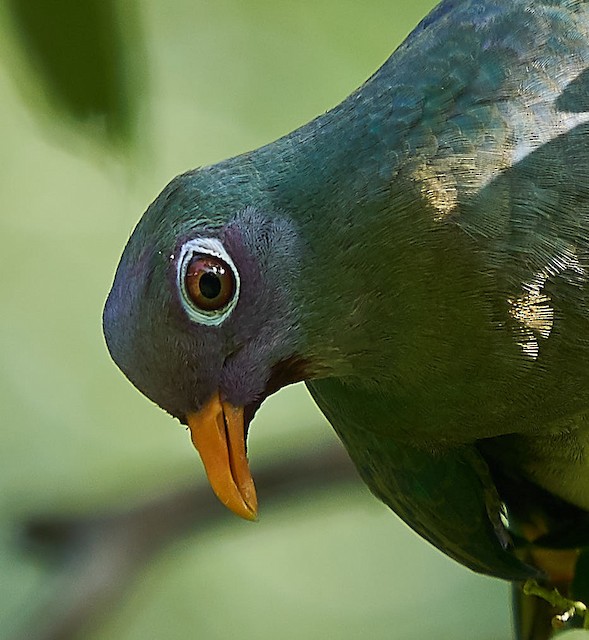
Scientists classify fruit pigeons as real birds in the genus Ptilinopus. They live mainly in forests and eat mostly fruit. These birds have bright feathers and are found in parts of Asia and the Pacific.
| Species Name | Habitat | Main Food |
| Ptilinopus superbus | Rainforests of Australia | Fruits and berries |
| Ptilinopus pulchellus | Indonesian forests | Fruits and seeds |
| Ptilinopus magnificus | New Guinea | Tropical fruits |
Cultural Significance
In many cultures, fruit pigeons symbolize peace and nature’s beauty. They appear in art, stories, and ceremonies. People respect these birds for their colors and gentle nature.
Why fruit pigeons matter in culture:
- They are part of traditional myths about the forest.
- Some tribes use their feathers in decorations.
- They inspire local songs and dances.
Credit: animals.fandom.com
Credit: birdsoftheworld.org
Frequently Asked Questions
Asking the question, Is There Such a Bird As the Fruit Pigeon? leads to intriguing discussions about avian life.
What Is A Fruit Pigeon?
A fruit pigeon is a type of bird that primarily feeds on fruits. They belong to the pigeon family and are found mostly in tropical regions. These birds play a vital role in seed dispersal, helping maintain forest ecosystems.
A fruit pigeon is more than just a name; it embodies the question, Is There Such a Bird As the Fruit Pigeon?
Where Do Fruit Pigeons Live?
Fruit pigeons mainly inhabit tropical forests in Southeast Asia, Australia, and nearby islands. They prefer dense woodlands and rainforests where fruit is abundant. Their habitat allows them easy access to their favorite food sources.
Where do these birds reside? This brings us back to the central query: Is There Such a Bird As the Fruit Pigeon?
What Do Fruit Pigeons Eat?
Fruit pigeons mainly eat a variety of fruits, such as figs, berries, and seeds. Occasionally, they may consume flowers or leaves. Their diet helps spread seeds, supporting forest growth and biodiversity.
Every meal a fruit pigeon enjoys adds depth to the question: Is There Such a Bird As the Fruit Pigeon?
Are Fruit Pigeons Endangered?
Some fruit pigeon species face threats due to habitat loss and hunting. While many species are stable, others are vulnerable or endangered. Conservation efforts focus on protecting their forest habitats to ensure their survival.
Conservation efforts address the question, Is There Such a Bird As the Fruit Pigeon?, to protect these remarkable species.
Conclusion
Fruit pigeons are fascinating birds. They exist in lush tropical regions. These birds thrive on fruits, hence their name. Their vibrant colors attract bird watchers. Spotting one can be a delightful experience. They play a crucial role in nature. By spreading seeds, they help forests grow.
Ultimately, the inquiry, Is There Such a Bird As the Fruit Pigeon? shapes our understanding of their ecological significance.
Observing these birds can teach us a lot. Their unique traits make them special. Next time in a tropical area, look out for fruit pigeons. They are truly nature’s gems. Learning about them deepens our appreciation for wildlife. Embrace the wonders of the natural world.