Have you ever watched a woodpecker in action, tapping away at the trunk of a tree, and wondered, Is Woodpecker a Perching Bird? You’re not alone.
The intriguing behavior and unique features of woodpeckers often spark curiosity about their classification. Unraveling this mystery could change the way you perceive these fascinating birds. We’ll explore whether woodpeckers belong to the group of perching birds and what makes them so special.
By the end, you’ll have a clearer understanding, and perhaps a newfound appreciation, for these remarkable creatures. Stick around—your curiosity is about to be satisfied!

Credit: birdfact.com
Woodpecker Classification
Woodpeckers are a group of birds known for pecking wood. They have strong beaks and stiff tails.
Understanding where woodpeckers fit helps us learn about their habits and relatives.
Bird Families And Groups
Birds are divided into families based on traits and behaviors. Woodpeckers belong to the family Picidae.
- Picidae family includes woodpeckers, flickers, and sapsuckers.
- They share features like strong bills and tongues for feeding on insects.
- Woodpeckers use drumming sounds to communicate.
- Most live in wooded areas and forests.
Where Woodpeckers Fit
Woodpeckers are perching birds, or passerines, which means they have feet made for gripping branches.
| Classification Level | Category |
| Class | Aves (Birds) |
| Order | Piciformes |
| Family | Picidae |
| Type | Perching Bird (Passerine) |
Traits Of Perching Birds
Perching birds are a large group of birds that share special traits. These traits help them sit and move easily on branches.
Woodpeckers are often seen on trees. We will check if they have traits of perching birds.
Defining Perching Birds
Perching birds belong to the order Passeriformes. They have feet made for gripping branches tightly.
These birds use three toes pointing forward and one toe pointing backward. This helps them hold onto branches well.
- They can balance easily on small branches.
- They often sing while perched.
- Many build nests in trees or bushes.
Common Characteristics
Perching birds have strong legs and feet. Their toes lock automatically when they bend their legs.
Most perching birds are small to medium size. They have sharp, pointed beaks for eating insects or seeds.
- Three toes face forward, one faces back (anisodactyl foot).
- Strong tendons help grip branches without effort.
- Lightweight bodies for easy balance.
- Vocal abilities for communication.
Woodpecker Anatomy
Woodpeckers have unique body parts that help them live in trees. Their anatomy supports climbing and pecking wood.
Understanding their feet, claws, and tail shows why woodpeckers are special birds.
Feet And Claws Structure
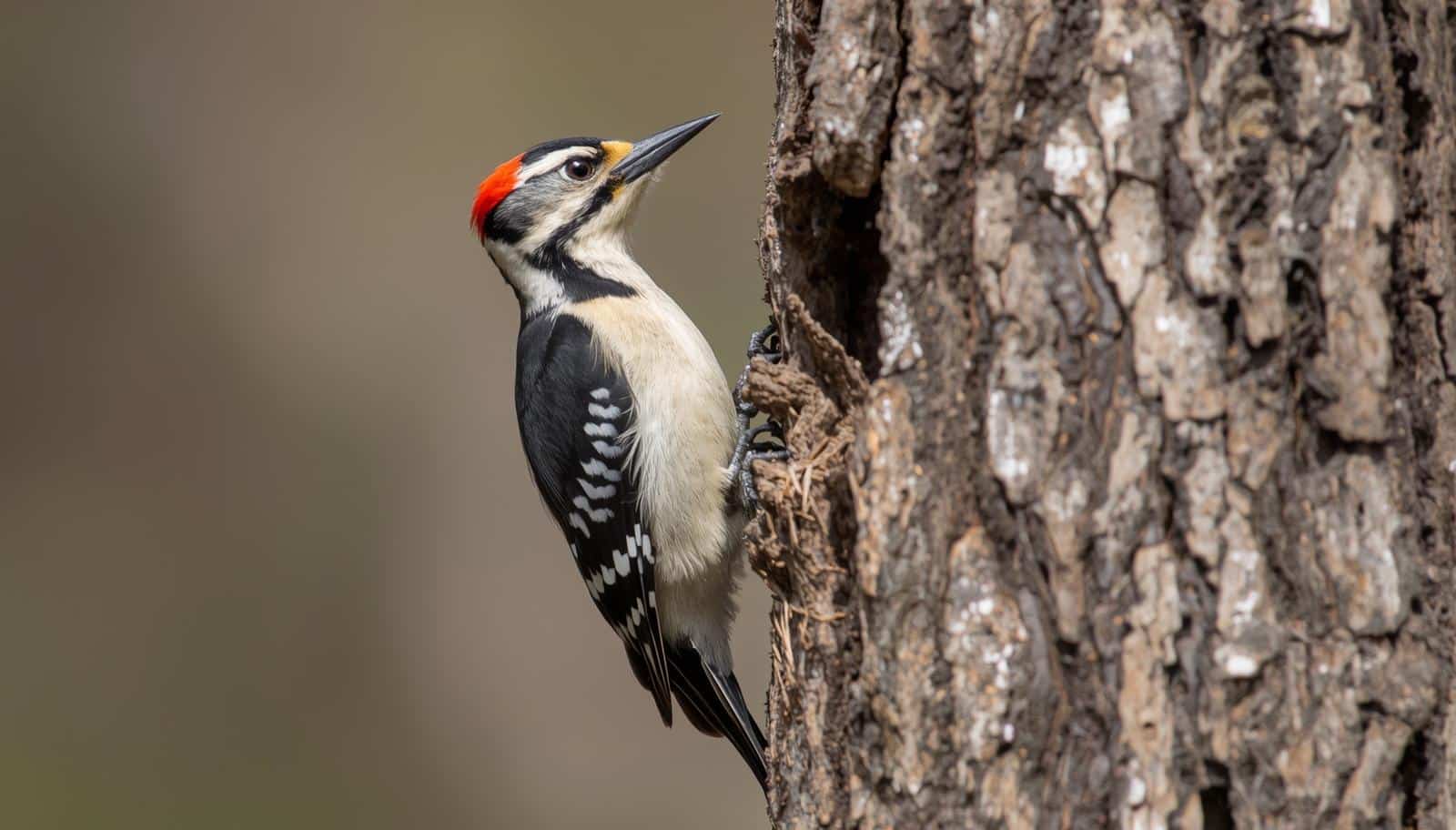
Woodpeckers have strong feet with two toes facing forward and two backward. This helps them grip tree bark tightly.
- The toes have sharp claws for holding on to rough surfaces.
- The foot shape is called zygodactyl, perfect for climbing vertical trunks.
- The claws curve to increase grip and prevent slipping.
- This foot design supports perching and climbing at the same time.
Tail Adaptations
Woodpeckers use their stiff tail feathers as a support while climbing. The tail acts like a prop against tree trunks.
| Tail Feature | Purpose |
| Stiff tail feathers | Provide balance and support during climbing |
| Strong muscles | Hold the tail firmly against the tree |
| Shorter tail length | Improves stability and control |

Credit: birdfact.com
Woodpecker Behavior
Woodpeckers are unique birds known for their strong beaks and loud drumming sounds. They use their sharp claws and stiff tails to climb tree trunks easily.
This behavior helps them find food and mark their territory. Understanding their habits shows how they live in forests and wooded areas.
Climbing And Drumming
Woodpeckers climb trees by gripping bark with their claws. Their tail feathers press against the tree for extra support.
They drum on wood to communicate with other woodpeckers. This drumming helps attract mates and warn rivals.
- Strong claws help grip tree bark
- Stiff tail feathers act as a prop
- Drumming signals territory and mating
- Drumming varies in speed and rhythm
Perching Habits
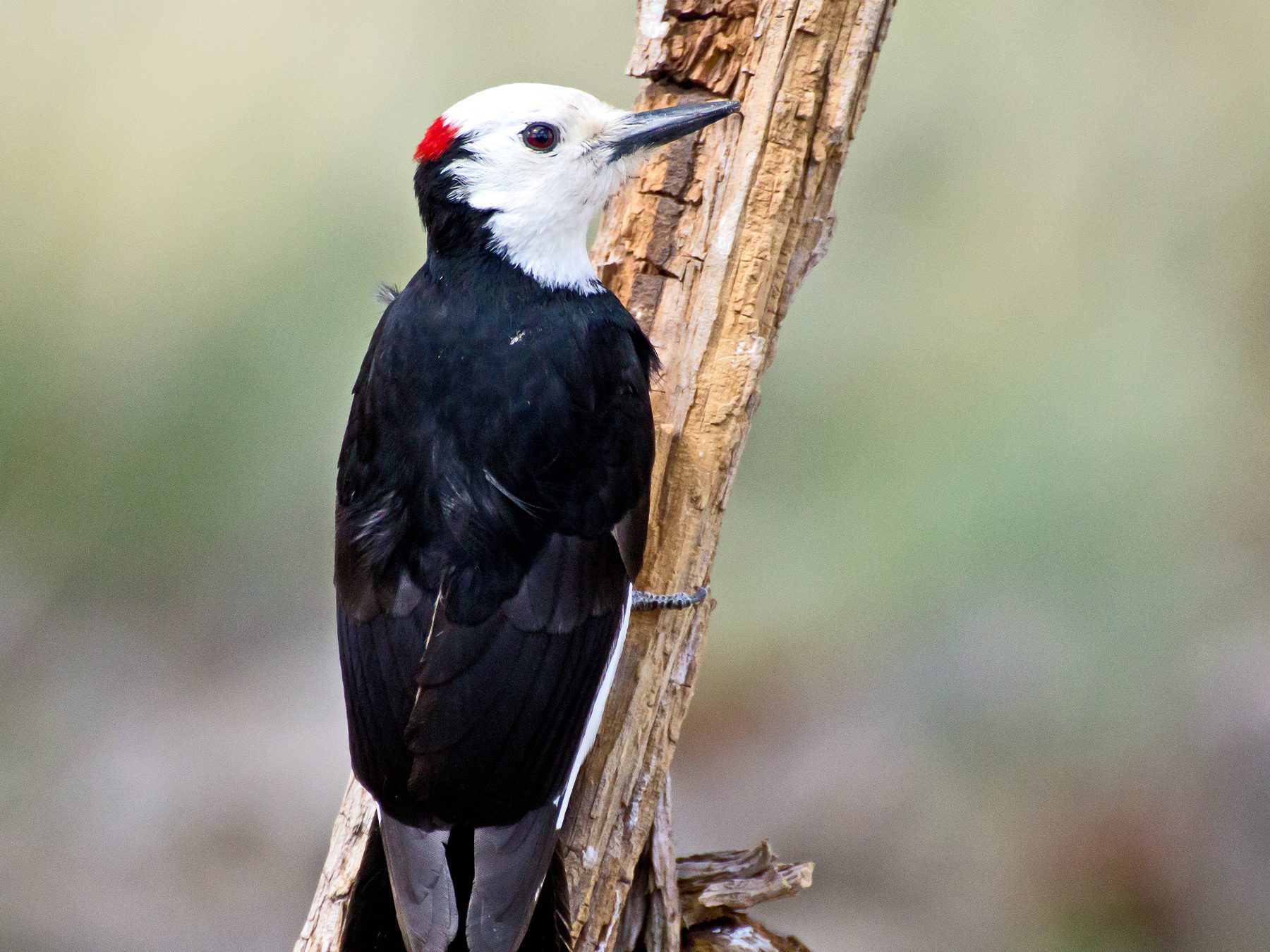
Woodpeckers are perching birds but perch differently from songbirds. They use two toes pointing forward and two backward for a better grip.
This toe arrangement helps them hold tightly to vertical surfaces. They often perch on tree trunks instead of branches.
- Two toes face forward, two face backward
- Better grip on tree trunks and branches
- Perch mostly on vertical surfaces
- Use feet and tail for balance
Comparing Woodpeckers To Perching Birds
Woodpeckers and perching birds share some traits because they both belong to the larger bird group called passerines. This makes them part of the same general family in the bird world.
Still, woodpeckers have special features that make them different from most perching birds. Let’s look at their similarities and key differences.
Anatomists highlight the difference: “The most authoritative difference is the foot structure. The vast majority of true perching birds (Passerines) have an anisodactyl foot (three toes forward, one back). Woodpeckers, along with parrots and cuckoos, possess the specialized zygodactyl foot (two toes forward, two back). This zygodactyl arrangement, which is superior for vertical climbing and clinging, is a key diagnostic feature placing them in the Piciformes order, separate from the perching birds.”
Similarities
Woodpeckers and perching birds share these traits:
- Both have strong feet with three toes facing forward and one toe backward. This helps them grip branches well.
- They often have sharp claws to hold onto bark or twigs.
- Most have good balance and can perch easily on trees or wires.
- Both groups have a similar bone structure common to passerines.
Key Differences
Woodpeckers have traits that set them apart from typical perching birds. These differences relate to how they live and find food.
| Feature | Woodpeckers | Perching Birds |
|---|---|---|
| Feet | Two toes forward, two toes backward for climbing tree trunks | Three toes forward, one toe backward for perching |
| Beak | Strong, chisel-like for drilling bark | Varies; usually small and pointed for seed or insect eating |
| Tail | Stiff tail feathers to support climbing | Soft tail feathers for balance while perching |
| Feeding | Pecks wood to find insects inside trees | Feeds on seeds, insects, or nectar without drilling |
Credit: birdfact.com
Surprising Woodpecker Facts
Woodpeckers are birds known for pecking wood, but are they perching birds? Yes, they belong to the perching bird group called passerines.
These birds have many unique traits that help them live and thrive in forests and woodlands.
Unique Adaptations
Woodpeckers have special features that make them different from other birds. Their strong beaks help them drill into wood to find insects.
- They have stiff tail feathers to support their body while climbing trees.
- Their tongues are long and sticky to catch insects deep inside holes.
- Woodpeckers’ skulls have shock absorbers to protect their brains from pecking.
- They can peck thousands of times a day without injury.
Ecological Roles
Woodpeckers play important roles in nature. They help control insect populations and create homes for other animals.
| Ecological Role | Description |
| Insect Control | Eat insects that damage trees |
| Tree Health | Remove dead wood by pecking |
| Habitat Creator | Make holes used by other birds and animals |
| Seed Disperser | Spread seeds by eating fruits |
Frequently Asked Questions
Are Woodpeckers Classified As Perching Birds?
Yes, woodpeckers are classified as perching birds. They belong to the order Piciformes and have strong feet for gripping branches.
How Do Woodpeckers Perch Differently From Other Birds?
Woodpeckers use two toes pointing forward and two backward. This zygodactyl foot structure helps them cling vertically to tree trunks.
Do Woodpeckers Build Nests Like Other Perching Birds?
Woodpeckers excavate nest cavities in trees. Unlike many perching birds, they do not use twigs or leaves to build nests.
Why Do Woodpeckers Need Strong Feet To Perch?
Strong feet help woodpeckers cling tightly to bark. This stability is essential for their pecking behavior and vertical movement on trees.
Conclusion
Woodpeckers are indeed perching birds. They have strong feet and sharp claws to grip branches. These birds often cling to tree trunks while searching for food. Their tail feathers help balance them as they peck wood. Understanding woodpeckers’ habits reveals how well they perch.
This shows their unique adaptation among birds. Watching them offers a glimpse into nature’s clever designs. Woodpeckers prove that perching comes in many forms. Their skill and behavior make them special perching birds.