The Colorado State Bird: A Prairie Icon
The Colorado State Bird is the Lark Bunting. You might expect a mountain bird for a mountain state. But this bird tells a different story. It represents the vast, open prairies of eastern Colorado.
Nature lovers and locals admire this unique creature. It symbolizes the wild beauty of the American West. Let’s explore why this small bird is so important.
The Lark bunting facts
Colorado chose the Lark Bunting as its official bird in 1931. The choice makes perfect sense. This bird is native to the region’s dry plains.
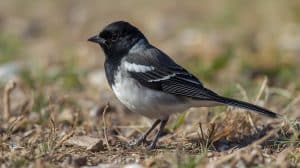
It is famous for its striking black and white feathers. But here is a surprise. It changes its look depending on the season.
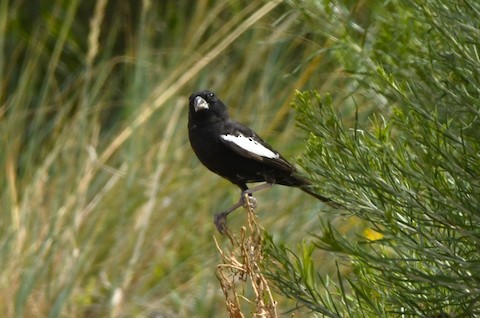
Males: Jet black with white wings in summer.
Females: Brown with streaks all year round.
Song: They sing lively tunes during spring.
Home: You find them in open fields.
Expert Perspective: The “Identity Crisis”
Ornithologists are quick to point out a naming quirk: “Despite the name, the Lark Bunting is not a lark at all—it is actually a large, thick-billed sparrow. It earned the ‘Lark’ title because of the male’s spectacular aerial display. Most sparrows sing from a stationary perch, but the Lark Bunting launches himself into the air and ‘parachutes’ back down while singing. This behavior is very similar to true Larks, but genetically, he’s a member of the American Sparrow family (Passerellidae).”
Habitat And Behavior
Lark Buntings love wide-open spaces. They avoid thick forests and high mountain peaks. You will find them in the prairies and flatlands.
These birds do something risky. These birds build nests on the ground. They eat seeds and small insects. They hide them deep in the grass to stay safe.
Thrives in grasslands and open fields.
Hides nests under bushes or cactus.
Eats seeds and plenty of bugs.
Flies in large groups during migration.
Symbolism And Importance
This bird stands for freedom. It reflects the endless skies of the Colorado plains.
It also teaches us a lesson. We must protect our grasslands. The Lark Bunting needs these spaces to survive.
Symbol: Represents natural beauty and open skies.
Lesson: Reminds us to care for wildlife.
Impact: Inspires people to watch local birds.
Credit: animals.fandom.com
Appearance And Identification
You can spot the Colorado State Bird easily. You just need to know what to look for. Its colors are bold and distinct.
Bird watchers love finding them. Identifying them is a fun challenge for beginners.
Size And Color
The bird is small but sturdy. It is about the size of a large sparrow.
Length: 7 to 9 inches long.
Body: Males are black; females are gray brown.
Wings: Look for bright white patches on males.
Distinctive Features
Males have a unique look in summer. Their black bodies contrast sharply with white wing patches.
Their song is also a clue. Listen for a sharp, clear whistle. It sounds like a happy tune drifting over the plains.
Bold colors: Black and white contrast.
Tail: Long with white tips.
Sound: A mix of whistles and trills.
Habitat And Range
The Lark Bunting calls the Great Plains home. It needs specific conditions to thrive. It looks for food and shelter in dry areas.
Knowing where it lives helps us protect it. Let’s look at its territory.
Preferred Environments
This bird avoids the city. It prefers quiet, open grasslands. It likes low shrubs and very few trees.
Safe nesting spots are crucial. They build homes on the ground during breeding season. Healthy, tall grass protects their babies.
Open prairies.
Fields with sagebrush.
Areas with few trees.
Ground-level nesting sites.
Geographical Distribution
The Lark Bunting is a western bird. Colorado is its main summer home. It also lives in Wyoming, Kansas, and Nebraska.
When winter comes, they leave. They fly south to Texas and Mexico. They return to Colorado every spring to raise their young.
| Season | Location |
| Summer | Colorado, Wyoming, Kansas |
| Winter | Texas, Northern Mexico |
| Spring/Fall | Migrating between homes |
Behavior And Diet
This bird is active and energetic. It adapts well to the harsh prairie weather.
It has smart ways to find food. It works hard to feed its chicks.
Feeding Habits
Lark Buntings are not picky eaters. They eat bugs, berries, and seeds. They hunt on the ground and in low bushes.
In the summer, they catch insects. This gives them energy. In winter, they switch to seeds.
Insects: Grasshoppers, beetles, ants.
Fruits: Wild berries when available.
Seeds: Grass and weed seeds.
Timing: Hunts in the morning and evening.
Mating And Nesting
Spring is a busy time. Males sing loudly to attract a mate. They claim their territory with song.
The female builds the nest. She lays three to five blueish eggs. Both parents work together to feed the hungry chicks.
Nests: Hidden in grass divots.
Teamwork: Mom and Dad both feed babies.
Growth: Chicks leave the nest in two weeks.
Loyalty: Pairs often stay together for the season.
Role In Colorado’s Ecosystem
The Colorado State Bird has a job to do. It keeps the prairie ecosystem balanced.
It helps plants grow and controls pests. It is a vital part of the food web.
Ecological Importance
Farmers should love this bird. It eats thousands of grasshoppers. This saves crops from being eaten.
They also help plants travel. They eat fruit and drop seeds elsewhere. This helps new bushes grow across the plains.
Pest Control: Eats harmful bugs.
Gardener: Spreads seeds naturally.
Soil Health: Waste adds nutrients to soil.
Interactions With Other Species
The Lark Bunting is not alone. It shares the plains with snakes, hawks, and coyotes.
Sadly, it is also food for them. Hawks hunt them from the sky. Snakes look for their eggs on the ground.
Shelter: Abandoned nests house insects.
Food: Provides a meal for predators.
Prey: Hunts small bugs constantly.
Credit: ebird.org
History As State Symbol
Colorado officially picked the Lark Bunting in 1931. It beat out the Mountain Bluebird.
People felt it represented the state’s true spirit. It is tough, beautiful, and free.
Selection Process
This part is interesting. Politicians didn’t pick the bird. School children did.
Kids across the state voted. They loved the Lark Bunting’s bold colors. The state legislature listened to the kids and made it official.
Cultural Significance
The bird appears in local art and stories. It symbolizes the beauty of the high plains.
Residents feel proud of this little bird. It reminds them of summer on the prairie. It is a true sign of Colorado.
Conservation Status
Lark bunting facts are common, but numbers are dropping. We need to pay attention.
The bird faces new dangers today. Understanding these threats helps us save them.
Trust Guide: The “Climate Sentinel” Conservation Scientists use the Lark Bunting as a “Indicator Species”: “The Lark Bunting is one of the most sensitive birds to climate shifts. Trust the science: Because they nest on the ground in a very specific ‘Goldilocks’ zone of grass height and temperature, they are the first to disappear when a prairie becomes too dry or overgrazed. Protecting the Lark Bunting isn’t just about one bird; it’s about protecting the health of the entire American prairie ecosystem.”
Threats And Challenges
Humans are changing the land. We turn grasslands into farms and cities. The bird is losing its home.
Climate change hurts them too. Droughts dry up the seeds they eat. Hotter summers make it hard to raise chicks.
Habitat Loss: Farms replace wild grass.
Urban Growth: Cities are expanding.
Climate: Extreme weather harms nests.
Predators: Cats and foxes hunt them.
Protection Efforts
Good news exists. Groups are working to save the grasslands. They protect the land where these birds nest.
Scientists count the birds every year. This helps us know if they are safe. We can all help by protecting open spaces.
Restoration: Planting native grasses.
Research: Tracking bird migration.
Education: Teaching people about prairies.
Farming: Using bird-friendly methods.
Fun Facts and Trivia
The Colorado state bird is the Lark Bunting. It is a unique bird found mostly in the western United States. This bird is special to Colorado and has many interesting traits.
Let’s explore some fun facts and trivia about the Lark Bunting. You will learn why it is Colorado’s state bird and what makes it stand out.
Why Lark Bunting Is Colorado’s State Bird
It won because it is common. Everyone could see it. It wasn’t rare or hidden away.
Its song is also famous. It sings while flying, which is rare. It puts on a show for everyone.
Interesting Color Changes
Most birds keep their colors. The male Lark Bunting does not.
In winter, he looks like the female. He turns brown and dull. This helps him hide from winter predators.
Unique Singing Style
Males have a complex song. They use trills, buzzes, and whistles.
They fly up high and sing on the way down. This is called a “flight song.” It tells other males to stay away.
Where To Find Lark Buntings in Colorado
Head east from the mountains. Look for flat lands with sagebrush.
Pawnee National Grassland.
Eastern plains farmlands.
Roadsides with fences.
Fun Trivia About Lark Buntings
It is the only sparrow that changes color drastically.
Males learn new songs from other males.
They flock together in huge groups in winter.
Their eggs are a beautiful pale blue.
They are tough survivors of the plains.

Credit: www.shutterstock.com
Frequently Asked Questions
What Is the Colorado State Bird?
The Lark Bunting is the official state bird of Colorado. It was designated in 1931. Known for its striking black and white plumage, the Lark Bunting is a migratory songbird that thrives in the open grasslands of Colorado. Its melodious song and unique flight patterns make it a favorite among bird watchers.
Why Was the Lark Bunting Chosen as State Bird?
School children voted for it. They loved its black and white colors. It represents the state’s friendly spirit.
Where Can You See Lark Buntings in Colorado?
Look in the eastern plains. They love open grass and fences. Spring and summer are the best times.
What Do Lark Buntings Eat?
They love grasshoppers and seeds. In summer, they hunt bugs. In winter, they eat grain.
Conclusion
The Colorado state bird shows the state’s natural beauty well. It lives in forests and mountains, adding color and life. People enjoy watching its bright feathers and lively songs. This bird reminds us to protect nature and wildlife. It stands as a symbol of Colorado’s wild spirit.
Learning about it helps us appreciate the environment more. The state bird connects people to Colorado’s unique outdoors. A simple bird, but full of meaning and charm.