Have you ever wondered what bird perfectly captures the spirit of Colorado? The state bird isn't just a pretty creature; it holds a special place in the hearts of locals and tells a unique story about Colorado’s natural beauty.
By learning about this bird, you’ll see the state in a whole new light. Stick with me, and you’ll discover fascinating facts that might surprise you—and deepen your connection to Colorado’s wild side. Ready to meet Colorado’s feathered symbol? Let’s dive in!

Credit: www.shutterstock.com
Lark Bunting Basics
The Lark Bunting is the state bird of Colorado. It is known for its unique look and lively song. This bird is a favorite in the grasslands and open areas of the state.
People enjoy watching the Lark Bunting during spring and summer. It plays an important role in Colorado's natural beauty and wildlife.
Physical Features
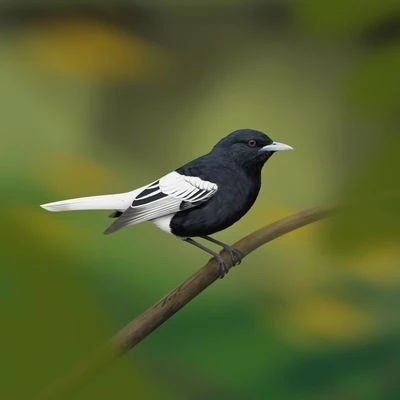
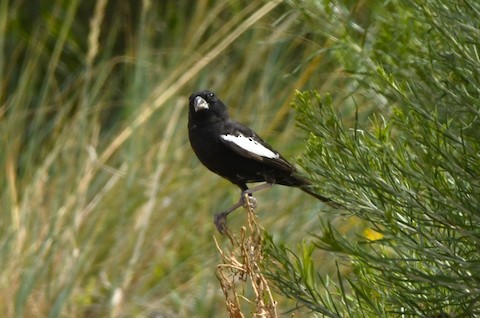
The Lark Bunting is a medium-sized songbird. Males and females look quite different. Male birds have black feathers with white wing patches in the breeding season.
Females have brown and white streaked feathers. This helps them blend into grassy areas. The bird has a short, strong beak for eating seeds and insects.
- Length: about 7 to 8 inches
- Male breeding color: mostly black with white wings
- Female color: brown with streaks
- Strong, pointed beak
Distinctive Song
The Lark Bunting sings a clear and musical song. Its song is made of varied whistles and trills. The male sings to mark his territory and attract a mate.
The song can last several seconds and is repeated often. It is one of the reasons bird watchers love this species. The bird’s song fits well with the open prairie sounds.
Habitat And Range
The Lark Bunting lives mainly in open grasslands and prairies. It prefers dry areas with short grasses and scattered shrubs. It avoids dense forests and wetlands.
During breeding season, it is mostly found in Colorado and nearby states. In winter, it moves south to warmer areas in the southwestern United States and Mexico.
- Breeding habitat: grasslands and prairies in Colorado
- Winter range: southern U.S. and northern Mexico
- Prefers open, dry areas with low vegetation
- Rarely found in forests or wetlands
Why Colorado Chose The Lark Bunting
The Lark Bunting is the state bird of Colorado. It stands out with its unique black and white feathers. The bird is common in Colorado’s open fields and grasslands.
People in Colorado value the Lark Bunting for many reasons. It represents the spirit and nature of the state well.
Symbolic Meaning
The Lark Bunting symbolizes freedom and strength. It flies across wide open spaces, showing Colorado’s vast landscapes. Its changing colors reflect adaptability and change.
Many see the bird as a sign of hope and new beginnings. Its song brightens the quiet prairies during spring and summer.
Cultural Significance
The Lark Bunting has a place in Colorado’s culture. It appears in stories and local art, showing its importance to the people.
The bird also links to the heritage of the plains and the native plants. It reminds residents of their connection to nature and the land.
Legislative History
The Lark Bunting was chosen as Colorado’s state bird in 1931. Lawmakers wanted a bird that lived mostly in the state. The Lark Bunting fit this need perfectly.
The choice was made after public support and expert advice. It became a symbol to unite the people around nature.
Lark Bunting Behavior
The Lark Bunting is the state bird of Colorado. It shows many interesting behaviors. These help it survive in its grassland home.
This bird changes its look and actions with the seasons. Its behavior is linked to mating, feeding, and moving to new places.
Mating Rituals
Male Lark Buntings change their feathers during breeding season. They turn mostly black with white wing patches. This attracts females.
The males perform flights and sing to get attention. They show off their wing patches while flying high in the sky.
- Males turn black and white in spring
- They sing loud songs to attract mates
- Flight displays show off wing patterns
- Females choose males by their display
Feeding Habits
Lark Buntings mainly eat seeds and insects. They search on the ground or in low bushes. Insects give them protein, especially in summer.
They often feed in small groups. This helps them find food and watch for predators. They also eat grass seeds in the fall.
- Diet includes seeds and insects
- Forage on ground and low plants
- Eat more insects in summer
- Group feeding helps protect them
Migration Patterns
Lark Buntings migrate south for winter. They leave Colorado in late fall. They return in spring to breed.
Their migration routes cover parts of the southwestern United States and Mexico. They travel mostly during the day in small groups.
- Leave breeding areas in late fall
- Fly south to warmer regions
- Return north in early spring
- Travel in small groups during daytime
Credit: animals.fandom.com
Conservation Status
The state bird of Colorado is the Lark Bunting. It is a special bird for the state and lives mostly in open grasslands. Conservation status means how safe the bird is from danger or extinction.
Knowing the conservation status helps people protect the Lark Bunting and keep it healthy in nature.
Population Trends
The Lark Bunting population has changed over the years. In some places, numbers are steady. In other areas, the population drops a little.
Scientists watch these trends to understand if the bird needs more help to survive.
Threats To Survival
Many things can harm the Lark Bunting. Loss of grassland habitat is a big threat. Farming and building homes reduce safe areas for the bird.
Other threats include bad weather, predators, and pollution. These dangers can lower their numbers over time.
- Grassland destruction
- Predators like hawks and snakes
- Extreme weather changes
- Pollution and pesticides
Protection Efforts
People work to protect the Lark Bunting by saving grasslands. Some parks and reserves keep the bird’s home safe. Laws also help stop hunting and habitat loss.
Education programs teach people how to help the bird. Volunteers plant native grasses and watch the birds to keep them safe.
- Grassland preservation projects
- Legal protection for habitats
- Public education and awareness
- Volunteer monitoring programs
Spotting The Lark Bunting In Colorado
The Lark Bunting is Colorado's state bird. It is easy to recognize by its black and white feathers. Birdwatchers enjoy seeing this bird in open fields and prairies.
This bird changes its look in the breeding season. Spotting it can be fun if you know where and when to look.
Best Locations
Lark Buntings prefer wide open spaces. They like grasslands and prairies with few trees. These places help them find food and build nests.
Some top places to see Lark Buntings in Colorado are:
- San Luis Valley
- Pawnee National Grassland
- Comanche National Grassland
- South Platte River Valley
Ideal Seasons
The best time to spot Lark Buntings is during spring and summer. This is their breeding season. Males show their bright black and white colors to attract mates.
In fall and winter, Lark Buntings leave Colorado for warmer places. So, spotting them is harder outside spring and summer.
Birdwatching Tips
Bring binoculars to see Lark Buntings clearly from a distance. Stay quiet to avoid scaring them away. Use light clothing to blend with nature.
Look for their unique song. Male Lark Buntings sing a soft warble to mark their territory. Early morning is a great time for birdwatching.
- Use binoculars for a closer view
- Wear neutral colors to stay hidden
- Listen for their soft warbling song
- Visit early morning for best activity
- Stay on trails to protect habitats
Lark Bunting In Local Culture
The Lark Bunting is the state bird of Colorado. It holds a special place in the local culture. People admire its black and white feathers and beautiful song.
This bird often appears in art, festivals, and school programs. It helps connect people with Colorado's natural heritage.
Art And Literature
Many local artists paint the Lark Bunting in their work. The bird's colors and shapes inspire drawings and sculptures. Writers also mention the Lark Bunting in poems and stories about Colorado nature.
The bird symbolizes freedom and the wild beauty of the state. It often appears in children’s books to teach about wildlife.
Festivals And Events
Colorado hosts events that celebrate the Lark Bunting. These events include birdwatching tours and nature walks. Families enjoy spotting the bird in its natural habitat.
Local festivals sometimes feature the Lark Bunting in decorations and activities. These gatherings help raise awareness about protecting local birds.
- Annual birdwatching tours in spring
- Nature festivals with Lark Bunting themes
- Workshops on bird protection and habitat
Educational Programs
Schools in Colorado teach students about the Lark Bunting. They use the bird to explain wildlife and ecosystems. Lessons include bird identification and conservation.
Local nature centers offer programs for children and adults. These programs help people learn how to protect the Lark Bunting and its home.
- Birdwatching classes for beginners
- Workshops on bird habitat preservation
- Guided nature hikes focusing on local wildlife
Credit: ebird.org
Frequently Asked Questions
What Is The State Bird Of Colorado?
The state bird of Colorado is the Lark Bunting. It was designated as the state bird in 1931. The Lark Bunting is known for its striking black and white plumage and melodious song. This bird is commonly found in the open prairies of Colorado during the summer months.
Why Was The Lark Bunting Chosen As Colorado's Bird?
The Lark Bunting was chosen because of its distinctive beauty and melodic song. It is a symbol of the freedom and spirit found in the open prairies of Colorado. Its presence in the state during the summer months made it a fitting choice for Colorado's state bird.
Where Can You Spot Lark Buntings In Colorado?
Lark Buntings are commonly found in the eastern plains of Colorado. They prefer open grasslands and prairies. During summer, bird watchers can spot them in areas like the Pawnee National Grassland. They migrate to southern regions in winter, so they are mostly seen in Colorado from May to September.
What Does The Lark Bunting Look Like?
The male Lark Bunting is striking with black plumage and white wing patches. During the breeding season, their contrasting colors are more pronounced. Female Lark Buntings are brown with streaks, providing camouflage in their grassland habitat. Both genders are relatively small, measuring about 5 to 7 inches long.
Conclusion
The state bird of Colorado holds a special place in its natural beauty. It represents the spirit and wildlife of the region. Many people enjoy spotting this bird in parks and forests. Its colors and song bring joy to both locals and visitors.
Learning about this bird helps us appreciate nature more. Protecting its habitat is important for future generations. The Colorado state bird is more than a symbol; it is part of the state’s heart and soul. Keep an eye out for it on your next outdoor trip.