
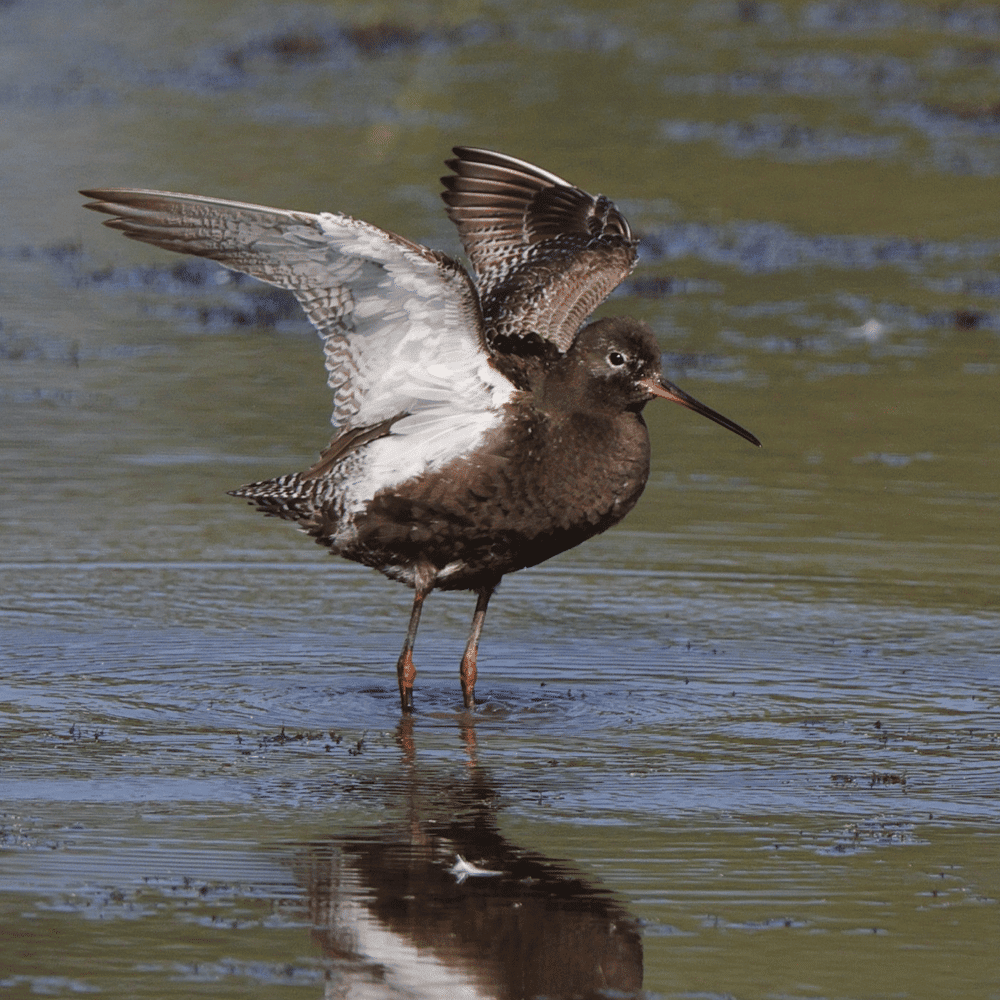
Are you passionate about birdwatching or just curious about Maine’s unique wildlife? Imagine spotting a rare bird right in your backyard or during your next outdoor adventure.
The Maine Rare Bird Alert is your go-to source to stay updated on these incredible sightings. By knowing where and when these special birds appear, you can experience moments that few get to see. Keep reading to discover how you can be the first to catch a glimpse of Maine’s most extraordinary feathered visitors.

Credit: www.aba.org
Maine’s Birdwatching Hotspots
Maine is a great place to watch birds. The state has many special areas for birdwatchers. Each spot offers chances to see rare and common birds.
Birdwatchers visit different habitats. Coastal sites, forests, wetlands, and lakes hold many bird species. These places are important for spotting rare birds in Maine.
Coastal Sites
Maine’s coast has rocky shores and sandy beaches. These spots attract seabirds and shorebirds. Birdwatchers often find rare gulls, terns, and petrels here.
Popular coastal sites include lighthouses and islands. These places give good views of birds flying or resting on rocks. Many species stop here during migration.
- Acadia National Park
- Rachel Carson National Wildlife Refuge
- Mount Desert Island
- Seawall and Popham Beach
Forested Areas
Maine’s forests are home to many songbirds and woodpeckers. Birdwatchers find species that like tall trees and quiet woods. Some rare birds nest only in these forests.
These areas have trails and clearings for watching birds. Early morning is the best time to hear and see many forest birds active and singing.
- White Mountain National Forest
- Allagash Wilderness Waterway
- Penobscot Experimental Forest
- Deboullie Public Reserved Land
Wetlands And Lakes
Wetlands and lakes attract waterfowl and wading birds. These places are great for spotting ducks, herons, and rare water birds. Many birds use wetlands for nesting and feeding.
Birdwatchers enjoy quiet walks along marsh edges and lake shores. Early spring and fall bring many migrants stopping to rest here.
- Moosehorn National Wildlife Refuge
- Sebago Lake State Park
- Cross Lake and Allagash River area
- Kennebec River wetlands
Top Rare Birds To Spot
Maine is a great place to see rare birds. Many unique species appear here each year. Bird watchers enjoy spotting these special birds.
Some rare birds live near the sea, some in forests, and others pass through during migration. This guide shows top rare birds in Maine.
Seabirds And Shorebirds
Seabirds and shorebirds visit Maine’s coast. Some are rare visitors from far away. They are often seen on rocky shores and beaches.
- Red-necked Phalarope – small, floats on water, spins while feeding
- Black Guillemot – black with white wing patches, nests in sea caves
- Pomarine Jaeger – large, fast flyer, chases other birds
- Bridled Tern – rare tropical visitor, black and white with a sharp bill
Forest Dwellers
Some rare birds live deep in Maine’s forests. They like thick trees and quiet places. These birds can be hard to find.
- Spruce Grouse – lives in spruce forests, well camouflaged
- Bicknell’s Thrush – rare songbird, sings at night, prefers high mountain forests
- Black-backed Woodpecker – lives in burned forests, pecks on dead trees
- Olive-sided Flycatcher – tall trees, catches insects in flight
Migratory Visitors
Maine sees many birds that pass through during migration. Some rare species stop here to rest and feed before moving on.
- Swainson’s Hawk – large hawk, travels from South America
- Common Crane – tall gray bird, rare in Maine, flies with neck stretched
- Western Tanager – bright yellow and red, from western US
- Snowy Owl – white owl, comes south in winter from the Arctic
Best Times For Rare Bird Sightings
Seeing rare birds in Maine is exciting for bird watchers. Knowing the best times to look helps you find these special birds.
Birds move and behave differently throughout the year and day. Understanding these patterns increases your chances of sightings.
Seasonal Migrations
Maine is a key stop during bird migrations. Many rare birds pass through in spring and fall.
Spring migration happens from April to June. Fall migration runs from August to October.
- Spring brings warblers and shorebirds
- Fall brings hawks and waterfowl
- Winter has fewer rare birds, but some stay
- Summer sightings focus on breeding birds
Daily Activity Patterns
Birds are most active at certain times of day. Early morning is best for spotting rare birds.
Birds feed and sing at dawn and dusk. Midday is quieter and less productive for sightings.
- Early morning (sunrise to 9 AM) is peak activity
- Late afternoon (4 PM to sunset) also good
- Midday is less active, fewer chances
- Weather affects activity; birds rest in rain
Credit: ebird.org
How To Use The Maine Rare Bird Alert
The Maine Rare Bird Alert helps bird watchers find rare birds in Maine. It shares recent sightings and news about unusual birds.
You can use this alert to plan trips and enjoy birdwatching. It also helps you learn about rare birds in your area.
Subscribing To Alerts
To get Maine Rare Bird Alerts, you must subscribe. The alerts come as emails or texts with the latest bird sightings.
Subscribing is free and easy. You just need to provide your email or phone number to start receiving alerts.
- Visit the Maine Rare Bird Alert website
- Choose email or text message alerts
- Enter your contact information
- Confirm your subscription
Interpreting Reports
Each alert report lists recent rare bird sightings. It shows the bird species, location, and date seen.
Read the notes carefully. They may include tips on how to find the bird or information about its behavior.
- Look for the bird name and description
- Check the exact location of the sighting
- Note the date and time of the report
- Read any special instructions or comments
Sharing Sightings
You can help others by sharing your own rare bird sightings. Send your reports to the Maine Rare Bird Alert team.
Include clear details like the bird’s name, where and when you saw it, and any photos if possible.
- Identify the rare bird you saw
- Write the location and date of the sighting
- Add notes about the bird’s behavior
- Attach photos if you have them
- Send your report via the alert submission form or email
Birdwatching Tips For Success
Birdwatching is a fun way to enjoy nature and see rare birds in Maine. To have a good experience, you need the right tools and knowledge.
These tips will help you watch birds carefully and take better photos. You will learn how to be kind to birds and what gear to bring.
Gear Essentials
Good gear makes birdwatching easier and more enjoyable. Start with binoculars that give clear views from a distance.
Wear comfortable clothes that match the weather. A hat and sunscreen protect you from the sun. Bring a notebook to write down what you see.
- Binoculars with at least 8x magnification
- Comfortable walking shoes
- Weather-appropriate clothing
- Hat and sunscreen
- Notebook and pen
- Water and snacks
Ethical Birdwatching
Respect birds and their homes while you watch. Keep a safe distance so you do not scare them.
Stay on paths and avoid loud noises. Do not feed birds or disturb nests. Always follow local rules and guidelines.
- Keep quiet and move slowly
- Watch from a distance with binoculars
- Do not touch or feed birds
- Stay on marked trails
- Respect nesting and breeding areas
Photography Tips
Use a camera with a zoom lens to capture birds without getting too close. Early morning light is best for photos.
Keep your camera steady by using a tripod or resting on a solid surface. Be patient and ready to snap photos quickly.
- Use a zoom lens (200mm or more)
- Shoot in early morning or late afternoon
- Keep the camera steady with a tripod
- Use fast shutter speed for moving birds
- Be patient and wait quietly
Credit: ebird.org
Community And Conservation Efforts
Maine Rare Bird Alert helps protect rare birds through community work. People share sightings to keep track of unusual birds.
Many groups and projects work together to save bird habitats. They also teach people how to help birds stay safe.
Local Birding Groups
Local birding groups bring bird watchers together. They meet to watch birds and learn more about them.
These groups organize walks and talks. They help new birders find rare birds in Maine.
- Maine Audubon Society
- Portland Birders
- Coastal Bird Club
- Kennebec Valley Birders
Conservation Projects
Conservation projects protect bird homes and food sources. They focus on places where rare birds live.
Projects include habitat restoration and keeping areas clean. They also track bird populations to spot changes early.
- Wetland restoration in southern Maine
- Forest protection near bird nesting sites
- Control of invasive plants harming bird habitats
- Creating safe areas free from predators
Citizen Science Opportunities
Citizen science lets people help with bird studies. Anyone can report rare bird sightings to help experts.
Volunteers also count birds during special events. This data helps track bird health and migration.
- Reporting sightings to Maine Rare Bird Alert
- Participating in bird counts and surveys
- Helping monitor nesting areas
- Sharing photos and notes for research
Frequently Asked Questions
What Is The Maine Rare Bird Alert?
The Maine Rare Bird Alert is a notification system for birdwatchers. It informs enthusiasts about rare bird sightings in Maine. Subscribers receive timely updates, enabling them to observe uncommon species. This alert helps birdwatchers plan trips to view rare birds.
How Can I Subscribe To The Alert?
Subscribing to the Maine Rare Bird Alert is easy. Visit the official website and sign up for notifications. You can choose email or text alerts. This ensures you receive timely updates on rare bird sightings in Maine.
Why Are Rare Bird Sightings Important?
Rare bird sightings contribute to conservation efforts and biodiversity studies. They provide valuable data on bird populations and migration patterns. Observing rare birds helps researchers understand environmental changes. Enthusiasts also enjoy the thrill of spotting uncommon species.
When Is The Best Time For Birdwatching In Maine?
The best time for birdwatching in Maine is during spring and fall. These seasons coincide with bird migration periods. Many species pass through Maine, offering excellent birdwatching opportunities. Early morning is ideal for observing active birds.
Conclusion
Maine Rare Bird Alert helps bird watchers find unique birds fast. It shares updates on rare sightings across the state. This service makes birding more exciting and fun. You can join local birders and enjoy nature together. Watching rare birds brings joy and new learning.
Stay tuned to alerts and explore Maine’s wildlife. Don’t miss chances to see special birds near you. Keep your binoculars ready and happy birding!



