Have you ever wondered where those beautiful birds disappear to during different seasons? Ohio becomes a busy stopover for many migratory birds each year. If you love nature and want to see amazing bird species up close, this is your chance. Discover which birds visit Ohio, when to spot them, and why their journey is so important. By learning about Migratory Birds in Ohio, you can unlock the secrets of nature right in your own backyard. Your next birdwatching adventure starts here!
Key Migratory Birds In Ohio
Ohio is home to many migratory birds. Each year, these birds travel through the state during spring and fall. Bird watchers enjoy spotting these beautiful travelers. The state’s varied habitats provide food and shelter for many species. Ohio’s lakes, forests, and wetlands are important stops for Ohio migratory birds on their long journeys.
Warblers And Their Colors
Warblers are small songbirds with bright colors. They arrive in Ohio during spring to breed. Many warblers show yellow, orange, and green shades on their feathers.
These birds are quick and often hard to see. Bird watchers look for their colorful wings and lively movements in trees and bushes.
- Yellow Warbler: bright yellow with rusty streaks
- Black-throated Green Warbler: green back, yellow face
- American Redstart: black with orange patches
- Common Yellowthroat: olive body with a black mask
Waterfowl Varieties
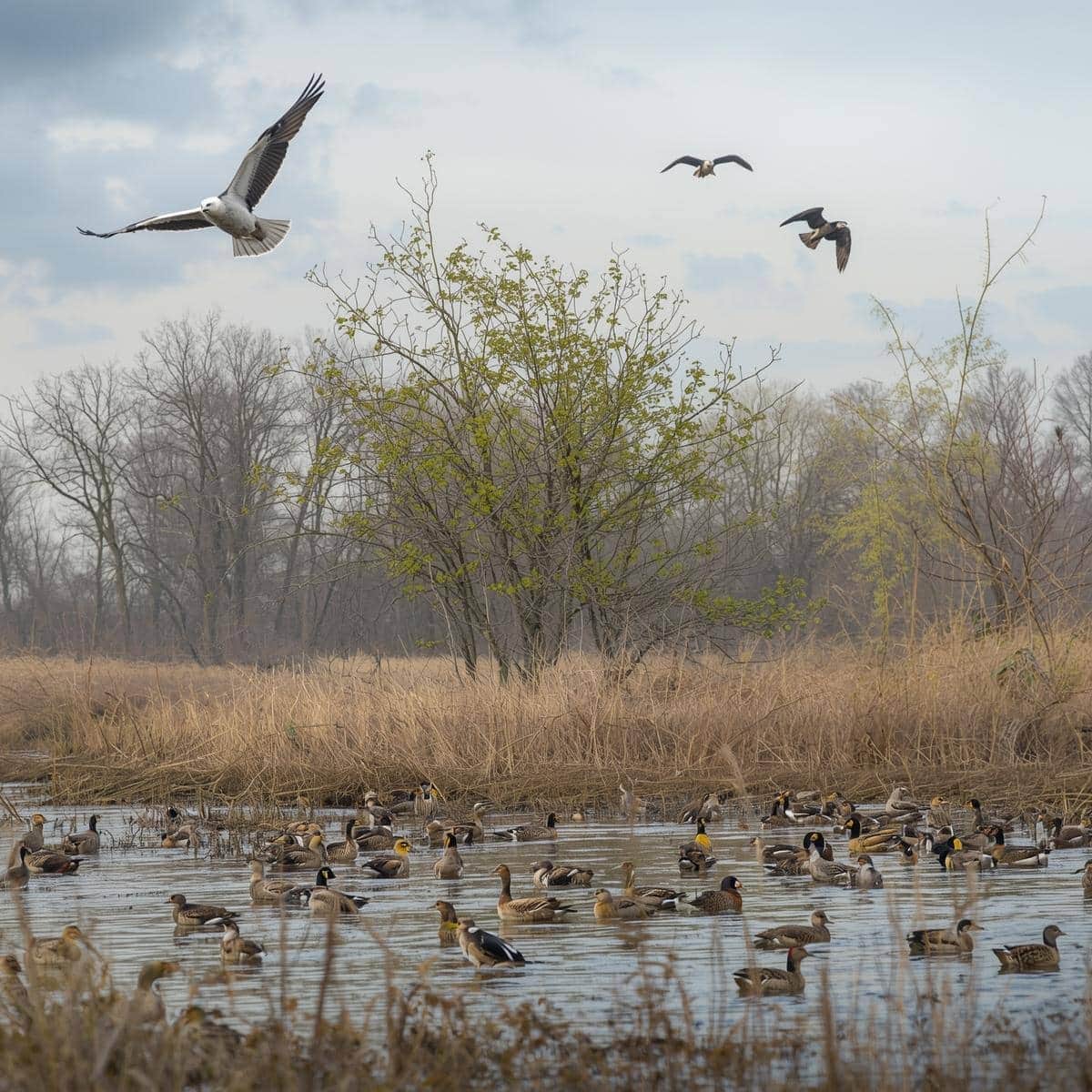
Waterfowl include ducks, geese, and swans. Ohio’s lakes and rivers are ideal stopovers for these birds. Many waterfowl pass through in large flocks.
Some species stay longer during migration to rest and feed. Their calls and bright colors make them easy to spot on the water.
- Canada Goose: large, with black head and neck
- Mallard Duck: males have shiny green heads
- Tundra Swan: white with long necks
- Wood Duck: colorful with red eyes and patterned feathers
Raptors On The Move
Raptors are birds of prey like hawks and eagles. They migrate through Ohio in the fall and spring. These birds use Ohio’s updrafts to soar during their long trips.
Raptors help control rodent and insect populations. They have sharp eyes and strong talons for hunting.
- Red-tailed Hawk: large, reddish tail feathers
- Bald Eagle: white head, dark brown body
- Sharp-shinned Hawk: small with short wings
- Osprey: white underside, dark back
Shorebirds To Watch
Shorebirds live near water edges and mudflats. Ohio’s lakeshores and wetlands are good places to see them. These birds have long legs and beaks for probing mud.
Shorebirds stop in Ohio to rest and eat during migration. Many species show interesting colors and patterns on their feathers.
- Killdeer: brown with two black neck bands
- Greater Yellowlegs: long yellow legs, spotted body
- Wilson’s Snipe: striped head, long straight bill
- Least Sandpiper: small, with brown and white feathers
%20copy.jpg)
Credit: jimmccormac.blogspot.com
Prime Birdwatching Locations
Ohio is a great place to see many migratory birds. Each year, birds travel through the state during their seasonal journeys. Birdwatchers visit special spots to watch these birds. If you are looking for birds that migrate through Ohio, here are some of the best locations for viewing.
Lake Erie Shores
The shores of Lake Erie attract many migratory birds. The lake’s wetlands and beaches provide food and shelter.
Birdwatchers can see waterfowl, shorebirds, and songbirds during migration seasons.
- Great Blue Herons
- Snowy Egrets
- Various species of ducks and geese
Cuyahoga Valley National Park
This park offers a mix of forests, rivers, and open fields. It is a peaceful place to watch migrating birds.
Visitors often spot warblers, hawks, and woodpeckers during spring and fall migrations.
- Yellow Warblers
- Red-tailed Hawks
- Downy Woodpeckers
Killdeer Plains Wildlife Area
This large wetland area is important for migratory birds. It offers safe resting and feeding spots.
Birdwatchers often see shorebirds and waterfowl here, especially during spring migration.
- Killdeer Plovers
- Sandpipers
- Canada Geese
Magee Marsh Wildlife Area
Magee Marsh is famous for its spring warbler migration. Thousands of birds stop here each year.
It is one of the top places in the country to see many colorful songbirds in one visit.
- Black-throated Green Warblers
- Prothonotary Warblers
- Ovenbirds
Migration Seasons And Timing
Ohio is an important stop for many migratory birds. Each year, birds travel through the state during specific seasons.
These migration seasons help birds find food and safe places to rest. Timing varies by species and weather.
Spring Migration Peaks
Spring migration in Ohio mainly happens from March to May. Birds move north to their breeding grounds. Peak times are usually in April. Many songbirds, waterfowl, and raptors pass through then during the height of bird migration in Ohio.
Warblers and thrushes arrive in early April
Ducks and geese peak in late March
Hawks move through mostly in mid to late April
Fall Migration Patterns
Fall migration lasts from August to November. Birds head south to warmer places.
Many birds stop in Ohio to feed and rest. Peak migration often occurs in September and October.
- Songbirds start moving in August
- Waterfowl peak in October
- Raptors migrate mostly in September and October
Weather Impact On Migration
Weather changes affect when and how birds migrate through Ohio. Birds watch for good flying conditions.
Strong winds, storms, and cold fronts can delay or speed up migration. Birds may rest longer during bad weather.
- Warm, calm days help birds move faster
- Storms can cause birds to stop and wait
- Cold fronts often trigger large migration movements
Credit: ohiomemory.ohiohistory.org
Tips For Birdwatching Success
Ohio birdwatching is exciting during migratory seasons. Many birds pass through this state on their long journeys. To enjoy your time and spot more birds, you need some helpful tips. These will make your experience better and more fun.
Best Gear And Equipment
Good gear helps you see birds clearly and stay comfortable outside. Start with a quality pair of binoculars.
Wear clothes that match the season and environment. Bring a notebook to record your sightings and a field guide for bird identification.
- Binoculars with 8x to 10x magnification
- Comfortable, weather-appropriate clothing
- Notebook and pencil for notes
- Field guide book or app
- Water bottle and snacks
- Hat and sunscreen for sun protection
Photography Tips
Use a camera with a zoom lens to capture birds from a distance. Avoid using flash to prevent scaring the birds.
Take photos early in the morning or late afternoon. The light is soft, and birds are more active at these times.
- Use a zoom lens (200mm or higher)
- Turn off the flash
- Shoot during early morning or late afternoon
- Use a tripod for steady shots
- Be patient and move slowly
Ethical Birdwatching Practices
Respect birds and their habitats. Stay on trails and avoid disturbing nests or feeding areas.
Keep a safe distance. Use binoculars or zoom lenses to observe without causing stress to the birds.
- Do not touch or handle birds
- Keep noise levels low
- Do not feed birds human food
- Stay on marked paths
- Dispose of trash properly
Conservation Efforts In Ohio
Ohio is home to many migratory birds that travel long distances. Protecting these birds is important for nature and the environment.
Conservation groups and communities in Ohio work hard to keep these birds safe and their habitats healthy.
Habitat Protection Initiatives
Ohio has many programs to protect the natural places where migratory birds live and rest. Wetlands, forests, and fields are kept safe from harm. These habitats provide food, shelter, and breeding areas for Migratory Birds in Ohio during their long journeys.
Preserving wetlands to support bird feeding and nesting
Restoring forests to increase safe resting spots
Creating protected areas where birds can breed
Controlling pollution to keep habitats clean
Community Involvement
Local people in Ohio play a big role in helping migratory birds. Volunteers join events to watch birds and learn about them.
Communities also help by reporting bird sightings and supporting local conservation groups.
- Participating in bird counts and surveys
- Joining clean-up and planting events
- Educating neighbors about bird safety
- Supporting local wildlife organizations
How To Support Migratory Birds
You can help migratory birds by making your yard safe and welcoming. Simple actions can make a big difference.
Providing food, water, and shelter helps birds rest and refuel during migration.
- Plant native flowers and shrubs for food and cover
- Put out fresh water for drinking and bathing
- Avoid using pesticides that harm birds
- Keep cats indoors to protect birds
- Use bird-friendly window designs to prevent collisions
%20copy.jpg)
Credit: jimmccormac.blogspot.com
Frequently Asked Questions
What Are Common Migratory Birds In Ohio?
Ohio hosts a variety of migratory birds each year. Common species include the American Robin, Baltimore Oriole, and Ruby-throated Hummingbird. These birds travel through Ohio during their seasonal migrations, often stopping in forests, wetlands, and grasslands. Birdwatchers can enjoy spotting these species during peak migration periods.
When Do Birds Migrate Through Ohio?
Birds typically migrate through Ohio in spring and fall. Spring migration occurs from March to May, while fall migration happens from September to November. During these times, birdwatchers can witness a diverse range of species traveling through the state, attracted by Ohio’s rich habitats and resources.
How To Attract Migratory Birds To Your Yard?
Attract migratory birds by providing food, water, and shelter. Plant native trees and shrubs to offer natural food sources and cover. Install bird feeders and birdbaths to entice birds. Ensure a safe environment by keeping cats indoors and minimizing the use of pesticides, which can harm birds.
Why Is Ohio Important For Migratory Birds?
Ohio’s diverse habitats make it crucial for migratory birds. The state provides essential stopover sites for resting and refueling. Wetlands, forests, and grasslands offer abundant food and shelter. Ohio’s central location along migratory routes also makes it a vital passage for numerous bird species each year.
Conclusion
Ohio migratory birds travel long distances each year to find food and safe places. Watching them helps us learn about nature’s cycles. Protecting their habitats keeps these birds safe and healthy. Each visit brings new species and stories. Birdwatching in Ohio can be fun and relaxing. It connects us with the changing seasons and the wild world around us. Remember, small actions help keep migratory birds thriving here. Enjoy the beauty of Ohio’s skies and forests. Nature’s travelers remind us how connected life truly is.