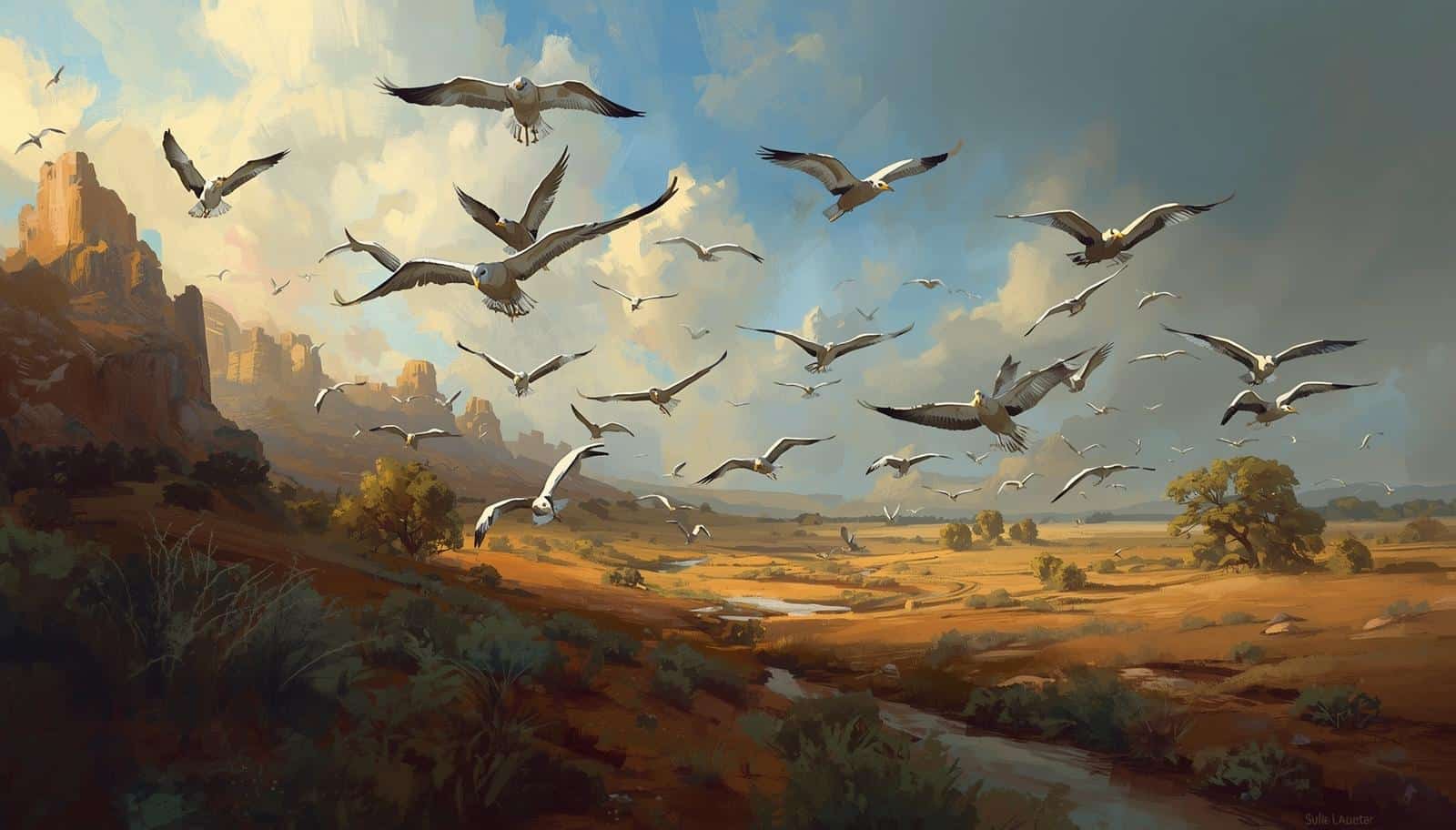
Have you ever wondered why some birds seem to arrive earlier or later than usual each year? The answer lies in a powerful force changing our planet—how global warming affects bird migration.
This shift in the Earth’s climate is quietly disrupting the natural rhythm of bird migration, affecting not only the birds but also the delicate balance of ecosystems you care about. Understanding how global warming affects bird migration will open your eyes to the hidden consequences that ripple through nature—and why your awareness and actions matter now more than ever.
Keep reading to discover the surprising ways global warming is reshaping bird migration and what it means for the world you love.
Bird Migration Patterns
Bird migration is the regular movement of birds between breeding and wintering areas. Many birds travel thousands of miles each year to find food and better living conditions.
Global warming changes the climate and affects these migration patterns. Birds must adapt to new temperatures and food availability.
Traditional Routes
Birds follow traditional routes passed down through generations. These routes lead them to safe places with food and shelter.
Global warming changes habitats along these routes. Some stopover sites may dry up or lose food sources, forcing birds to find new paths.
- Changes in wind patterns can affect flight paths
- Loss of wetlands reduces resting spots
- Warmer areas may cause birds to skip some stops
Timing And Duration
Birds usually migrate at the same time each year. The timing matches food availability and weather conditions.
Global warming causes earlier springs and delayed winters. Birds may start migrating sooner or later than usual. This can disrupt their food supply and breeding.
- Early migration may cause food shortages
- Longer migration times increase energy use
- Some birds shorten their migration distance
Ecosystem Ecologists explain the “Green Wave” theory: “Migratory birds traditionally ‘surf the green wave,’ timing their arrival to match the exact moment when plants bud and caterpillars emerge. However, global warming is causing plants to bloom earlier, while bird migration—often triggered by day length rather than temperature—remains the same. This creates a Phenological Mismatch: by the time the birds arrive, the peak of high-protein insects has already passed, leaving parents struggling to find enough food for their hungry chicks.”
Impact Of Rising Temperatures
Global warming causes the Earth’s temperature to rise. This change affects many living creatures. Birds, especially, feel the impact in their migration habits.
Rising temperatures alter the timing and places birds use during their long journeys. These changes can affect their survival and breeding success.
Shifted Migration Schedules
Birds now start migrating earlier or later than before. Warmer springs make some birds leave their winter homes sooner. Others delay their departure from breeding areas because food stays available longer.
- Warmer temperatures cause early food availability.
- Birds adjust their migration to match food peaks.
- Early or late migration can affect breeding success.
- Some species arrive too soon or too late for nesting.
Altered Stopover Sites
Stopover sites are places birds rest and feed during migration. Rising temperatures change these sites. Some become less suitable due to heat or drought.
| Stopover Site | Change Due to Rising Temperatures |
| Wetlands | Drying out, less water available |
| Forests | Shifts in food and shelter availability |
| Coastal areas | Rising sea levels reduce habitat size |
Changes In Habitat
Global warming changes the places where birds live and raise their young. These changes affect bird migration patterns.
Birds rely on stable habitats to breed and find food. When these habitats change, birds must adapt or move.
Loss Of Breeding Grounds
Many birds lose their breeding grounds as temperatures rise and weather patterns shift. Wetlands dry up and forests shrink.
- Rising temperatures reduce water in nesting areas.
- Human activity increases as land use changes.
- Plants that birds use for nests may disappear.
Availability Of Food Sources
Food sources for birds change with the climate. Insects, seeds, and fruits may become less available during migration.
| Food Source | Effect of Global Warming |
| Insects | Populations shift, fewer in some areas |
| Seeds | Plant growth cycles change |
| Fruits | Ripen earlier or become scarce |
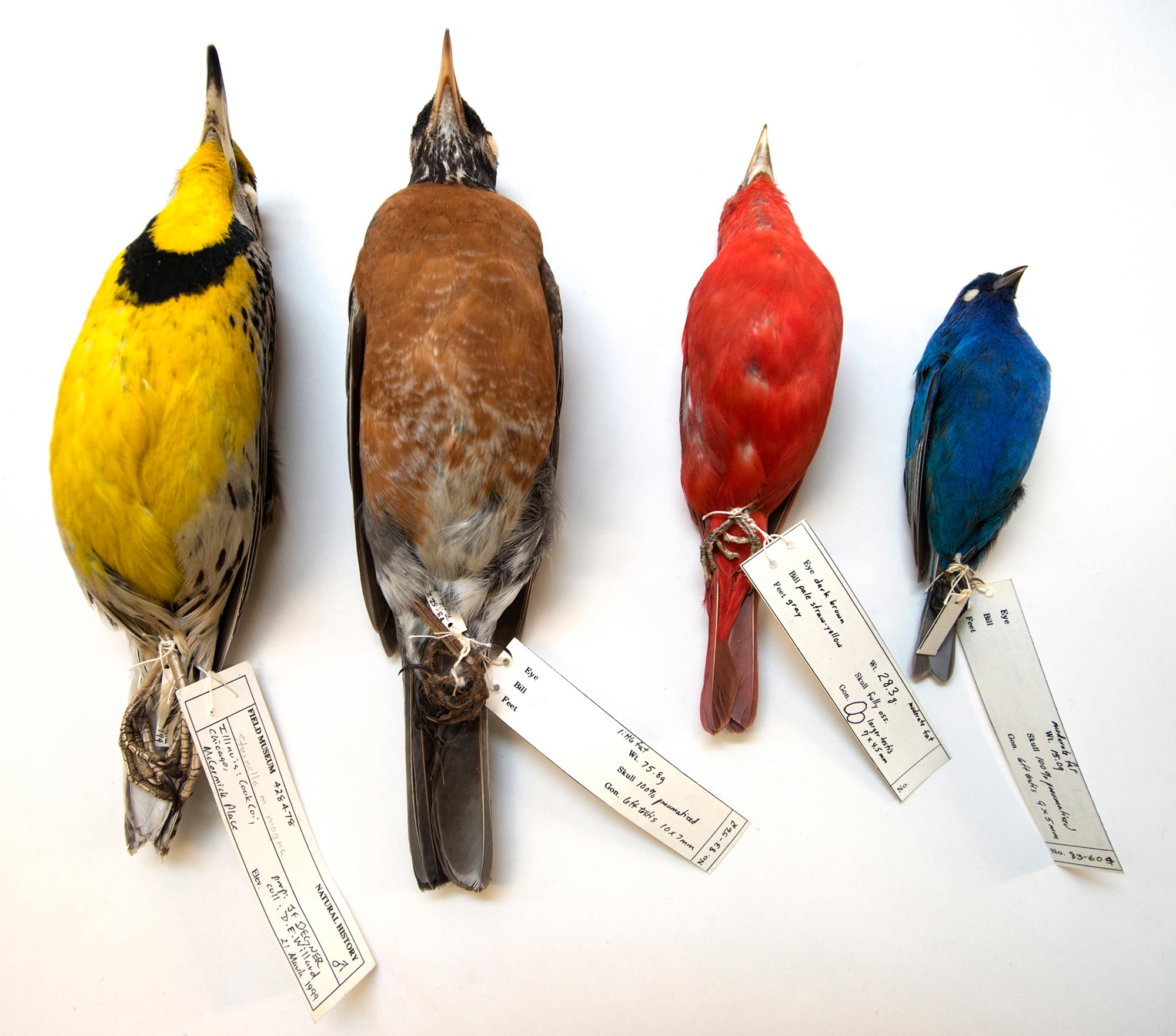
Credit: scitechdaily.com
Behavioral Adaptations
Global warming changes the way birds migrate. Birds must adapt their behavior to survive. These changes help them cope with new challenges.
Birds change their routes, timing, and habits. These adjustments show how climate affects their migration patterns.
New Migration Strategies
Birds alter when and where they migrate to find food and safe places. Some migrate earlier or later. Others choose different paths to avoid bad weather.
- Start migration earlier in spring
- Delay migration in autumn
- Use shorter or longer routes
- Stop at new resting spots
- Change flying altitude
Increased Stress And Mortality
Changing migration can cause stress to birds. They may face more danger and have less energy. This can increase death rates during migration.
| Cause | Effect on Birds |
| Longer flights | More fatigue and hunger |
| Unfamiliar routes | Higher risk of predators |
| Fewer resting spots | Less recovery time |
| Weather extremes | Increased mortality |
Species At Greatest Risk
Global warming changes where and when birds migrate. Some species face bigger problems than others. Rising temperatures and shifting seasons make it hard for many birds to survive.
Birds that travel long distances or rely on specific habitats are most at risk. These changes can cause food shortages and unsafe resting spots during migration.
Long-distance Migrants
Long-distance migrants travel thousands of miles between breeding and wintering areas. They depend on many stopover sites along their journey. Climate change affects these sites and the timing of their migration.
- Timing mismatch: Birds arrive too early or late for food and insects.
- Loss of stopover habitats due to droughts or storms.
- Increased energy use because of longer flights or bad weather.
- Changes in wind patterns make migration harder.
Specialized Habitat Birds
Birds that live in specific habitats face high risks from warming. These habitats may shrink or disappear. Birds cannot easily move to new areas if their home is gone.
| Species | Habitat | Risk Factor |
| Wood Thrush | Deciduous Forests | Forest loss and temperature rise |
| Snowy Owl | Arctic Tundra | Melting ice and prey decline |
| Saltmarsh Sparrow | Coastal Marshes | Sea level rise and flooding |
| Prairie Warbler | Grasslands | Habitat fragmentation and drought |
Consequences For Ecosystems
Global warming changes the way birds migrate. These changes affect whole ecosystems. Birds play important roles in nature.
When birds arrive too early or late, plants and animals suffer. This shift can unbalance nature’s delicate systems.
Disrupted Pollination
Many birds help pollinate plants by carrying pollen from flower to flower. If birds migrate at different times, plants may not get pollinated.
Some plants depend on specific birds to grow fruits and seeds. Without pollination, these plants can fail to reproduce well.
- Plants produce fewer seeds and fruits
- Food sources for other animals decrease
- Plant diversity may decline over time
Imbalanced Food Webs
Birds are key players in food chains. They eat insects and small animals and serve as food for bigger animals. Changes in migration affect these roles.
If birds arrive late, insect populations may grow unchecked. This can harm crops and plants. Predators that rely on birds may also struggle to find food.
- Insect populations may increase too much
- Predators lose a food source
- Balance between species breaks down
Conservation Efforts
Global warming changes bird migration patterns and threatens their survival. Conservation efforts help protect birds during these changes.
Scientists and groups work together to save important habitats and track migration shifts. These actions support bird populations.
Protecting Critical Habitats
Birds need safe places to rest, feed, and breed along their routes. Protecting these habitats is key to their survival.
- Preserve wetlands and forests where birds gather
- Create protected areas to prevent habitat loss
- Restore damaged environments to support bird life
- Limit pollution and human disturbance in critical zones
Monitoring Migration Changes
Tracking how birds change their routes helps understand climate impacts. Scientists use data to guide conservation actions.
| Method | Purpose |
| Satellite Tracking | Follow long-distance migration |
| Bird Banding | Identify individual birds and study movement |
| Citizen Science | Collect data from many observers worldwide |
| Weather Radar | Monitor large flocks and migration timing |
Conservation Data Scientists recommend using eBird: “We are currently seeing a massive shift in ‘first-arrival’ dates across the globe. By using the eBird app to log the very first time you see a specific migratory species in your yard each spring, you are providing ‘ground-truth’ data. This helps us map the speed of climate change impacts more accurately than satellite imagery alone ever could.”

Credit: www.numberanalytics.com
Credit: greenly.earth
Frequently Asked Questions
How Does Global Warming Change Bird Migration Patterns?
Global warming shifts temperature and weather, altering birds’ migration timing and routes. Birds may arrive earlier or later, disrupting breeding and food availability.
Why Do Some Birds Migrate Shorter Distances Now?
Rising temperatures reduce the need for long migrations. Birds find suitable habitats closer, decreasing travel risks and energy use.
What Impact Does Climate Change Have On Bird Survival?
Climate change affects food sources, habitats, and weather conditions. Birds face increased stress, lower reproduction rates, and higher mortality during migration.
Can Global Warming Cause Birds To Stop Migrating?
Yes, some species may become resident if conditions stay favorable year-round. This can affect ecosystem balance and biodiversity.
Conclusion
Global warming changes bird migration patterns. Birds struggle to find food and habitats. Rising temperatures confuse their natural signals. Many birds travel earlier or later than before. This shift affects ecosystems and biodiversity. Some species face extinction risks. We must understand these changes to help birds.
Protecting their habitats can aid survival. Simple actions can make a difference. Supporting conservation efforts is crucial. Together, we can protect these beautiful creatures. Birds are vital to our planet’s health. Let’s ensure they continue to thrive.