Bird Migration Timing: Amazing Seasonal Patterns Explained
Have you ever wondered why birds seem to disappear and reappear at certain times of the year? It’s all about bird migration timing.
This fascinating natural phenomenon is like a well-choreographed dance, guided by the innate instincts of these incredible creatures. Understanding the timing of bird migration can reveal secrets about the world’s climate, ecosystems, and even your local environment. By diving into the mysteries of when and why birds migrate, you can gain a deeper appreciation for the natural world and learn how to support these winged travelers.
Stick around to discover the surprising factors that influence bird migration timing and how it impacts life as we know it.
Migration Patterns
Bird migration happens when birds move from one place to another. They travel to find better food or climate. Timing and routes of migration depend on species and weather. These patterns help birds survive seasonal changes.
Seasonal Routes
Birds follow set paths called migratory routes. These routes change with the seasons. In spring, birds fly north to breed. In fall, they return south for warmer weather.
- Spring routes lead to breeding grounds
- Fall routes lead to wintering areas
- Routes often use landmarks like rivers or coasts
Distance Variations
Migration distances vary by bird species. Some fly short distances, others travel thousands of miles. Long-distance migrants face more risks but find better resources. Short-distance migrants stay closer to home.
- Short-distance: less than 500 miles
- Medium-distance: 500 to 2,000 miles
- Long-distance: more than 2,000 miles
Stopover Sites
Birds rest and eat at stopover sites during migration. These places help them regain energy. Stopover sites include wetlands, forests, and fields. Birds use these areas to prepare for the next leg.
- Provide food and water
- Offer shelter from predators
- Allow birds to rest and recover

Credit: www.allaboutbirds.org
Environmental Cues
Bird migration depends on many signals from nature. These signals tell birds when to start their journey. Environmental cues like daylight, temperature, and food help birds time their migration well.
Daylight Changes
Birds notice changes in daylight length as seasons change. Longer or shorter days trigger their migration instincts.
- Longer days in spring signal birds to move north.
- Shorter days in fall prompt birds to fly south.
- Daylight affects hormone levels that start migration.
Temperature Shifts
Temperature changes tell birds about approaching seasons. Cooler or warmer weather signals when to leave or return.
| Season | Temperature Change | Migration Effect |
| Spring | Warming | Start northward migration |
| Fall | Cooling | Begin southward migration |
| Winter | Cold | Stay in warmer places |
Food Availability
Birds check food supplies before migrating. Food sources must be enough for energy during travel.
- Abundance of insects in spring
- Ripe fruits and seeds in fall
- Less food in winter forces migration
Biological Mechanisms
Bird migration timing depends on many biological factors. These help birds know when to start their long journeys. Scientists study these mechanisms to understand how birds sense changes in seasons and prepare for migration.
Internal Clocks
Birds have internal clocks that track day and night cycles. These clocks tell them when to rest, feed, and fly. The circadian clock helps birds measure time within a day. Another clock, called the circannual clock, tracks yearly changes.
Hormonal Triggers
Hormones control many changes in birds before migration. These include fat storage and muscle growth for long flights.
- Melatonin signals changes in light and triggers rest cycles.
- Corticosterone helps birds respond to stress and energy needs.
- Testosterone affects breeding behavior and migration timing.
- Thyroid hormones regulate metabolism and prepare birds for flight.
Genetic Influences
Genes play a key role in migration timing. They help birds inherit the right signals to start migration.
| Gene | Function |
| Clock | Regulates daily and seasonal rhythms |
| Per | Works with Clock gene for timing |
| Cry | Helps sense light changes |
| ADCYAP1 | Linked to migration distance and timing |
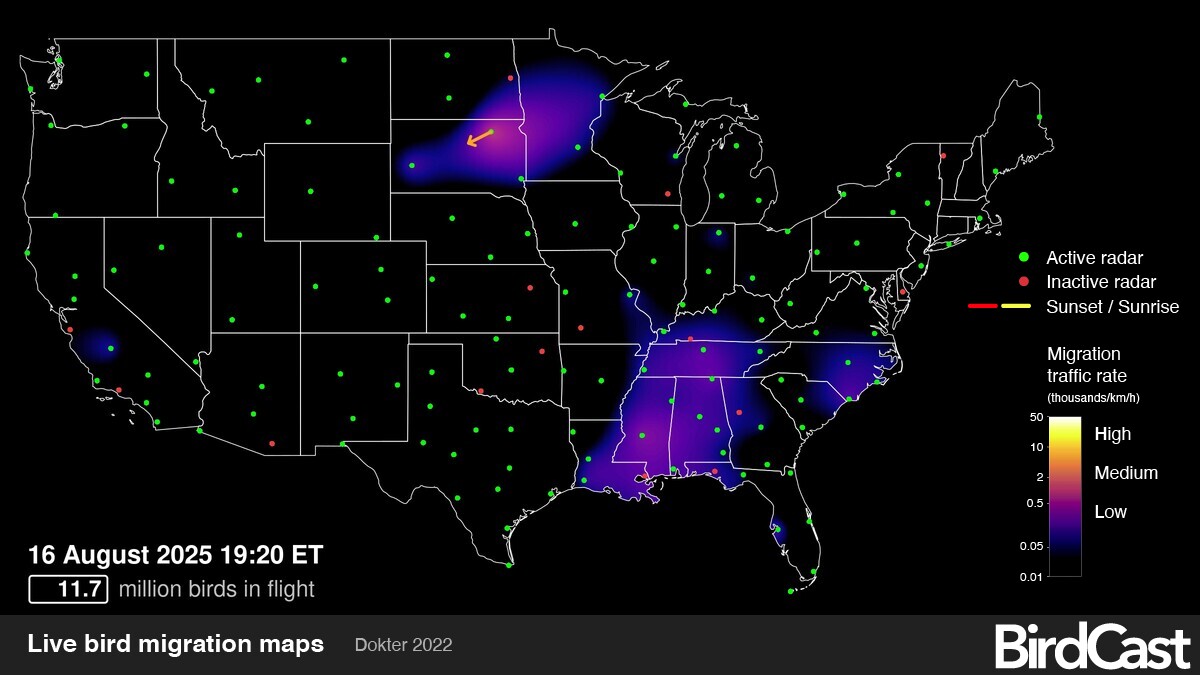
Credit: birdcast.info
Impact Of Climate Change
Bird migration depends on the seasons and weather. Climate change changes these patterns. This affects when and where birds migrate. Rising temperatures and shifting weather patterns cause new challenges. Birds must adapt to survive in a changing world.
Shifts In Timing
Birds are starting their migrations earlier or later than before. This shift can cause problems with food and breeding.
- Early migration can mean food is not ready.
- Late migration can cause missed breeding times.
- Timing changes vary by species and region.
Altered Routes
Many birds change their migration paths due to climate changes. Some fly longer or shorter distances. Others avoid areas that become unsuitable.
| Route Change | Reason |
| Longer routes | To find food and water |
| Shorter routes | Warmer local climates |
| New stopovers | Lost habitat on old paths |
Consequences For Survival
Changes in migration affect bird survival. Birds may face hunger, exhaustion, or fewer young. Some species struggle more than others.
- Less food along new routes
- Increased risk from predators
- Poor weather during migration
- Loss of safe resting spots
Technological Advances
Tracking bird migration has improved with new technology. It helps scientists learn about birds’ routes and timing. Technology makes it easier to collect and study large amounts of data. This helps in understanding migration patterns better.
Tracking Devices
Small tracking devices attach to birds to record their movements. These devices use GPS or radio signals to send location data.
- Lightweight GPS tags record exact migration paths
- Radio transmitters help track birds in real time
- Geolocators measure light levels to estimate location
- Satellite tags provide data from remote areas
Data Analysis Tools
Scientists use software to analyze migration data from tracking devices. This helps find patterns and changes over time.
| Tool | Purpose |
| GIS Mapping | Visualize bird routes on maps |
| Statistical Models | Predict migration timing and changes |
| Machine Learning | Identify patterns in large data sets |
| Database Systems | Store and organize tracking data |
Citizen Science Contributions
Many people help gather migration data by observing birds. Their reports add valuable information to scientific studies.
- Recording bird sightings on apps and websites
- Participating in bird count events
- Sharing photos and notes of migrating birds
- Helping track unusual migration times or routes

Credit: www.allaboutbirds.org
Conservation Efforts
Bird migration happens every year as birds travel to find food and better weather. Protecting these birds is important for nature and the environment. Conservation efforts help keep bird populations healthy. These efforts focus on saving places birds need and making laws to protect them.
Protecting Habitats
Birds need safe places to rest and feed during their long trips. Many groups work to save wetlands, forests, and grasslands. These habitats give birds food and shelter.
- Preserve wetlands to provide water and food
- Plant native trees to offer shelter
- Limit development in key bird areas
- Restore damaged habitats to support birds
Policy Changes
Governments make laws to protect migratory birds. These laws stop hunting and destruction of important bird areas. Policies also support research on bird migration.
| Policy Name | Purpose | Effect |
| Bird Protection Act | Stop hunting | Reduces bird deaths |
| Habitat Conservation Law | Save habitats | Protects resting areas |
| Migration Research Fund | Support studies | Improves knowledge |
Public Awareness
People learn how important birds are for nature. Awareness helps communities join efforts to protect birds during migration. Schools and groups share facts about bird safety.
- Organize bird watching events
- Share information on social media
- Teach kids about bird migration
- Promote clean-up of natural areas
Frequently Asked Questions
What Determines The Timing Of Bird Migration?
Bird migration timing depends on daylight length, temperature, and food availability. Birds use these cues to start migration at optimal times for survival and breeding.
How Does Climate Change Affect Bird Migration Timing?
Climate change shifts temperatures and seasons, causing earlier or later migrations. This disrupts birds’ breeding cycles and food access, impacting their survival.
Why Do Some Birds Migrate Earlier Than Others?
Early migrants respond to different environmental cues and breeding needs. Species vary in timing due to habitat, food sources, and evolutionary adaptations.
How Do Birds Navigate During Migration?
Birds navigate using the sun, stars, magnetic fields, and landmarks. These methods guide them accurately to their seasonal habitats over long distances.
Conclusion
Bird migration timing shows how nature adapts to seasons. Birds follow the best weather and food sources. Changes in timing can tell us about climate shifts. Watching migration helps protect these amazing travelers. Understanding their patterns makes us care more for wildlife.
Each year brings new lessons about their journey. Migration is a sign of life’s delicate balance. Paying attention helps keep their paths safe and clear. Bird migration timing connects us to the natural world. It reminds us to respect and protect our environment.