Amazing Speed: How Fast Do Birds Fly During Migration
Ever watched a flock of birds soar across the sky and wondered, “How Fast Do Birds Fly During Migration?” You’re not alone.
Many people are fascinated by the incredible feats of speed and endurance birds achieve during migration. Imagine the thrill of gliding at top speeds, covering thousands of miles, all guided by nothing more than instinct. This natural marvel might leave you with questions about the mechanics and mysteries behind it.
You will uncover the secrets of avian speed and discover just how these feathered travelers conquer such vast distances. Get ready to be amazed by the astonishing world of bird migration and the speeds that make it possible. Stay with us, and you might just find yourself looking at the sky with newfound awe and appreciation.
Bird Migration Basics
Bird migration is a natural movement of birds from one place to another. Birds fly long distances to find food and better living conditions. During migration, birds can cover thousands of miles. Their flying speed changes depending on the species and weather.
Why Birds Migrate
Birds migrate to find food, better weather, and safe places to breed. They leave cold areas to avoid harsh winters. Migration helps birds survive by moving to places with more resources. It also helps them raise their young where it is safer.
Common Migration Routes
Birds follow specific paths called migration routes. These routes connect their summer and winter homes. Routes often follow coastlines, rivers, and mountain ranges. Birds use these landmarks to navigate during their flight.
- Atlantic Flyway along the East Coast of North America
- Pacific Flyway along the West Coast of North America
- Central Flyway through the middle of North America
- Mississippi Flyway along the Mississippi River

Credit: www.wildlifenomads.com
Typical Flight Speeds
Bird migration is a long journey many birds take every year. Their flight speed changes based on many things. Knowing how fast birds fly helps us understand their energy use and travel time.
Average Speeds By Species
Different bird species fly at different speeds during migration. Some birds are faster than others because of their size and wing shape.
| Bird Species | Typical Flight Speed (mph) |
|---|---|
| Swallow | 25-35 |
| Canada Goose | 40-50 |
| Arctic Tern | 30-40 |
| Sandhill Crane | 30-45 |
| Bar-tailed Godwit | 40-50 |
Small birds like swallows fly slower, while larger birds like geese fly faster. Some birds can reach even higher speeds during strong winds.
Factors Affecting Flight Speed
Flight speed changes because of weather, wind, and how tired a bird feels. Birds try to save energy during long trips.
- Wind direction and strength can help or slow birds down.
- Temperature affects bird muscle performance.
- Bird weight and fat stores change flying power.
- Flight altitude can make flying easier or harder.
- Birds may change speed to avoid predators or find food.
Birds use these factors to choose the best speed for their migration journey.
Record-breaking Flight Speeds
Bird migration is one of nature’s greatest feats. Some birds fly thousands of miles at amazing speeds. Their fast flights help them reach warm places quickly. Understanding how fast these birds fly shows how well they adapt. Speed helps birds avoid bad weather and predators during migration.
Fastest Migratory Birds
Some birds are known for their record-breaking speeds during migration. The peregrine falcon is the fastest, reaching over 200 miles per hour in dives. But in steady flight, other birds hold speed records.
- Arctic Tern: Flies up to 50 miles per hour on long journeys.
- Grey-headed Albatross: Can reach speeds near 79 miles per hour.
- Swallow: Maintains flight speeds around 35 to 40 miles per hour.
- Common Swift: Known to fly nonstop for hours at speeds up to 70 miles per hour.
Speed During Different Flight Phases
Birds change their speed during various flight stages. They fly faster in straight, long-distance flights and slower when resting or searching for food.
| Flight Phase | Typical Speed (mph) | Purpose |
| Takeoff | 10 – 20 | Lift off and gain altitude |
| Cruising | 30 – 50 | Long-distance travel |
| Soaring/Gliding | 20 – 40 | Energy saving and resting |
| Landing | 5 – 15 | Approach and land safely |
Environmental Influences
Birds change their flying speed during migration because of the environment. Weather and air conditions play a big role. These factors affect how fast birds can travel long distances. Understanding these influences helps us learn why birds fly at different speeds. It also shows how nature helps or slows them down during migration.
Impact Of Wind And Weather
Wind direction and strength can speed up or slow down birds. Tailwinds push birds forward, helping them fly faster. Headwinds make flying harder and slow them down. Weather like rain and storms also affects flight. Birds may fly slower to avoid bad weather. Sometimes, they stop and rest until the weather improves.
- Tailwinds increase flight speed
- Headwinds decrease speed
- Storms cause delays and slower flying
- Clear weather allows steady flight
Altitude And Speed Relationship
Birds fly at different heights during migration. Flying higher can help them find stronger winds that blow in their direction. This can increase their speed. At lower altitudes, birds may face more obstacles like trees and buildings. This can slow them down. Higher altitudes often have cooler air, which uses less energy for flying.
- Higher altitude offers stronger tailwinds
- Lower altitude may have more obstacles
- Cooler air at high altitude saves energy
- Altitude choice affects overall speed
Energy And Endurance
Birds travel long distances during migration. Their speed depends on energy and endurance. Flying fast uses a lot of energy. Birds must manage their fuel to keep going.
Fueling Long Flights
Birds eat a lot before flying. They store fat to use as fuel during migration. This fat gives them energy for hours or days of nonstop flight. It helps maintain their speed.
- Fat is the main energy source during migration.
- Birds eat insects, seeds, and fruits to build fat stores.
- Good nutrition helps them fly faster and longer.
Rest Stops And Recovery
Birds take breaks to rest and rebuild energy. Rest stops help them recover strength. During stops, birds eat and drink to regain lost energy. This helps them keep their endurance.
- Rest stops prevent exhaustion and injury.
- Birds choose safe places with food and water.
- Short rests help them fly faster on the next leg.
Technology In Tracking Speeds
Scientists use technology to learn how fast birds fly during migration. New tools help track birds’ speed and routes. These tools give us detailed data about bird travel. With better tracking, we can study how birds deal with weather and obstacles. Technology shows us real-time flight speeds and patterns.
Gps And Satellite Tracking
GPS devices attach to birds to track their exact location. These devices send signals to satellites. Scientists receive data about bird speed and position. Satellite tracking works for birds flying long distances. It shows flight speed over oceans and remote areas. GPS data helps measure how fast birds fly each day.
- GPS tags weigh very little to avoid burdening birds
- Data can be collected for months during migration
- Satellite signals reach birds even in remote places
Insights From Recent Studies
Recent studies show that many birds fly at speeds between 30 and 50 miles per hour. Some species can reach speeds over 60 miles per hour during migration. Studies also reveal that birds change speed based on wind and weather. Tracking data helps understand how birds save energy while flying long distances.
- Birds often fly faster with tailwinds
- They slow down when facing strong headwinds
- Flight speeds vary between daytime and nighttime
Surprising Speed Facts
Birds migrate long distances every year. Their flying speed during migration can be surprising. Some birds fly faster than you might expect. Let’s explore some interesting speed facts about migrating birds.
Unexpected Fast Flyers
Not all birds are slow during migration. Some species can reach very high speeds. For example, the peregrine falcon can dive at over 200 mph. Other fast flyers include the swift and the grey-headed albatross. These birds use their body shape to fly quickly and save energy.
- Peregrine falcon: dives up to 200 mph
- Common swift: flies up to 70 mph
- Grey-headed albatross: glides around 79 mph
Speed Variations Within Species
Birds of the same species do not always fly at the same speed. Weather and wind affect how fast they fly. Young birds may fly slower than adults. Birds also change speed to save energy or avoid danger during migration.
- Wind direction can increase or decrease speed
- Adults usually fly faster than young birds
- Birds slow down to rest or eat
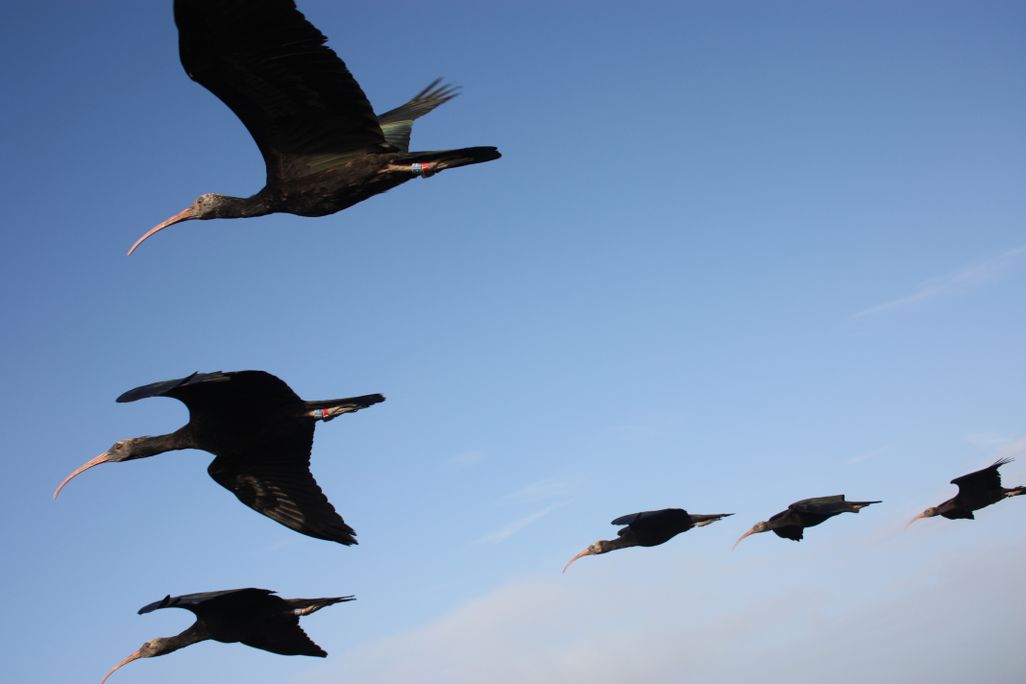
Credit: www.smithsonianmag.com
Frequently Asked Questions
How Fast Do Birds Typically Fly During Migration?
Birds usually fly between 20 to 50 miles per hour during migration. Speed varies by species, weather, and wind conditions. Some birds, like swifts, can reach speeds over 60 mph. Most maintain steady speeds to conserve energy on long journeys.
What Factors Affect Birds’ Migration Flight Speed?
Flight speed depends on wind direction, weather, bird size, and energy reserves. Favorable tailwinds help birds fly faster and save energy. Poor weather or headwinds slow them down. Larger birds often fly faster due to stronger muscles and stamina.
Do All Birds Fly At The Same Migration Speed?
No, migration speeds vary widely among species. Small songbirds tend to fly slower, around 20-30 mph. Larger birds like geese can reach 40-50 mph. Speed differences help match each bird’s endurance and migration distance.
Can Birds Change Speed During Migration Flights?
Yes, birds adjust speed based on conditions like wind and fatigue. They may fly faster with tailwinds or slow down during storms. Speed changes help optimize energy use and ensure safe arrival at stopover sites.
Conclusion
Birds fly at different speeds during migration. Some travel fast, others slow. Weather, wind, and the bird’s size affect their pace. Many birds rest often to save energy. Migration is a tough journey but vital for survival. Watching birds fly long distances is amazing.
It shows nature’s power and beauty. Understanding their flight helps us protect them better. Next time you see birds flying high, remember their incredible journey.