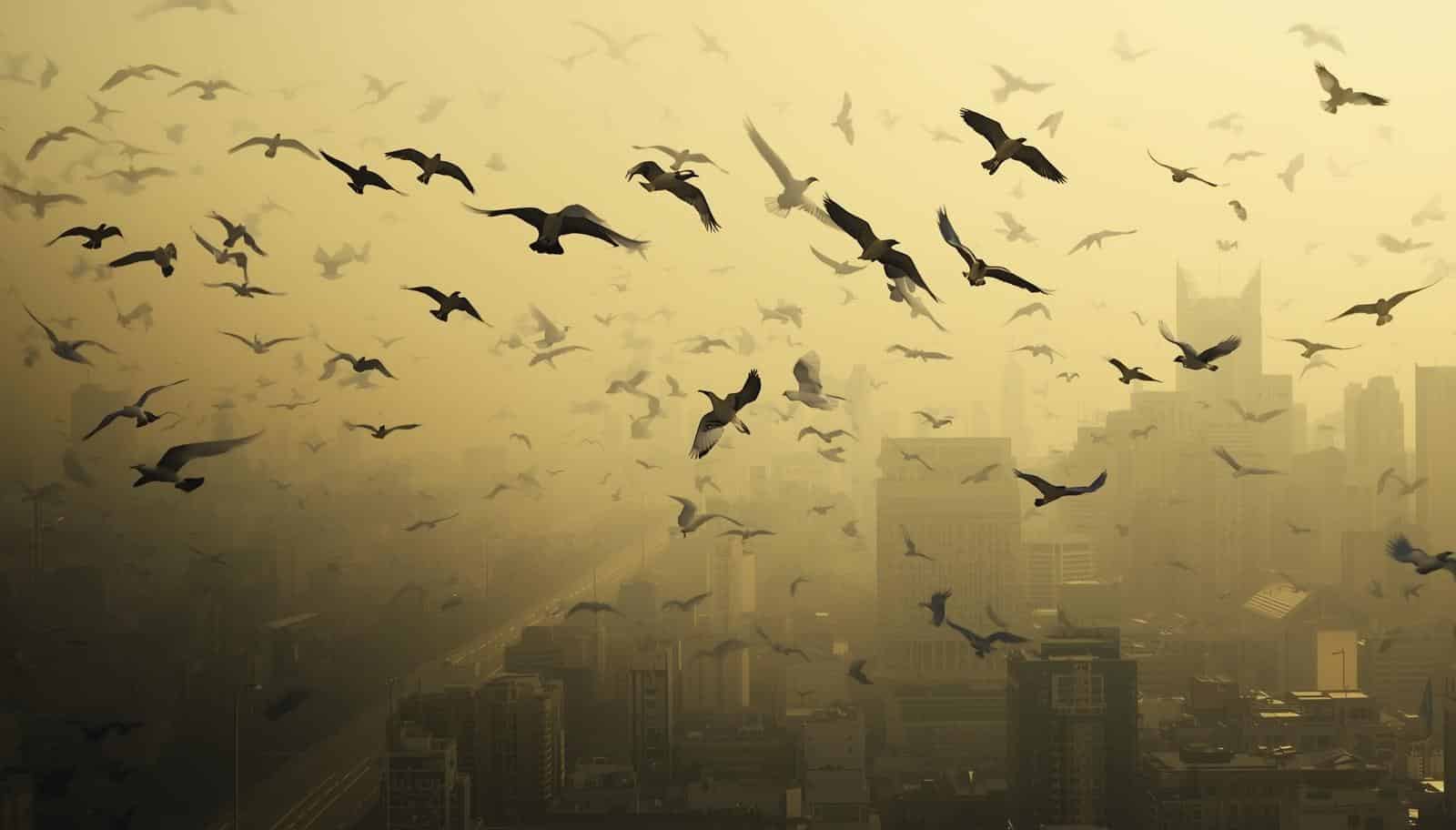
Have you ever stopped to think about how noise around you might be affecting the birds you see in the sky? Noise pollution isn’t just a problem for humans—it’s a serious challenge for migrating birds too.
When you hear loud sounds from traffic, construction, or city life, those noises can confuse birds, making it harder for them to find their way. This article explains How Noise Pollution Affects Bird Migration and why constant human-made sound is such a growing threat.
If you care about nature and want to understand how your environment impacts these amazing travelers, keep reading.
You’ll discover surprising facts about how noise pollution disrupts bird migration and what that means for our world.
Noise Pollution Sources
Noise pollution affects many animals, especially birds during migration. Loud sounds can confuse birds and make it hard for them to navigate.
This noise comes from different sources like cities, factories, and vehicles. Understanding these sources helps us see how birds face challenges in their journey.
Urban Noise
Urban areas create constant noise from many activities. Construction work, loudspeakers, and crowded streets all add to the noise pollution. Birds living near cities often get disturbed by these sounds.
Industrial Sounds
Factories and plants produce strong and constant noises. Machines, engines, and alarms all contribute to noise pollution. These sounds can interfere with birds’ communication and migration patterns.
- Factory engines running day and night
- Heavy machinery like cranes and drills
- Warning alarms and sirens
- Metal clanging and hammering
Transportation Noise
Cars, trains, and airplanes create loud noises that spread across large areas. These sounds can scare birds and make it hard for them to find safe resting spots. Noise from highways and airports is a major problem.
| Transportation Type | Common Noise Sources |
| Cars | Engines, horns, traffic jams |
| Trains | Whistles, wheels on tracks |
| Airplanes | Jet engines, takeoff, landing |

Credit: www.irishtimes.com
Bird Migration Patterns
Bird migration is the regular travel of birds between breeding and wintering places. Birds follow specific paths each year.
Noise pollution can affect these patterns by disturbing the birds during their journey.
Seasonal Routes
Birds use seasonal routes to move between warm and cold places. These routes help them find food and safe resting spots.
Loud noises near these routes can scare birds. This causes them to change their path or stop resting.
- Spring routes lead to breeding areas
- Fall routes guide birds to warmer regions
- Noise can delay or shorten stops along the way
Navigation Techniques
Birds use many ways to find their way during migration. They rely on the sun, stars, and Earth’s magnetic field.
Noise pollution can distract birds and block these natural signals. This makes it harder for them to navigate.
- Sun position helps daytime travel
- Stars guide birds at night
- Magnetic field sensing helps direction
- Loud sounds can cause confusion and stress
Importance Of Environmental Cues
Birds watch for environmental signs like weather and landmarks. These cues help them stay on their route.
Noise pollution can cover these natural sounds and signals. This can lead birds to lose their way or miss important stops.
- Wind direction affects flight paths
- Temperature changes signal timing
- Natural sounds help locate resting sites
- Human noise masks these important cues
Impact On Navigation
Noise pollution affects how birds find their way during migration. Loud sounds can confuse their natural senses.
Birds rely on sound to navigate long distances. Noise can change their behavior and flight patterns.
Disrupted Sound Cues
Birds use sounds from nature to guide their migration. Noise pollution blocks these important signals.
- Natural sounds get drowned out by human noise.
- Birds struggle to hear calls from other birds.
- Environmental sounds like water or wind become hard to detect.
Bioacoustics Researchers explain the “Masking Effect”: “Most traffic noise occupies a low-frequency band (0–4 kHz). Unfortunately, this overlaps perfectly with the vocalizations of many migrating songbirds. This phenomenon, known as ‘Acoustic Masking,’ is like trying to hold a conversation at a rock concert. To compensate, some birds, like the Great Tit and Blackbird, have actually evolved to sing at a higher pitch—known as the ‘Lombard Effect’—just to be heard over the urban rumble, costing them vital energy.”
Altered Flight Paths
Noise pollution causes birds to change their usual routes. They fly off course to avoid loud areas.
| Effect | Description |
| Route Changes | Birds avoid noisy places and fly longer distances. |
| Delayed Arrival | Detours cause birds to reach destinations late. |
| Increased Risks | New routes may have more predators or less food. |
Increased Energy Use
Noise forces birds to work harder during migration. They use more energy to find safe paths and stay alert.
Ways noise raises energy use in migrating birds:
- Longer flights due to detours
- More frequent stops to rest
- Extra effort to communicate over noise
Behavioral Changes
Noise pollution impacts how birds behave during migration. Loud sounds can change their normal routines.
These changes can harm birds’ chances of survival and successful migration.
Communication Interference
Birds use songs and calls to talk to each other. Noise pollution makes it hard for birds to hear these sounds.
When birds cannot communicate well, they may miss warnings or lose contact with their flock.
- Birds may sing louder to be heard
- Calls can become shorter or less clear
- Important signals get lost in noise
Stress Responses
Loud noises make birds feel stressed. This stress can change their heart rate and hormone levels.
High stress makes birds use more energy and lowers their ability to rest during migration.
- Increased alertness to noise
- Less time spent resting
- Weaker immune system
Reduced Foraging Efficiency
Noise pollution distracts birds from finding food. They may miss signs of food nearby.
Birds spend more time avoiding noise than eating, which lowers their energy for migration.
- Less food found during stops
- More energy spent avoiding noise
- Lower fat stores for long flights
Population Consequences
Noise pollution affects bird migration in many ways. It changes how birds behave and survive.
These changes can lead to serious problems for bird populations over time.
Lower Reproductive Success
Noise pollution makes it hard for birds to communicate during breeding. Birds may not find mates easily.
Stress from loud sounds can reduce the number of eggs laid or hatched.
- Disrupted mating calls
- Increased stress hormones
- Less care for eggs and chicks
Habitat Abandonment
Birds may leave noisy areas and stop using good habitats. This loss forces them to find new places.
Moving to new habitats can be risky and reduce their chances of survival.
- Noise drives birds away
- Less safe or suitable habitats left
- Higher energy use to find homes
Decline In Numbers
Lower reproduction and habitat loss lead to fewer birds over time. Populations shrink in noisy places.
Some species may even face local extinction if noise pollution is severe.
- Fewer young birds survive
- Habitat loss reduces living space
- Population sizes drop steadily
Mitigation Strategies
Noise pollution harms bird migration by disturbing their routes and rest areas. Reducing noise helps birds travel safely and keep their natural habits.
This section covers ways to reduce noise, protect bird paths, and use laws to help birds migrate without stress.
Noise Reduction Techniques
Lowering noise near bird habitats helps birds hear important sounds. Using quiet machines and barriers can cut noise levels a lot.
- Install sound barriers near roads and airports.
- Use quieter engines for vehicles and equipment.
- Limit noisy activities during migration seasons.
- Plant trees and shrubs to absorb sound naturally.
Protected Migration Corridors
Designating safe routes for birds keeps their paths free from loud noises and dangers. These corridors are key for safe travel.
| Corridor Type | Purpose | Example |
| Urban Greenways | Reduce noise with plants | City parks and green belts |
| Quiet Zones | Limit human noise | Nature reserves near highways |
| Waterways | Natural travel routes | Rivers and lakes with low noise |
Policy And Regulation
Governments can set rules to control noise near bird areas. These laws protect birds during their long journeys.
Key policy actions include:
- Setting noise limits near migration routes.
- Enforcing quiet hours during migration seasons.
- Funding research on noise impact on birds.
- Encouraging public awareness campaigns.
Research And Monitoring
Noise pollution can change how birds migrate. Scientists study this problem to understand its effects better. They use many tools and methods to track birds and their movements.
Monitoring bird migration helps find patterns and challenges birds face. This research guides actions to protect birds from noise pollution.
Tracking Technologies
Scientists use tracking devices to follow birds on their journeys. These tools show how noise impacts bird flight paths and rest stops.
Common tracking tools include GPS tags and radio transmitters. These devices send data about bird locations in real time.
- GPS tags give precise location data
- Radio transmitters track birds over short distances
- Automated recording units capture bird sounds near noisy areas
Long-term Studies
Long-term studies observe birds over many years. This helps scientists see how noise pollution affects migration trends over time.
These studies track changes in bird numbers, routes, and breeding success. They provide valuable data for conservation efforts.
- Data collected over decades show migration shifts
- Researchers note changes in bird behavior near noisy areas
- Long-term results help predict future impacts
Citizen Science Contributions
Many people help by reporting bird sightings and sounds. Citizen science projects gather data from volunteers worldwide.
These contributions increase the reach of research and provide more information about noise pollution effects.
- Volunteers use apps to record bird locations
- Community reports help track noisy areas
- Data supports scientists in large-scale studies
Project Coordinators recommend specific tools: “You don’t need to be an expert to help. Apps like BirdNET and Merlin Bird ID allow you to record sounds in your backyard. The app identifies the bird for you and automatically uploads the data to global databases. This helps scientists map exactly where noise pollution is changing migration routes in real-time.”
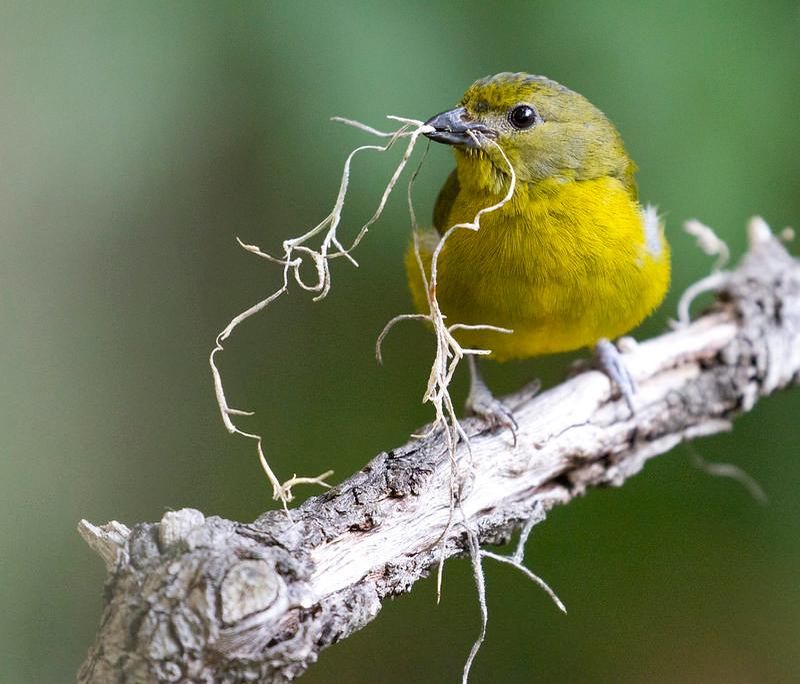
Credit: www.smithsonianmag.com

Credit: www.numberanalytics.com
Frequently Asked Questions
How Does Noise Pollution Disrupt Bird Migration Patterns?
Noise pollution masks natural sounds birds use for navigation. This causes confusion, delays, and changes in their migration routes. Birds may expend more energy or avoid noisy areas, impacting their survival and reproductive success during migration.
Why Is Bird Communication Affected By Noise Pollution?
Birds rely on vocal calls to communicate during migration. Noise pollution interferes with these calls, making it harder to find mates or warn of predators. This disruption decreases breeding success and increases vulnerability during migration.
Can Noise Pollution Cause Long-term Harm To Migratory Birds?
Yes, chronic noise exposure leads to stress and habitat avoidance in birds. Over time, this reduces their population size and biodiversity. Long-term noise pollution can alter entire ecosystems by affecting migratory bird behavior and survival.
What Types Of Noise Pollution Impact Bird Migration Most?
Urban, industrial, and transportation noise heavily disrupt bird migration. Loud, continuous sounds from traffic, construction, and machinery interfere with birds’ natural cues. These noises create barriers that force birds to change routes or avoid key stopover sites.
Conclusion
Noise pollution disrupts bird migration patterns. Birds rely on sound cues. Excessive noise confuses them. This leads to wrong routes. Sometimes, birds end up in unsafe areas. Their survival depends on finding safe habitats. Reducing noise pollution is crucial. It helps birds navigate correctly.
Healthy bird populations benefit ecosystems. They help in seed dispersal and pest control. Everyone can contribute. Simple actions like reducing loud noises matter. Protecting birds ensures balanced environments. Let’s make conscious choices. Encourage quiet zones in nature. Support policies for quieter urban spaces.
Together, we can safeguard our feathered friends.