
Have you ever stopped to listen to the soft, haunting sound of a Mourning Dove bird call? It’s a peaceful melody that can instantly calm your mind and connect you with nature.
If you’ve ever wondered why this call feels so special or wanted to recognize it on your next outdoor walk, you’re in the right place. By the end of this article, you’ll not only identify the Mourning Dove’s unique song but also understand the story behind those gentle coos.
Ready to tune in and discover a new side of the outdoors? Keep reading.
Mourning Dove Basics
The Mourning Dove is a common bird in North America. It is known for its soft, sad cooing sound.
Many people recognize this bird by its gentle call and slim body shape. It is easy to spot in many places.
Appearance And Size
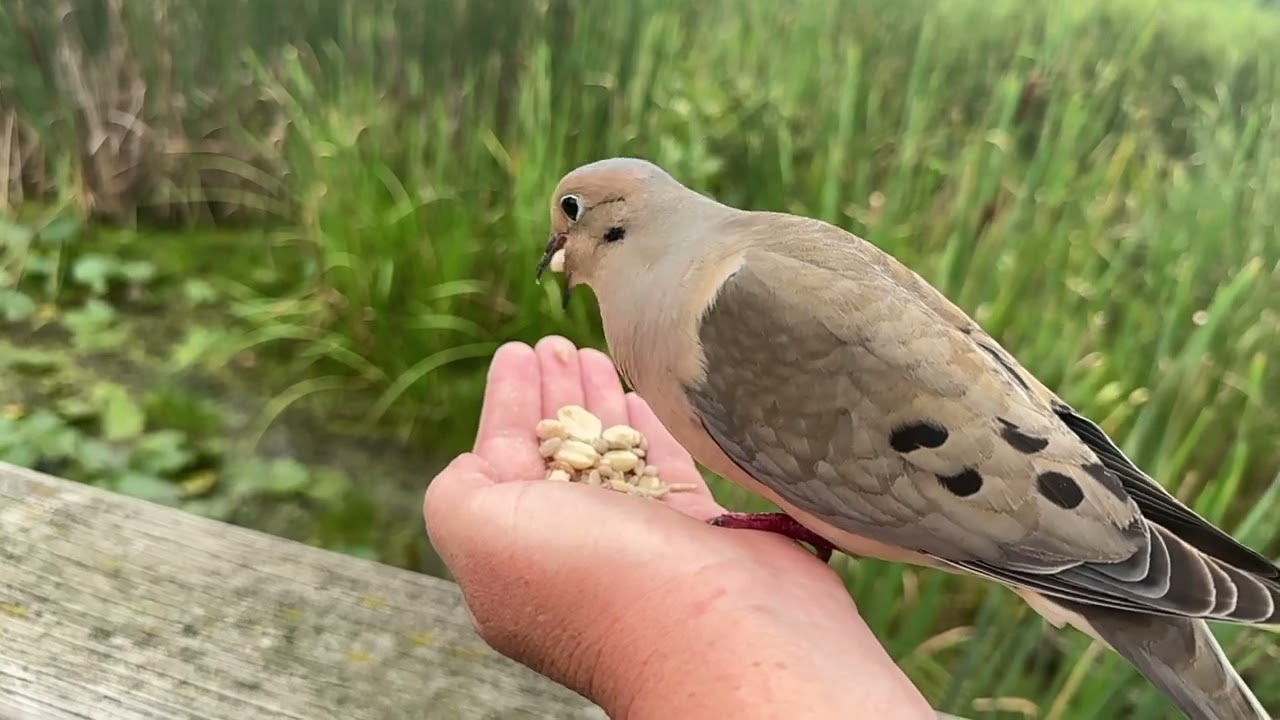
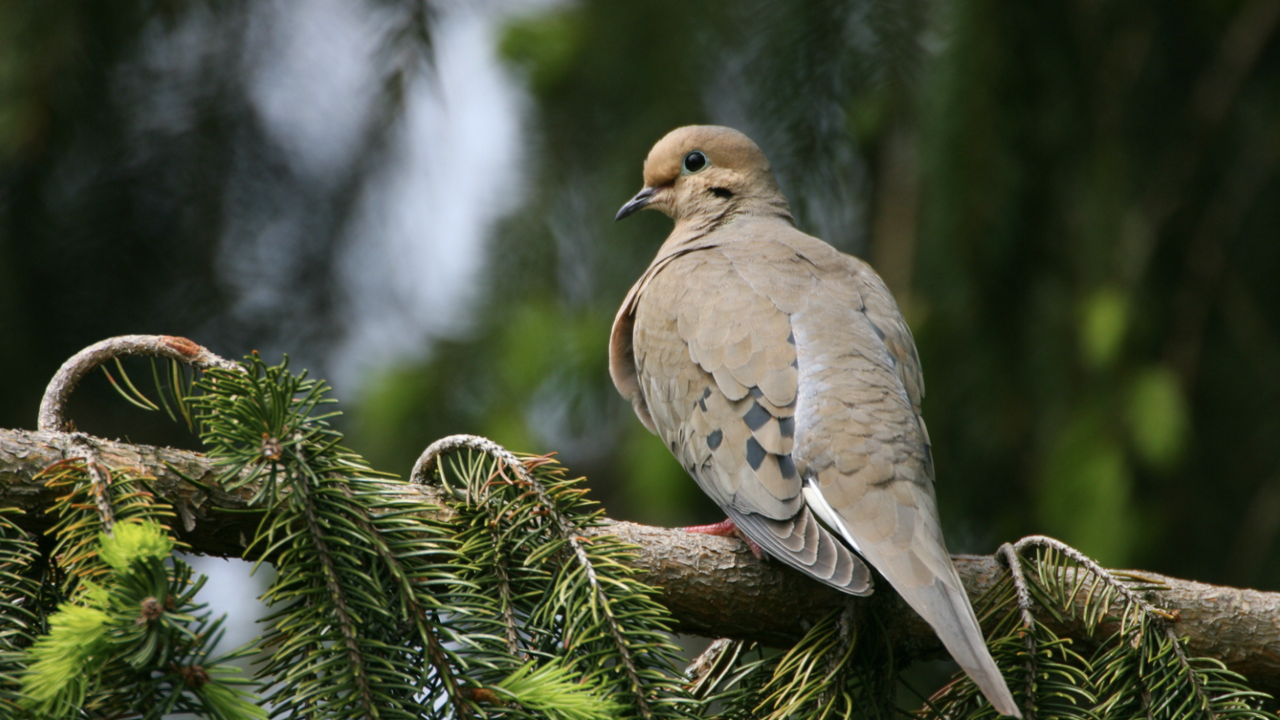
Mourning Doves have light gray to brown feathers. They have black spots on their wings and a long, pointed tail.
They are medium-sized birds, about 9 to 13 inches long. Their wingspan ranges from 17 to 18 inches.
- Color: Light gray to brown
- Wing spots: Small black dots
- Length: 9 to 13 inches
- Wingspan: 17 to 18 inches
Habitat And Range
Mourning Doves live in many places like fields, parks, and open woodlands. They like areas with scattered trees and open ground.
These birds are found across most of North America. They move south during cold months but are common year-round in many areas.
- Common habitats: Fields, parks, open woodlands
- Range: Most of North America
- Migration: Move south in winter
- Year-round presence: In many southern areas

Credit: swibirds.org
Characteristics Of The Call
The Mourning Dove bird call is soft and gentle. It often sounds like a mournful cooing.
This call helps identify the bird in forests and open areas. It has unique tones that stand out.
Sound Description
The call is a series of low, hollow coos. It usually starts slow and then speeds up.
The sound is smooth and flows like a soft "coo-OO, coo, coo, coo". It lasts about 2 to 3 seconds.
- Low-pitched and gentle
- Slow start, faster finish
- Sounds like "coo-OO, coo, coo, coo"
- Lasts 2 to 3 seconds
Purpose Of The Call
The call helps Mourning Doves find mates and mark territory. It signals other doves to keep away.
It also helps doves communicate during flight and warn about danger. The call keeps their group connected.
- Attracts mates
- Marks territory
- Communicates during flight
- Warns about danger
When And Where To Hear
The Mourning Dove bird call is a soft, mournful cooing sound. It is common in many parts of North America. You can hear it in woodlands, farmlands, and suburban areas.
Knowing when and where to listen helps you enjoy the peaceful call. This guide explains the best times and places to hear Mourning Doves.
Seasonal Patterns
Mourning Doves are most vocal during spring and summer. This is their breeding season, so males call to attract mates. Calls also mark their territory.
In fall and winter, the calls become less frequent. Doves still coo but mainly keep quiet to conserve energy during cold months.
- Spring and summer: Loud and frequent calls
- Fall and winter: Softer and fewer calls
- Peak calling time is during breeding season
Time Of Day
Mourning Doves call mainly during early morning and late afternoon. These times are active periods for birds. The calls are softer or rare at midday and night.
Listening during dawn or dusk gives the best chance to hear their cooing. Quiet surroundings help you focus on their gentle sounds.
- Early morning: Most active calling time
- Late afternoon: Another common calling period
- Midday and night: Less calling and quieter

Credit: www.reddit.com
Mourning Dove Behavior
The Mourning Dove is known for its soft and mournful call. This bird shows calm and gentle behavior in many ways. It often sits quietly on power lines or tree branches.
Mourning Doves feed on seeds and move around slowly on the ground. They are social birds and can be seen in small groups, especially during the non-breeding season.
Mating And Courtship
During mating season, male Mourning Doves perform a special flight to attract females. They fly up high and then glide down with their wings held in a V shape. This shows their strength and health.
The male also makes soft cooing sounds to get the female’s attention. Once a pair forms, they build a simple nest together using twigs and grass.
- Male flies high, then glides down slowly
- Soft cooing calls help attract females
- Both birds build a nest with twigs
Territorial Signals
Mourning Doves use their calls to mark their territory. The male’s cooing warns other males to stay away. This helps reduce fights and protect their nesting area.
They also show physical signs like puffing up their chest or flicking their tail feathers. These actions make them look bigger and stronger to rivals.
- Male coos to signal territory
- Chest puffing shows dominance
- Tail flicking warns other doves
Cultural Significance
The mourning dove bird call is soft and soothing. People hear it in many places around the world.
This bird call holds deep meaning in different cultures. It often connects to feelings and stories.
Symbolism In Art And Literature
The mourning dove is a symbol of peace and love in art. Its call is gentle and calming.
Writers use the dove’s call to show sadness or hope. It often appears in poems and stories.
- Represents quiet beauty and grace
- Symbolizes mourning and loss
- Used to express longing or peace
- Appears in poems about nature and life
Role In Native Traditions
Native American tribes respect the mourning dove. Its call is part of many traditional stories.
The bird’s gentle voice often signals peace and protection. It teaches lessons about kindness.
- Seen as a messenger of peace
- Calls mark important ceremonies
- Symbolizes family and harmony
- Used in songs and prayers
How To Attract Mourning Doves
Mourning doves are gentle birds known for their soft calls. Many people enjoy seeing and hearing them in their yards.
You can attract these birds by providing food and creating a good place for them to live. This helps them visit and stay longer.
Feeding Tips
Mourning doves like to eat seeds from the ground. They prefer simple seeds that are easy to find and eat.
Use a ground feeder or scatter seeds on bare soil. Keep the feeding area clean to keep the birds healthy.
- Offer millet, cracked corn, and sunflower seeds
- Place food in open, quiet spaces
- Change seeds regularly to avoid mold
- Provide fresh water nearby
Creating Suitable Habitat
Mourning doves like open spaces with some trees or shrubs nearby. They need safe places to rest and build nests.
Plant native trees and bushes to offer shelter. Avoid using many chemicals in your yard to keep the area safe for birds.
- Keep open ground for feeding
- Plant low shrubs and small trees
- Provide quiet areas away from pets
- Leave dead branches for nesting spots
Comparing Dove Calls
The Mourning Dove bird call is soft and gentle. It sounds like a low, drawn-out coo.
Many doves have calls that seem similar. Listening closely helps to tell them apart.
Differences From Other Dove Species
Mourning Dove calls are long and smooth. Other dove species often have shorter, sharper calls.
For example, the Eurasian Collared-Dove has a faster, repetitive call. The White-winged Dove’s call is rougher.
- Mourning Dove:Soft, low "coo-oo-oo"
- Eurasian Collared-Dove:Repetitive "coo-coo-coo"
- White-winged Dove:Rough "who-who-who"
Identifying Similar Bird Sounds
Some bird sounds sound like the Mourning Dove but come from other species. It is easy to confuse them.
Pay attention to the tone and rhythm. Mourning Dove calls are smooth and slow compared to others.
- Common Ground Dove:Higher pitch, shorter call
- Inca Dove:Soft, but faster repeating coos
- Rock Pigeon:Gruffer and less musical
Credit: extension.msstate.edu
Frequently Asked Questions
What Does A Mourning Dove Bird Call Sound Like?
The Mourning Dove call is a soft, mournful cooing sound. It typically goes "coo-OO-oo, coo, coo. " This gentle call is often heard during the breeding season.
Why Is The Mourning Dove Call Important?
The call helps Mourning Doves attract mates and establish territory. It also signals their presence to other birds. This sound is essential for their communication and breeding success.
When Do Mourning Doves Usually Call?
Mourning Doves mostly call during early morning and late afternoon. These times are peak activity periods for mating and territory defense. Their calls are less frequent at night.
How Can I Identify A Mourning Dove By Its Call?
Listen for a distinctive, soft, and drawn-out coo. It has a rhythmic pattern, unlike other dove species. The mournful tone makes it easy to recognize.
Conclusion
The Mourning Dove bird call is soft and soothing. It brings calm to quiet mornings and evenings. Many people enjoy hearing this gentle sound outdoors. Knowing the call helps you spot these birds nearby. Their cooing is a peaceful sign of nature’s presence.
Listening closely connects you with the natural world. Next time you hear the call, pause and enjoy. The Mourning Dove’s song is simple, yet beautiful. It reminds us to appreciate small moments outside. Keep your ears open for this lovely bird’s voice.


