Have you ever wondered how birds manage to build perfect nests year after year? Nest success isn’t just about nature’s design—it’s a delicate balance that can be disrupted by your everyday actions.
The way humans impact the environment around these nests can change the fate of entire bird populations. You’ll discover how your choices affect nest success and what you can do to make a positive difference. Keep reading to unlock simple yet powerful insights that could help protect these vital homes for many creatures.
Nest Success Factors
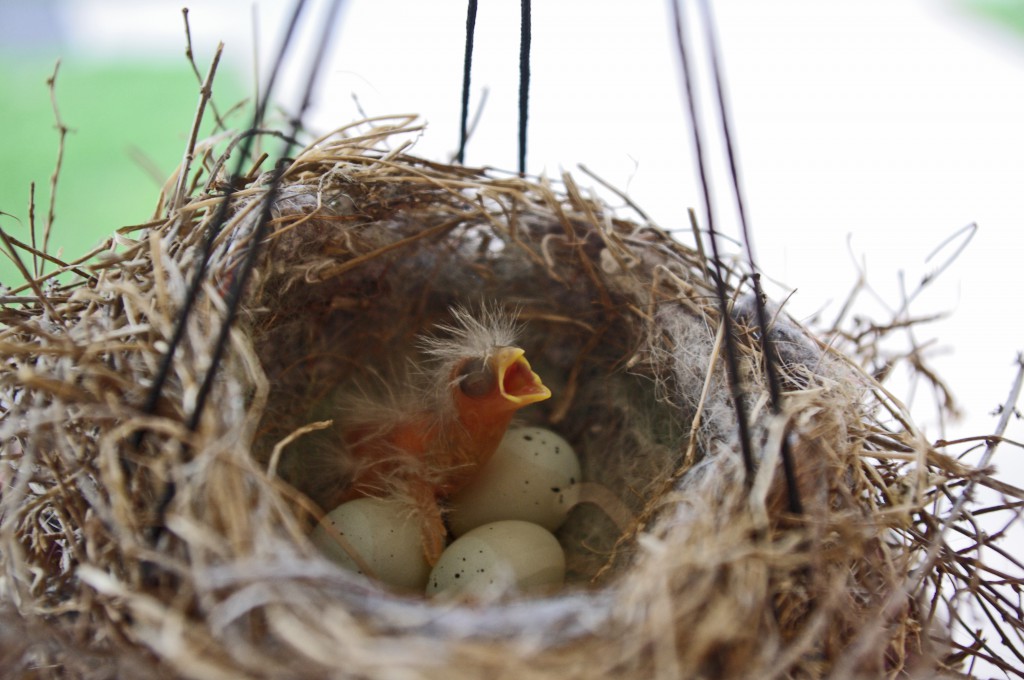
Nest success depends on many factors that affect bird survival. These factors help birds protect eggs and raise chicks.
Understanding these factors helps us see how humans impact bird life. It also guides efforts to support nesting birds.
Environmental Conditions
Weather and climate play a big role in nest success. Strong storms can destroy nests or make it hard for birds to keep warm.
Temperature and humidity affect egg development and chick health. Stable conditions help nests survive longer.
Predation Risks
Predators such as snakes, raccoons, and birds can eat eggs or chicks. High predation lowers nest success rates.
Birds use different strategies to avoid predators. Some choose hidden sites or build strong nests to protect their young.
- Camouflage to blend with surroundings
- Building nests in hard-to-reach places
- Vocal alarms to warn others
Food Availability
Birds need enough food to feed their chicks. If food is scarce, chicks may grow slowly or die.
Good food supply helps parents spend more time caring for their young. It increases chances of nest success.
Nest Site Selection
Birds choose nesting sites carefully. Safe, quiet, and sheltered places improve nest survival.
Human activity can change or destroy nesting areas. Protecting good sites helps birds raise healthy chicks.
- Sites hidden from predators
- Close to food sources
- Protected from strong weather
- Low human disturbance

Credit: www.sciencedirect.com
Human Activities Affecting Nests
Nests are vital homes for many animals. Human actions can harm these places. This can affect animal survival and nature balance.
Understanding how human activities impact nests helps us protect wildlife. We must learn what causes damage and find ways to reduce it.
Urban Development
Building cities and roads destroys natural habitats. Trees and shrubs where animals build nests are cut down. This leaves many creatures without safe places to live.
- Clearing land removes nest sites
- Light pollution confuses nesting animals
- Noise from construction scares wildlife
- More humans increase chances of nest disturbance
Pollution And Contamination
Pollutants like chemicals and trash can ruin nests. Animals may build nests with harmful materials. This can hurt eggs and young animals.
| Type of Pollution | Effect on Nests |
| Plastic Waste | Entraps animals and blocks nest openings |
| Oil Spills | Coats nests and harms eggs |
| Pesticides | Poison eggs and young animals |
| Heavy Metals | Cause long-term health problems |
Climate Change Effects
Rising temperatures and weather changes affect nesting. Some animals cannot find good spots. Floods and storms can destroy nests quickly.
Climate changes cause:
- Shift in nesting seasons
- Loss of suitable nest locations
- Increased nest flooding
- More predators near nests
Recreational Disturbances
Human recreation near nesting areas can cause harm. Activities like hiking, boating, and camping may scare animals away. This leaves nests unprotected.
- Walking close to nests can cause parents to leave
- Loud noises disturb nesting animals
- Pets may chase or damage nests
- Trash left behind attracts predators
Consequences Of Nest Failure
Nests are critical for many animals to raise their young safely. When nests fail, it affects more than just one family of animals. The effects can ripple through populations and ecosystems.
Understanding these consequences helps us protect wildlife and maintain healthy natural environments.
Population Decline
When nests fail, many young animals do not survive. This lowers the number of new individuals in the population. Over time, fewer births lead to a shrinking population.
- Reduced survival of babies
- Less reproduction in the future
- Higher risk of extinction for small groups
Disrupted Breeding Cycles
Animals often breed at specific times and places. Nest failure can cause delays or changes in these cycles. This disruption affects how often animals can reproduce and raise young.
| Effect | Impact on Breeding |
| Early nest loss | May cause animals to try again quickly |
| Repeated failures | Can stop breeding for a season or more |
| Habitat disturbance | Changes breeding locations and timing |
Loss Of Biodiversity
Failure of nests reduces the number of species in an area. This loss lowers the variety of life forms, which harms ecosystems.
Ways nest failure leads to biodiversity loss:
- Fewer young animals survive to adulthood
- Some species may disappear from certain areas
- Food chains can be disrupted
- Plants and other animals that depend on these species also suffer
Conservation Strategies
Conservation strategies help protect nests and reduce harm from humans. These actions support wildlife survival and biodiversity.
People use different approaches to keep habitats safe and promote nest success. These include laws, community work, and science.
Habitat Restoration
Restoring habitats means fixing places where animals live. It brings back plants and trees that nests need to grow.
This work creates safe spaces for birds and other animals. It also helps food sources and shelter to return.
- Plant native trees and shrubs
- Remove invasive species
- Clean up polluted areas
- Create buffer zones near nests
Protective Legislation
Laws protect nests from being destroyed or disturbed. These rules limit harmful activities near nesting sites.
Enforcing these laws keeps habitats safe and helps animals raise their young without stress.
- Ban on cutting trees during nesting season
- Restricted access to sensitive areas
- Penalties for nest destruction
- Protected status for important habitats
Community Engagement
Local people play a key role in nest protection. Educating them increases awareness and care for wildlife.
Communities can help by reporting threats and joining habitat restoration projects.
- Workshops on wildlife protection
- Volunteer habitat cleanup days
- Citizen science monitoring programs
- School programs about nesting animals
Monitoring And Research
Scientists watch nests to learn what helps them succeed. This research guides better conservation efforts.
Tracking nest health and threats helps adjust strategies to protect animals more effectively.
- Regular nest checks and data recording
- Study of human impact on nesting sites
- Use of technology like cameras and GPS
- Sharing results with conservation groups
Balancing Human Needs And Wildlife
People and wildlife share many spaces. Sometimes, this causes problems for animals and people.
Finding ways to protect nests and support human life is very important. We can make places safer for both.
Sustainable Urban Planning
Planning cities with nature in mind helps animals keep their homes. It also meets people’s needs for living and work.
Designing parks, green spaces, and safe corridors lets animals move and nest safely inside urban areas.
- Use native plants to provide food and shelter
- Keep trees and bushes near buildings
- Create quiet zones for nesting animals
- Plan walking paths away from sensitive habitats
Promoting Coexistence
Living with wildlife means understanding their needs and limits. People can change habits to avoid harm.
Simple actions like avoiding loud noises and keeping pets indoors help protect nests and animals.
- Respect wildlife spaces and avoid disturbing nests
- Use bird-friendly window designs to prevent collisions
- Feed animals only safe and healthy food
- Manage waste to reduce risks to animals
Education And Awareness
Teaching people about wildlife helps build respect and care. Knowing more leads to better choices and actions.
Schools, communities, and media can share simple tips to protect nests and promote kindness to animals.
- Organize talks and workshops about local wildlife
- Use signs to show nesting areas and rules
- Share stories that highlight animal needs
- Encourage children to observe wildlife safely

Credit: www.numberanalytics.com
Credit: nestwatch.org
Frequently Asked Questions
What Factors Influence Nest Success in Birds?
Nest success depends on habitat quality, predator presence, and weather conditions. Human activities can alter these factors significantly.
How Does Human Activity Impact Bird Nesting?
Human presence can cause disturbance, habitat loss, and pollution, reducing nest success rates and bird reproduction.
Can Nest Success Indicate Ecosystem Health?
Yes, high nest success often reflects a healthy, balanced ecosystem with minimal human disruption.
What Measures Improve Nest Success Amid Human Impact?
Creating protected areas, reducing pollution, and minimizing disturbances help improve nest success in affected habitats.
Conclusion
Human activities impact nest success significantly. Protecting natural habitats is crucial. Simple actions help. Reduce waste and conserve resources. Educate others on wildlife importance. Choose sustainable products to lessen harm. Every effort counts towards a healthier ecosystem. Together, we can support wildlife thriving.
Understanding our role is key. Let’s be mindful and make positive changes. The future of nests depends on us. Small steps lead to big differences. Act now for nature’s balance. Protecting nests benefits all life forms. Keep nature’s harmony in mind.
The journey towards sustainability begins today. Let’s make it meaningful.