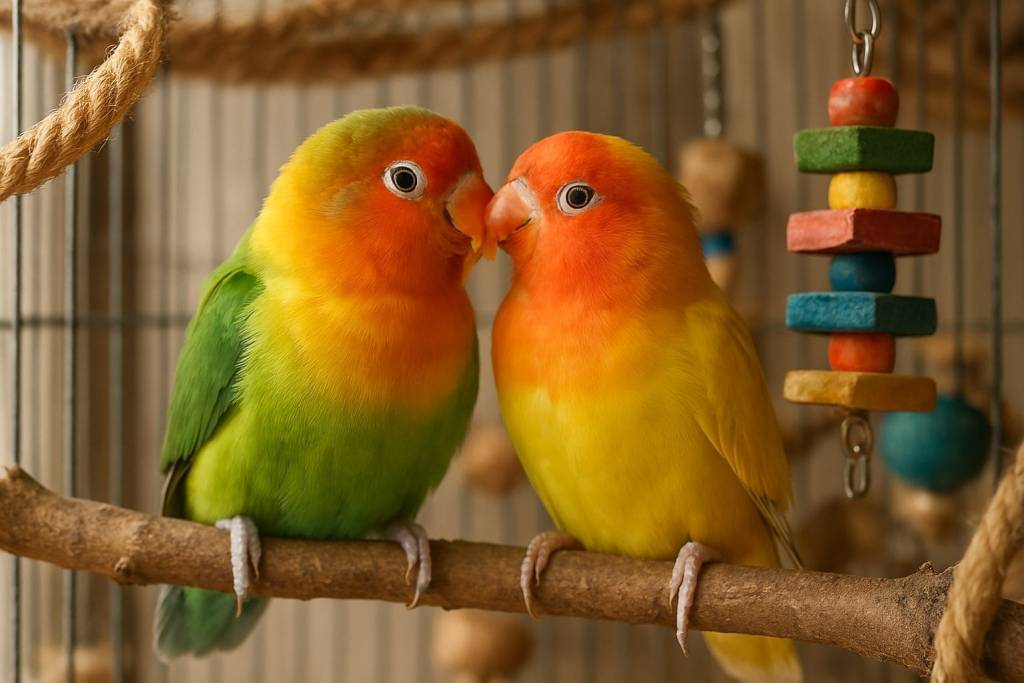
Have you ever dreamed of spotting a bird so rare, it feels like a secret shared only with a lucky few? If you're in Maine or planning a visit, your chance has arrived.
The "Rare Bird Alert Maine" is buzzing with news that could turn your ordinary day into an unforgettable adventure. Imagine being the first among your friends to witness a stunning, unusual bird that few have seen. Ready to discover where and when to find these incredible feathered visitors?
Keep reading, because your next amazing birdwatching experience is just a few moments away.
Maine’s Birdwatching Hotspots
Maine offers many great places for birdwatching. Its varied habitats attract rare birds from far away.
Birdwatchers come to Maine to see both common and rare species. The state has spots for every season.
Top Locations For Rare Sightings
Some places in Maine are known for rare bird sightings. These spots attract birdwatchers looking for unique species.
Islands and coastal areas often host rare seabirds and shorebirds. Inland forests can surprise with unusual songbirds.
- Petit Manan National Wildlife Refuge
- Mount Desert Island
- Scarborough Marsh
- Moosehorn National Wildlife Refuge
- Rachel Carson National Wildlife Refuge
Seasonal Birding Spots
Birdwatching changes with the seasons in Maine. Different places shine in spring, summer, fall, or winter.
Spring migration brings many songbirds to coastal areas. Fall is great for watching hawks and waterfowl heading south.
- Spring: Wells Reserve at Laudholm
- Summer: Acadia National Park
- Fall: Kittery Point
- Winter: Moosehead Lake area
Hidden Gems For Bird Lovers
Maine has quiet spots that many birders do not know well. These hidden gems offer peaceful birdwatching.
These places often have fewer visitors but good chances to see special birds. They are worth exploring if you want calm.
- Deblois Reserve in Downeast Maine
- Medomak Valley Land Trust trails
- Bradbury Mountain State Park
- Goose Rocks Beach in Kennebunkport

Credit: www.aba.org
Spotlight On Elusive Species
Maine is home to many rare and elusive birds. Some of these species are hard to find. Bird watchers treasure every sighting of these unique birds.
This article highlights four special birds you might see in Maine. Each bird has its own story and place in nature. Learn about Scarlet Tanager, Spruce Grouse, Piping Plover, and Bicknell’s Thrush.
Scarlet Tanager
The Scarlet Tanager is bright red with black wings. It lives in forests and eats insects and fruits. Its color helps it blend in the leaves.
This bird migrates to South America in winter. Spotting a Scarlet Tanager in Maine means you are lucky during spring or summer.
Spruce Grouse
Spruce Grouse live deep in Maine’s spruce forests. They have brown and gray feathers that help them hide well. These birds feed on needles and berries.
They are quiet and stay still to avoid danger. Seeing a Spruce Grouse is rare because they blend into their environment.
Piping Plover
Piping Plovers are small shorebirds with sandy-colored feathers. They nest on beaches and eat small insects and crustaceans. Their color matches the sand for protection.
These birds are endangered and need safe beaches to survive. Spotting a Piping Plover means the area is healthy for wildlife.
Bicknell’s Thrush
Bicknell’s Thrush is a shy bird found in high mountain forests. It has a soft brown color and a sweet song. It feeds on insects and berries.
This thrush nests in rare spruce-fir forests in Maine. It is hard to see because it stays hidden in thick trees.
Tips For Spotting Rare Birds
Spotting rare birds in Maine is a thrilling experience for bird watchers. It needs patience, good timing, and the right tools.
Knowing when and how to look for these birds can increase your chances of success. This guide shares useful tips for spotting rare birds.
Best Times Of Day
Early morning and late afternoon are the best times to spot rare birds. Birds are more active during these hours.
Look for birds just after sunrise and before sunset. Avoid the heat of midday when birds rest.
- Sunrise to two hours after
- Two hours before sunset to sunset
- Overcast days can also be good
Essential Gear
Having the right gear helps you see birds clearly and keep notes. Bring binoculars for better views.
A notebook or phone app helps record what you see. Wear comfortable clothes and sturdy shoes for walking.
- Binoculars with good zoom
- Notebook or birding app
- Comfortable, weather-appropriate clothes
- Water and snacks
- Camera (optional)
Using Bird Calls
Bird calls can attract some species. Play calls softly to avoid scaring birds away.
Learn the sounds of rare birds before your trip. Use apps or recordings to practice.
- Use calls only in quiet areas
- Keep volume low
- Do not overuse calls
- Respect local rules about playback
Safety And Ethics
Always respect wildlife and the environment. Stay on trails to avoid damaging habitats.
Keep a safe distance from birds. Do not disturb nests or feeding areas.
- Stay quiet and move slowly
- Do not feed birds
- Follow local wildlife rules
- Respect other bird watchers
- Leave no trash behind
Credit: ebird.org
Birdwatching Events And Alerts
Maine is a great place to watch rare birds. Many events and alerts help bird lovers find special species.
Birdwatchers use alerts to know when rare birds appear. Events bring people together to enjoy birding.
Local Birding Groups
Local birding groups in Maine offer chances to meet others who love birds. They share tips and organize trips.
These groups often hold walks and talks. They help beginners learn how to spot rare birds.
- Maine Audubon Society
- Greater Portland Bird Club
- Penobscot Bay Bird Club
- Kennebec Estuary Land Trust Birders
Rare Bird Alerts Services
Rare bird alerts tell birdwatchers about unusual sightings. These alerts help people find rare birds quickly.
Many services send alerts by email or phone. They report where and when rare birds were seen in Maine.
- Maine Birding Network Alerts
- eBird Rare Bird Alerts
- BirdCast Notifications
- Local Facebook Birdwatching Groups
Annual Bird Festivals
Maine hosts bird festivals each year. These festivals celebrate birds and nature with many fun activities.
Visitors can join guided walks, workshops, and talks. Festivals help people learn about rare birds in Maine.
- Coastal Maine Bird Festival
- Great Maine Birding Festival
- Acadia Bird Festival
- Penobscot Bay Birding Festival
Conservation Efforts In Maine
Maine is home to many rare and beautiful birds. Protecting these birds is very important. Conservation efforts help keep bird populations safe and healthy.
Groups in Maine work hard to save habitats and involve people in bird protection. These efforts help rare birds live and thrive in their natural homes.
Protecting Bird Habitats
Bird habitats in Maine include forests, wetlands, and coastal areas. These places provide food, shelter, and nesting spots for birds.
Conservation groups work to protect these habitats from damage. They stop pollution and prevent land from being developed.
- Preserve forests and wetlands
- Limit construction near bird areas
- Control invasive plants and animals
- Restore damaged habitats
Citizen Science Opportunities
Citizen science lets people help researchers by watching and recording bird sightings. This helps track rare birds in Maine.
Anyone can join bird counts and surveys. This data helps experts understand bird habits and needs better.
- Join bird watching events
- Report rare bird sightings online
- Use apps to log bird observations
- Participate in seasonal bird counts
How You Can Help
People can help rare birds by keeping their environment safe. Simple actions make a big difference for bird survival.
Support local conservation efforts and spread awareness about protecting birds and their homes.
- Keep cats indoors to protect birds
- Plant native trees and shrubs
- Avoid using pesticides in your yard
- Respect bird nesting areas
- Volunteer with local conservation groups
Credit: ebird.org
Frequently Asked Questions
What Is A Rare Bird Alert In Maine?
A rare bird alert in Maine notifies bird enthusiasts of unusual bird sightings. These alerts help bird watchers locate rare species. Birding organizations often issue alerts via emails or social media. Enthusiasts can then flock to the sighting location. This enhances the birdwatching experience by providing timely information.
How Can I Receive Bird Alerts In Maine?
To receive bird alerts in Maine, subscribe to local birding groups. Many organizations offer email notifications or social media updates. You can also join online birdwatching forums. These resources keep you informed about recent rare bird sightings. Staying updated enhances your birdwatching adventures.
When Is The Best Time For Birdwatching In Maine?
The best time for birdwatching in Maine is during migration seasons. Spring and fall migrations offer diverse bird sightings. Early morning and late afternoon are ideal for birdwatching. During these times, birds are most active. Plan your birdwatching trips accordingly for the best experience.
Which Rare Birds Can Be Seen In Maine?
Maine hosts several rare bird species, especially during migration. Look for the Northern Hawk Owl, King Eider, and Snowy Owl. These birds attract many enthusiasts to the state. Rare sightings can vary yearly, depending on migration patterns. Staying updated via alerts enhances your chances of spotting them.
Conclusion
Rare bird sightings in Maine bring excitement to many. Bird watchers gather to spot these special guests. Each rare bird tells a unique story of nature. Staying alert helps you catch these moments. Maine’s diverse habitats make it a great birdwatching place.
Keep your eyes open and enjoy the experience. Nature’s surprises await around every corner. Embrace the thrill of discovery on your next trip. Rare birds in Maine offer a chance to connect with wildlife. Don’t miss out on these wonderful encounters.