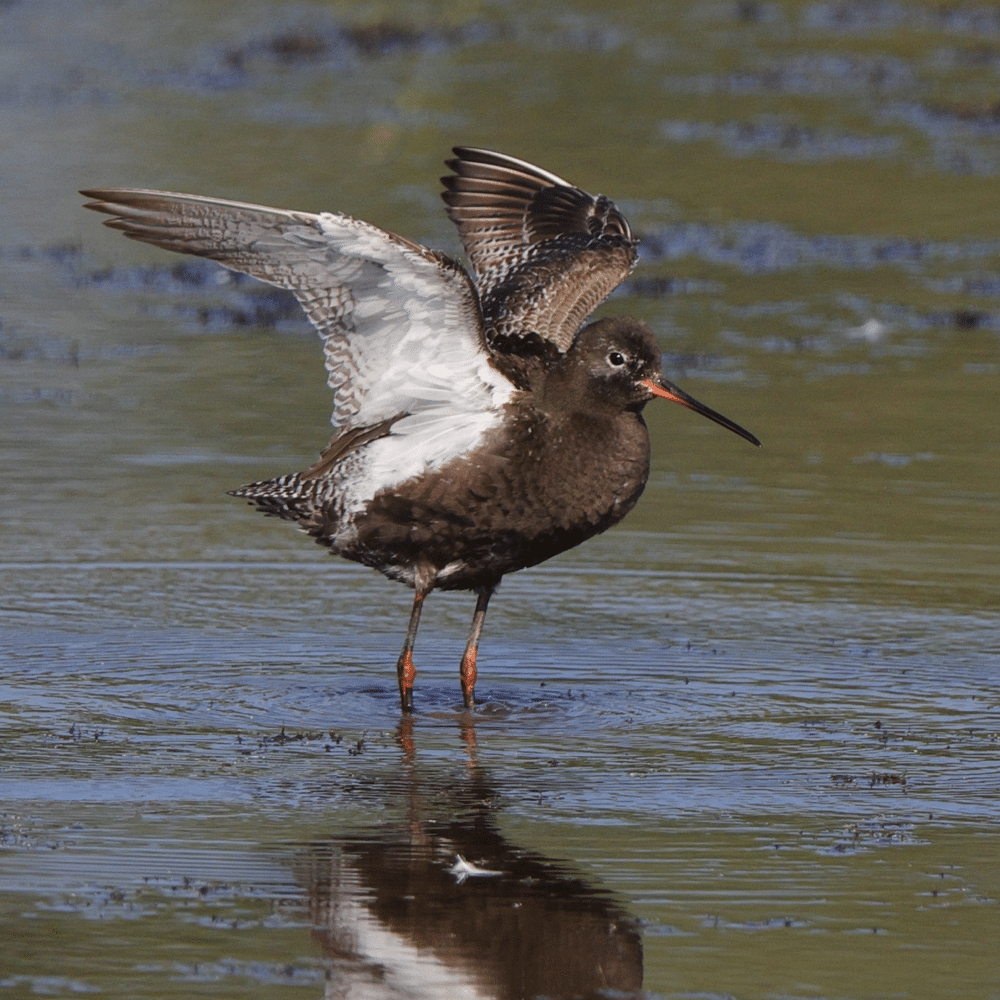
Have you ever dreamed of spotting a bird so rare that most people only see it in pictures? Colorado is a hidden gem for bird watchers like you, offering chances to witness some of the most unusual and stunning birds in the wild.
Imagine the thrill of spotting a vibrant plumage or hearing a unique call that few have experienced. This guide will show you where and when to find these rare bird sightings in Colorado, turning your next outdoor adventure into an unforgettable experience.
Ready to discover the secrets of Colorado’s rarest feathered visitors? Keep reading to unlock your birdwatching potential!
Prime Locations For Rare Birds
Colorado offers many places to spot rare birds. Birdwatchers travel far to see these unique species.
Knowing the best locations helps you find rare birds more easily. These spots have the right habitats for special birds.
High-altitude Habitats
High-altitude areas in Colorado are home to birds that live in cold, thin air. These habitats include rocky cliffs and alpine forests.
Birds like the White-tailed Ptarmigan and Rosy-Finch thrive here. These places offer quiet and few people, perfect for rare birds.
- Rocky Mountain National Park
- San Juan Mountains
- Arapaho National Forest
Wetlands And Riverbanks
Wetlands and riverbanks provide food and shelter for many rare birds. These areas have water plants and insects that birds eat.
Look for birds like the Yellow Rail and Black Tern in these wet places. Early morning is the best time for birdwatching here.
- Alamosa National Wildlife Refuge
- South Platte River
- John Martin Reservoir
Mountain Meadows
Mountain meadows have open spaces with wildflowers and grasses. These spots attract birds that eat seeds and insects.
Rare birds like the Sage Thrasher and Brewer’s Sparrow live in these meadows. Visit during spring and summer for the best sightings.
- San Luis Valley Meadows
- Flat Tops Wilderness Area
- Valles Caldera National Preserve
Urban Birdwatching Sites
Urban parks and gardens can surprise you with rare bird sightings. Birds adapt to cities and find food in green spaces.
Places like Denver’s City Park host birds like the Lesser Goldfinch and Western Bluebird. Bring binoculars and watch near water features.
- Denver City Park
- Boulder Reservoir
- Colorado Springs Garden of the Gods

Credit: environmentamerica.org
Seasonal Birdwatching Patterns
Colorado offers unique chances to see rare birds throughout the year. Each season brings different species to watch. Understanding these patterns helps birdwatchers plan their visits.
Birds migrate, nest, and move in ways tied to the seasons. This guide explains what to expect during spring, summer, fall, and winter in Colorado.
Spring Migrations
Spring is a busy time for birds in Colorado. Many rare species pass through as they head north. This is the best time to spot unusual migrants.
Birdwatchers should look near wetlands and open fields. Early spring mornings offer the most sightings.
- Warblers and flycatchers are common migrants
- Look for rare shorebirds at reservoirs
- Watch for raptors moving through mountain passes
Summer Nesting Periods
Summer is the nesting time for many birds in Colorado. Rare birds often choose quiet forests and high altitudes to raise their young. This season offers chances to see birds close to their nests.
Listen for unique bird songs and watch for feeding behavior. Many species are active during early mornings and evenings.
- Look for hummingbirds near flowers
- Check conifer forests for woodpeckers and owls
- Mountain meadows attract sparrows and finches
Fall Transitions
Fall brings changes as birds prepare to leave Colorado. Many rare birds stop here to rest and feed before continuing south. This time is good for spotting unusual species.
Focus on open fields and water bodies. Migrants gather in groups, making it easier to see many at once.
- Look for flocks of sparrows and blackbirds
- Watch shorebirds at lakes and ponds
- Birds of prey become more active hunting for food
Winter Visitors
Winter in Colorado attracts some rare birds from colder regions. These visitors often come to lower elevations where food is easier to find. Birdwatchers can enjoy spotting unusual species during cold months.
Look for birds in towns, parks, and open forests. Feeding stations may attract winter visitors.
- Watch for finches and crossbills in pine forests
- Check feeders for rare sparrows and chickadees
- Look for waterfowl on unfrozen lakes
Top Rare Bird Species In Colorado
Colorado is home to many rare bird species. Bird watchers often travel here to see these special birds.
These rare birds live in different parts of Colorado. Each species has unique habits and looks.
Mountain Plover
The Mountain Plover is a small bird found in dry, open areas. It has a pale brown back and white belly.
This bird nests on the ground and is hard to spot. It feeds on insects and small animals.
Gunnison Sage-grouse
The Gunnison Sage-Grouse is a rare bird found only in southwestern Colorado. It has a big round body and a long tail.
Males do a special dance to attract females. They live in sagebrush areas and eat plants and insects.
Black Swift
The Black Swift is a dark-colored bird that spends most of its life flying. It lives near waterfalls and cliffs.
This bird builds nests behind waterfalls. It catches insects while flying high in the sky.
Pinyon Jay
The Pinyon Jay is a blue-gray bird that lives in pinyon pine forests. It has a strong beak for cracking seeds.
This bird stores seeds to eat later. It is very social and often seen in large groups.
Gear And Equipment Essentials
Spotting rare birds in Colorado needs the right gear. Good tools help you see and enjoy the birds better.
This guide covers important gear like binoculars, guides, photography tips, and safety clothing.
Binoculars And Spotting Scopes
Binoculars are a must-have for bird watchers. They help you see birds far away clearly.
Spotting scopes give even more detail. They are good for long distance views and small birds.
- Choose binoculars with 8x to 10x magnification for clear views
- Look for wide lenses to see more light and detail
- Spotting scopes should be lightweight and easy to carry
- Use a tripod with spotting scopes for steady images
Field Guides And Apps
Field guides help identify birds by their colors and shapes. Paper guides work well offline.
Apps offer photos, sounds, and maps. They update often with new bird info for Colorado.
- Use a guide that focuses on Colorado birds
- Download apps with offline mode for remote areas
- Listen to bird songs to help with identification
- Keep notes on sightings for future reference
Photography Tips
Photography captures rare birds for memories and study. Use a camera with a good zoom lens.
Be patient and move slowly. Early morning light is best for photos.
- Use a fast shutter speed to catch quick bird movements
- Keep your camera steady with a tripod
- Focus on the bird’s eye for clear pictures
- Take many photos to increase chances of a good shot
Clothing And Safety
Wear clothes that blend with nature. Neutral colors help you stay unnoticed by birds.
Safety is key when exploring Colorado’s wild areas. Dress for weather and carry essentials.
- Wear layers for changing weather
- Choose waterproof shoes for muddy areas
- Bring sun protection like hats and sunscreen
- Carry water and snacks to stay energized
- Inform someone of your plans before heading out
Expert Tips For Successful Sightings
Seeing rare birds in Colorado can be exciting. It takes patience and the right approach to spot them.
This guide offers expert tips to help you enjoy rare bird sightings safely and respectfully.
Timing And Patience
Birds are most active during early morning and late afternoon. These are the best times to watch.
Rare birds may not appear quickly. Waiting quietly and calmly improves your chances of seeing them.
Reading Bird Behavior
Watch how birds move and act to find rare species. Birds often give signs before they appear.
Look for sudden changes in flight, calls, or feeding. These clues help you spot uncommon birds nearby.
Joining Local Birding Groups
Local birding groups share tips and recent sightings. They can guide you to the best places.
Group outings help you learn from others and increase your chances of seeing rare birds.
- Meet experienced bird watchers
- Join guided walks and talks
- Access private birding spots
Respecting Wildlife And Habitats
Always keep a safe distance from birds. Avoid loud noises and sudden movements.
Stay on trails and do not disturb nests or plants. Protecting habitats helps keep birds safe.
- Use binoculars to observe closely
- Carry out all trash and waste
- Follow local rules and guidelines

Credit: www.aba.org
Conservation Efforts Impacting Rare Birds
Rare birds in Colorado face many challenges. Conservation efforts help protect these special species. These actions improve their chances to survive and grow.
Protecting rare birds needs teamwork. People, groups, and government work together. They create safe places and track bird numbers to keep them safe.
Protected Areas And Reserves
Colorado has many protected areas where rare birds live safely. These places stop hunting and keep habitats healthy. Birds find food, shelter, and a safe place to raise young.
National parks, wildlife refuges, and state reserves are key. They help keep bird populations stable and growing.
- Rocky Mountain National Park
- Monte Vista National Wildlife Refuge
- San Luis Valley State Wildlife Area
- Great Sand Dunes National Park
Citizen Science Contributions
Citizen science lets people help track rare birds. Bird watchers report sightings using apps and websites. This data helps scientists learn where birds are and how many there are.
More reports mean better information. This helps guide conservation efforts and protect important habitats.
- eBird reports show bird locations
- Bird counts help track population changes
- Volunteers assist in habitat surveys
- Community groups raise awareness
Threats To Bird Populations
Rare birds face many threats in Colorado. Habitat loss from development is a big problem. Pollution and climate change also harm birds and their homes.
Predators and human activities disturb nesting sites. These threats lower bird numbers and can lead to extinction if not controlled.
- Habitat destruction from farming and building
- Pollution affecting water and air quality
- Climate changes altering migration and food
- Disturbance from people and pets
How Birders Can Help
Birders play a big role in protecting rare birds. Watching birds carefully helps avoid disturbing them. Reporting sightings provides useful data for scientists.
Birders can join local groups and support conservation projects. They help spread knowledge about why rare birds need protection.
- Observe birds without touching or chasing
- Share rare bird sightings with scientists
- Participate in bird counts and surveys
- Support habitat protection efforts

Credit: www.reddit.com
Frequently Asked Questions
What Are Rare Bird Sightings In Colorado?
Rare bird sightings in Colorado include species like the Boreal Owl, American Three-toed Woodpecker, and Black Swift. These birds are uncommon and can often be spotted in specific regions. Birdwatchers flock to Colorado's diverse habitats for a chance to see these unique species in their natural environment.
Where Can I Spot Rare Birds In Colorado?
In Colorado, rare birds are often seen in the San Luis Valley, Pawnee National Grassland, and Rocky Mountain National Park. Each area offers a unique habitat that attracts different species. These locations provide excellent opportunities for bird enthusiasts to witness rare sightings.
When Is The Best Time For Birdwatching In Colorado?
The ideal time for birdwatching in Colorado is during spring and fall migrations. These periods bring diverse bird species through the state. Early mornings offer the best chance to see rare birds in action. Plan your visit around these times for an unforgettable birdwatching experience.
What Equipment Is Needed For Birdwatching?
Essential birdwatching equipment includes binoculars, a field guide, and a notebook. Binoculars help in identifying distant birds, while a field guide aids in recognizing different species. A notebook is useful for recording sightings and observations, enhancing your birdwatching experience.
Conclusion
Colorado offers rare bird sightings that thrill every nature lover. These special moments bring joy and wonder to all who watch. Exploring the state’s diverse habitats increases your chances to see unique birds. Remember to carry binoculars and a good field guide.
Stay quiet and patient for the best experience. Each rare bird sighting creates lasting memories and deepens your love for wildlife. Keep exploring Colorado’s beauty and enjoy the surprises it holds. Bird watching here is simple, fun, and truly rewarding.