Have you ever wondered which rare birds you might spot in Michigan? If you love nature and birdwatching, discovering these uncommon feathered friends can be thrilling.
Imagine the excitement of seeing a bird that few people ever get to witness. This article will guide you through some of Michigan’s most unusual and beautiful birds. By the end, you’ll know exactly where to look and what to watch for on your next outdoor adventure.
Ready to uncover the secrets of Michigan’s rare birds? Let’s dive in.

Credit: avibirds.com
Top Rare Birds In Michigan
Michigan is home to many bird species. Some birds are very rare and special to see.
Bird watchers come to Michigan to find these rare birds. Learning about them helps protect their habitats.
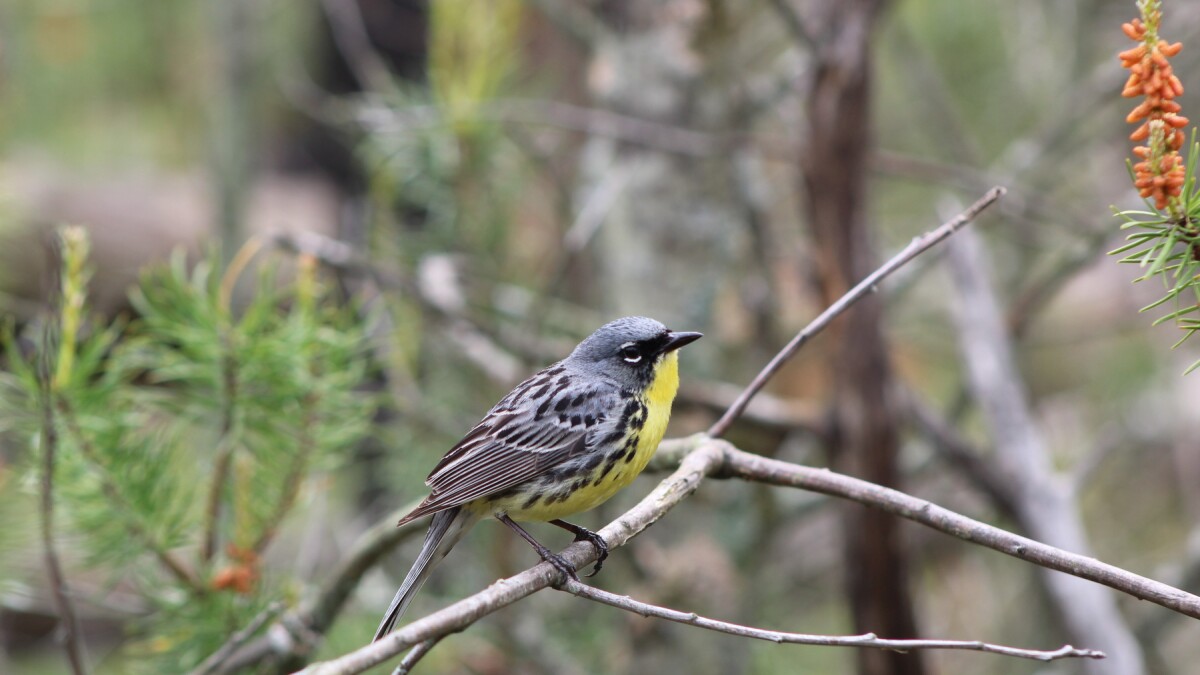
Kirtland’s Warbler
The Kirtland’s Warbler is one of the rarest birds in Michigan. It breeds only in young jack pine forests.
This bird has a grayish-blue color with streaks on its belly. It mostly nests in the northern part of the state.
Piping Plover
The Piping Plover is a small shorebird with sandy-colored feathers. It lives on sandy beaches near the Great Lakes.
This bird is hard to find because it blends well with its beach environment. It is protected to keep its numbers safe.
Red-headed Woodpecker
The Red-headed Woodpecker has a bright red head and a black and white body. It likes open woodlands and old trees.
This woodpecker is rare in Michigan because it needs dead trees for nesting. It feeds on insects and nuts.
Cerulean Warbler
The Cerulean Warbler is a small songbird with bright blue feathers. It prefers mature forests with tall trees.
This bird is rare due to loss of forest habitat. It sings a sweet, high-pitched song during spring.

Credit: www.yahoo.com
Where To Spot Rare Birds
Michigan is home to many rare bird species. Bird watchers visit special places to see these birds.
Some areas have perfect habitats where rare birds live or stop during migration. Here are top spots to find them.
State And National Parks
State and national parks offer great chances to see rare birds. These parks protect forests and wetlands.
Parks like Pictured Rocks and Sleeping Bear Dunes have many bird species. You can spot hawks, warblers, and owls here.
- Pictured Rocks National Lakeshore
- Sleeping Bear Dunes National Lakeshore
- Kalamazoo Nature Center
- Porcupine Mountains Wilderness State Park
Bird Sanctuaries
Bird sanctuaries protect birds and their homes. These places are quiet and safe for rare species.
Sanctuaries like Shiawassee National Wildlife Refuge help many rare birds rest and breed. You can see species like the Kirtland’s Warbler here.
- Shiawassee National Wildlife Refuge
- Detroit River International Wildlife Refuge
- Huron Meadows Metropark
Lakeshores And Wetlands
Lakeshores and wetlands attract many water-loving birds. These habitats are perfect for spotting rare waterfowl and shorebirds.
The Great Lakes shoreline and inland wetlands offer places to see birds like the Red-necked Grebe and American Bittern.
- Lake St. Clair Metropark
- Seney National Wildlife Refuge
- Higgins Lake
- Pinckney Recreation Area Wetlands
Best Seasons For Birdwatching
Michigan is home to many rare bird species. Birdwatchers visit to see these special birds. The best times to watch depend on the season.
Each season brings different birds and chances to spot rare species. Knowing the best season helps you plan your trips well.
Spring Migration
Spring is a great time to see rare birds in Michigan. Many birds return from the south to breed. Migrating birds pass through the state during this time.
Look for warblers, orioles, and shorebirds. They often stop to rest and feed here. Early May is usually the peak time for migration.
- Warblers with bright colors
- Scarce shorebirds along lakes
- Orioles singing in trees
Summer Breeding
In summer, many rare birds nest in Michigan. This season is good for seeing birds with chicks. You can watch their behavior up close.
Look for birds like the Kirtland’s warbler and piping plover. They breed in special habitats like forests and beaches. Early summer is the best time for breeding birdwatching.
- Kirtland’s warbler in jack pine forests
- Piping plover on sandy beaches
- Other nesting songbirds and raptors
Fall Migration
Fall migration brings birds moving south for winter. Many rare species pass through Michigan again. Late September to October is the best time.
Watch for hawks, waterfowl, and songbirds. The colors of birds may change as they prepare for winter. Birdwatchers enjoy the variety during this season.
- Hawks soaring on warm air currents
- Ducks and geese on lakes and rivers
- Songbirds gathering in forests
Tips For Birdwatching Success
Birdwatching is a fun way to enjoy nature and see rare Michigan birds. Patience and the right skills help you spot more birds.
Use these tips to improve your birdwatching and have a great time outdoors.
Essential Gear
Good gear makes birdwatching easier and more comfortable. Bring binoculars to see birds from far away.
Wear comfortable shoes and dress for the weather. A notebook helps you record bird sightings.
- Binoculars with clear lenses
- Comfortable shoes for walking
- Weather-appropriate clothing
- Notebook and pencil
- Field guide for bird identification
Listening For Bird Calls
Bird calls help you find birds hidden in trees or bushes. Learn common calls of rare Michigan birds.
Stay quiet and listen carefully. Use a recording app to practice recognizing calls later.
- Focus on different bird sounds
- Practice identifying calls at home
- Use apps to record and compare calls
- Be patient and keep listening
Ethical Birdwatching Practices
Respect birds and their habitats. Avoid disturbing nests or loud noises near birds.
Stay on marked trails and keep a safe distance. Do not feed or touch wild birds.
- Keep a quiet voice
- Do not chase or touch birds
- Stay on paths to protect habitats
- Observe from a distance with binoculars
- Follow local wildlife rules
Conservation Efforts In Michigan
Michigan is home to many rare birds that need our help. Conservation efforts focus on protecting these birds and their homes.
Communities and groups work together to keep bird populations safe. These efforts help maintain the natural balance.
Habitat Protection
Protecting where birds live is key to their survival. Michigan has many programs to save wetlands, forests, and grasslands.
These areas provide food, shelter, and breeding spots for rare birds. Keeping habitats safe stops birds from disappearing.
- Preserving wetlands to support waterfowl
- Restoring forests for woodpeckers and owls
- Maintaining grasslands for sparrows and warblers
Citizen Science Programs
Many people join citizen science projects to track rare birds. They watch, count, and report sightings to experts.
This helps scientists learn about bird numbers and health. Data from volunteers guide conservation plans and actions.
- Bird counting events like the Christmas Bird Count
- Reporting rare bird sightings online
- Helping monitor bird nests and migration
How You Can Help
Everyone can help protect rare birds in Michigan. Simple actions make a big difference for bird survival.
You can watch birds carefully, avoid disturbing nests, and keep pets under control near habitats.
- Join local bird watching groups
- Plant native trees and flowers
- Keep cats indoors to protect birds
- Support habitat clean-up events
Credit: radio.wcmu.org
Frequently Asked Questions
What Are Rare Birds In Michigan?
Michigan is home to unique avian species like Kirtland’s Warbler, Piping Plover, and Spruce Grouse. These birds are rare due to habitat loss and climate change. Birdwatchers can spot these species in specific conservation areas. Protecting their habitats is crucial for their survival and population growth.
Where To See Rare Birds In Michigan?
Rare birds in Michigan can be spotted in places like the Seney National Wildlife Refuge and Sleeping Bear Dunes. These locations provide the necessary habitat for species like the Kirtland’s Warbler. Visiting during migration seasons increases the chances of sighting these elusive birds in their natural settings.
When Is The Best Time For Birdwatching?
The best time for birdwatching in Michigan is during spring and fall migrations. These seasons offer opportunities to see rare species as they travel. Early mornings provide the best light and activity levels. Observers should bring binoculars and field guides for a rewarding experience.
Why Are Some Michigan Birds Endangered?
Several Michigan birds face threats due to habitat destruction, climate change, and human interference. The Kirtland’s Warbler and Piping Plover are endangered due to these factors. Conservation efforts focus on habitat protection and restoration. Public awareness and support are essential for their survival.
Conclusion
Rare Michigan birds add beauty and wonder to nature lovers’ lives. They remind us to protect habitats and respect wildlife. Spotting these birds can be exciting and rewarding. Keep your eyes open and your camera ready. Each rare bird tells a unique story of survival and adaptation.
Enjoy the thrill of discovery in Michigan’s diverse landscapes. Watching these birds helps us connect with the natural world. Stay curious, patient, and kind to the environment. Rare birds bring joy and inspire us to care more. Keep exploring and appreciating Michigan’s special bird species.