Have you ever stopped to admire a flash of bright red in your backyard or on a nature walk? Red bird species are some of the most striking and beautiful creatures you can spot.
Their vibrant colors catch your eye instantly, making you want to learn more about them. You’ll discover fascinating facts about these birds, where to find them, and what makes their red feathers so special. Keep reading, and you’ll soon see red birds in a whole new light.
Popular Red Birds
Red birds are some of the most beautiful birds you can see. Their bright colors make them easy to spot in nature.
Many people enjoy watching these birds because of their bright red feathers and lively behavior. Here are some popular red bird species.
Northern Cardinal
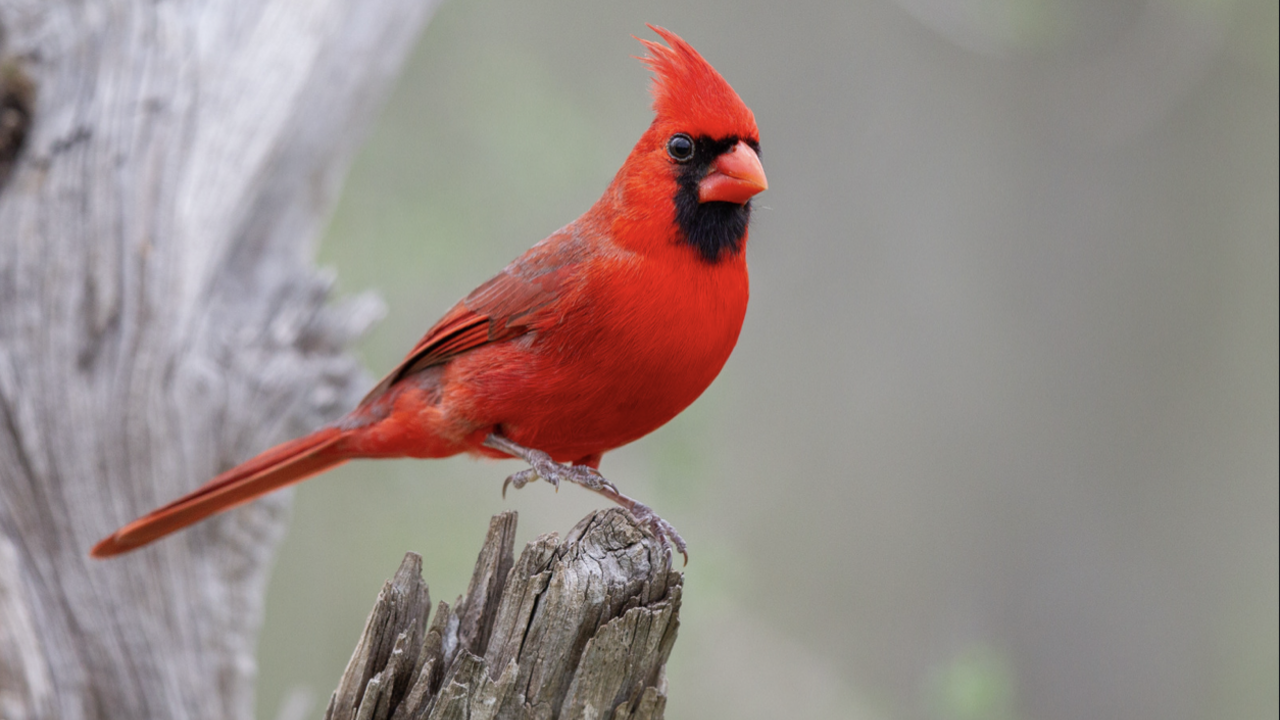
The Northern Cardinal is a common red bird in North America. The males have bright red feathers and a sharp crest on their head.
Female cardinals are mostly brown with some red on their wings and tail. They are often found in gardens and parks.
- Bright red males with a pointed crest
- Found in the eastern United States
- Known for their clear, whistling songs
Scarlet Tanager
The Scarlet Tanager is a bright red bird with black wings. It lives in forests during the summer months.
In the fall, the male changes color to yellow and olive. They eat insects and fruit high in the trees.
- Bright red body with black wings in summer
- Lives in deciduous forests
- Feeds on insects and fruit
Vermilion Flycatcher
The Vermilion Flycatcher is a small bird with bright red feathers. It lives in open areas in the southwestern United States and Central America.
These birds catch insects while flying. The males are bright red, while females have more brown and red colors.
- Small bird with bright red body
- Found in open areas and deserts
- Feeds on flying insects

Credit: www.aol.com
Unique Red Birds Around The World
Red birds are some of the most eye-catching birds in nature. Their bright colors make them easy to spot in forests and gardens.
These birds come from different parts of the world. Each one has its own special features and habits.
Andean Cock-of-the-rock
The Andean Cock-of-the-rock lives in the cloud forests of South America. It is famous for its bright red-orange feathers.
Males have a large crest on their heads. They use it to attract females during courtship displays.
- Size: About 30 cm long
- Diet: Fruits and insects
- Habitat: Mountain forests
Red Lory
The Red Lory is a parrot from Indonesia. It has bright red feathers with blue and black markings.
This bird loves to eat nectar and pollen. It uses its brush-like tongue to collect food from flowers.
- Size: Around 31 cm long
- Diet: Nectar, pollen, fruit
- Habitat: Tropical forests and islands
Crimson Rosella
The Crimson Rosella is a colorful bird from Australia. It has mostly red feathers with blue cheeks and wings.
This bird feeds on seeds, fruits, and insects. It is often seen in gardens and forests.
- Size: About 36 cm long
- Diet: Seeds, fruits, insects
- Habitat: Woodlands and parks
Habitat And Behavior
Red bird species live in many different places. They adapt well to various environments.
These birds show unique behaviors that help them survive and find mates.
Preferred Environments
Red birds prefer habitats with plenty of trees and shrubs. They often live in forests, gardens, and parks.
Some species like wetlands or open fields. They choose places with good food and shelter.
- Forests with dense trees
- Urban gardens and parks
- Wetlands and marshes
- Open fields with scattered bushes
Feeding Patterns
Red birds eat seeds, fruits, and insects. They change their diet by season.
They search for food on the ground and in trees. Some catch insects in the air.
- Seeds and grains in fall and winter
- Fruits and berries in summer
- Insects and larvae in spring
- Foraging on ground and in trees
Mating Displays
Male red birds show bright feathers to attract females. They sing loud songs to claim territory.
They perform dances and flights during courtship. These displays help them find a mate quickly.
- Bright feather displays
- Loud singing and calls
- Flight patterns and dances
- Territory defense behaviors

Credit: www.aol.com
Tips For Birdwatching Red Species
Red birds are easy to spot because of their bright colors. Watching them can be fun and relaxing.
To see red bird species well, you need some good tips. These will help you enjoy birdwatching more.
Best Seasons And Locations
Red birds may be more active in certain seasons. Knowing where to find them helps you spot more.
Spring and fall are great times for red birdwatching. Many birds migrate and show bright colors then.
- Look near forests and parks with many trees
- Wetlands and rivers attract some red species
- Check birdwatching guides for local red bird spots
Using Binoculars And Cameras
Binoculars help you see red birds from a distance. They make small details clear.
A camera with a zoom lens can capture red birds without scaring them away. Use a tripod for steady shots.
- Choose binoculars with 8x to 10x magnification
- Use cameras with fast autofocus to catch quick moves
- Keep equipment ready for sudden bird appearances
Ethical Birdwatching Practices
Respecting birds and their homes is important. Don’t disturb red birds or their nests.
Keep your distance and avoid loud noises. Stay on marked paths to protect nature.
- Do not feed wild birds or change their behavior
- Observe quietly and avoid sudden movements
- Follow local rules and guidelines for birdwatching
Conservation Status
Red bird species include many types of birds with bright red feathers. Some of these birds face risks that affect their survival. Their conservation status shows how safe or threatened they are in nature.
Many red bird species are listed as vulnerable or endangered. This means they need protection to avoid disappearing. Learning about their status helps us take action to save them.
Threats To Red Bird Species
Red birds face many dangers in the wild. Loss of habitat is the biggest threat. Trees and forests where they live are cut down for farming and buildings.
Other threats include pollution, hunting, and climate change. These problems reduce food and safe places for red birds to live and raise their young.
- Habitat loss from deforestation
- Pollution of air and water
- Illegal hunting and trapping
- Climate change affecting weather patterns
Ongoing Conservation Efforts
Many groups work hard to protect red birds. They create safe areas where birds can live without danger. These places are called protected reserves.
Scientists study red birds to learn about their needs. They also breed some birds in captivity to increase their numbers. Education helps people understand why red birds matter.
- Creating protected natural parks
- Researching bird habits and health
- Breeding birds in safe environments
- Teaching communities about wildlife
How You Can Help
You can make a difference for red birds. Plant native trees to create habitats. Avoid using harmful chemicals in your garden.
Support local groups that protect wildlife. Share what you learn about red birds with friends and family. Small actions help keep red bird species safe.
- Plant trees and native plants
- Use eco-friendly products
- Join or donate to conservation groups
- Raise awareness in your community
Credit: extension.msstate.edu
Frequently Asked Questions
What Are Common Red Bird Species?
Common red bird species include the Northern Cardinal, Scarlet Tanager, and Vermilion Flycatcher. These birds are known for their striking red plumage. They can be found across various regions, adding vibrant color to forests and gardens. Observing them can be a delightful experience for bird enthusiasts.
Where Can I Spot Red Birds In The Wild?
Red birds are often spotted in forests, woodlands, and gardens. The Northern Cardinal is prevalent in North America, while the Scarlet Tanager can be found in deciduous forests. Vermilion Flycatchers are usually seen near open areas in the southwestern U.
S. and Central America.
What Do Red Birds Eat?
Red birds primarily feed on seeds, fruits, and insects. Northern Cardinals enjoy sunflower seeds and berries. Scarlet Tanagers prefer insects, like beetles, and caterpillars. Vermilion Flycatchers often catch flying insects mid-air. Providing bird feeders with seeds can attract them to your garden.
Why Do Red Birds Have Bright Plumage?
Red birds have bright plumage for mating and camouflage. The vibrant colors attract mates and signal health. In some habitats, red feathers can also provide camouflage among autumn leaves or flowers. These colors are a result of pigments and light reflection, enhancing their survival and reproduction.
Conclusion
Red bird species add bright color to nature’s scenes. They live in many places worldwide. Each type has unique habits and songs. Watching them helps us learn about wildlife. Protecting their homes keeps these birds safe. Enjoy spotting red birds on your next walk.
Their beauty and charm bring joy to all. Nature’s red birds remind us to care for the earth.