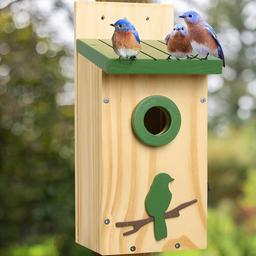
Have you ever wondered if a bird house should have a perch? It might seem like a small detail, but it can make a big difference for the birds visiting your yard.
You want to create a safe and welcoming space for them, right? Adding a perch might help—or it could cause problems you didn’t expect. Keep reading to discover the surprising truth about bird house perches and how to make your feathered friends feel right at home.
Credit: www.kingsyard.com
Role Of Perches In Birdhouses
Birdhouses often have small perches outside the entrance hole. These perches seem helpful for birds to land and rest. But not all birds use them the same way.
Understanding the role of perches can help you decide if your birdhouse should have one. Some birds rely on perches, while others do not.
Benefits For Birds
Perches give birds a place to stand before entering or after leaving the birdhouse. They can also help young birds learn to fly.
Some birds use perches to watch for predators or to clean their feathers. Perches can make it easier for birds to find the entrance.
- Landing spot for entering and exiting
- Resting place near the birdhouse
- Helps young birds practice flying
- Allows birds to watch for danger
Common Misconceptions
Many people think all birdhouses need perches. This is not true. Some birds avoid houses with perches.
Perches can help predators reach the birdhouse. This puts eggs and baby birds at risk. Some experts suggest leaving perches out for safety.
- Not all birds use perches
- Perches may help predators access the nest
- Birdhouses without perches can be safer
- Perches are not always necessary
Types Of Perches To Consider
Birdhouses sometimes have perches outside the entrance. Perches help birds land and rest before entering.
Choosing the right perch type is important for bird safety and comfort. This guide covers key types to think about.
Material Options
Perches come in different materials. Wood, metal, and plastic are the most common choices.
Wood perches blend well with natural surroundings. Metal perches are strong but can get hot in sun. Plastic perches are lightweight but may not last as long.
- Wood:Natural feel, safe grip, may need weather protection
- Metal:Durable, can heat up, may be slippery
- Plastic:Lightweight, easy to clean, less durable
Size And Shape
Perches should fit the size of birds that visit. Too big or small perches can be hard to use.
Round perches are common and easy to hold. Flat perches offer more standing space but can be less natural for some birds.
- Diameter:About ¾ inch works for most small birds
- Length:Long enough to stand on comfortably
- Shape:Round for grip, flat for stability
Impact On Bird Safety
Birdhouses offer shelter for birds, but safety is key. The design can affect how safe birds feel inside. One common feature is a perch outside the entrance. It may seem helpful, but it can change safety levels.
This article looks at how a perch affects bird safety. We focus on two main points: predator risks and weather protection. Understanding these helps you choose the best birdhouse design.
Predator Risks
A perch can make it easier for predators to attack. Cats, squirrels, and larger birds may use the perch to reach inside. This puts baby birds and adults at risk. Without a perch, predators have less chance to grab prey.
- Perch allows predators to sit near the entrance
- Predators can watch and wait for birds to come out
- Birds may have trouble escaping quickly
- Perch can give false security to young birds
Weather Protection
A perch can also affect how well the birdhouse protects from weather. Rain, wind, and snow can reach the entrance more easily with a perch. This may make the inside colder and wetter. Birds need dry and warm spaces to stay healthy.
| Weather Factor | Effect of Perch | Impact on Birds |
| Rain | Perch can channel water toward entrance | Wet nesting area |
| Wind | Perch exposes entrance to wind gusts | Cold inside, risk of chilling |
| Snow | Snow can build on perch and block entrance | Limited access and ventilation |

Credit: www.reddit.com
Species-specific Needs
Bird houses must fit the needs of the birds using them. Different species prefer different features.
One key question is whether to add a perch. This depends on the bird species and their habits.
Small Songbirds
Small songbirds like chickadees, wrens, and bluebirds often do not need a perch on their birdhouses.
- Many small songbirds use the entrance hole to land directly.
- Perches can attract predators like cats and squirrels.
- Removing perches helps protect eggs and chicks inside.
- Birdhouses without perches are easier for these birds to use safely.
Larger Birds
Larger birds such as woodpeckers and owls may benefit from having a perch on their birdhouses.
| Bird Species | Perch Needed | Reason |
| Woodpecker | Yes | Helps them land and hold onto the house |
| Owl | Yes | Provides a resting spot near the entrance |
| Blue Jay | Sometimes | May use perch for landing but can manage without |
Placement And Installation Tips
Birdhouses need good placement to keep birds safe and happy. Choosing the right spot helps birds find and use the house.
Installing a birdhouse correctly is important. It protects birds from weather and predators.
Optimal Height
Place the birdhouse at the right height for the bird species. Most small birds like houses 5 to 10 feet above the ground.
Higher placement helps keep birds safe from cats and other animals. It also makes the house less likely to get disturbed by people.
- Small birds: 5 to 10 feet high
- Woodpeckers: 10 to 15 feet high
- Avoid very low or very high spots
Avoiding Hazards
Keep the birdhouse away from places where predators can reach it easily. Avoid areas near busy roads or noisy spots.
Do not place the house where rain or strong wind hits it directly. Also, avoid spots with too much sun or shade.
- Stay away from branches that cats can climb
- Place the house away from busy human areas
- Choose a sheltered spot to protect from weather
- Face the entrance away from prevailing winds
Alternatives To Perches
Bird houses often include perches, but they are not always necessary. Some birds prefer natural or perch-free options. These alternatives can keep birds safe and comfortable.
Choosing the right alternative depends on the bird species and the environment. Natural branches and perch-free designs are popular choices.
Natural Branches
Using natural branches inside bird houses offers a safe and familiar place for birds to land. Branches come in different sizes and textures, which help birds grip better.
- Choose branches from non-toxic trees
- Use branches with varied thickness
- Secure branches firmly inside the bird house
- Replace branches regularly to avoid mold and pests
Perch-free Designs
Some bird houses do not have any perches at all. These designs prevent predators from using the perch as a step to enter the house. The entrance hole and interior space are enough for birds to enter and settle.
| Feature | Benefit |
| No Perch | Reduces predator access |
| Smooth Entrance | Stops unwanted grip |
| Spacious Interior | Allows easy bird movement |
| Rounded Edges | Prevents injury to birds |
Maintenance And Cleaning
Keeping a birdhouse clean helps birds stay healthy. Dirt and old nesting materials can cause problems.
Regular care of the perch is important. It keeps birds safe and comfortable when they visit.
Keeping Perches Safe
Bird perches can collect dirt, droppings, and mold. Clean the perch often to stop germs from building up.
- Use warm soapy water to scrub the perch.
- Rinse well to remove soap residue.
- Let the perch dry completely before use.
- Replace the perch if it becomes cracked or rough.
Regular Inspection
Check the birdhouse and perch every few weeks. Look for signs of damage or dirt buildup.
| Inspection Point | What to Look For | Action Needed |
| Perch Surface | Cracks, splinters | Smooth or replace perch |
| Cleanliness | Droppings, mold | Clean with warm water |
| Stability | Loose attachment | Tighten or secure perch |
| Wear and Tear | Faded paint or wood damage | Repaint or replace perch |

Credit: www.amazon.com
Frequently Asked Questions
Should A Bird House Have A Perch For Birds?
A perch is not necessary for a bird house. It can attract predators and increase risks. Birds can enter and exit without it, making perchless houses safer.
Do Birds Use Perches On Bird Houses?
Many birds do not need perches to enter bird houses. Perches can provide resting spots, but some birds prefer houses without them for safety reasons.
How Does A Perch Affect Bird House Safety?
Perches can make bird houses less safe by giving predators easy access. Removing perches helps protect nesting birds from cats and other threats.
What Are Alternatives To Perches On Bird Houses?
Instead of perches, use smooth entrance holes to deter predators. This design keeps birds safe while allowing easy access for nesting.
Conclusion
Choosing whether to add a perch on a birdhouse involves careful thought. Birds' safety and comfort should come first. Some birds may prefer a perch, but it can also attract predators. Consider your local bird species and their habits. Research helps make an informed decision.
A perch isn't always necessary for a successful birdhouse. Focus on providing a safe, welcoming space for birds. Observe and adjust as needed. Every backyard is unique. Each choice impacts the birds visiting your garden. Happy birdwatching!