
Signs of Dehydration in Birds Explained Simply
Have you ever wondered if your bird might be feeling thirsty or unwell? Dehydration in birds can sneak up quickly, and if you don’t catch the signs early, it could lead to serious health problems for your feathered friend.
Knowing the clear signs of dehydration can help you protect your bird and keep it happy and healthy. You’ll discover the key symptoms to watch for and what actions you can take right away. Keep reading to make sure your bird stays well-hydrated and safe.
Pay special attention to the signs of dehydration in birds, as they can easily go unnoticed.
Common Signs Of Dehydration
Dehydration is a serious problem in birds. It happens when they lose more water than they take in.
Identifying the signs of dehydration in birds early can save their lives.
Recognizing the signs early helps keep birds healthy. Watch for changes in their body and behavior.
Changes In Feather Condition
Dehydrated birds often have dull or ruffled feathers. Their feathers may look dry and brittle.
These signs of dehydration in birds are critical to monitor for any pet owner.
Feathers can lose their smooth texture. Birds may also stop preening as usual.
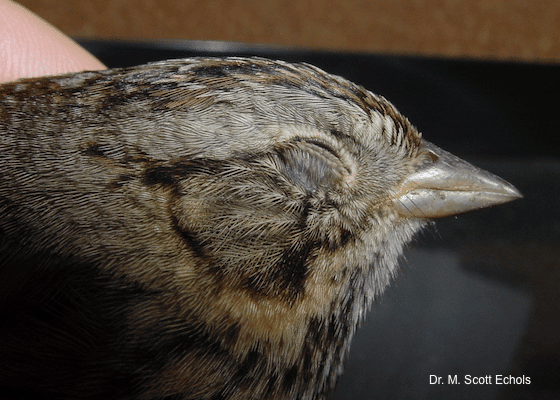
Sunken Eyes And Wrinkled Skin
Sunken eyes are a clear sign of dehydration in birds. Their eyes appear smaller and less bright.
Remember that sunken eyes are one of the most telling signs of dehydration in birds.
Skin may look loose or wrinkled. This happens because the body loses water and elasticity.
- Eyes appear hollow or sunken
- Skin around the eyes looks wrinkled
- Skin feels dry and less elastic
Lethargy And Weakness
Birds with dehydration often act tired and weak. They may sit quietly and avoid moving.
Lethargy is another of the key signs of dehydration in birds you should watch for.
They lose interest in food and play. Weakness makes it hard for them to fly or perch.
- Reduced activity levels
- Poor appetite or refusal to eat
- Difficulty flying or perching
Credit: wildbloo.com
Behavioral Symptoms
Behavioral changes can also indicate signs of dehydration in birds, so stay observant.
Birds show signs of dehydration through changes in behavior. Watching these signs helps keep birds healthy.
Behavior changes are often the first clues that a bird needs water. Knowing these signs can save lives.
Reduced Activity Levels
Dehydrated birds move less than usual. They may stop flying or playing as much.
This low energy happens because their bodies are weak without enough fluids.
Decreased Appetite
Birds that lack water often eat less food. Their hunger drops because they feel unwell.
A decreased appetite is often one of the first signs of dehydration in birds.
Eating less makes dehydration worse. It is important to watch for this sign early.
Excessive Sleeping
Dehydrated birds sleep more than normal. They rest to save energy and recover.
Too much sleeping can mean serious dehydration. Check your bird’s water supply often.
Excessive sleeping is a potential sign of dehydration in birds that should be noted.
Physical Indicators
Birds can show signs of dehydration through changes in their body. Watching these signs helps keep birds healthy.
Physical indicators are visible clues that a bird needs more water. These signs include changes in the mouth, saliva, and breathing.
Dry Mouth And Beak
Dry mouths and beaks are classic signs of dehydration in birds and should be checked regularly.
A dry mouth and beak are common signs of dehydration in birds. The beak may look cracked or rough because of lack of moisture.
Birds usually keep their beaks moist. When they are dry, it shows the bird is not getting enough water.
Sticky Or Thick Saliva
Saliva becomes sticky or thick when a bird is dehydrated. This change makes swallowing and eating harder for the bird.
Sticky saliva also causes discomfort and may lead to other health problems if not addressed quickly.
Sticky or thick saliva can be an alarming sign of dehydration in birds.
Rapid Breathing
Birds breathe faster when they are dehydrated. Rapid breathing helps them cool down because they lose water through their breath.
Rapid breathing often accompanies the signs of dehydration in birds and requires attention.
If you see a bird breathing quickly, it may be a sign of dehydration or heat stress that needs attention.
Health Risks Linked To Dehydration
Dehydration in birds can cause serious health issues. It happens when birds lose more water than they take in.
Understanding the health risks linked to signs of dehydration in birds is essential for owners.
Recognizing the risks helps protect birds from harm and keeps them healthy.
Organ Dysfunction
Dehydration affects important organs like the kidneys and liver. These organs need water to work well.
Recognizing how dehydration impacts organ function is critical to understanding signs of dehydration in birds.
When water is low, organs can fail to remove toxins and keep the bird healthy.
Heat Stress
Birds lose water faster in hot weather. Dehydration makes it hard for them to cool down.
- Rapid breathing
Watch for rapid breathing as one of the signs of dehydration in birds, especially in high temperatures.
- Flapping wings
- Weakness and lethargy
- Collapse in severe cases
Heat stress can quickly become life-threatening without enough hydration.
Increased Susceptibility To Illness
| Illness Type | Effect of Dehydration |
|---|---|
| Respiratory infections | Dry airways increase risk |
| Digestive problems | Slowed digestion causes discomfort |
| Weakened immune response | Body fights infections poorly |
Preventive Measures For Owners
Dehydration in birds can cause serious health problems. Owners must take steps to keep their birds healthy. Simple actions help prevent dehydration before it starts.
Preventative measures can help you address the signs of dehydration in birds effectively.
Knowing how to care for your bird’s needs helps keep them safe. This guide covers key ways to avoid dehydration.
Ensuring Fresh Water Availability
Always ensure fresh water availability to combat the signs of dehydration in birds.
Water is vital for birds. They need clean and fresh water all day. Change water at least once a day. Always check the water container for dirt or droppings.
- Use clean bowls or water bottles made for birds.
- Place water where birds can easily reach it.
- Refill water frequently, especially in hot weather.
- Keep multiple water sources if you have many birds.
- Clean water containers weekly with safe soap and water.
Maintaining Proper Humidity
Birds lose water through breathing and skin. Dry air makes this worse. Keep the air moist to help birds stay hydrated. Use a humidifier or place water bowls near heat sources.
| Humidity Level | Effect on Birds | Recommended Action |
| Below 30% | Increases water loss | Use humidifier or mist birds lightly |
| 30%-50% | Ideal for most pet birds | Monitor regularly |
| Above 50% | Risk of mold and bacteria | Ventilate room properly |
Regular Health Monitoring
Regular health monitoring can reveal signs of dehydration in birds before they become serious.
Watch your bird for signs of dehydration. Check their skin, eyes, and behavior. Early detection helps prevent serious illness.
- Look for dry or wrinkled skin around the eyes and beak.
- Check if the bird drinks more or less water than usual.
- Notice if the bird seems weak or less active.
- Observe droppings for changes in color or consistency.
- Visit a vet for a check-up if you see any signs.

Credit: www.reddit.com
When To Seek Veterinary Help
Birds can hide signs of illness well. Dehydration is serious and needs quick action.
Knowing when to call a vet can save your bird’s life. Watch for clear signs.
Emergency Warning Signs
Some signs mean your bird needs urgent care. Act fast if you see these symptoms.
- Sunken eyes or dry, wrinkled skin
- Excessive panting or open-mouth breathing
- Weakness or inability to stand
- Loss of appetite and refusal to drink
- Rapid weight loss or very fluffed feathers
- Discolored or sticky droppings
- Severe lethargy or unresponsiveness
If your bird shows any of these signs, seek veterinary help immediately.
Preparing For The Vet Visit
Prepare to give the vet clear information about your bird’s condition.
Write down when symptoms started and any changes in behavior or diet.
- Note how much your bird drinks daily
- Record any recent changes in environment or food
- Keep your bird warm and calm during transport
- Bring a sample of droppings if possible
- Use a secure carrier to prevent escape
These steps help the vet diagnose and treat dehydration quickly.

Credit: www.reddit.com
Frequently Asked Questions
What Are Common Signs Of Dehydration In Birds?
Common signs include lethargy, dry or wrinkled skin, sunken eyes, and decreased appetite. Birds may also show weakness and reduced vocalization.
How Does Dehydration Affect A Bird’s Behavior?
Dehydrated birds often become less active, show signs of distress, and may avoid social interaction. Their energy levels drop significantly.
Can Dehydration Cause Serious Health Issues In Birds?
Yes, dehydration can lead to organ failure, impaired immune response, and even death if untreated. Early detection is crucial for recovery.
How To Prevent Dehydration In Pet Birds?
Provide fresh water daily, maintain proper humidity, and avoid exposure to heat. Regularly check water bowls to ensure availability.
Conclusion
Keep in mind the signs of dehydration in birds are critical for their overall health and happiness.
Recognizing dehydration in birds is crucial for their health. Look for signs like dry eyes, lethargy, and loss of appetite. Birds need fresh water daily to thrive. A hydrated bird is active and vibrant. Always monitor your bird’s drinking habits.
Fresh water ensures a healthy, happy bird. Consult a vet if symptoms persist. Early detection helps prevent serious issues. Your bird depends on you for care and attention. Stay informed about their needs. By understanding these signs, you ensure your feathered friend stays healthy and content.
Keep your bird’s water clean and available always.



