Have you ever noticed your bird acting differently but weren’t sure why? Respiratory infections in birds can be tricky to spot early, yet catching the signs quickly is crucial for your feathered friend’s health.
If you want to protect your bird and avoid serious complications, it’s important to know what to look for. You’ll discover the key signs of respiratory infection in birds, so you can act fast and keep your pet happy and healthy.
Keep reading—your bird depends on you.
Common Respiratory Symptoms
Birds can get respiratory infections that affect their breathing. It is important to know the common signs. Early detection helps in getting proper care.
Watch for changes in your bird’s behavior and breathing. This guide covers key symptoms to look for in respiratory problems.
Coughing And Sneezing
Coughing and sneezing are common ways birds try to clear their airways. These actions may signal irritation or infection in the respiratory tract.
- Frequent coughing or sneezing
- Sounds that are different from normal
- Sudden bursts of coughs or sneezes
- Birds may shake their heads after sneezing
Nasal Discharge
Clear or thick liquid from the nostrils shows nasal discharge. It may look wet or crusty around the bird’s nose.
| Type of Discharge | Possible Cause |
| Clear and watery | Allergy or mild irritation |
| Thick and yellow or green | Infection or bacterial growth |
| Crusty buildup | Long-term illness or dryness |
Labored Breathing
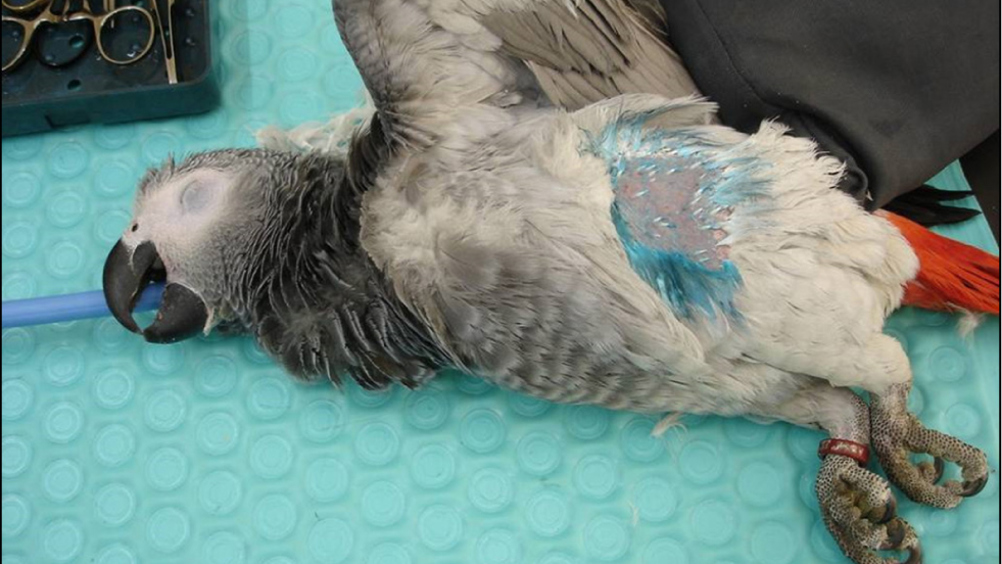
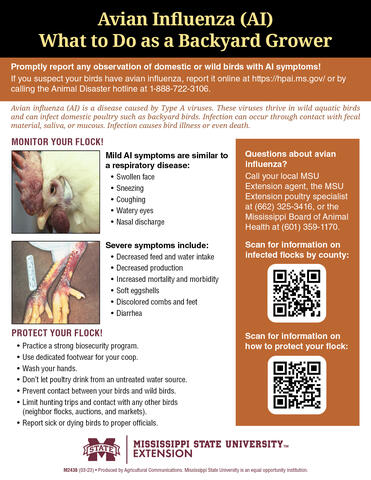
Labored breathing means the bird uses extra effort to breathe. Watch for fast breathing, open-mouth breathing, or tail bobbing.
Signs of labored breathing may include:
- Wings held away from the body
- Stretching the neck to breathe
- Noisy or wheezing sounds
- Reduced activity or weakness
Credit: extension.msstate.edu
Behavioral Changes
Birds with respiratory infections often show changes in their behavior. These signs help identify illness early.
Watch your bird’s activity and habits closely. Changes may indicate health problems.
Lethargy And Weakness
Infected birds may become very tired and weak. They spend more time resting and less time moving.
Notice if your bird avoids flying or playing. Weakness can make simple activities hard for them.
Loss Of Appetite
Birds with respiratory issues often eat less than usual. This loss of appetite can lead to weight loss.
- Eat smaller portions than normal
- Ignore favorite foods
- Spend less time at the food dish
Reduced Vocalization
Birds may sing or call less when sick. Respiratory infections can affect their voice and breathing.
| Normal Vocal Behavior | Signs of Reduced Vocalization |
| Regular singing or chirping | Quiet or no singing |
| Calls to other birds | Less frequent calls |
| Clear, strong sounds | Weak or hoarse sounds |
Physical Signs
Birds with respiratory infections often show clear physical signs. Watching your bird closely helps catch problems early.
These signs can include changes in the face, eyes, and feathers. Spotting them quickly improves care and recovery.
Swollen Sinuses
Swollen sinuses appear as puffed areas around a bird’s beak and face. The area may look red or feel tender.
Swelling can block normal breathing and cause discomfort. It often signals an infection in the respiratory tract.
- Look for raised bumps near nostrils
- Notice if the bird rubs its face often
- Check if the bird breathes with difficulty
Watery Or Swollen Eyes
Watery eyes or eye swelling show irritation or infection. Eyes may look glassy or have clear discharge.
Swelling can make it hard for the bird to open its eyes. This symptom points to possible upper respiratory issues.
- Check for redness around the eyes
- Watch for constant tearing or discharge
- Notice if the bird blinks less or squints
Feather Puffing
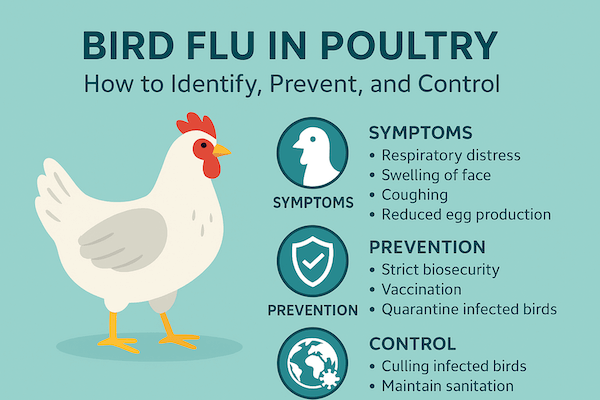
Feather puffing means the bird fluffs its feathers out. This helps keep warm when the bird feels sick.
Birds often puff feathers when they have a respiratory infection. It shows they are uncomfortable or cold.
- Look for feathers sticking out more than usual
- Notice if the bird stays puffed for hours
- See if puffing comes with low energy or sleepiness
Credit: www.bivatec.com
Environmental Triggers
Birds can catch respiratory infections from their surroundings. Some triggers in the environment make these infections more likely. Understanding these triggers helps keep birds healthy.
Common environmental triggers include poor air quality, stress, and contact with sick birds. Each one affects bird health in different ways.
Poor Air Quality
Bad air can harm a bird’s lungs and breathing passages. Dust, smoke, and strong odors cause irritation. Birds living in poorly ventilated places face higher risks of infection.
- Dust from bedding or food
- Smoke from cigarettes or cooking
- Strong cleaning chemicals
- Mold and mildew in damp areas
Stress Factors
Stress weakens a bird’s immune system. Loud noises, overcrowding, or sudden changes cause stress. Stressed birds get sick more easily and recover slowly.
| Stress Cause | Effect on Birds |
|---|---|
| Loud noises | Raises heart rate and breathing |
| Overcrowding | Increases fighting and injury risk |
| New environment | Confuses and frightens birds |
| Poor diet | Weakens immune defense |
Exposure To Other Sick Birds
Sick birds spread germs through air and contact. Birds in close groups catch infections fast. Quarantining new or sick birds helps stop the spread.
- Keep new birds separate for 30 days
- Clean cages and feeders often
- Watch for coughing or sneezing
- Isolate birds showing illness signs
When To Seek Veterinary Care
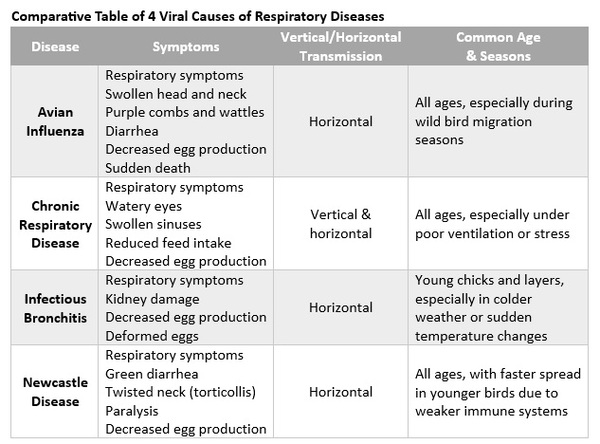
Respiratory infections in birds can quickly become serious. It is important to know when to get help from a vet.
Early treatment can improve your bird’s chances of recovery. Watch for warning signs closely.
Persistent Symptoms
If your bird shows symptoms that last more than a few days, see a vet. Symptoms include coughing, sneezing, or nasal discharge.
- Ongoing sneezing or coughing
- Continuous nasal or eye discharge
- Loss of appetite for several days
- Constant lethargy or weakness
Difficulty Breathing
Breathing problems need urgent care. Look for signs such as open-mouth breathing or tail bobbing.
| Symptom | What to Watch For |
| Open-mouth breathing | Bird breathes with mouth open, not normal |
| Tail bobbing | Tail moves up and down with each breath |
| Noisy breathing | Wheezing or clicking sounds when breathing |
| Gasping | Bird struggles to get air |
Sudden Behavioral Changes
Behavior changes can mean the bird is very sick. Watch for unusual quietness or hiding.
- Less active than usual
- Refusing to eat or drink suddenly
- Hiding away from people or other birds
- Fluffed-up feathers for long periods
- Unusual aggression or fear
Credit: en.engormix.com
Frequently Asked Questions
What Are Common Signs Of Respiratory Infection In Birds?
Common signs include sneezing, coughing, nasal discharge, and labored breathing. Birds may also show lethargy and loss of appetite. Early detection helps prevent severe illness.
How Can I Tell If My Bird Has Difficulty Breathing?
Look for open-mouth breathing, tail bobbing, and noisy breathing. These indicate respiratory distress and require immediate veterinary care to avoid complications.
Can Respiratory Infections In Birds Be Contagious To Humans?
Most avian respiratory infections are species-specific and not contagious to humans. However, good hygiene and handling practices are essential to prevent disease spread among birds.
What Causes Respiratory Infections In Pet Birds?
Respiratory infections often result from bacteria, viruses, fungi, or poor living conditions. Stress, dusty environments, and weakened immunity increase the risk of infection.
Conclusion
Recognizing respiratory infection signs in birds is crucial. Early detection helps birds recover. Watch for labored breathing and sneezing. Also, check for nasal discharge and coughing. These symptoms indicate possible infection. Quick action can save your bird. Consult a vet if symptoms appear.
A healthy environment prevents infections. Keep cages clean and draft-free. Provide proper nutrition and fresh water. Birds need regular check-ups. Stay alert to their behaviors. A healthy bird is a happy companion. Prioritize their well-being for a longer life.