Are you worried about the health of your birds? Knowing the symptoms of avian influenza can make all the difference in keeping your feathered friends safe.
This virus spreads quickly and can be deadly if not caught early. By understanding what to look for, you can protect your birds and act fast before it’s too late. Keep reading to learn the key signs that could save your birds’ lives.
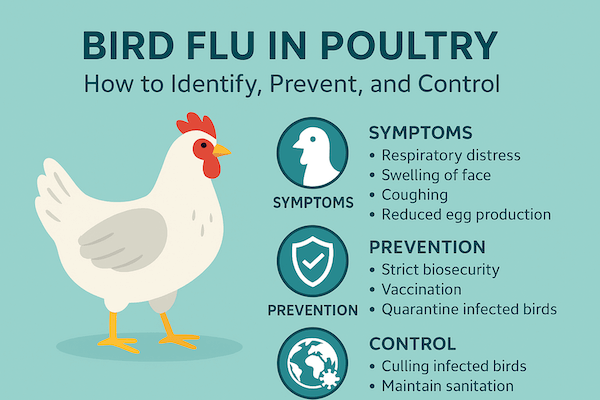
Credit: www.bivatec.com
Common Physical Signs
Avian influenza causes many physical signs in birds. These signs help identify sick birds early.
Watching for changes in appearance and behavior can protect flocks from serious harm.
Respiratory Difficulties
Birds with avian influenza often have trouble breathing. They may cough or sneeze a lot.
Breathing sounds can become noisy or wheezy. Some birds may gasp for air.
- Coughing and sneezing
- Noisy or wheezy breathing
- Open-mouth breathing or gasping
Swelling And Discoloration
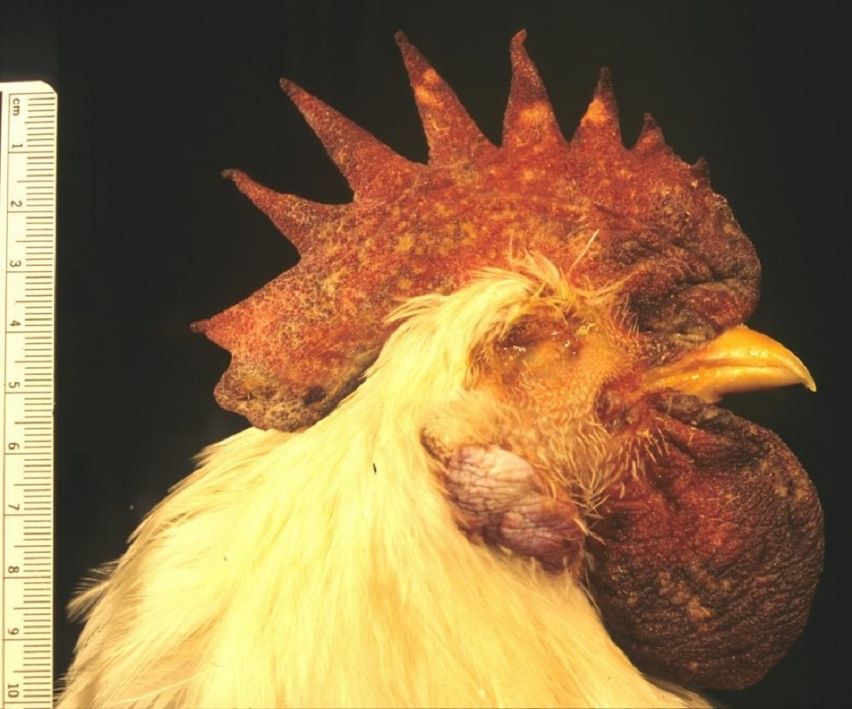
Swelling often appears on the bird’s face, neck, or head. The skin may look red or purple.
Discoloration can show around the eyes, comb, or wattles. These signs mean poor blood flow.
- Swollen face, neck, or head
- Red or purple skin areas
- Discolored comb and wattles
Unusual Feather Condition
Feathers may look ruffled or wet even when the bird is dry. Birds may lose feathers in spots.
Feather loss and poor feather quality show the bird is sick and weak from the virus.
- Ruffled or wet-looking feathers
- Patchy feather loss
- Dull or broken feathers
Behavioral Changes
Birds infected with avian influenza often show changes in their behavior. These changes help spot the disease early. Watching birds closely can protect the whole flock.
Behavioral symptoms include less movement, eating less, and staying away from others. These signs mean the bird is sick and needs attention.
Lethargy And Weakness
Birds with avian influenza often become very tired. They show little energy and move slowly. They may sit or lie down more than usual.
Weakness makes it hard for birds to stand or fly. These signs are clear signals of illness and should not be ignored.
Reduced Appetite
Sick birds eat less or stop eating altogether. Loss of appetite leads to quick weight loss. This can make the bird even weaker.
Watch for birds that avoid food or water. Reduced eating is a common sign of avian influenza.
Isolation From Flock
Birds with avian influenza often stay away from the group. They may stand alone or hide. This behavior shows they are not feeling well.
Isolation helps stop the spread of the disease. It also shows that the bird needs care and monitoring.
Digestive Symptoms
Avian influenza affects birds in many ways. Digestive symptoms show how the disease harms their stomach and intestines.
Bird owners should watch for changes in eating and waste. Early signs help with quick care and control.
Diarrhea
Diarrhea is a common symptom in birds with avian influenza. It causes loose and watery droppings. This can lead to dehydration quickly.
- Frequent watery droppings
- Change in color, often green or yellow
- Unusual smell from droppings
- Signs of weakness due to fluid loss
Vomiting
Birds with avian influenza may vomit often. Vomiting shows the bird’s stomach is irritated or inflamed. It can cause loss of appetite and weakness.
| Symptom | Effect on Bird |
| Vomiting | Loss of food and nutrients |
| Loss of appetite | Weakness and slow recovery |
| Stomach irritation | Discomfort and distress |
Neurological Indicators
Neurological signs are common in birds with avian influenza. These signs show the virus affecting the bird's brain and nerves.
Watch for unusual movements and behavior. Early detection helps manage the disease better.
Head Tremors
Head tremors mean the bird’s head shakes or moves uncontrollably. This can be a sign of brain irritation or damage caused by the virus.
- Birds may shake their heads rapidly.
- Tremors can happen when the bird is resting or active.
- These movements may look like the bird is confused or in pain.
Loss Of Coordination
Loss of coordination means the bird has trouble controlling its body movements. This makes walking or flying difficult.
| Symptom | Description |
| Unsteady Walking | Birds may stumble or fall. |
| Difficulty Flying | Wings may not move properly. |
| Head Tilt | Birds may hold their head at an angle. |
| Weakness | Birds may appear weak or lethargic. |
Detecting Early Signs In Different Bird Species
Avian influenza is a serious disease that affects many bird species. Early detection helps control its spread and protect birds.
Signs of avian influenza vary by bird type. Watching closely for symptoms is important for early action.
Poultry Birds
Poultry like chickens and turkeys often show sickness quickly. Watch for changes in behavior and appearance.
Common signs include coughing, sneezing, and loss of appetite. Sudden death may also happen without clear symptoms.
- Swelling around the eyes and neck
- Soft-shelled or misshapen eggs
- Diarrhea and weakness
- Drop in egg production
Wild Birds
Wild birds often hide signs of illness. Careful observation is needed to spot early symptoms.
Look for unusual behavior like difficulty flying or staying alert. Dead birds found in groups may signal infection.
- Swollen eyes or face
- Discharge from nose or mouth
- Uncoordinated movements
- Unusual quietness or isolation
Pet Birds
Pet birds like parrots can catch avian influenza. Owners should watch for any health changes.
Early symptoms include breathing trouble and changes in droppings. Quick vet visits help confirm the illness.
- Labored breathing or sneezing
- Loss of feathers or ruffled feathers
- Swollen head or face
- Decreased activity or appetite
Credit: www.merckvetmanual.com
Impact Of Symptoms On Bird Health
Avian influenza causes serious health issues in birds. The symptoms affect their ability to eat, move, and breathe.
These symptoms can quickly weaken birds and reduce their chances of survival. Understanding the impact helps in early detection and care.
Rapid Disease Progression
Symptoms of avian influenza appear fast and worsen quickly. Birds may show signs within a few hours of infection.
- Sudden loss of energy and appetite
- Swelling of the head and neck
- Respiratory distress like coughing and sneezing
- Discharge from eyes and nostrils
- Diarrhea and dehydration
Rapid progression can lead to severe weakness. Birds may become unable to stand or fly.
Potential Fatality
| Symptom | Effect on Bird | Risk Level |
| High Fever | Damages organs and slows recovery | High |
| Severe Respiratory Issues | Limits oxygen intake | Critical |
| Neurological Signs | Causes paralysis and poor coordination | Severe |
| Internal Bleeding | Leads to organ failure | Fatal |
Many birds die within days after symptoms start. This disease can cause large losses in wild and farmed bird populations.
When To Seek Veterinary Help
Avian influenza can spread fast among birds. Early detection helps protect your flock.
Knowing when to get veterinary help is important for bird health and safety.
Signs Of Severe Illness
Watch for sudden weakness or trouble breathing. These signs mean urgent care is needed.
Unusual Behavior Changes
If birds stop eating or become very quiet, call a vet. These changes can show illness.
Physical Symptoms To Monitor
- Swelling around the head or neck
- Discharge from eyes or nose
- Sudden death without clear cause
- Weakness or inability to stand
Temperature And Movement Issues
Birds that shiver or have trouble walking need quick veterinary attention.
Emergency Contact Information
| Situation | Action |
|---|---|
| Sudden death in flock | Contact vet immediately |
| Severe breathing problems | Seek emergency care |
| Multiple birds showing symptoms | Isolate and call vet |
| Mild symptoms in one bird | Monitor and consult vet |

Credit: agwaycapecod.com
Frequently Asked Questions
What Are The Early Symptoms Of Avian Influenza In Birds?
Early symptoms include sudden lethargy, reduced appetite, swollen eyes, and nasal discharge. Birds may also show respiratory distress and diarrhea. Prompt identification helps in managing the disease and preventing its spread.
How Can You Identify Avian Influenza In Wild Birds?
Wild birds with avian influenza often show weakness, tremors, and erratic behavior. They may have ruffled feathers and difficulty flying. Observing these signs early aids in disease control and protects other bird populations.
What Signs Indicate Severe Avian Influenza Infection?
Severe infection causes high fever, swelling of the head and neck, and purple discoloration of wattles. Birds may experience rapid death and nervous symptoms like paralysis. Immediate veterinary care is crucial for containment.
Can Avian Influenza Symptoms Vary By Bird Species?
Yes, symptoms differ among species. Waterfowl might show mild signs, while poultry often exhibit severe illness. Recognizing species-specific symptoms helps in accurate diagnosis and effective treatment strategies.
Conclusion
Spotting avian influenza symptoms early can save your birds. Keep an eye on respiratory distress and unusual behavior. Notice any changes in appetite or energy levels. Look for signs like coughing, sneezing, or nasal discharge. Swelling or discoloration around the head and eyes is a red flag.
Early detection helps prevent outbreaks. Act quickly and consult a vet if symptoms appear. Protecting your flock is crucial for their health. Stay informed and vigilant. Your attention keeps your birds safe and healthy.