
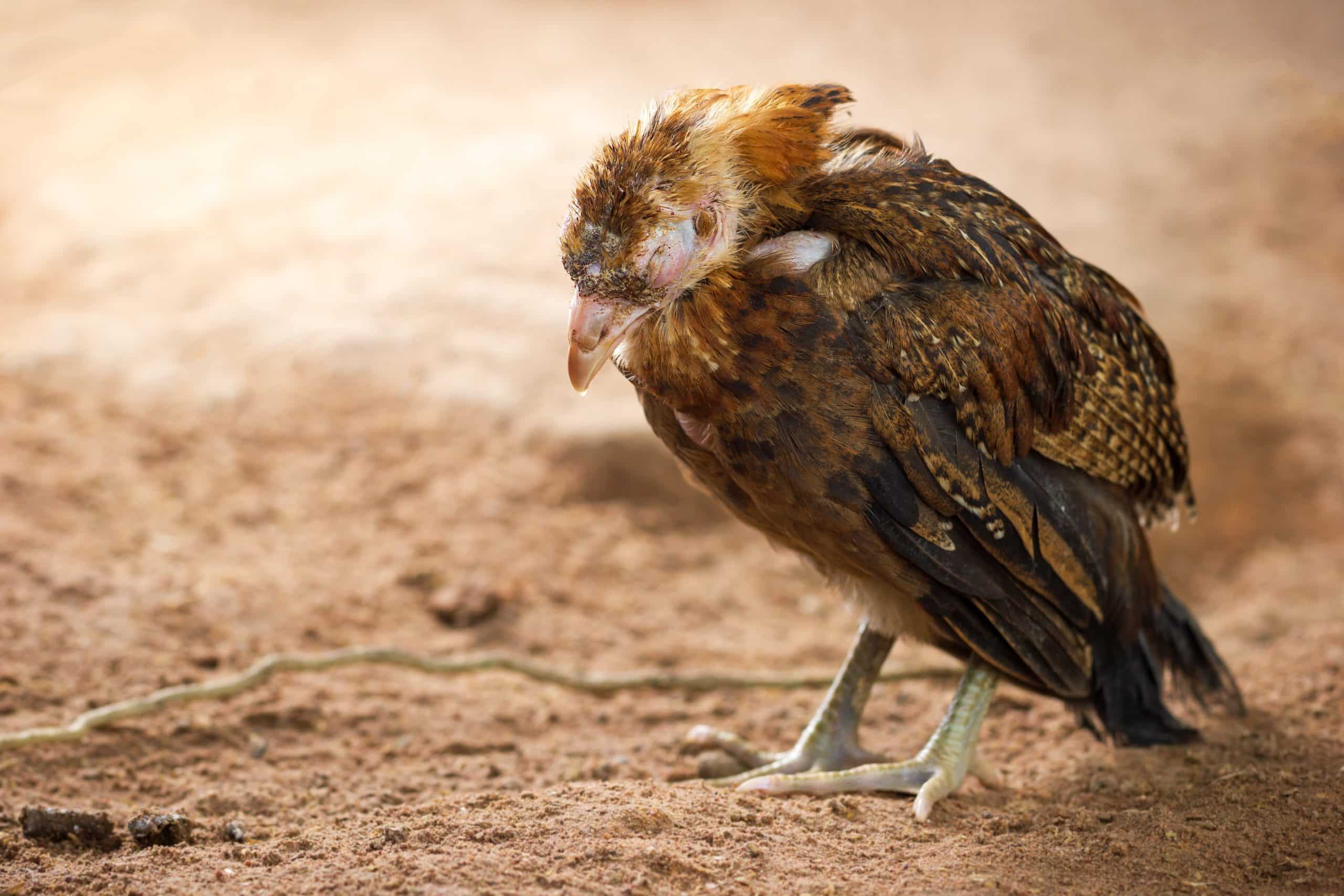
Are you noticing unusual behavior or health problems in your birds? Understanding the symptoms of coccidiosis in birds is crucial to protecting your feathered friends from this common but serious disease.
If left untreated, coccidiosis can quickly affect their well-being and even threaten their lives. You’ll learn how to spot the early signs before it’s too late. Keep reading to ensure you can act fast and keep your birds healthy and happy.

Credit: chooks.co.nz
Common Symptoms
Coccidiosis is a disease that affects birds’ intestines. It can cause many health problems. Knowing the symptoms helps catch it early.
Birds with coccidiosis often show signs that something is wrong. These signs help bird owners and farmers act quickly.
Diarrhea And Dehydration
Diarrhea is a common symptom of coccidiosis in birds. It can be watery and sometimes contains blood.
Because of diarrhea, birds lose a lot of water. This causes dehydration, which is dangerous and weakens the bird.
- Frequent loose droppings
- Wet or dirty feathers around the vent
- Reduced water intake but increased water loss
- Sunken eyes and dry mouth signs of dehydration
Lethargy And Weakness
Birds with coccidiosis often appear tired and weak. They move less and rest more than usual.
Weakness happens because the bird’s body uses energy to fight the infection. This makes the bird less active.
- Slow or no movement
- Drooping wings
- Difficulty standing or walking
- Less response to sounds or movement
Loss Of Appetite
Birds with coccidiosis often eat less or stop eating. This reduces their energy and slows recovery.
Loss of appetite leads to weight loss and makes birds more vulnerable to other diseases.
- Refusal to eat regular feed
- Less interest in treats or new food
- Weight loss over a few days
- Slow growth in young birds
Digestive Issues
Coccidiosis affects the bird’s digestive system. It causes many problems that show signs of illness.
Birds with coccidiosis often have trouble digesting food. This leads to other health issues.
Weight Loss
Birds with coccidiosis lose weight fast. They eat less because their stomach hurts.
Weight loss happens even if the bird tries to eat normally. The illness stops nutrients from being absorbed.
Bloody Droppings
One clear sign of coccidiosis is bloody droppings. Blood comes from damage inside the intestines.
Droppings may look dark red or have streaks of blood. This shows the bird is very sick.
Swollen Abdomen
The bird’s belly may swell or look bloated. This happens because of fluid build-up or gas.
A swollen abdomen is a sign the infection is serious. Birds feel uncomfortable and may avoid moving.
Behavioral Changes
Coccidiosis affects birds by changing their normal actions. These changes help spot the illness early. Watching behavior is important for quick care.
Birds with coccidiosis show signs like avoiding others and moving less. Knowing these signs helps protect the flock.
Isolation From Flock
Sick birds often stay away from the group. They may sit alone or hide. This isolation shows they feel weak or tired.
- Avoids eating with others
- Seeks quiet, hidden spots
- Stops joining social activities
Reduced Activity
Birds with coccidiosis move less than usual. They may stop running or flying. This change means the bird is not feeling well.
| Activity Level | Normal Bird | Infected Bird |
| Walking | Active | Slow, limited |
| Flying | Frequent | Rare or none |
| Foraging | Regular | Decreased |
Excessive Resting
Birds with coccidiosis rest more than healthy ones. They sit or lie down for long times. This rest helps them fight the infection but shows their weakness.
- Long periods of sitting or lying down
- Less interest in moving around
- Slow response to sounds or movement
Physical Signs
Coccidiosis is a common disease in birds that causes many physical changes. These signs help bird owners notice illness early.
Watch your birds closely for any changes in their appearance or breathing. These signs show that they might have coccidiosis.
Ruffled Feathers
Birds with coccidiosis often have ruffled feathers. Their feathers look messy and not smooth. This happens because the bird feels weak or cold.
Pale Comb And Wattles
The comb and wattles of a healthy bird are bright red. With coccidiosis, these parts become pale or dull. This change shows poor blood flow or anemia.
- Pale comb means less oxygen in the blood.
- Dull wattles show the bird is sick or stressed.
- Check these areas daily for color changes.
Respiratory Distress
Birds with coccidiosis may also have trouble breathing. They may breathe fast or make wheezing sounds. Their chest might move quickly or unevenly.
| Symptom | Description |
| Rapid Breathing | Bird takes many quick breaths per minute |
| Wheezing Sounds | Noisy breathing caused by airway irritation |
| Open Mouth Breathing | Bird breathes with mouth open to get more air |
| Chest Movement | Chest moves faster or unevenly during breaths |
Advanced Symptoms
Coccidiosis in birds can worsen quickly if not treated. Advanced symptoms show when the infection spreads deeply.
Recognizing these signs helps to act fast and reduce harm to your flock.
Severe Dehydration
Severe dehydration happens as birds lose fluids rapidly. It can cause weakness and sunken eyes.
- Dry and wrinkled skin
- Reduced drinking and eating
- Weakness and lethargy
- Cold and pale comb and wattles
Sudden Death
Sudden death occurs without warning in birds with heavy infection. The parasite damages the intestines badly.
| Cause | Effect |
| Severe intestinal bleeding | Shock and rapid death |
| Blocked nutrient absorption | Starvation and weakness |
| Heart strain from dehydration | Organ failure |
Secondary Infections
Damaged intestines let bacteria enter the bloodstream. This causes secondary infections that worsen the bird’s health.
Common secondary infections include:
- Bacterial enteritis
- Respiratory infections
- Septicemia
These infections need separate treatment and can delay recovery.

Credit: www.jahankaveh.com
Early Detection Tips
Coccidiosis is a common disease in birds. Detecting it early helps keep your flock healthy.
Watch your birds closely. Look for signs that show something is wrong.
Regular Health Checks
Check your birds daily for changes in behavior or appearance. Early signs include weakness and ruffled feathers.
- Look for pale combs or wattles
- Notice if birds are less active than usual
- Check for signs of breathing trouble
- Observe if birds isolate themselves from the group
Monitoring Droppings
Droppings tell a lot about bird health. Changes can signal coccidiosis early.
| Normal Droppings | Firm, brown, white caps of urates |
| Signs of Coccidiosis | Watery, bloody, or mucus-covered droppings |
| Other Signs | Increased droppings with foul smell |
Observing Feeding Habits
Birds with coccidiosis often eat less. Watch for changes in how much and how often they eat.
- Note if birds avoid food or water
- Look for sudden loss of appetite
- Check if birds seem weak during feeding times

Credit: chooks.co.nz
Frequently Asked Questions
What Are Common Symptoms Of Coccidiosis In Birds?
Common symptoms include diarrhea, lethargy, weight loss, and poor appetite. Birds may also show ruffled feathers and droopiness, indicating illness.
How Quickly Do Coccidiosis Symptoms Appear In Birds?
Symptoms typically appear 4 to 7 days after infection. Early detection is crucial for effective treatment and preventing spread.
Can Coccidiosis Cause Severe Health Issues In Birds?
Yes, severe cases can lead to dehydration, anemia, and even death if untreated. Prompt veterinary care is essential.
How Is Coccidiosis Diagnosed In Birds?
Diagnosis is usually by fecal examination to detect coccidia oocysts. A vet may also assess symptoms and bird history.
Conclusion
Recognizing coccidiosis symptoms early can save your birds’ lives. Keep an eye on droopiness and poor appetite. Watch for diarrhea and weight loss. Early detection and treatment are key. Healthy environments reduce the risk of this disease. Clean cages and good nutrition help.
Regular vet visits can prevent outbreaks. Caring for birds means knowing their health. Understanding symptoms is part of responsible bird ownership. Stay informed and act fast if needed. Your birds depend on you.



