Have you noticed your bird acting restless or struggling to lay an egg? If so, it could be a sign of egg binding, a serious condition that affects many pet birds.
Knowing the symptoms of egg binding is crucial because the sooner you spot the problem, the faster you can help your feathered friend. You’ll learn how to recognize the warning signs before things get worse—and what you can do to keep your bird safe and healthy.
Keep reading to protect your pet from this hidden danger.

Credit: www.reddit.com
What Is Egg Binding
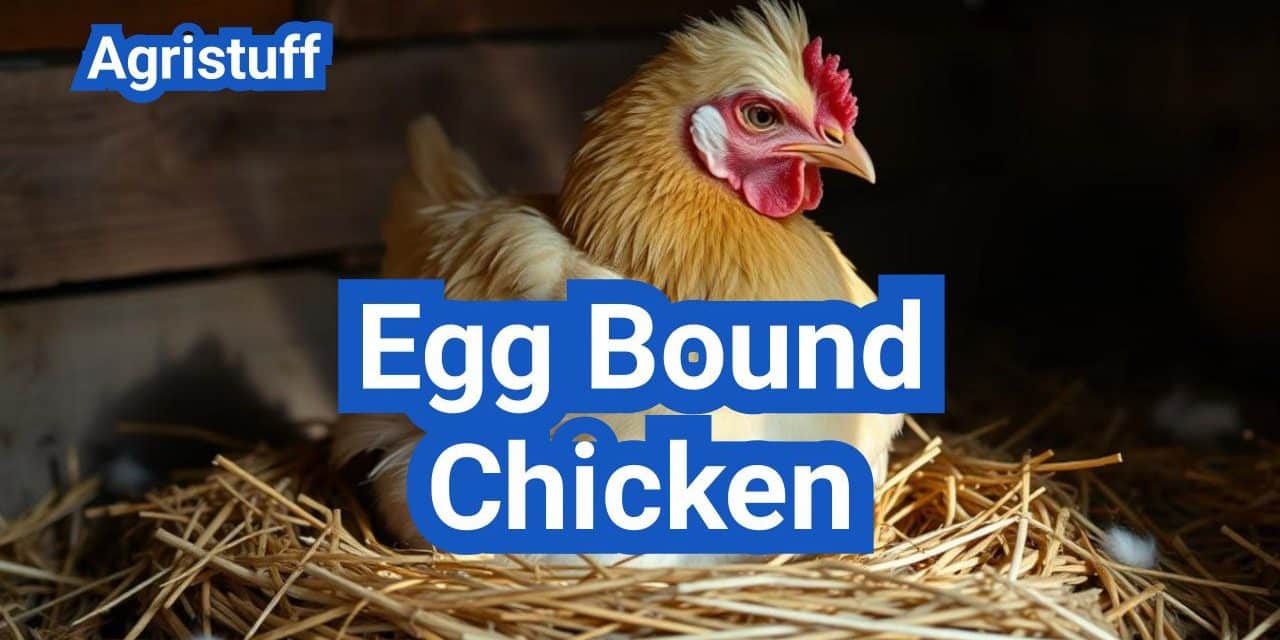
Egg binding is a serious condition in birds. It happens when a bird cannot pass an egg through its reproductive tract.
This problem can cause pain and health risks. Birds need help quickly if they are egg bound.
Causes Of Egg Binding
Egg binding can happen for many reasons. Poor diet, lack of exercise, or infections may lead to this condition.
- Calcium deficiency weakens muscles needed to pass eggs.
- Obesity or inactivity can slow down egg laying.
- Large or misshaped eggs may get stuck inside.
- Stress or illness can affect the bird’s ability to lay eggs.
Symptoms Of Egg Binding
Birds with egg binding show clear signs. Watching for these helps owners get fast care.
| Symptom | Description |
| Swollen Abdomen | The belly looks bigger or feels hard. |
| Straining | The bird tries to lay an egg but cannot. |
| Lethargy | Less active and weak behavior. |
| Loss of Appetite | Eating less or refusing food. |
| Change in Breathing | Breathing fast or struggling to breathe. |
Risks Of Untreated Egg Binding
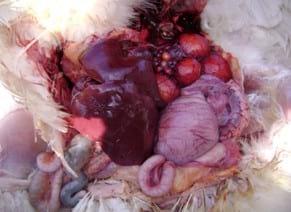
If not treated, egg binding can cause severe problems. The bird may suffer infections or organ damage.
- Damage to the reproductive tract
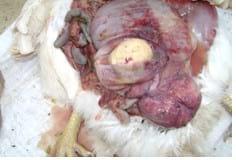
- Infection or egg yolk peritonitis
- Shock from pain and stress
- Death if left untreated
Credit: en.engormix.com
Common Symptoms
Egg binding is a serious problem in birds. It happens when a bird cannot pass an egg. Recognizing symptoms early is important.
Bird owners should watch for signs that show distress or discomfort. These signs help identify egg binding quickly.
Swollen Abdomen
A swollen abdomen is one of the first signs of egg binding. The bird’s belly looks larger than usual. It may feel hard to touch.
Swelling happens because the egg is stuck inside. The bird might show discomfort when you touch its abdomen.
Straining And Difficulty Laying
Birds with egg binding often strain like they want to lay an egg. They may squat or push but nothing comes out.
This straining can last for a long time. The bird may make noises or appear stressed during this effort.
Lethargy And Weakness
Egg binding can make birds very tired and weak. They may sit still and avoid moving around.
Weakness happens because the bird feels pain or has low energy from the problem.
Changes In Appetite
Birds with egg binding often eat less than normal. They may refuse food or water.
Loss of appetite is a sign of discomfort or pain inside the body.
Abnormal Posture
Birds may hold their bodies in unusual ways to ease pain. They might stretch their legs or keep their tail down.
This posture helps reduce pressure on the stuck egg and shows the bird is not feeling well.
Behavioral Changes
Birds with egg binding often show changes in their behavior. These changes help owners notice the problem early. Paying attention to behavior can save the bird’s life.
Behavioral changes can vary but often include signs of discomfort and stress. Watch your bird closely for unusual actions or sounds.
Restlessness
Restlessness is common in birds with egg binding. The bird may pace back and forth or move awkwardly. It tries to find a comfortable position but fails.
Restlessness can also include frequent shifting of weight or flapping wings nervously. The bird may seem anxious or unsettled for long periods.
Vocalization Differences
Birds may change how they vocalize when egg bound. They might make unusual sounds or call more often. Some birds may become quieter than usual.
These vocal changes show the bird is in distress. Listen carefully to any new or strange sounds your bird makes.
Reduced Activity
Birds with egg binding often reduce their activity. They may sit still for long times and avoid moving around. This shows they are weak or in pain.
Reduced activity can include less flying, climbing, or playing. The bird may also eat less and sleep more than usual.
Credit: en.engormix.com
Physical Signs To Watch
Egg binding is a serious problem in birds that needs quick attention. Recognizing physical signs early can save a bird’s life.
Look closely at your bird for unusual changes. These signs often show the bird is struggling to lay an egg.
Visible Egg Protrusion
You may see part of the egg sticking out of the bird’s vent. The area might look swollen or red. The bird may strain often but fail to lay the egg.
Breathing Difficulties
Egg binding can press on the bird’s organs and make breathing hard. Watch for these signs:
- Rapid breathing or panting
- Open-mouth breathing
- Weakness or lethargy
- Fluffed feathers
- Less movement or activity
Discharge Or Bleeding
| Type | Description |
| Clear Discharge | May come from the vent, showing irritation |
| Bloody Discharge | Signals possible injury or infection |
| Bad Smell | Means infection may be present |
If you see bleeding or foul discharge, act quickly and contact a vet. These signs need immediate care.
Risk Factors For Egg Binding
Egg binding happens when a bird cannot pass an egg. It can be very dangerous. Some birds have higher risks than others. Understanding these risks helps in prevention.
Several factors increase the chance of egg binding. These include the bird’s species, age, health, diet, and environment. Knowing these helps bird owners care better for their pets.
Species Susceptibility
Not all bird species face the same risk of egg binding. Smaller birds and certain types are more likely to have problems. This is due to their body shape and size.
Parrots, finches, and budgerigars often show higher risks. Larger birds like chickens are less prone but can still suffer from egg binding. Knowing which species are at risk helps watch for signs early.
- Small parrots (e.g., lovebirds, cockatiels)
- Finches and canaries
- Budgerigars (budgies)
- Some waterfowl and tropical birds
Age And Health Conditions
Young and old birds face more risk of egg binding. Young birds may have weak muscles and bones. Older birds may have health issues that slow egg passing.
Birds with poor health or past illnesses can struggle to lay eggs. Obesity, infections, or calcium deficiency also increase risk. Regular check-ups help spot problems early.
- Young birds with weak muscles
- Older birds with health problems
- Birds with calcium or vitamin D deficiency
- Birds with infections or injuries
Diet And Environment
Poor diet and bad living conditions raise egg binding risk. Birds need enough calcium and nutrients to lay eggs safely. Lack of sunlight or vitamin D affects calcium use.
Stressful or dirty environments can cause egg binding. Birds need a calm place with fresh water and good food. Proper care lowers the chance of this problem.
- Calcium-poor diets
- Low vitamin D or lack of sunlight
- Stressful or noisy surroundings
- Dirty or cramped living spaces
When To Seek Veterinary Help
Egg binding in birds is a serious health problem. It happens when a bird cannot pass an egg. Knowing when to get veterinary help is very important.
Early treatment can save your bird’s life. Watch your bird closely for signs of distress or illness.
Signs Of Severe Distress
If your bird shows heavy breathing, weakness, or collapse, get help right away. These signs mean the bird is in serious danger.
Changes In Behavior And Appetite
A bird that stops eating or drinking may be egg bound. If your bird is hiding or not moving much, a vet visit is needed.
Physical Symptoms To Watch For
- Swollen abdomen or belly
- Repeated straining or tail bobbing
- Discharge from the vent area
- Cold or pale feet and legs
These symptoms show the bird is struggling. Do not wait to seek help if you see them.
Urgent Signs That Require Immediate Vet Care
| Symptom | Why It Is Urgent |
| Severe lethargy | Bird may be in shock |
| Labored breathing | Oxygen supply is low |
| Bloody discharge | Internal injury or infection |
| Constant straining without laying | Egg is stuck inside |
Preventive Measures
Egg binding is a serious condition in birds. Preventing it requires care and attention. You can reduce risks by following key steps.
Proper diet, good living space, and health monitoring help keep birds safe. These measures support their overall well-being.
Proper Nutrition
Good nutrition strengthens birds and helps prevent egg binding. Birds need enough calcium and vitamins for strong eggshells.
- Provide a balanced diet with calcium supplements.
- Include fresh fruits and vegetables daily.
- Offer clean, fresh water at all times.
- Avoid foods high in fat or low in nutrients.
Optimal Habitat Conditions
Birds need a clean, quiet, and safe environment. Stress can cause health problems, including egg binding.
| Habitat Factor | Recommendation |
| Temperature | Maintain 70-80°F (21-27°C) |
| Humidity | Keep around 50-60% |
| Cage Size | Spacious enough for movement |
| Lighting | Provide 10-12 hours of natural light |
| Cleanliness | Clean cage and food areas daily |
Regular Health Checks
Check birds often for signs of illness or distress. Early detection helps avoid serious problems like egg binding.
- Observe bird’s behavior and appetite daily.
- Look for swelling or straining near the vent.
- Keep a log of egg-laying patterns.
- Schedule vet visits every 6 months.
Frequently Asked Questions
What Are Common Symptoms Of Egg Binding In Birds?
Egg binding symptoms include straining, lethargy, swollen abdomen, and loss of appetite. Birds may also sit awkwardly and show breathing difficulties. Immediate care is essential to prevent severe complications.
How Can I Tell If My Bird Is Egg Bound?
Look for signs like frequent straining without laying, swollen vent area, and weakness. The bird might vocalize distress and show reduced movement. Early detection is crucial for successful treatment.
Why Is Egg Binding Dangerous For Birds?
Egg binding can block the reproductive tract, causing severe pain and infection. It may lead to organ damage or death if untreated. Prompt veterinary care is vital to save the bird’s life.
Can Egg Binding Be Prevented In Pet Birds?
Yes, prevention includes proper diet, adequate calcium, and regular exercise. Avoid overbreeding and ensure a stress-free environment. Monitoring your bird’s health helps detect issues early.
Conclusion
Recognizing egg binding symptoms in birds is crucial for their health. Early detection can prevent serious complications. Watch for signs like lethargy, straining, or unusual sitting. Quick action can save your bird’s life. Consult a veterinarian if you suspect egg binding.
Regular check-ups help maintain your bird’s well-being. Proper diet and environment also play key roles. Stay informed and attentive to your bird’s behavior. Your awareness ensures a happy, healthy bird. Keep learning and observing for the best care.