Have you ever heard of histoplasmosis? It’s a lung infection that many people don’t realize they might be at risk for.
If you’ve been feeling unusually tired, coughing, or experiencing chest discomfort, understanding the symptoms of histoplasmosis could be the key to getting the right care quickly. You’ll discover the warning signs your body might be sending and why recognizing them early can make all the difference.
Keep reading to learn what to watch for and how to protect your health.
Common Respiratory Symptoms
Histoplasmosis is a lung infection caused by breathing in spores from certain fungi. It mainly affects the respiratory system.
People with histoplasmosis often show symptoms related to breathing and chest discomfort. These symptoms can vary in severity.
Cough And Chest Discomfort
A common symptom of histoplasmosis is a dry cough. The cough may last for several weeks and can be annoying.
Chest pain or discomfort often happens with coughing. It may feel like a sharp or dull ache in the chest area.
Shortness Of Breath
Many people with histoplasmosis have trouble breathing easily. Shortness of breath can occur even during light activity.
This symptom happens because the lungs are inflamed and cannot work as well as usual.
Fever And Chills
Fever is a frequent sign of histoplasmosis. The body raises its temperature to fight the infection.
People may also feel chills or shivers. These symptoms often come with sweating and tiredness.
Credit: www.cureus.com
Flu-like Symptoms
Histoplasmosis is a lung infection caused by breathing in fungus spores. Many people get flu-like symptoms after exposure.
These symptoms often feel like a common cold or mild flu. They usually last a few days to weeks.
Fatigue And Muscle Aches
Fatigue is a common sign of histoplasmosis. People often feel very tired and weak.
Muscle aches happen with this tiredness. The muscles may feel sore or stiff.
Headaches
Headaches can occur with histoplasmosis. They may be mild or sometimes more severe.
The headache can last several days and may get worse with activity.
Sweating And Night Sweats
Sweating is another symptom. Some people experience heavy sweating during the day.
Night sweats are common too. This means sweating a lot while sleeping, soaking clothes or sheets.
Severe And Chronic Symptoms
Histoplasmosis can cause serious symptoms in some people. These symptoms last for a long time and need medical care.
Understanding these severe signs helps in early detection and treatment. The most common chronic symptoms include weight loss, fever, and swollen lymph nodes.
Weight Loss And Loss Of Appetite
People with chronic histoplasmosis often lose weight without trying. They also may lose their desire to eat.
- Noticeable drop in body weight
- Reduced hunger or interest in food
- Fatigue due to poor nutrition
- Weakness from muscle loss
Persistent Fever
Fever that lasts many days or weeks is a key sign of severe histoplasmosis. The fever may come and go but stays high.
| Fever Pattern | Description |
| Continuous | High temperature all day long |
| Intermittent | Fever spikes with normal periods in between |
| Remittent | Fever varies but never returns to normal |
Enlarged Lymph Nodes
Swollen lymph nodes are common in chronic histoplasmosis. They may feel tender or firm and can appear in the neck, armpits, or groin.
- Neck lymph nodes may cause discomfort swallowing
- Armpit swelling can limit arm movement
- Groin nodes may cause pain while walking
- Swelling may last for weeks or months

Credit: www.sciencedirect.com
Symptoms In Immunocompromised Individuals
Histoplasmosis affects people with weak immune systems more severely. Their bodies cannot fight the infection well. This causes more serious symptoms.
Symptoms in these individuals can spread beyond the lungs. The infection may affect many parts of the body. Early detection is important for treatment.
Disseminated Infection Signs
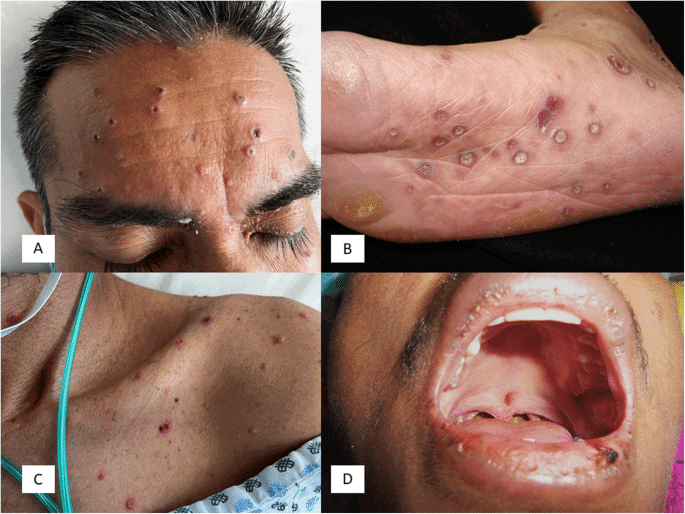
Disseminated histoplasmosis means the infection spreads through the bloodstream. It can affect many organs at once. Signs are often severe and sudden.
Common signs include high fever, weight loss, and extreme tiredness. People may have swollen lymph nodes and skin sores. These symptoms show the infection is widespread.
- High fever lasting several days
- Night sweats and chills
- Unexplained weight loss
- Fatigue and weakness
- Skin rashes or ulcers
- Swollen lymph nodes
Organ Involvement
The infection can damage organs like the liver, spleen, and lungs. These organs may become enlarged or fail. Symptoms vary depending on the organ affected.
People may have abdominal pain or swelling from liver and spleen problems. Lung damage causes cough and difficulty breathing. Organ failure is a serious risk.
- Liver: jaundice, abdominal pain, swelling
- Spleen: enlargement, pain in upper abdomen
- Lungs: persistent cough, shortness of breath
- Bone marrow: anemia, low blood counts
Neurological Symptoms
Histoplasmosis can affect the brain and nervous system. This is called central nervous system (CNS) histoplasmosis. Symptoms are often subtle but serious.
People may have headaches, confusion, and difficulty concentrating. Seizures and weakness can happen in severe cases. These symptoms need urgent medical care.
- Persistent headache
- Confusion or trouble thinking clearly
- Seizures or convulsions
- Weakness or numbness in limbs
- Neck stiffness
Skin And Mucous Membrane Symptoms
Histoplasmosis can cause various symptoms on the skin and mucous membranes. These signs may indicate the infection has spread beyond the lungs.
Recognizing these symptoms early can help seek timely medical care and prevent complications.
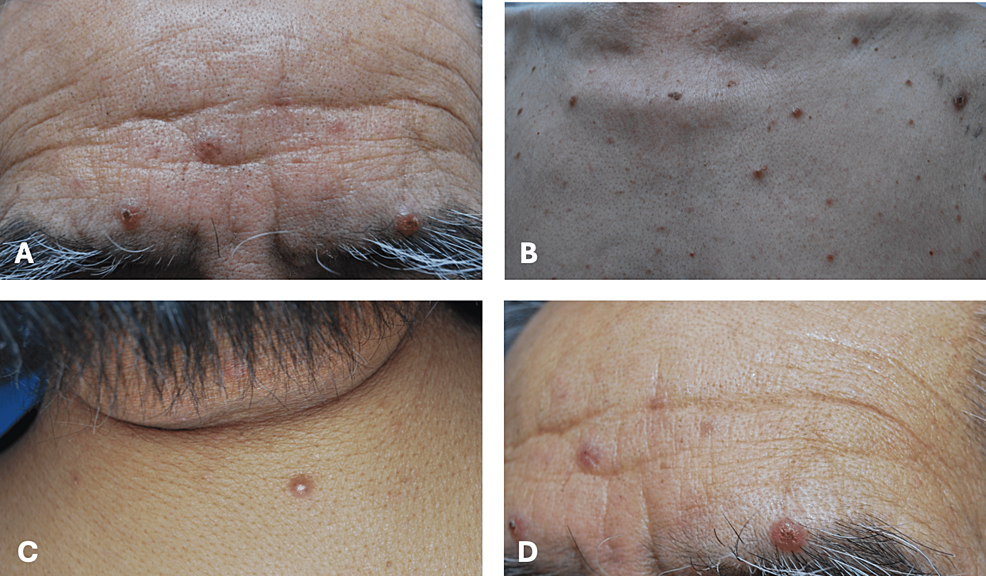
Rashes And Lesions
Rashes and skin lesions are common symptoms of histoplasmosis in some patients. These can appear as red or purple spots, bumps, or sores.
- Small red spots or macules
- Raised bumps called papules
- Ulcerated sores that may crust over
- Lesions that can appear on the face, arms, or trunk
- Itching or mild discomfort in affected areas
Skin lesions may last for weeks and sometimes heal slowly. They often need medical diagnosis to confirm histoplasmosis as the cause.
Oral Ulcers
Oral ulcers are painful sores inside the mouth linked to histoplasmosis. They can affect the tongue, gums, or inner cheeks.
| Symptom | Description | Common Location |
| Painful sores | Open ulcers that hurt when eating or talking | Tongue and gums |
| Swelling | Inflammation around ulcers causing discomfort | Inner cheeks |
| Redness | Areas near ulcers often appear red and irritated | Mouth lining |
When To Seek Medical Attention
Histoplasmosis is a fungal infection that can affect the lungs and other organs. Some people have mild symptoms, but others need medical care. Knowing when to see a doctor is important for your health.
If you have been in places with bird or bat droppings and feel sick, watch for warning signs. Early treatment helps prevent serious problems.
Warning Signs
Look for these signs that may mean histoplasmosis is serious and needs medical help:
- Fever lasting more than a week
- Chest pain or tightness
- Shortness of breath or trouble breathing
- Severe coughing, sometimes with blood
- Feeling very tired or weak
- Unexplained weight loss
- Night sweats that soak your clothes
- Swollen lymph nodes
If you notice any of these signs, go to a healthcare provider quickly. Timely care can reduce risks and improve recovery.
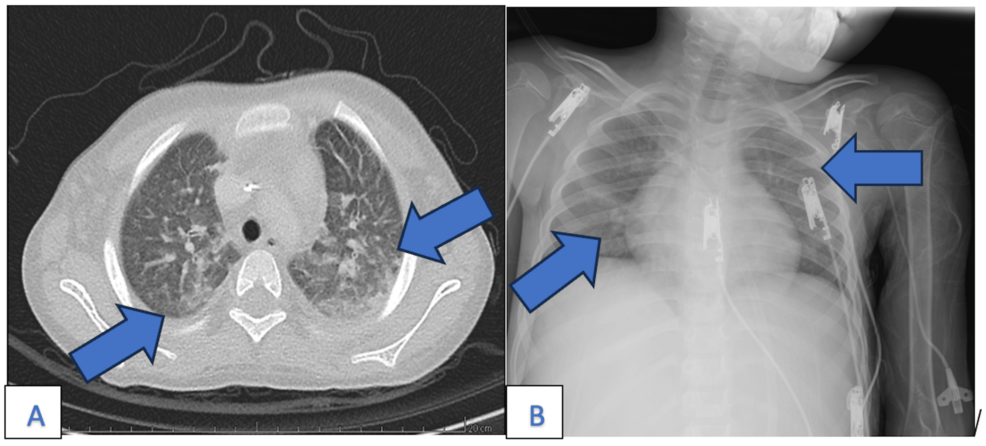
Diagnostic Tests
Your doctor will use tests to find out if you have histoplasmosis. These tests check for the fungus or your body's response to it.
| Test Type | Purpose | Sample Needed |
|---|---|---|
| Chest X-ray | Look for lung infection signs | Imaging scan |
| Blood Test | Detect antibodies or antigens | Blood sample |
| Sputum Culture | Grow fungus from mucus | Sputum (mucus from lungs) |
| Tissue Biopsy | Confirm fungus in tissue | Small tissue sample |
If you have symptoms and risk factors, your doctor will choose the best tests. Early diagnosis helps start treatment fast.
Credit: www.cureus.com
Frequently Asked Questions
What Are Common Symptoms Of Histoplasmosis In Humans?
Common symptoms include fever, cough, fatigue, chest pain, and body aches. Many experience mild flu-like signs, while severe cases affect lungs and other organs.
How Soon Do Histoplasmosis Symptoms Appear After Infection?
Symptoms usually develop within 3 to 17 days after inhaling fungal spores. The incubation period varies based on exposure level and immune system strength.
Can Histoplasmosis Cause Long-term Health Problems?
Yes, untreated histoplasmosis can cause chronic lung disease or spread to other organs. Early diagnosis and treatment reduce risks of complications.
Who Is Most At Risk Of Severe Histoplasmosis Symptoms?
People with weakened immune systems, infants, and older adults face higher risks. Exposure to large amounts of spores also increases severity.
Conclusion
Histoplasmosis symptoms can vary widely in humans. Recognizing early signs is crucial. Coughing, fever, and fatigue often appear first. Some people may feel chest pain or have breathing troubles. Others might experience headaches or joint pain. Severe cases can affect other body parts.
Early detection ensures better treatment outcomes. Regular check-ups help identify issues sooner. Stay informed and alert about your health. Understanding these symptoms can aid in timely medical advice. Always consult a healthcare professional if symptoms persist. Stay proactive about your well-being.
Your health matters.