
Symptoms of Psittacosis in Humans: Early Signs, Respiratory Issues, and When to Seek Help
Have you recently been feeling unwell after spending time around birds? You might be wondering if your symptoms are something more serious than a common cold.
Psittacosis, also known as parrot fever, is an infection you need to know about. It can sneak up on you with signs that are easy to miss but could affect your health if left untreated. You’ll discover the key symptoms of psittacosis in humans and learn how to spot them early.
The symptoms of psittacosis in humans can vary, but early recognition is essential for effective treatment.
Understanding these signs could make all the difference for you and your loved ones. Keep reading to protect your health and stay informed.
Common Early Symptoms
Among the symptoms of psittacosis in humans, fever and chills are often the first signs to appear.
Psittacosis is an infection people catch from birds. It often starts with mild signs that can look like other illnesses.
Identifying the symptoms of psittacosis in humans can help improve outcomes and prevent complications.
Knowing the early symptoms helps to get quick care and avoid serious problems.
Fever And Chills
Most people with psittacosis get a high fever. Chills come with the fever and cause shaking. These signs can start suddenly.
Fever may rise above 102°F (39°C) and last several days if untreated.
Headache And Muscle Pain
Headaches and muscle pain are common symptoms of psittacosis in humans and can significantly affect daily life.
Headaches often feel strong and constant. Muscle pain can affect the back and legs. These aches make moving hard.
- Persistent headache
- Muscle stiffness
- Joint discomfort
Dry Cough
| Symptom | Description |
|---|---|
| Dry Cough | A cough that does not produce mucus or phlegm |
| Onset | Usually appears a few days after fever starts |
| Effect | Can cause chest discomfort and tiredness |

Credit: lowerbuckshosp.com
Respiratory Signs
Psittacosis is a disease that affects the lungs and breathing. It spreads from birds to humans. Recognizing the signs can help get quick treatment.
This section covers key respiratory symptoms seen in people with psittacosis. Knowing these signs is important for early detection.
Shortness Of Breath
Shortness of breath means feeling like you cannot get enough air. It can happen suddenly or gradually. This symptom shows that the lungs are not working well.
People may feel tired easily and have trouble doing normal tasks. The airways may be inflamed or filled with fluid, making breathing hard.
Shortness of breath is another critical symptom of psittacosis in humans that should not be ignored.
Chest Discomfort
Chest discomfort can include pain or tightness in the chest area. This may worsen when coughing or taking deep breaths. It signals irritation or infection in the lungs or chest lining.
Understanding the symptoms of psittacosis in humans can aid in early diagnosis and treatment.
| Type of Discomfort | Description |
| Sharp Pain | Sudden, intense pain often linked to coughing |
| Dull Ache | Constant mild pain or pressure in chest |
| Tightness | Feeling of heaviness or squeezing in the chest |
Sore Throat
A sore throat is common in psittacosis. It happens because of irritation from coughing or infection spreading to the throat. The throat may feel scratchy, painful, or dry.
A sore throat is also one of the symptoms of psittacosis in humans, often resulting from respiratory irritation.
- Pain worsens when swallowing
- Throat may look red and swollen
- Hoarseness or loss of voice can occur
Gastrointestinal Symptoms
Psittacosis can cause several symptoms affecting the stomach and intestines. These symptoms often appear along with fever and respiratory problems.
Gastrointestinal symptoms may also arise, and recognizing these as potential symptoms of psittacosis in humans is important.
Understanding these gastrointestinal symptoms helps in early recognition and treatment of the illness.
Nausea And Vomiting
Nausea is a common symptom in psittacosis. It makes people feel like they want to throw up.
Vomiting may follow nausea, causing discomfort and dehydration if severe.
Diarrhea
Diarrhea happens when the intestines move food too fast. This leads to loose or watery stools.
Diarrhea can cause dehydration and weakness if not treated properly.
Loss Of Appetite
People with psittacosis often lose their desire to eat. This is called loss of appetite.
Loss of appetite is another symptom of psittacosis in humans that can lead to further complications.
Loss of appetite may lead to weight loss and low energy during the illness.
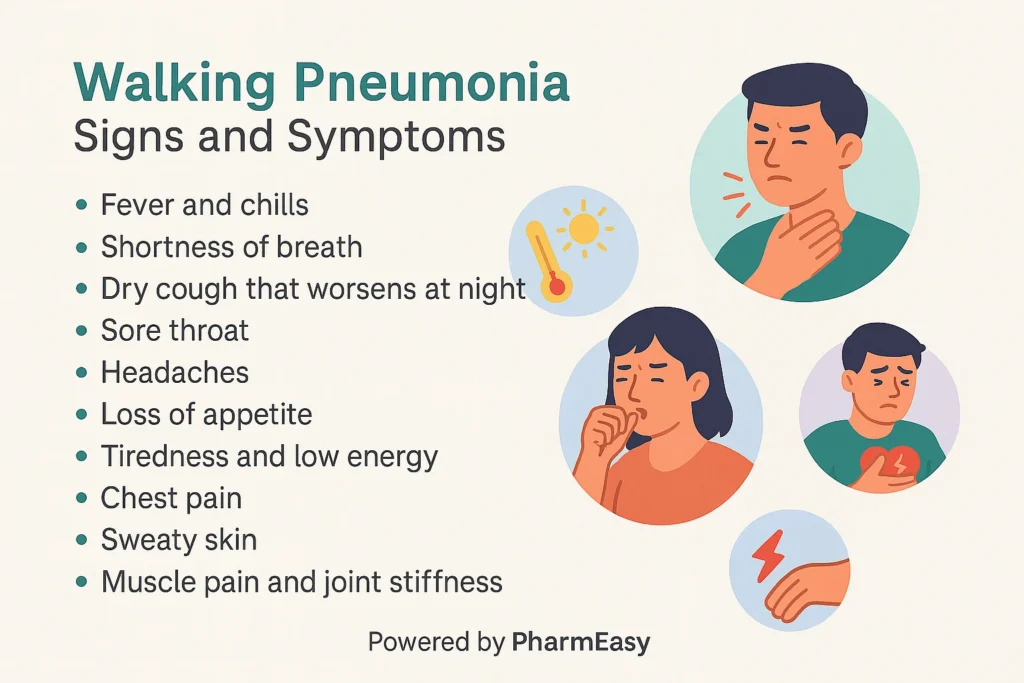
Credit: pharmeasy.in
Less Common Symptoms
Psittacosis is an infection that can cause various symptoms. Some signs are not as common but still important to know. These less common symptoms can affect how a person feels and may need medical attention.
This section covers fatigue and weakness, sweating and night sweats, and confusion or dizziness. Understanding these can help in recognizing the illness early.
Fatigue And Weakness
People with psittacosis often feel very tired. This fatigue can last for days or weeks. Weakness may make it hard to do daily tasks. Rest is important to recover from these symptoms.
Severe fatigue is a serious symptom of psittacosis in humans that can affect recovery time.
Sweating And Night Sweats
- Excessive sweating during the day
- Intense night sweats that soak clothes and bedding
- Sudden chills followed by sweating
These symptoms can cause discomfort and disturb sleep. They may also lead to dehydration if not managed properly.
Confusion Or Dizziness
Confusion and dizziness can also occur and are symptoms of psittacosis in humans that need medical attention.
| Symptom | Description |
|---|---|
| Confusion | Difficulty thinking clearly or focusing on tasks. |
| Dizziness | A feeling of lightheadedness or loss of balance. |
These signs may indicate the infection is affecting the brain or nervous system. Immediate medical help is needed if confusion or dizziness occurs.
When To Seek Medical Help
Identifying when to seek medical help for symptoms of psittacosis in humans is vital to ensure timely treatment.
Psittacosis is an infection caused by bacteria from birds. It affects the lungs and can cause flu-like symptoms. Knowing when to get medical help is very important.
If symptoms get worse or if you belong to a high-risk group, you should see a doctor quickly. Early treatment can stop serious problems.
Symptoms Worsening
Watch for signs that your condition is getting worse. These signs mean you need medical care right away.
- High fever above 102°F (39°C)
- Severe cough with thick mucus or blood
- Shortness of breath or chest pain
- Confusion or severe headache
- Weakness or dizziness
High-risk Groups
Certain groups have a higher chance of serious illness from psittacosis. They should seek medical help even with mild symptoms.
| High-Risk Group | Reason |
| Older adults | Weaker immune systems |
| Pregnant women | Risk to baby and mother |
| People with lung disease | More severe lung problems |
| People with weak immunity | Harder to fight infection |
Possible Complications
Psittacosis can cause serious health problems if untreated. Watch for these complications and seek help if you notice them.
- Pneumonia that needs hospital care
- Inflammation of the heart (myocarditis)
- Brain infections (encephalitis)
- Organ failure from severe infection
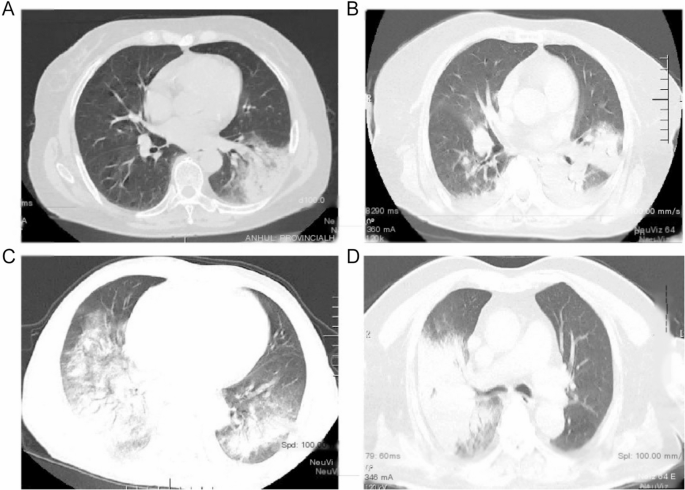
Credit: bmcinfectdis.biomedcentral.com
Frequently Asked Questions
What Are Common Symptoms Of Psittacosis In Humans?
Common symptoms include fever, chills, headache, muscle aches, and dry cough. Some people may also experience chest pain and shortness of breath. Symptoms usually appear 5 to 14 days after exposure to infected birds.
How Soon Do Psittacosis Symptoms Appear After Infection?
Symptoms typically develop within 5 to 14 days after exposure to infected birds. Early signs include flu-like symptoms such as fever and headache, which can progress to pneumonia if untreated.
Can Psittacosis Cause Respiratory Problems?
Yes, psittacosis often causes respiratory issues like dry cough, chest pain, and difficulty breathing. In severe cases, it can lead to pneumonia and require medical treatment.
Respiratory problems are significant, as they are direct symptoms of psittacosis in humans that can escalate if untreated.
Is Psittacosis Contagious Between Humans?
Human-to-human transmission of psittacosis is extremely rare. The disease mainly spreads through inhaling bacteria from infected bird droppings or secretions.
Conclusion
Recognizing psittacosis symptoms in humans is crucial for timely treatment. Common signs include fever, headache, and muscle pain. Respiratory issues like cough and shortness of breath may appear. Early detection prevents complications. Stay informed and consult a doctor if you suspect exposure.
In conclusion, being aware of the symptoms of psittacosis in humans can lead to quicker interventions and better health outcomes.
Knowledge empowers us to take quick action. Awareness can make a difference in health outcomes. Protect yourself and loved ones by understanding these symptoms. Stay vigilant and proactive for better health. Always prioritize well-being and seek professional help when needed.
Stay alert for the symptoms of psittacosis in humans to safeguard your health and the health of those around you.