The World’s Biggest Bird: A True Giant
Have you ever thought about The Biggest Bird of the World? Try to picture standing next to something so huge. This bird is a true giant. It might change how you see things in nature.
This is more than just a bird story. It is about an amazing creature. The Biggest Bird of the World catches the eye and makes people ask questions. Get ready to find out the truth about the largest bird on Earth. What you learn will likely surprise you.
Record-Setting Size
The biggest bird is known for its huge size. It stands taller than most animals on land. This size makes it unique. You can easily spot it in the wild. It has very strong legs and a large body.
Height and Weight Facts
The largest bird can reach 9 feet tall. Its height lets it see very far across the land. It weighs about 320 pounds on average. This heavy weight supports its powerful muscles.
Credit: timesofindia.indiatimes.com
Habitat and Range
The biggest bird is the ostrich. It lives in open lands and grasslands. These open areas help it find food and stay safe. Ostriches need wide spaces to run fast. They also need places with few trees. This helps them see danger early on.
Native Regions
Ostriches come from Africa. They live mostly in the southern and eastern parts. Countries like South Africa and Kenya have many ostriches. These birds like dry areas like savannas and deserts. They stay away from dense forests and cold places.
Southern Africa
Eastern Africa
Savannas and dry plains
Desert edges
Migration Patterns
Ostriches do not migrate like other birds. They stay in the same area all year. Their home range provides enough food and water. They sometimes move short distances for better food. They may change spots during dry or wet seasons.
Physical Details
The ostrich is the biggest bird in the world. It is taller than almost all other birds. Its body is strong for running at high speed. This bird has special traits. These features help it live in hard environments. Its shape is very unlike flying birds.
Feathers and Color
The ostrich has large, soft feathers. These feathers do not allow flight. They help the bird stay warm or cool. Males have black and white feathers. Females have brownish-gray feathers. This color helps them hide on the land.
Males show bold black and white colors
Females have dull brown and gray feathers
Feathers control their body temperature
Feathers hide them in dry areas
Beak and Claw Tools
The ostrich has a flat, broad beak. It uses this beak to eat plants, seeds, and insects. Its strong claws help it run fast. They also help it fight off threats. The claws are sharp and powerful for protection.
Beak is flat and wide for easy eating
Claws are strong and sharp for defense
Long legs and claws help them run fast

Credit: www.wildlifenomads.com
Behavior and Diet
The ostrich is famous for its size and its actions. Ostriches live in Africa and run very fast. They eat many different types of food. Their diet and social ways help them live in the wild.
Feeding Habits
Ostriches eat plants, seeds, and insects. They use their strong beaks to pick up food. They also swallow small stones. These stones help them digest their food. They can live without water for days. They eat plants that are full of water. Ostriches often eat in the early morning or late afternoon. This helps them avoid the heat.
They eat leaves, seeds, and flowers
They swallow small stones to grind food
They feed mostly in cooler parts of the day
They can live without water for many days
Social Structure
Ostriches live in groups called flocks. These flocks may have few or many birds. Living in groups keeps them safe from predators. One male and several females are usually in a flock. The male protects and leads the group. They watch for danger together.
They live in groups called flocks
One male leads the group
Several females join the flock
They watch for predators as a team
Life Cycle and Family
The biggest bird has unique ways to breed and live. Its life habits help the species stay strong. Learning how this bird mates shows how they survive. Their life cycle lasts a long time compared to many birds.
Mating Dances
The biggest bird uses loud calls to find a mate. Males spread their wings wide. They make deep sounds to show their size. These displays help females choose the strongest partners. Mating happens once a year during the breeding season.
Males perform loud calls and wing moves
Females watch to select the best mate
Breeding happens once each year
Nesting and Raising Young
Nests are built on the ground in safe spots. Both parents protect the eggs. They also keep the eggs warm. After the chicks hatch, parents feed them. They watch them very closely. The young birds grow slowly. They stay with their parents until they are grown.
Nests are on the ground in hidden spots
Parents share guarding and warming eggs
Chicks stay with parents for a long time
Conservation Status
The ostrich is known for its speed and size. Its protection status tells us about its future. Ostriches are not currently endangered. Still, they face threats. Protecting them helps keep nature balanced.
Threats to Survival
Ostriches face many dangers. Their homes are shrinking due to farming and cities. This means fewer safe places for them. People hunt ostriches for their feathers, skin, and meat. This illegal hunting lowers their numbers. Predators also attack eggs and young birds.
Loss of home due to farming and growth
Illegal hunting for feathers and meat
Predators eat eggs and chicks
Protection Efforts
Many groups work to save ostriches. They protect habitats and stop illegal hunting. Some farms breed ostriches. This helps raise their numbers. Education shows people why ostriches matter. Laws protect them in many countries. These efforts keep the biggest bird safe.
Cultural Meaning
The biggest bird has fascinated humans for years. Its power and size make it a symbol in many cultures. People see this bird as much more than just an animal. It appears in art, stories, and beliefs. It links people to nature and old ways.
Role in Legends
Many legends feature this bird as a powerful creature. Some stories say it brings protection or strength. Other tales call it a messenger. In some cultures, it means power and freedom. It often shows up as a guide or protector in old stories. These tales show respect for its great size.
Seen as a protector in tribal myths
Represents courage and strength
Acts as a link to the spiritual world
Symbolism in Art
Artists use the biggest bird to show freedom and power. Films, sculptures, and paintings often use its image. This bird helps tell stories visually. It can show nature’s strength. Its large size makes it a strong image. It reminds people to respect wildlife.
Used in logos to show strength
Appears in movies as a symbol of freedom
Featured in art, both old and new
Comparing Large Birds
The biggest bird stands out when compared to other large birds. Size and strength change a lot among these giants. Each large bird has special traits. These help it survive in its home. Seeing these differences shows how special the biggest bird truly is.
Size and Strength
The ostrich is much bigger than emus and cassowaries. Ostriches can weigh over 300 pounds. They are also much stronger. Their powerful legs help them run fast and kick hard. Other large birds are smaller and not as strong.
Unique Ways to Survive
The biggest bird has special features. Other large birds do not have them. Its long legs help it run very fast. It has big eyes to see far away. It has a strong beak for protection. Other large birds have different traits. These can be strong claws or a helmet-like head.
Ostrich: fast runner, big eyes, strong legs
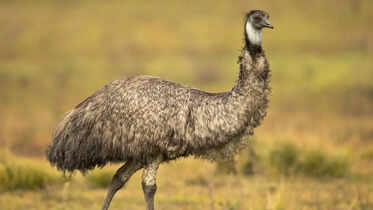
Emu: good swimmers, soft feathers
Cassowary: sharp claws, head helmet

Credit: www.yahoo.com
Frequently Asked Questions
What is the biggest bird on Earth?
The biggest bird on Earth is the ostrich. It comes from Africa. Ostriches can weigh up to 320 pounds. They can reach up to 9 feet in height. They are very fast runners. They can sprint up to 45 miles per hour. Ostriches are flightless birds. They have powerful legs instead.
How much does an ostrich weigh?
An ostrich can weigh between 220 to 320 pounds. This makes it the heaviest bird on Earth. Males usually weigh more than females. Their large size and weight mean they cannot fly. They use their strong legs for defense and running.
Can ostriches fly?
No, ostriches cannot fly. They are flightless birds. This is because of their large, heavy bodies. They rely on their strong legs for running. Their legs help them escape predators fast. They use their wings for balance when they run. They also use them for mating displays.
Where do ostriches live?
Ostriches come from Africa. They like open, dry savannas and woodlands. They do well in warm climates. They are used to desert conditions. They often live in groups. These groups help them protect each other. People also farm ostriches worldwide.
Conclusion
The world’s biggest bird shows how diverse nature is. Its strength and size make it unique. People love learning about this giant bird. This bird helps us better understand wildlife. Seeing it reminds us to protect wild animals. We must also protect their homes.
The story of the biggest bird creates respect for nature. It reminds us of all the wonders in the animal world. Keep looking and finding new amazing creatures around you.