Looking for creative ways to make the most out of your shallow bird bath? Whether you’ve just set one up or have had it sitting unused, there’s more to it than meets the eye.
You might think it’s only good for birds, but your shallow bird bath can become a charming centerpiece, a mini garden, or even a relaxing spot for butterflies. Ready to discover simple, fun ideas that will transform your space and bring nature closer to you?
Keep reading—you won’t want to miss these surprising and easy things to do with your shallow bird bath!
Repurpose As A Mini Water Garden
A shallow bird bath can be a perfect base for a mini water garden. It brings life and calm to your outdoor space. You can add small aquatic plants and water features to create a relaxing spot.
This idea is simple and uses things you might already have. A mini water garden attracts wildlife and helps you enjoy nature at home.
Choosing Aquatic Plants
Select plants that grow well in shallow water and small spaces. Choose plants that are easy to care for and do not grow too tall.
- Water lettuce: floats and stays small
- Duckweed: tiny and spreads slowly
- Marsh marigold: adds bright yellow flowers
- Water hyacinth: pretty purple flowers, but trim often
- Mini water lilies: stay small and bloom beautifully
Maintaining Water Quality
Keep the water clean to help plants and animals thrive. Change the water regularly and remove dead leaves or debris.
Use rainwater if possible, as tap water may have chemicals. Adding a small fountain or bubbler can help oxygenate the water and stop mosquitoes.
- Change water every 1-2 weeks
- Remove dead plant parts daily
- Use rainwater or filtered water
- Add a small bubbler for oxygen
- Keep the water bath in partial sunlight
Attracting Wildlife
A mini water garden invites birds, butterflies, and beneficial insects. These animals help your garden stay healthy and lively.
Place flat stones around the bath so animals can land safely. Add plants that provide shelter and food for wildlife.
- Flat stones for safe landing spots
- Flowering plants nearby for nectar
- Low shrubs for shelter
- Keep water fresh to attract more visitors
Create A Butterfly Oasis
A shallow bird bath can do more than just attract birds. You can turn it into a butterfly oasis. This helps butterflies find water and food easily.
Butterflies need places to rest, drink, and feed. Your bird bath area can provide all these things with a few simple changes.
Selecting Butterfly-friendly Plants
Choose plants that butterflies like for nectar and shelter. Flowers with bright colors attract many butterfly species.
Pick native plants because local butterflies know them well. Avoid plants that need a lot of care or chemicals.
- Milkweed
- Butterfly bush
- Lavender
- Coneflowers
- Marigolds
- Zinnias
Adding Shallow Water Features
Butterflies need water but can drown in deep water. Keep the water shallow in your bird bath to make it safe.
Add flat stones or small pebbles inside the bird bath. This gives butterflies places to land while they drink.
- Fill bath with 1/2 inch of water
- Place flat stones for landing spots
- Keep water clean and fresh
- Refill often during hot days
Providing Feeding Stations
Butterflies also feed on fruit and nectar. You can add feeding stations near the bird bath to attract more butterflies.
Place slices of ripe fruit like oranges or bananas on a plate. Change the fruit every day to avoid mold.
- Use shallow dishes for feeding
- Offer ripe fruits like oranges and bananas
- Place feeding stations in sunny spots
- Clean feeding areas regularly
Use As A Decorative Planter
A shallow bird bath can become a charming planter. It offers a unique way to display small plants. Using it this way adds beauty to your garden or patio.
You can fill it with soil and choose plants that fit well. This makes a lovely focal point in any outdoor space.
Planting Succulents And Cacti
Succulents and cacti work well in shallow bird baths. They need little water and fit perfectly in small spaces. Their thick leaves store water, so they survive dry conditions.
Choose a mix of different shapes and colors for interest. Use well-draining soil to keep roots healthy.
- Pick small or slow-growing succulents
- Arrange with varying heights for depth
- Add a top layer of gravel to keep soil moist
Combining With Garden Stones
Garden stones add texture and style to your bird bath planter. They help with drainage and keep soil in place. Stones also make the planter look neat and tidy.
You can mix colorful stones or smooth river rocks. Spread them around the plants or cover the soil surface.
- Use small stones to avoid blocking plant growth
- Choose stones that complement your garden colors
- Mix stones and plants for a natural look
Seasonal Plant Arrangements
Change the plants in your bird bath to match the seasons. This keeps your garden fresh and lively year-round. Use seasonal flowers and greenery for variety.
In spring, plant bright blooms. In autumn, try small pumpkins or colorful leaves. Winter can feature evergreen sprigs or holly berries.
- Spring: pansies, violas, or small tulips
- Summer: marigolds, petunias, or begonias
- Autumn: chrysanthemums, mini pumpkins, or gourds
- Winter: pine branches, holly, or ornamental cabbages

Credit: sunnydazedecor.com
Make A Fairy Garden
A shallow bird bath can become a charming base for a fairy garden. It offers a small, contained space to create a magical scene.
Fairy gardens are fun to design and add a bit of magic to your outdoor space. You can use tiny plants and decorations inside the bird bath.
Designing Miniature Scenes
Start by choosing a theme for your fairy garden. It could be a tiny forest, a flower patch, or a cozy fairy village.
Use small plants like moss or tiny succulents to create the ground cover. Add small stones to form paths or borders.
- Pick plants that stay small and need little water
- Use soil or sand as a base layer
- Create small hills or clear areas for houses
Incorporating Small Accessories
Add tiny fairy doors, miniature furniture, or small animal figurines to bring your garden to life. These details make the scene more interesting.
You can use natural items like pinecones or acorns as fairy houses. Place little benches or bridges made from twigs and pebbles.
- Miniature fairy houses or doors
- Tiny benches or tables
- Small animal or fairy figurines
- Natural items like twigs and stones
Lighting Ideas For Night
Lighting makes your fairy garden magical after dark. Use small LED fairy lights or solar garden lights to softly light the scene.
Place tiny lights around paths or inside miniature houses. Solar lights charge during the day and glow at night, saving energy.
- String small LED fairy lights carefully
- Use solar garden lights for easy charging
- Place lights near paths and key features
- Choose warm white or soft colors
Create A Bird Feeding Station
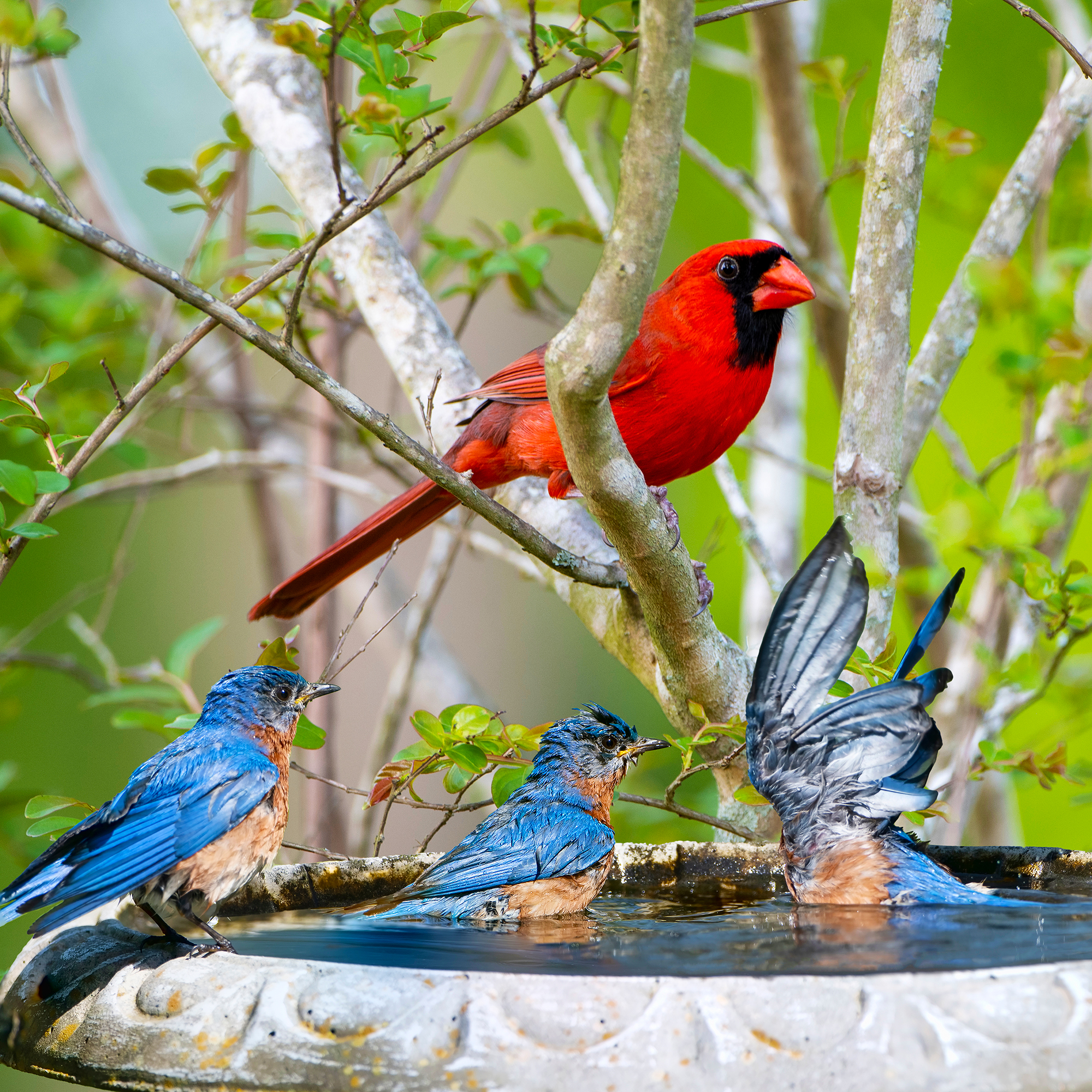
A shallow bird bath can be more than just a water source. You can turn it into a feeding station for birds. This helps birds find food and water in one spot.
Setting up a feeding station is simple and fun. It invites many bird species to your garden or yard.
Adding Seeds And Fruits
Place bird seeds directly in the shallow bath or around its edge. Use seeds that birds like, such as sunflower or millet.
Add fresh fruits like apple slices or berries. These fruits attract different birds and give extra nutrition.
- Use unsalted seeds to keep birds healthy
- Cut fruits into small pieces for easy eating
- Replace old seeds and fruits to avoid mold
Safe Placement Tips
Place the bird bath in a quiet spot with some shade. Avoid areas near heavy foot traffic or pets.
Keep the feeding station away from windows to prevent bird collisions. A spot near shrubs or trees is best for bird safety.
- Choose a stable surface for the bird bath
- Keep the area clean to stop pests
- Refill water daily to keep it fresh
Attracting Different Bird Species
Offer a variety of seeds and fruits to attract many birds. Different birds prefer different foods and water depths.
Change the food seasonally to match local bird habits. Add small perches nearby to make birds feel safe.
- Black oil sunflower seeds attract finches and cardinals
- Millet is good for sparrows and juncos
- Fruit slices attract orioles and thrushes
- Fresh water draws all bird types
Turn Into A Herb Garden
A shallow bird bath can become a charming herb garden. It offers a small, contained space perfect for growing herbs.
This idea uses limited space well and adds greenery to your outdoor area or balcony.
Choosing Suitable Herbs
Select herbs that grow well in small containers and need little root space. These herbs stay healthy in limited soil.
Some herbs also like full sun, so pick ones that match your bird bath location.
- Basil
- Thyme
- Chives
- Parsley
- Mint (use with care, it spreads fast)
Planting Tips For Small Spaces
Fill the bird bath with good potting soil that drains well. Avoid garden soil that can compact and hold too much water.
Plant herbs with enough space to grow. Do not overcrowd them to keep roots healthy.
- Use small pots or plant directly in the soil layer
- Add gravel or small stones at the bottom for drainage
- Water regularly but avoid waterlogging
- Place the bird bath where herbs get 6 hours of sun
Harvesting And Care
Harvest herbs by trimming leaves often. This helps plants stay bushy and produce more leaves.
Check for pests and remove dead leaves. Keep the soil moist but not soaked.
- Cut leaves with clean scissors
- Harvest in the morning for best flavor
- Remove flowers to encourage leaf growth
- Use fertilizer monthly for healthy plants
Use As A Bug Habitat
A shallow bird bath can become a safe home for many bugs. It offers water and shelter to helpful insects in your garden.
By turning your bird bath into a bug habitat, you invite insects that help plants grow and keep pests away.
Encouraging Beneficial Insects
Beneficial insects like ladybugs and bees need water and places to rest. Your bird bath can attract these helpful bugs if you keep it clean and fresh.
Adding small stones or pebbles in the bath gives insects a place to land and drink without drowning.
- Fill the bath with clean water regularly
- Place flat stones for landing spots
- Keep the water shallow, about one inch deep
- Avoid using chemicals or soaps
Adding Shelter Elements
Insects need safe places to hide and rest. You can add small plants, twigs, or leaves around the bird bath to provide shelter.
These elements help bugs stay safe from birds and harsh weather while living near the water source.
- Place small potted plants near the bath
- Add dry leaves or bark around the edges
- Use small sticks to create hiding spots
Balancing The Ecosystem
Having bugs around your bird bath helps balance your garden’s ecosystem. Beneficial insects eat harmful pests and pollinate plants.
By supporting these bugs, you reduce the need for pesticides and help plants grow better.
- Ladybugs eat aphids and other pests
- Bees help flowers produce seeds
- Spiders control many insect populations
- Water attracts insects that feed birds too

Credit: colormethrifty.com
Incorporate Water Features
A shallow bird bath can become a beautiful water feature in your garden. Adding movement to the water helps attract birds and keeps the water fresh.
Small additions like fountains or decorations can make your bird bath more lively and enjoyable to watch.
Installing Small Fountains
Small fountains add gentle water flow to a shallow bird bath. This movement keeps the water clean and draws birds to the sound of running water.
Choose a fountain that fits the size of your bird bath. Solar-powered fountains are easy to install and save energy.
- Pick a fountain with low water flow for shallow baths
- Place the fountain in the center for even water movement
- Clean the fountain regularly to avoid clogs
Using Floating Decorations
Floating decorations add color and interest to a shallow bird bath. They can also encourage birds to land and explore the water.
Choose lightweight and safe items like floating plants or small balls. Avoid anything that could harm the birds or pollute the water.
- Use floating plants like water lilies or duckweed
- Add small, colorful balls designed for water
- Remove decorations often to clean the bath
Maintaining Water Movement
Water movement stops mosquitoes from laying eggs and keeps water fresh. It also makes the bird bath more inviting to birds.
You can maintain water movement by using pumps, fountains, or by gently stirring the water daily if no equipment is used.
- Check pumps and fountains weekly for blockages
- Refill water regularly to keep it clean
- Use natural water treatments safe for birds

Credit: www.reddit.com
Frequently Asked Questions
What Are Creative Uses For A Shallow Bird Bath?
A shallow bird bath can serve as a mini water garden, insect habitat, or a decorative plant stand. It also attracts birds and beneficial insects, enhancing your garden’s ecosystem while providing visual interest.
How Do You Maintain A Shallow Bird Bath?
Clean the bird bath weekly to prevent algae and mosquito breeding. Use mild soap and water, rinse thoroughly, and refill with fresh water for bird safety and hygiene.
Can A Shallow Bird Bath Attract Different Bird Species?
Yes, shallow bird baths attract various birds by providing safe drinking and bathing spots. Different depths and nearby perches encourage diverse bird visits, increasing your garden’s wildlife variety.
Is A Shallow Bird Bath Suitable For Small Pets?
Shallow bird baths can be safe for small pets like turtles or frogs if regularly cleaned. Ensure the water is fresh and the bath is stable to prevent accidents.
Conclusion
A shallow bird bath offers endless possibilities. Birds enjoy refreshing baths and you gain a lively garden. Easy to clean and maintain, these baths attract many bird species. Place it in a quiet spot for best results. Add stones for perching and a touch of nature.
Regular water change ensures a healthy environment. Your garden becomes a peaceful sanctuary. A shallow bird bath brings joy, beauty, and life to your outdoor space. Watch, listen, and enjoy nature’s show. Simple pleasures in your backyard await. Create a haven for birds and a retreat for yourself.