Have you ever stopped to admire the dazzling colors of tropical birds? Their feathers burst with shades so vibrant, they seem almost unreal.
These colors don’t just make the birds beautiful—they tell fascinating stories about their lives and habitats. If you want to discover why tropical bird colors are so unique and how they affect these amazing creatures, keep reading. You’re about to uncover the secrets behind nature’s most stunning palette.
Credit: avibirds.com
Colors Of Tropical Birds
Tropical birds show many bright and beautiful colors. These colors help them survive and find mates.
Each bird has unique colors that make it special. The colors come from feathers and light effects.
Common Color Patterns
Many tropical birds have bright colors like red, yellow, and green. These colors often appear in patterns.
Some birds have stripes, spots, or color blocks on their feathers. These patterns help birds hide or show off.
- Red and yellow are common in parrots
- Green helps birds blend with leaves
- Black and white patterns add contrast
- Blue and purple are less common but very striking
Unique Color Variations
Some tropical birds have rare colors not seen in other birds. These colors come from special pigments.
Colors like bright turquoise or deep orange stand out. These unique colors help birds attract mates or warn predators.
- Turquoise feathers in some hummingbirds
- Deep orange in certain toucans
- Bright pink in exotic species like flamingos
- Rare combinations of colors in birds of paradise
Role Of Iridescence
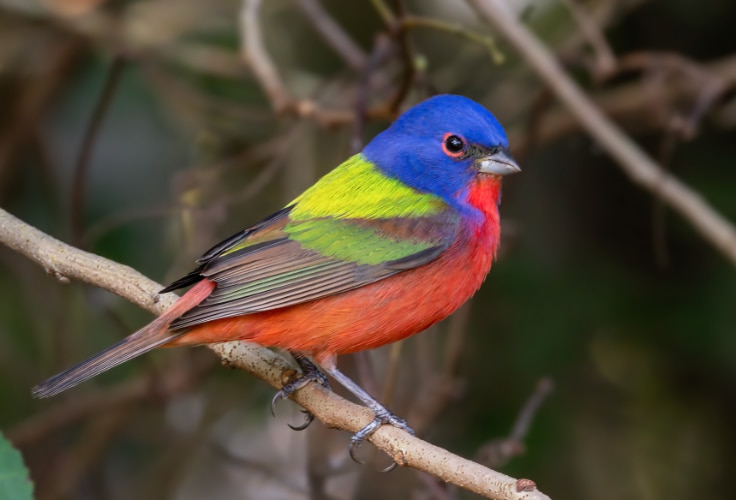
Iridescence makes feathers change color when light hits them. This effect creates shiny and shifting colors.
Many tropical birds use iridescence to attract mates. It also helps birds communicate or blend in different lights.
- Feathers reflect light to show blue, green, or purple shades
- Colors change depending on the angle of view
- Birds like hummingbirds and starlings show strong iridescence
- Iridescence adds beauty and helps in survival
Credit: avibirds.com
Functions Of Vibrant Colors
Tropical birds show bright colors that serve many purposes. These colors help them survive and thrive in their environment.
The vibrant colors are not just for beauty. They play key roles in finding mates, hiding from danger, and talking to other birds.
Attracting Mates
Bright colors help tropical birds attract mates. Birds with vivid colors often look healthier and stronger.
These colors show the bird’s fitness and can increase chances of finding a partner.
- Bright feathers catch attention during courtship
- Colors signal good health and strong genes
- More colorful birds often get more mates
Camouflage And Protection
Some tropical birds use bright colors to blend with their surroundings. This helps them hide from predators.
The colors match the bright flowers, leaves, and fruits in their habitat. This makes them hard to see.
- Colors match bright plants and flowers
- Helps birds stay hidden from enemies
- Protects nests and young birds
Communication Signals
Vibrant colors help birds send messages to others. They show dominance, warn of danger, or mark territory.
Colors can signal moods and help birds avoid fights or attract help.
- Bright colors show strength or rank
- Colors warn others to stay away
- Help birds find each other in dense forests
Pigments Behind The Colors
Tropical birds show many bright colors. These colors come from pigments in their feathers. Pigments absorb and reflect light to create colors. Different pigments create different shades.
Birds also use special feather structures to change how light looks. This adds to their color display. Understanding pigments helps explain their beautiful colors.
Melanin And Its Effects
Melanin is a dark pigment found in bird feathers. It creates black, brown, and gray colors. Melanin also makes feathers stronger and more resistant to damage.
Birds with more melanin often have duller colors. Melanin helps protect birds from sunlight and wear on feathers.
Carotenoids In Feathers
Carotenoids are pigments birds get from their food. They make red, orange, and yellow colors. Birds cannot make carotenoids themselves.
These pigments show the bird’s health because only healthy birds can display bright colors. Carotenoids also help with immune function.
- Found in fruits, seeds, and insects
- Produce bright red, orange, and yellow colors
- Signal good health to other birds
Structural Coloration
Structural coloration comes from how feathers reflect light. Tiny structures in feathers bend light to create blue and green colors. These colors do not come from pigments.
These structures can also make feathers look shiny or iridescent. The colors change with the angle of light and view.
- Colors come from feather structure, not pigment
- Creates blues, greens, and iridescent effects
- Colors change with light and angle
Famous Tropical Birds And Their Hues
Tropical birds are known for their stunning colors. These colors help them stand out in the wild.
Each bird species has unique hues that make it special. Let’s explore some famous tropical birds and their colors.
Macaws’ Bright Blues And Reds
Macaws have bright blue and red feathers. Their colors are very vivid and easy to spot.
These birds use their bright colors to attract mates and warn predators. Their feathers shine in the sunlight.
- Blue-and-yellow macaw: bright blue and yellow feathers
- Scarlet macaw: deep red with blue and yellow wings
- Hyacinth macaw: rich, dark blue feathers
Toucans’ Colorful Bills
Toucans are famous for their big, colorful bills. Their bills can be green, orange, yellow, and red.
The bright bills help toucans attract mates and reach food in trees. Their colors make them easy to recognize.
- Toucan bill colors vary by species
- Bills are lightweight but strong
- Colors help with social signals
Birds Of Paradise’s Spectacular Plumage
Birds of paradise have the most spectacular feathers. Their plumage shows bright colors and unusual shapes.
These birds use their feathers in dances to attract mates. Their colors include blues, greens, reds, and golds.
- Many colors blend in one bird
- Feathers can be iridescent or matte
- Plumage is key in mating rituals
Environmental Influence On Colors
Tropical birds show many bright colors. These colors help them survive in their environment. The environment changes how their colors look.
Light, food, and weather all affect bird colors. Birds adapt their colors to fit their surroundings.
Habitat And Color Adaptation
Tropical birds live in forests, mountains, and wetlands. Each place has different colors and light levels. Birds change their colors to hide or stand out.
Bright colors help some birds find mates. Others use dull colors to hide from predators. Habitat shapes how birds look.
Diet And Pigment Acquisition
Bird colors come from pigments in their food. Tropical birds eat fruits, seeds, and insects. These foods give them bright reds, yellows, and oranges.
Carotenoids are pigments from plants. Birds cannot make them, so they get them from food. A rich diet makes feathers more colorful.
- Fruits and berries supply carotenoids
- Insects provide proteins for feather growth
- Seeds add other pigments to feathers
Climate Impact On Feather Brightness
Warm and humid climates affect feather colors. Bright feathers last longer in these conditions. Cold or dry climates may fade colors.
Sunlight can make feathers brighter or cause damage. Tropical birds often have shiny feathers that reflect light well.
Credit: animals.howstuffworks.com
Human Impact On Bird Coloration
Tropical birds show bright colors that help them survive. Human activities change their habitats and food. These changes can affect the birds’ colors.
Understanding how humans affect bird colors helps protect these beautiful animals. We can learn ways to keep their colors bright and natural.
Habitat Loss And Color Changes
Cutting down forests removes homes for tropical birds. Without trees and plants, birds lose food sources. This can make their colors fade or change.
Birds need certain fruits and insects to keep their bright feathers. When habitats disappear, birds may not get these foods. Their feathers can become dull or less colorful.
- Deforestation reduces food availability
- Loss of shelter affects bird health
- Color changes lower mating chances
Pollution Effects
Pollution poisons water and air in tropical areas. Birds exposed to chemicals may have weaker feathers. Pollution can change feather colors or cause damage.
Heavy metals and toxins build up in birds’ bodies. This affects how their feathers grow and shine. Pollution also harms the insects and plants birds eat.
- Chemical exposure dulls feather colors
- Pollution harms food sources
- Bird health declines with toxins
Conservation Efforts For Colorful Species
People work to save tropical birds and their colors. Protecting forests helps birds keep their homes and food. Clean environments support healthy feathers.
Conservation includes planting trees and controlling pollution. Some groups breed colorful birds to increase their numbers. These efforts help birds show their bright colors again.
- Protect forest areas from destruction
- Reduce pollution in bird habitats
- Support breeding programs for rare birds
- Educate people about bird protection
Frequently Asked Questions
What Causes Vibrant Colors In Tropical Birds?
Tropical birds have vibrant colors due to pigments and microscopic structures in feathers. Pigments absorb some light and reflect others. Structural colors result from light scattering on feather nanostructures. These adaptations help in camouflage, mating, and communication in diverse tropical environments.
Why Do Tropical Birds Have Diverse Color Patterns?
Diverse color patterns in tropical birds aid in species recognition and mate attraction. Color variations also provide camouflage against predators in dense habitats. Evolution and natural selection drive this diversity. Bright colors often signal health and genetic quality to potential mates.
How Do Tropical Bird Colors Help In Survival?
Tropical bird colors serve as camouflage, warning signals, or mating displays. Bright colors can deter predators by indicating toxicity. Camouflage helps birds blend into foliage. Color displays attract mates, ensuring reproduction. These functions increase survival and species continuation.
Which Tropical Birds Have The Brightest Colors?
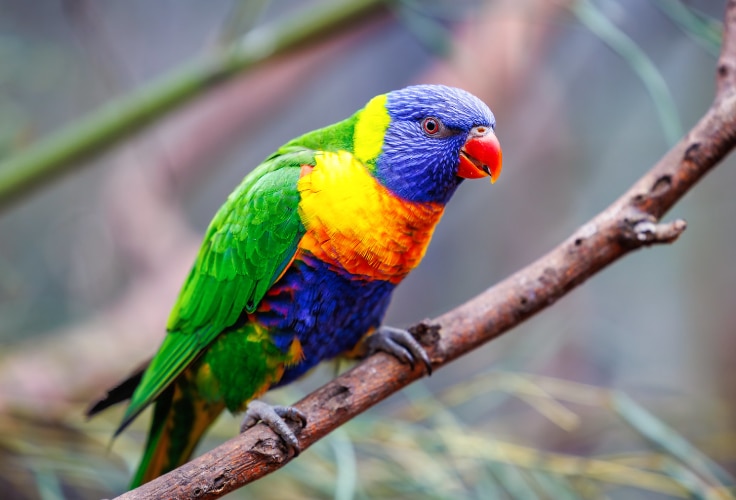
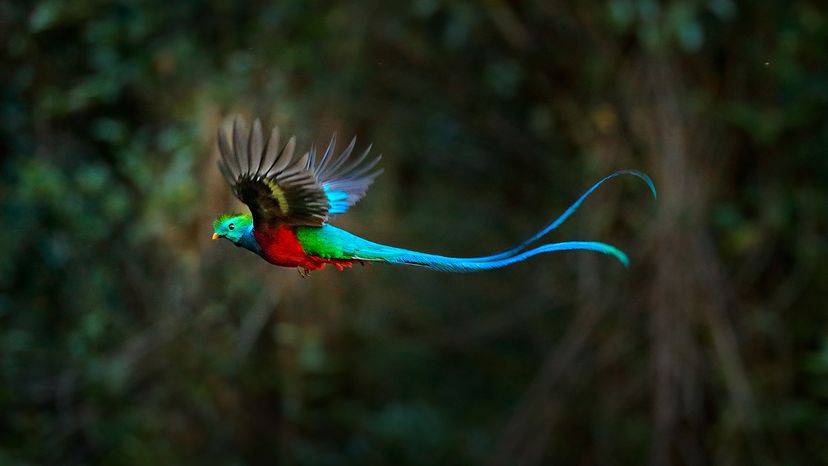
Birds like the Scarlet Macaw, Resplendent Quetzal, and Rainbow Lorikeet are among the brightest. Their feathers showcase red, green, blue, and yellow hues. These colors make them highly visible and attractive within their tropical habitats.
Conclusion
Tropical bird colors show nature’s bright and bold beauty. These vivid hues help birds find mates and stay safe. Each color tells a story about the bird’s life and home. Watching these birds can bring joy and wonder to anyone.
Remember, protecting their habitats keeps these colors alive. Enjoy the magic of tropical birds in every shade. Their colors remind us how amazing nature can be.