Have you ever wondered what are bird perches made of to be safe and comfortable for your feathered friend? Choosing the right material for your bird’s perch is more important than you might think.
It affects their health, happiness, and even their behavior. You’ll discover the common materials used to make bird perches and why some are better than others. Understanding what are bird perches made of can help you create a happier home for your bird. Keep reading to find out what your bird’s perch should really be made of!
Common Materials For Bird Perches
Bird perches come in different materials. Each type offers unique benefits and features.
Choosing the right material helps keep birds comfortable and healthy.
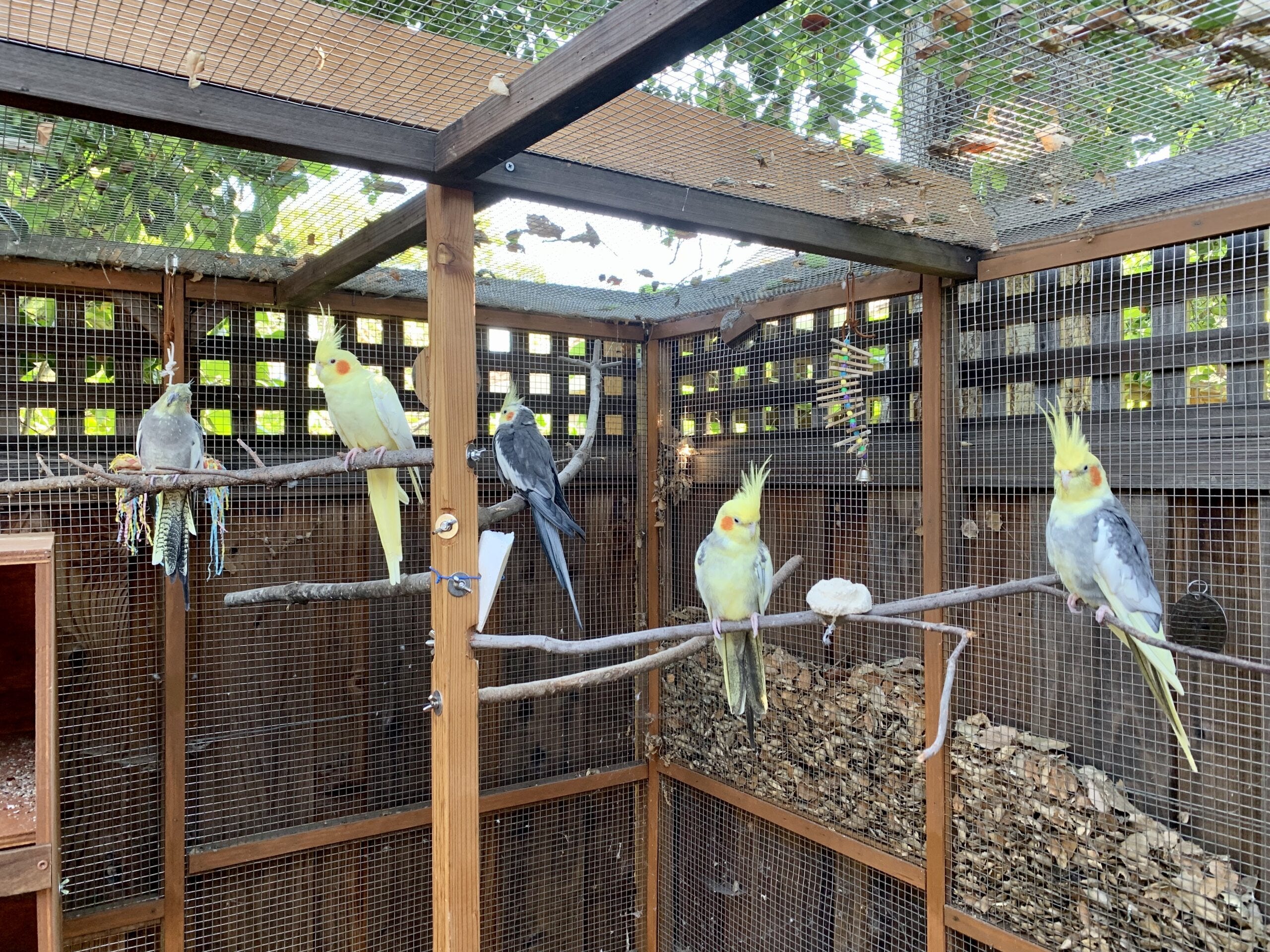
Natural Wood
Natural wood is a popular choice for bird perches. It feels safe and natural for birds.
Branches from safe trees like apple or maple are often used. Wood perches help keep bird feet healthy.
- Soft and comfortable surface
- Helps birds grip easily
- Non-toxic if untreated
- Variety of textures and sizes
Plastic
Plastic perches are lightweight and easy to clean. They come in many shapes and colors.
Some plastic perches have textured surfaces to prevent slipping. They do not wear out quickly.
- Durable and long-lasting
- Easy to sanitize
- Safe if made for birds
- May lack natural feel
Metal
Metal perches are strong and sturdy. They usually have a smooth surface for birds to stand on.
Stainless steel is common because it resists rust. Metal perches are good for large birds.
- Very durable and strong
- Easy to clean
- Can get cold or hot
- Not natural-feeling for birds
Rope And Fabric
Rope and fabric perches offer a soft and comfortable place to rest. They add variety to bird cages.
These perches may have cotton or sisal rope. Fabric covers help protect bird feet from hard surfaces.
- Soft and gentle on feet
- Flexible and lightweight
- Needs regular cleaning
- Can wear out over time
Credit: freerangeparrots.org
Benefits Of Wooden Perches
Bird perches are important for pet birds to rest and exercise their feet. Wooden perches are a popular choice for many bird owners. They offer several benefits that help keep birds healthy and happy.
Wood is a natural material that feels comfortable for birds. It also provides a good grip for their feet. Let’s look at why wooden perches are a great option.
Durability And Safety
Wooden perches are strong and last a long time. They can handle a bird’s weight without breaking. This makes them safe for birds to use daily.
Wood is also less likely to cause injuries. It does not have sharp edges or harmful chemicals. Birds can chew wood safely, unlike plastic or metal perches.
Natural Texture For Feet
Wood has a rough texture that helps birds grip the perch well. This texture helps exercise their feet and prevents foot problems. Birds can hold on tightly without slipping.
The natural feel of wood is gentle on a bird’s feet. It also helps keep their nails trimmed naturally as they move around.
Variety Of Wood Types
There are many types of wood used for perches. Each wood has different hardness and texture. Some popular woods are:
- Manzanita – hard and durable
- Maple – smooth and safe
- Apple – natural and fragrant
- Birch – light and strong
Choosing the right wood type helps match your bird’s needs. Some birds like softer wood, while others prefer harder surfaces.
Plastic Perches: Pros And Cons
Plastic perches are common in bird cages. They offer some benefits and drawbacks for birds and owners.
Understanding these pros and cons helps you choose the right perch for your bird’s comfort and safety.
Ease Of Cleaning
Plastic perches are easy to clean. Their smooth surface does not trap dirt or bird droppings.
You can wash them with warm water and mild soap. They dry quickly, which helps keep bacteria low.
Potential For Wear And Tear
Plastic perches can wear down over time. Birds with strong beaks may chew or scratch them.
Some plastic perches may crack or break if chewed too much. This can be unsafe for birds.
- Chewing can create sharp edges
- Cracks may cause perch to break
- Regular checks are important
Suitability For Different Bird Species
Plastic perches work well for small to medium birds. Larger birds may find them less comfortable.
Some birds need rougher textures to keep their nails and beaks healthy. Plastic may not provide this.
- Small birds: good choice
- Medium birds: okay with monitoring
- Large birds: may need alternatives
- Birds that chew a lot: avoid plastic
Metal Perches And Their Uses
Metal perches are common accessories in bird cages. They provide a sturdy place for birds to rest and move around. Many bird owners choose metal because it lasts long and is easy to clean.
This article explains what makes metal perches useful. It covers their strength, heat concerns, and the types of metals used. Knowing these facts helps in picking the right perch for your bird.
Strength And Longevity
Metal perches offer great strength compared to wood or plastic. They do not break or wear out easily. This makes them ideal for larger birds that need strong support.
- Metal perches resist chewing and scratching.
- They last longer without losing shape.
- They support heavy birds safely.
- Metal is less likely to harbor bacteria when cleaned properly.
Heat Conductivity Concerns
One issue with metal perches is their heat conductivity. Metal can become hot or cold quickly. This may make the perch uncomfortable for birds in extreme temperatures.
Bird owners should watch for these changes. Adding covers or choosing warmer spots in the cage helps keep birds safe and cozy.
Common Metal Types
| Metal Type | Properties | Common Uses |
| Stainless Steel | Rust-resistant, strong, easy to clean | Popular for all bird sizes |
| Aluminum | Lightweight, less durable, can corrode | Used for small bird perches |
| Galvanized Steel | Coated to prevent rust, heavier | Used in outdoor or heavy-duty cages |
Rope And Fabric Perches
Bird perches come in many materials, including rope and fabric. These perches are soft and flexible, giving birds a comfy place to rest.
Rope and fabric perches are popular for small birds. They add variety to the cage and help keep birds entertained.
Softness And Comfort
Rope and fabric perches feel soft under birds’ feet. They are gentle on bird toes and can prevent foot sores.
The texture helps birds grip easily. Birds enjoy resting on these perches because they feel cozy and warm.
Maintenance Tips
Clean rope and fabric perches often to avoid dirt and germs. Wash them with mild soap and warm water.
Check for frayed or worn areas. Replace perches if they become damaged to keep your bird safe.
- Wash weekly for hygiene
- Air dry fully before use
- Remove loose threads or parts
- Replace every few months
Risks To Bird Health
Rope and fabric perches can trap moisture and bacteria. This may cause infections if not cleaned well.
Birds may chew loose threads and swallow them. This can lead to digestive problems or choking.
- Watch for loose fibers
- Remove perches if too worn
- Keep perches dry
- Supervise chewing behavior

Credit: www.amazon.com
Choosing The Right Material
Bird perches come in many materials. Picking the right one helps keep birds safe and happy.
Each material suits different bird types and living conditions. Learning about these helps you choose well.
Bird Species Considerations
Different birds have different feet and sizes. Some need thicker perches, others thin ones.
- Small birds like finches use thin, smooth perches.
- Medium birds like parrots need strong, rough perches.
- Large birds like macaws require very thick, durable perches.
Behavior And Chewing Habits
Birds chew perches to keep beaks healthy. Some chew more than others.
| Bird Type | Chewing Level | Best Material |
| Budgerigar | Low | Wood, Plastic |
| African Grey | High | Hardwood, Natural Branches |
| Conure | Medium | Wood, Rope |
Environmental Factors
Humidity, temperature, and cleanliness affect perch choice. Some materials last longer outside cages.
Consider these points for your bird’s environment:
- Wood perches absorb moisture and can grow mold if not cleaned.
- Plastic perches resist water but may be slippery.
- Rope perches dry quickly but can fray and trap dirt.

Credit: hari.ca
Frequently Asked Questions
What Materials Are Bird Perches Made Of?
Bird perches are typically crafted from wood, plastic, or metal. Natural wood is popular for its texture and grip. Plastic is lightweight and easy to clean. Metal perches are durable but can be cold and hard. Each material provides different benefits for birds’ feet and beaks.
Are Wooden Perches Safe For Birds?
Yes, wooden perches are generally safe for birds. They offer a natural texture that helps wear down nails and beaks. Ensure the wood is untreated and non-toxic. Popular choices include manzanita, pine, and eucalyptus. Regularly inspect for splinters to prevent injury.
Why Are Varied Perch Sizes Important?
Varied perch sizes promote foot health and prevent pressure sores. Different diameters encourage exercise and foot movement. Birds need to grip various thicknesses to maintain strong muscles. It mimics natural environments, offering comfort and variety. Ensure a mix of sizes in their habitat.
Can I Make A Diy Bird Perch?
Yes, you can make a DIY bird perch using natural materials. Choose safe, untreated wood or branches. Ensure they are clean and free from pesticides. Secure them properly in the cage. Check for sharp edges or splinters. DIY perches can be a cost-effective, customizable option.
Conclusion
Bird perches come in many materials like wood, plastic, and rope. Each type offers different benefits for birds’ feet and health. Choosing the right perch helps keep birds comfortable and active. Natural wood perches often feel best and support strong claws.
Always check for safety and size to match your bird. A good perch makes a happy bird’s home. Simple choices lead to healthy, happy pets.