Have you ever wondered what threats birds face in the wild? Understanding bird predators is key to appreciating how these creatures survive and thrive.
You might think of large animals or other birds, but the reality can be surprising. Knowing who these predators are helps you see the delicate balance of nature from a whole new perspective. Keep reading to discover the different types of bird predators and how they impact your feathered friends every day.
Credit: www.moneycontrol.com
Common Bird Predators
Birds face many dangers from predators. These threats come from different animal groups.
Understanding these predators helps us learn about bird survival and behavior.
Mammalian Threats
Mammals often hunt birds, especially their eggs and young chicks. Some mammals climb trees or sneak into nests.
- Foxes
- Raccoons
- Weasels
- Domestic cats
- Bats (some species)
Avian Hunters
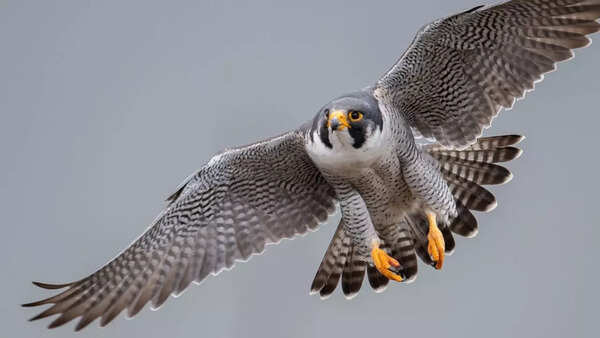
Some birds prey on other birds or their eggs. They are quick and use their sharp beaks and claws.
| Predator Bird | Target |
| Hawks | Small birds and mammals |
| Owls | Night-active birds and rodents |
| Crows | Eggs and nestlings |
| Falcons | Medium-sized birds |
Reptilian Predators
Reptiles like snakes and lizards also hunt birds. They often raid nests for eggs or young birds.
Common reptilian bird predators include:
- Tree snakes
- Monitor lizards
- Some species of large geckos
Predators In Urban Areas
Birds living in cities face many predators. These animals hunt birds for food or protection.
Urban areas have different predators than wild places. People and pets affect bird safety.
Cats And Dogs
Domestic cats often chase and catch birds. They are skilled hunters in city gardens and parks.
Dogs may scare birds or accidentally harm nests. Some dogs are trained to protect wildlife.
- Cats hunt small birds and eggs.
- Outdoor cats increase bird deaths.
- Dogs can disturb bird habitats.
- Well-trained dogs may help protect birds.
Rats And Other Rodents
Rats and rodents eat bird eggs and young birds. They live near trash and buildings in cities.
These rodents climb trees and nests to find food. They reduce bird populations in urban areas.
- Rats eat eggs and baby birds.
- Rodents live near human food sources.
- They climb to reach bird nests.
- Rodent control helps bird survival.
Human Impact
Humans change bird habitats by building cities. This affects predator and bird interactions.
People bring new predators and pets to urban areas. Pollution and noise also stress birds.
- Buildings reduce natural bird homes.
- Pets increase predator numbers.
- Pollution harms bird health.
- Noise scares birds from nests.
Predators In Natural Habitats
Bird predators live in many natural places. They hunt birds for food. These predators help keep nature balanced.
Birds face danger from many types of animals. Some predators hunt on land. Others hunt from the sky or in trees.
Foxes And Coyotes
Foxes and coyotes are common bird predators on the ground. They sneak through forests and fields. They look for nests or injured birds.
These animals use their sharp senses to find birds. They can be very quick and silent. They often hunt at night or early morning.
- Foxes are small and fast hunters.
- Coyotes are larger and hunt in groups.
- Both eat eggs, chicks, and adult birds.
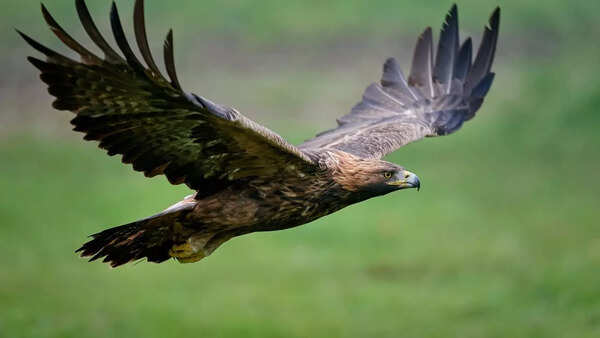
Birds Of Prey
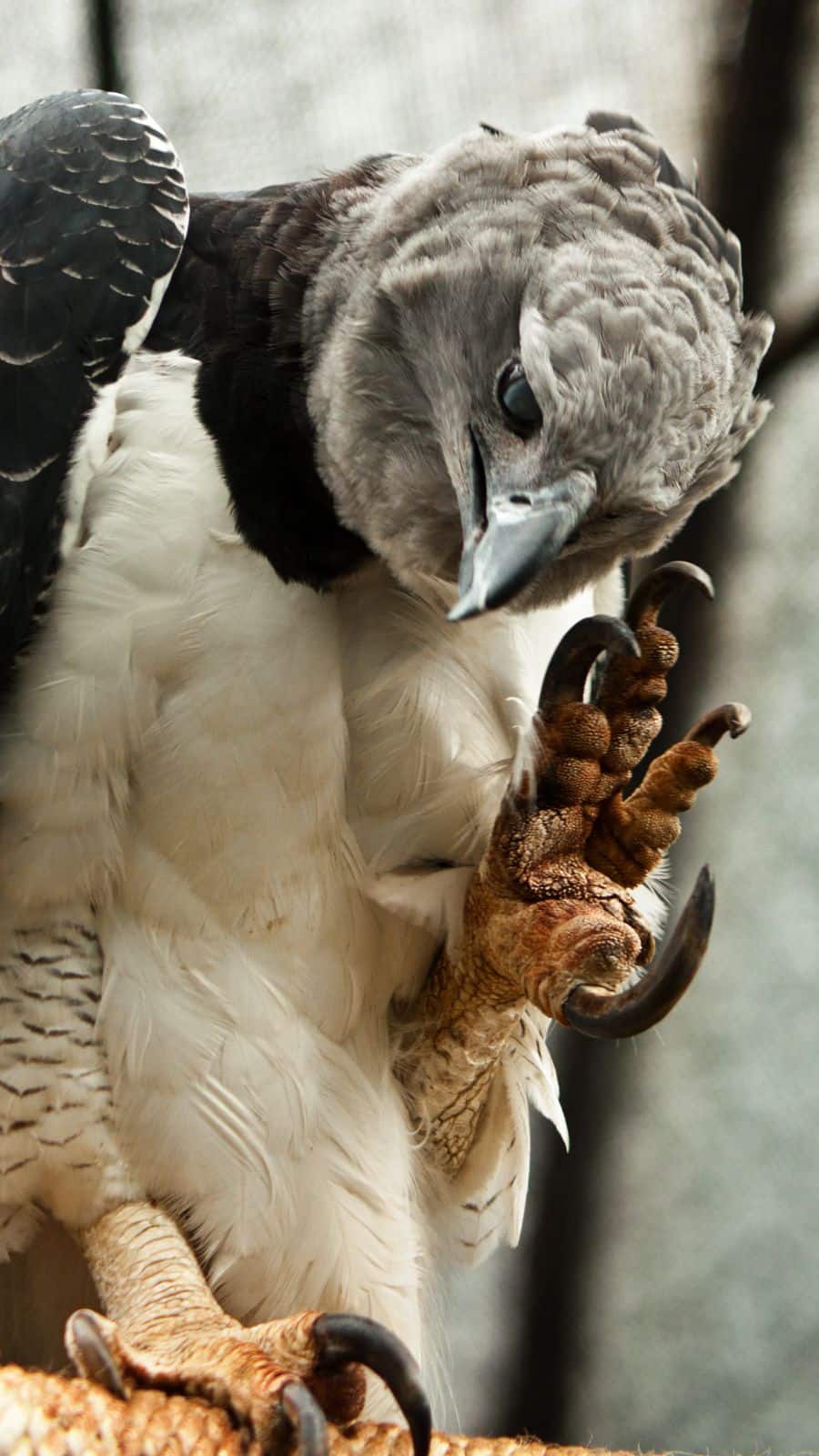
Birds of prey are strong hunters that catch birds from the air. They have sharp claws and beaks to grab and kill their prey. These birds use their excellent eyesight to spot prey from far away.
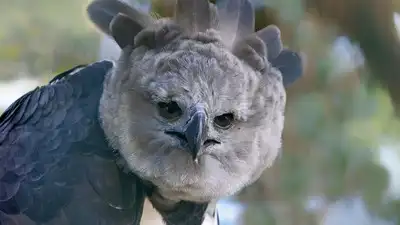
Some common birds of prey include hawks, eagles, and owls. They can swoop down fast to catch smaller birds or animals. They help control bird populations in the wild.
- Hawks hunt during the day.
- Owls hunt mostly at night.
- Eagles are large and powerful hunters.
Snakes And Lizards
Snakes and lizards are quiet predators of birds. They can climb trees or hide near nests. They often eat bird eggs and young birds.
Some snakes are very good at hunting in trees. Lizards catch small birds or eggs on the ground. Both use stealth to avoid being seen by birds.
- Tree snakes climb to find nests.
- Lizards hunt small birds on the ground.
- Both prefer eggs and chicks over adult birds.
Credit: timesofindia.indiatimes.com
Impact Of Predation On Bird Populations
Bird predators affect many bird species. They influence how birds survive and reproduce. Predation can change bird numbers and behavior over time.
Understanding these effects helps us protect birds better. It shows how predators and birds keep balance in nature.
Nesting Success Rates
Predators often attack bird nests. Eggs and young birds are easy targets. This lowers the chance that chicks survive to adulthood.
- Eggs can be eaten by snakes or raccoons.
- Young chicks may be taken by hawks or owls.
- Loss of nests causes fewer birds to grow up.
Behavioral Adaptations
Birds change how they act to avoid predators. They build nests in hidden places or use alarm calls. These behaviors help birds survive better.
| Adaptation | Description |
|---|---|
| Camouflage Nests | Nests blend with surroundings to hide from predators. |
| Alarm Calls | Birds warn others when predators are near. |
| Flocking | Birds stay in groups to confuse predators. |
| Active Nest Defense | Some birds attack or distract predators. |
Population Declines
High predation levels reduce bird numbers over time. Birds with many predators may face population drops. This can hurt bird diversity in an area.
- Predators lower survival rates of young birds.
- Fewer birds grow to reproduce.
- Populations shrink if losses are too high.
- Some species risk local extinction.
Protection Strategies
Birds face many predators in the wild. They need ways to stay safe and survive.
Protection strategies help keep bird populations strong. These include safe homes and reducing dangers.
Habitat Preservation
Birds need safe places to live and nest. Protecting their habitats is very important.
Preserving forests, wetlands, and grasslands helps birds avoid predators. It also gives them food and shelter.
- Stop cutting down trees where birds nest
- Keep wetlands clean and free from pollution
- Protect natural plants that provide food and cover
Predator Control Measures
Some predators threaten birds more than others. Controlling these predators can help bird survival.
People use safe ways to reduce predator numbers near bird homes. This helps young birds grow up safe.
- Use barriers to keep predators away from nests
- Remove invasive animals that hunt birds
- Monitor predator activity around important bird areas
Community Involvement
Communities can help protect birds by working together. Awareness and action make a big difference.
People can join efforts to watch birds and keep their habitats safe. Education also helps reduce threats.
- Organize local bird watching and clean-up events
- Teach children about birds and their needs
- Report illegal hunting or habitat destruction
Future Threats To Birds
Birds face many threats that can harm their survival. These threats come from changes in nature and new dangers.
Understanding future threats helps us protect birds better. This section explains three main threats to birds.
Climate Change Effects
Climate change changes bird habitats and food sources. Birds may lose places to live or find less food. Some species must move to cooler areas.
- Rising temperatures affect bird migration patterns.
- Changes in rainfall can reduce insect numbers.
- Extreme weather events destroy nests and eggs.
Invasive Species
Non-native animals can harm birds by eating their eggs or competing for food. Invasive plants may also change the habitat.
| Invasive Species | Impact on Birds |
| Rats | Eat eggs and young birds |
| Feral cats | Hunt adult birds |
| Non-native plants | Replace native plants birds need |
Emerging Predators
New predators appear due to environmental changes. Birds may not recognize or defend against these new threats. This can lower bird populations quickly.
Examples of emerging predators include:
- Increased numbers of raptors in urban areas
- Spread of snakes to new islands
- Introduction of predatory insects
Credit: timesofindia.indiatimes.com
Frequently Asked Questions
What Animals Are Common Bird Predators?
Common bird predators include hawks, owls, snakes, and cats. These animals hunt birds for food. Their hunting methods vary by species and habitat.
How Do Predators Affect Bird Populations?
Predators control bird populations by natural selection. They remove weak or sick birds, helping maintain healthy ecosystems and balanced populations.
Can Birds Defend Themselves From Predators?
Yes, birds use camouflage, speed, and alarm calls to evade predators. Some species also mob predators to protect their nests.
What Habitats Increase Bird Predator Risks?
Birds face higher predator risks in open fields and near water bodies. Dense forests may offer better protection from many predators.
Conclusion
Bird predators play a crucial role in nature's balance. They help control bird populations. Owls, hawks, and snakes are common threats. Each predator has unique hunting skills. Understanding these helps in bird conservation. Protecting birds requires knowing their threats. It involves creating safe habitats.
People can help by keeping areas clean and safe. Small changes make big differences for birds. Awareness and education are key. Everyone can contribute to protecting bird populations. By supporting conservation efforts, we ensure a brighter future. For both birds and the ecosystems they enrich.
Let’s work together to make a positive impact.