
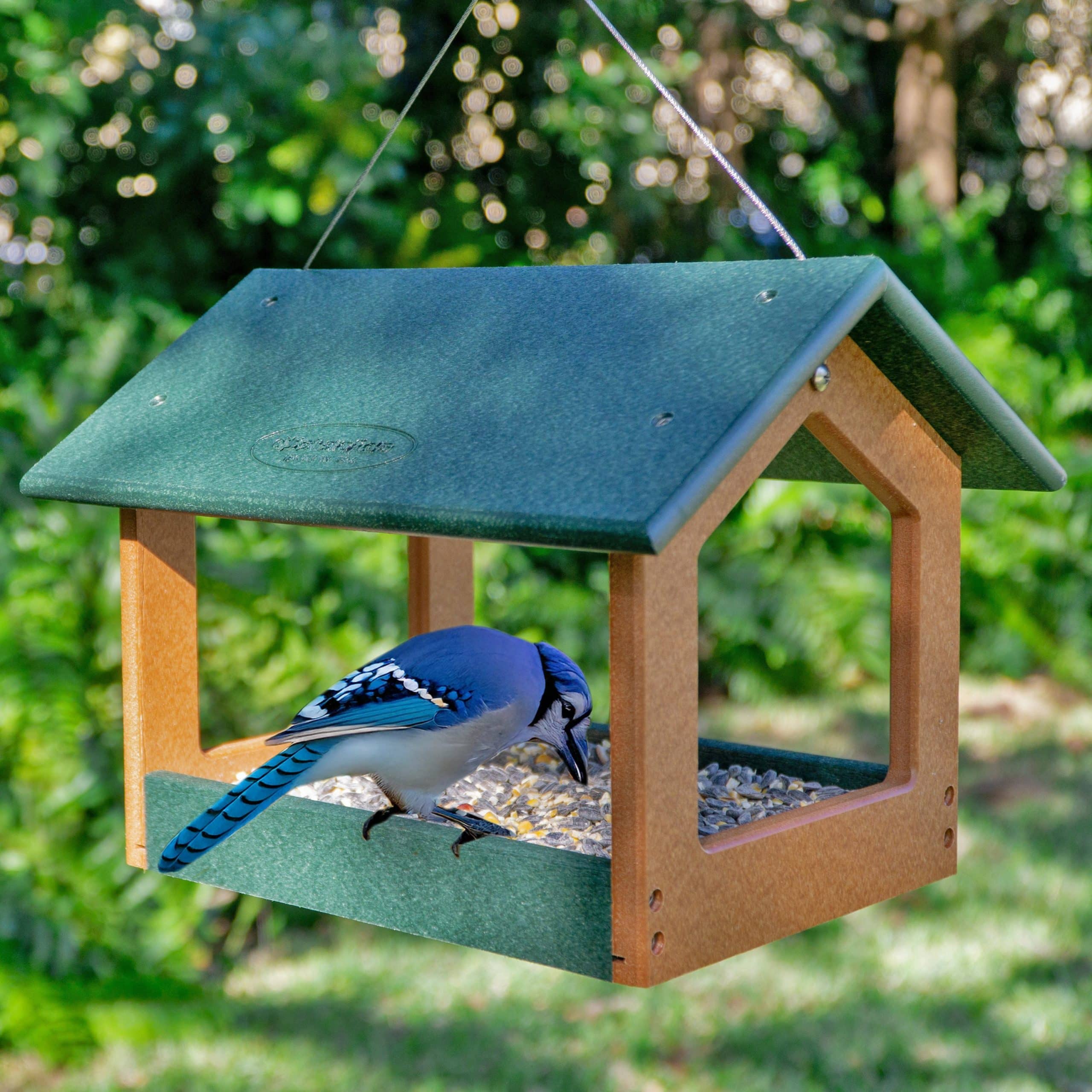
Are you looking for a simple way to attract more birds to your garden? Hopper bird feeders might be exactly what you need.
These feeders not only hold a good amount of birdseed but also protect it from the weather, making feeding time easier for you and safer for the birds. If you want to know how hopper bird feeders work and why they could be the perfect choice for your backyard, keep reading.
You’ll discover everything you need to make your outdoor space a favorite spot for your feathered friends.
Hopper Bird Feeder Basics
Hopper bird feeders are popular among bird watchers. They store birdseed in a container and release it slowly.
These feeders attract many types of birds. They provide a steady food supply for birds in your yard.
Design And Features
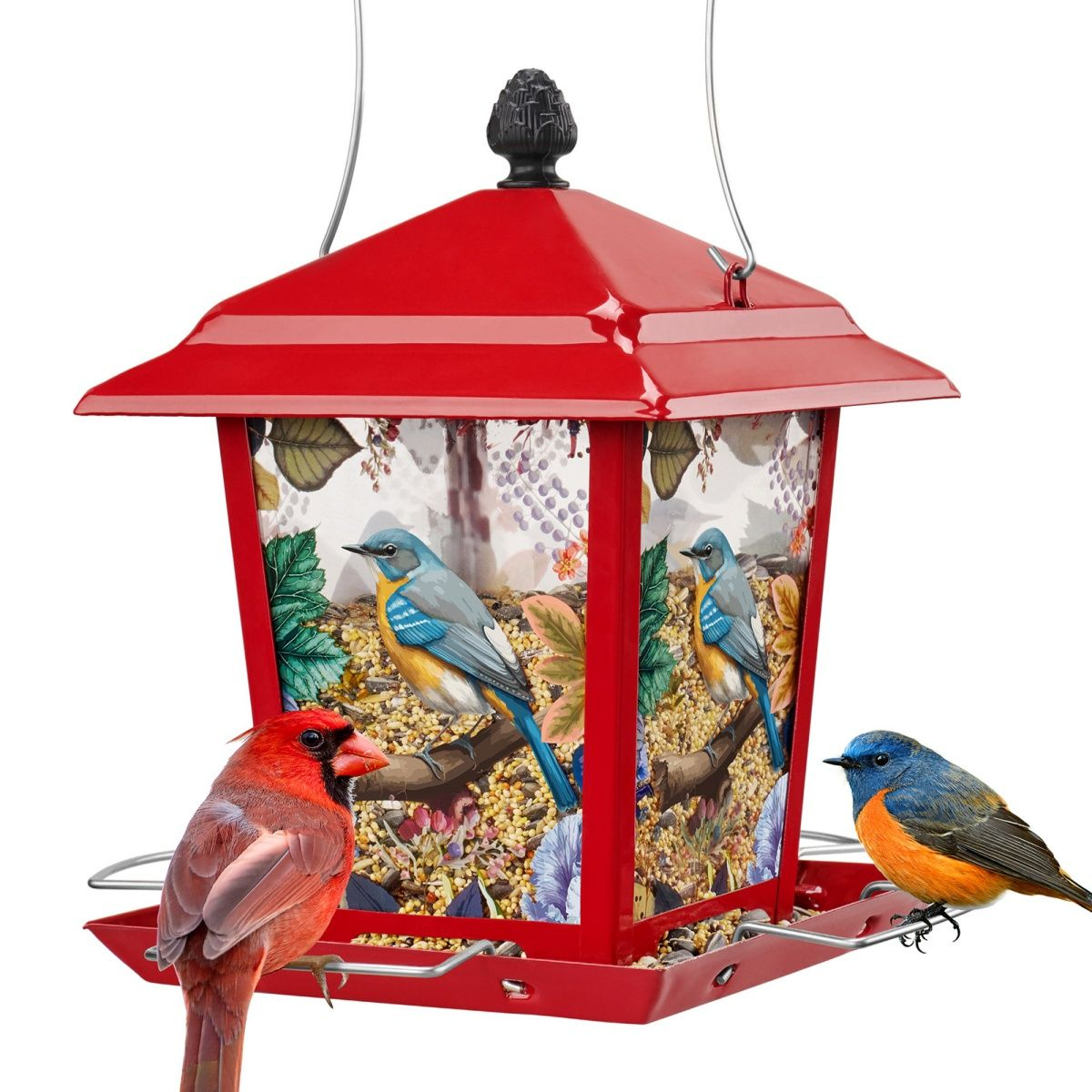
Hopper feeders look like small houses or boxes. They have a roof that protects the seed from rain.
Birds perch on the feeder to eat. The seed flows down from the hopper to the feeding area below.
- Roof shields seed from weather
- Clear walls show seed level
- Perches for birds to sit
- Large seed capacity
How They Work
Birdseed is stored in a hopper or container at the top. Gravity moves the seed down as birds eat.
The seed fills the feeding tray or platform below. The hopper refills the tray automatically to keep seed ready.
- Fill hopper with birdseed
- Seed flows down to feeding tray
- Birds eat from tray
- Hopper refills tray as seed lowers
Materials Used
Hopper feeders are made from different materials. Each material offers benefits for durability and appearance.
Common materials include wood, plastic, and metal. Wood looks natural but needs protection from weather.
- Wood: natural look, needs sealing
- Plastic: lightweight, weather-resistant
- Metal: strong, long-lasting
- Clear panels for seed visibility
Credit: www.kingsyard.com
Benefits Of Hopper Feeders
Hopper bird feeders are popular among bird watchers. They store birdseed in a covered container that releases food as birds eat.
These feeders offer many advantages for both birds and bird lovers. They help keep seed fresh and attract many bird types.
Weather Protection
Hopper feeders have a roof or cover that protects seeds from rain and snow. This keeps the food dry and fresh longer.
Dry seeds prevent mold and spoilage. This makes the feeder safer and healthier for birds to eat from.
Capacity And Convenience
Hopper feeders can hold a large amount of seed. This means fewer refills for you and more food for the birds.
The clear container lets you see how much seed is left. It is easy to refill and clean, saving time and effort.
Attracting Various Bird Species
Hopper feeders work well with many seed types like sunflower, millet, and mixed seed. This attracts a wide range of birds.
Different birds can feed at the same time. The design allows small and medium birds to perch comfortably.
- Finches
- Sparrows
- Cardinals
- Chickadees
- Jays
Types Of Hopper Feeders
Hopper bird feeders hold seeds in a container that feeds birds through gravity. They keep seeds dry and clean. These feeders attract many types of birds to your yard.
There are different types of hopper feeders based on material and design. Each type has unique features for different needs and preferences.
Wooden Models
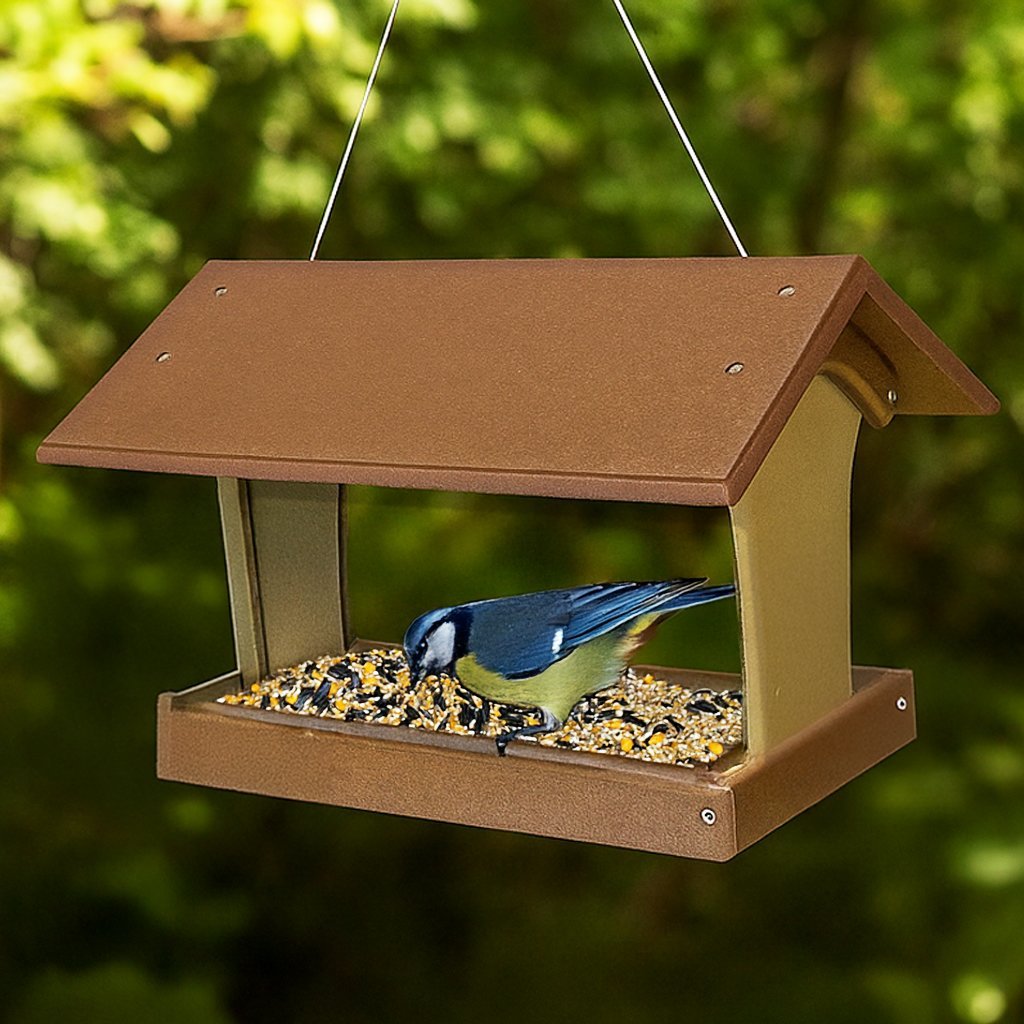
Wooden hopper feeders offer a natural look that fits well in gardens. They are often handmade and sturdy. Wood can last long if treated against weather.
- Made from cedar, pine, or redwood
- Usually have a sloped roof to keep rain off
- Easy to clean and refill
- Can blend well with outdoor plants
Plastic And Metal Options
Plastic and metal hopper feeders come in many shapes and colors. They are lightweight and often cheaper than wood. Metal feeders resist chewing by squirrels better than plastic.
| Material | Advantages | Disadvantages |
| Plastic | Lightweight, colorful, easy to clean | Can crack in cold weather |
| Metal | Durable, squirrel-proof, weather resistant | Can rust if not coated |
Specialized Designs
Some hopper feeders have special designs for certain birds or seed types. These may include extra perches or seed guards to reduce waste.
- Seed guards to keep seeds fresh and prevent spillage
- Multiple feeding ports for several birds at once
- Clear containers to easily see seed levels
- Decorative shapes to add style to your garden
Credit: www.dutchcrafters.com
Choosing The Right Hopper Feeder
Hopper bird feeders hold seeds in a container and release them slowly. They protect seeds from rain and keep birds fed longer. Picking the right hopper feeder helps attract more birds.
Consider several features before buying a hopper feeder. Size, durability, cleaning ease, and seed type all matter. These factors affect how well the feeder works and how long it lasts.
Size And Capacity
Choose a hopper feeder size based on how many birds visit your yard. Larger feeders hold more seed and need less refilling. Smaller feeders suit places with fewer birds or less space.
- Small feeders hold about 1 to 2 pounds of seed
- Medium feeders hold 3 to 5 pounds
- Large feeders can hold over 5 pounds
- Match size to your bird population and refill schedule
Durability And Weather Resistance
Look for feeders made from strong materials like metal or heavy plastic. These resist damage from wind, rain, and sun. A weather-resistant feeder keeps seeds dry and fresh.
| Material | Durability | Weather Resistance |
|---|---|---|
| Metal | High | Excellent |
| Heavy Plastic | Medium | Good |
| Wood | Low | Poor without treatment |
Ease Of Cleaning
Pick a hopper feeder that opens easily for cleaning. Clean feeders prevent mold and bacteria that can harm birds. Removable parts or wide openings help you clean fast and well.
- Feeders with removable lids or trays clean easily
- Wide openings allow thorough washing
- Regular cleaning keeps birds healthy
Seed Compatibility
Check which seeds the feeder fits best. Some hopper feeders work well with mixed seeds. Others fit sunflower seeds or shelled peanuts better. Choose one that suits your preferred seed type.
- Mixed seed blends
- Black oil sunflower seeds
- Striped sunflower seeds
- Shelled peanuts
- White millet
Placement Tips For Hopper Feeders
Hopper bird feeders hold seeds in a container that feeds birds as they eat. Placing them right helps birds find food easily.
Good placement keeps birds safe and makes feeding more successful. Use these tips to pick the best spot.
Ideal Locations
Choose a spot with some shade to keep seeds fresh longer. Near trees or bushes is best for bird shelter.
Place feeders where you can see them from a window. This lets you watch birds without disturbing them.
- Near natural cover like shrubs or small trees
- A shaded area to prevent seed spoilage
- Visible from your home for easy bird watching
Safety From Predators
Keep feeders away from places where cats or squirrels can hide and jump. Use poles with baffles to block predators.
Place feeders at least 10 feet from jumping points like fences or roofs. This stops predators from reaching the birds.
- Mount feeders on poles with predator guards
- Keep 10 feet away from jump-off points
- Avoid placing near thick brush that hides predators
Accessibility For Birds
Make sure birds can land easily on the feeder perches. Clear space around the feeder helps birds fly in and out smoothly.
Keep the area under the feeder clean to avoid seed buildup. This reduces disease risk for visiting birds.
- Leave open space around feeder for easy access
- Check that perches are stable and roomy
- Clean under feeder regularly to prevent mess
Maintenance And Care
Hopper bird feeders need regular upkeep to keep birds healthy. Proper care helps feeders last longer and stay safe for wildlife.
Understanding how to clean and adjust your feeder is key. This guide covers important tips for maintenance and care.
Regular Cleaning
Clean your hopper feeder every two weeks. Remove old seeds and wash all parts with warm, soapy water. Rinse well to remove soap residue. Dry completely before refilling to avoid mold growth.
Preventing Mold And Spoilage
Mold and spoiled seeds can harm birds. Keep seeds dry and replace wet or clumped seeds quickly. Use fresh seed and store it in a cool, dry place.
- Check the feeder for wet seeds daily after rain.
- Remove any moldy or spoiled seeds immediately.
- Keep feeder in a shaded area to reduce moisture.
- Use seed mixes that resist mold and spoilage.
Seasonal Adjustments
| Season | Care Tip |
| Spring | Increase cleaning frequency as birds become more active. |
| Summer | Place feeder in shade to protect seeds from heat. |
| Fall | Remove old seeds and prepare feeder for colder months. |
| Winter | Use high-energy seeds and check feeder for ice buildup. |
Common Problems And Solutions
Hopper bird feeders are popular for their large seed capacity and easy refilling. Despite their benefits, some common problems can affect their use.
This guide covers typical issues like squirrels, seed waste, and bird injuries. It also offers simple solutions to keep your feeder safe and efficient.
Dealing With Squirrels
Squirrels often cause damage by chewing and stealing seeds from hopper feeders. They can empty the feeder quickly and scare away birds.
- Use squirrel baffles above or below the feeder to block access.
- Place the feeder away from trees and surfaces squirrels can jump from.
- Choose feeders made from metal or strong plastic that squirrels cannot chew.
- Try adding spicy pepper to seeds; birds do not mind it, but squirrels avoid it.
Preventing Seed Waste
Seed waste happens when birds pull seeds out but do not eat them. This can make a mess and attract unwanted pests.
| Cause | Solution |
| Feeder design allows seeds to spill | Choose hopper feeders with seed guards or small openings |
| Birds pick out favorite seeds only | Use mixed seed blends that birds like less |
| Wet seeds clump and fall out | Keep feeder dry and clean regularly |
| Feeder placed in windy spot | Move feeder to a sheltered area |
Avoiding Bird Injuries
Bird injuries can occur if hopper feeders have sharp edges or poor design. Injuries reduce bird visits and can harm local wildlife.
- Check the feeder for rough or sharp edges before use.
- Choose feeders with smooth feeding ports and perches.
- Place the feeder where birds can land safely without hitting hard surfaces.
- Clean feeders often to prevent mold and bacteria that harm birds.
Popular Hopper Feeder Brands
Hopper bird feeders are a great way to attract many bird species. These feeders hold a good amount of seed and protect it from weather. Several brands make hopper feeders with different features.
Choosing the right brand can help you enjoy watching birds more. This guide covers popular brands for durability, budget, and special features.
Top Picks For Durability
Durable hopper feeders last longer and handle outdoor conditions well. They resist rust, cracks, and damage from animals. Brands using strong materials are best for durability.
- Droll Yankees – Known for metal parts and tough plastic.
- Perky-Pet – Uses UV-resistant plastics that don’t fade.
- Woodlink – Combines wood and metal for strong feeders.
Budget-friendly Options
Some brands offer hopper feeders at affordable prices. These feeders still work well but use simpler materials. Good budget feeders are easy to clean and refill.
- Audubon – Offers solid feeders at lower prices.
- Nature’s Hangout – Good quality with simple design.
- Heath Outdoor Products – Affordable and user-friendly.
Innovative Features
Some hopper feeders include smart designs to improve use. These may keep seeds dry, prevent squirrels, or allow easy filling. Innovation helps birds feed safely and owners save time.
- Brome – Features squirrel-resistant cages and easy refilling.
- Stokes Select – Uses weather guards to protect seed.
- Woodlink – Includes metal seed trays that reduce waste.

Credit: www.amazon.com
Frequently Asked Questions
What Is A Hopper Bird Feeder?
A hopper bird feeder is a seed container with a roof and a feeding tray. It holds seeds in a central reservoir and dispenses them into the tray as birds eat. This design protects seeds from weather and reduces waste, attracting many bird species.
How Do Hopper Bird Feeders Work?
Hopper feeders use gravity to dispense seeds. Seeds flow down from the central reservoir into the feeding tray below. As birds eat from the tray, more seeds automatically fill the space. This ensures a steady food supply without constant refilling.
What Are The Benefits Of Hopper Bird Feeders?
Hopper feeders protect seeds from rain and snow, keeping them dry. They reduce seed waste by controlling the flow into the tray. Their design attracts diverse bird species and makes feeding easier for birdwatchers.
Which Birds Prefer Hopper Bird Feeders?
Many birds prefer hopper feeders, including cardinals, finches, chickadees, and sparrows. The ample seed supply and protective design suit both small and medium-sized birds. This feeder type supports a wide variety of backyard birds.
Conclusion
Hopper bird feeders offer a practical way to attract birds. They are simple to use and maintain. The large capacity means less frequent refills. Birds enjoy the easy access to seeds. The feeders are durable, lasting through various weather conditions.
Their design suits many bird species, enhancing your backyard’s appeal. Choosing a hopper bird feeder is a smart choice for bird lovers. It helps support local wildlife. These feeders can bring hours of joy and observation. Perfect for both beginners and experienced bird watchers.
Embrace the beauty of nature with these feeders.



