The Secrets That Make Birds Unique
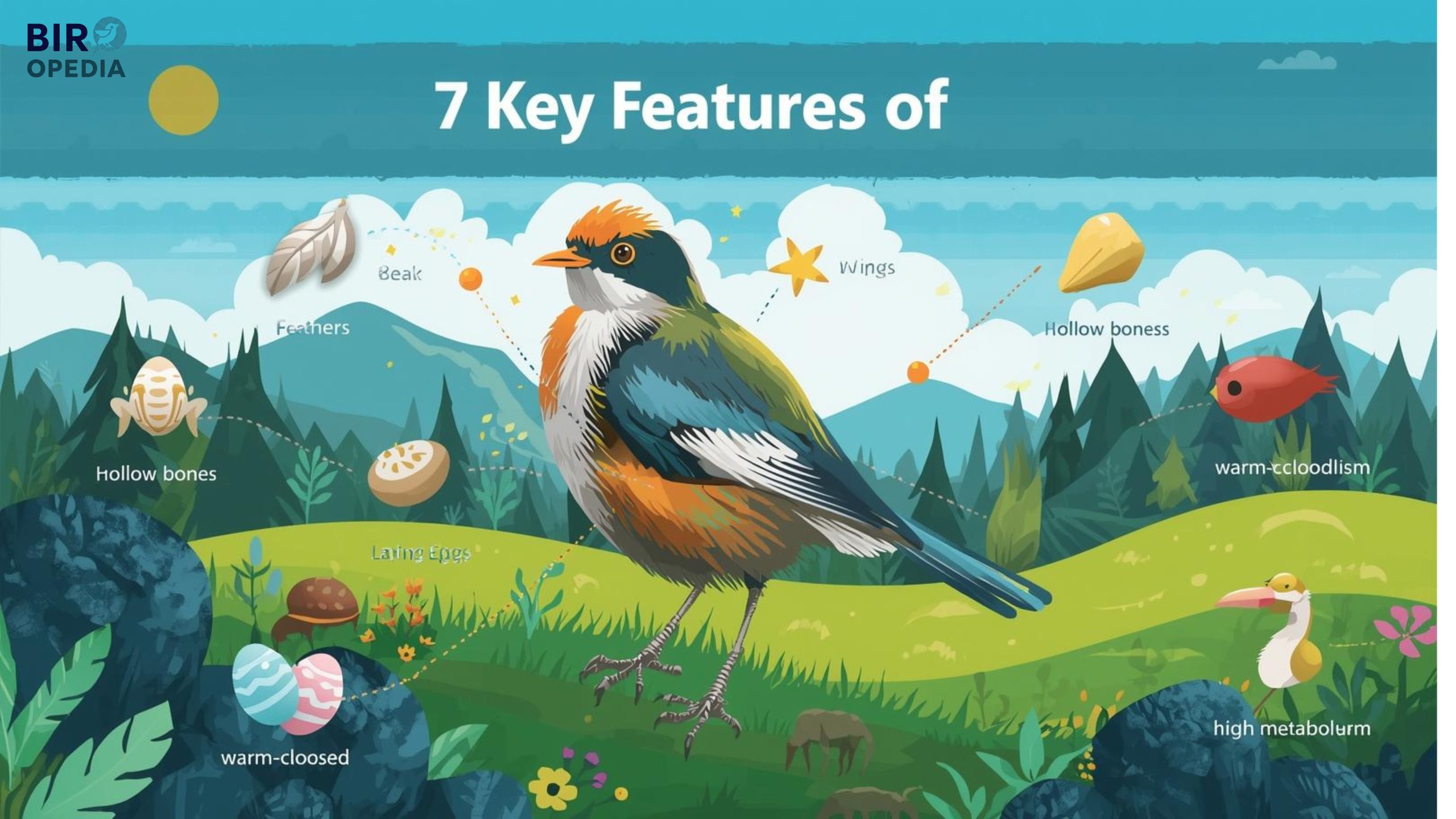
Have you ever looked at a bird? We all wonder what makes birds so unique. Birds are amazing creatures. They have features that separate them from all other animals. You may be a birdwatching enthusiast. Or you may just be curious about nature. Learning about birds deepens your appreciation. Discover What are the 7 Key Features of a Bird and explore seven essential traits that define every bird. Each feature is a biological wonder, helping us understand why birds captivate us. Get ready to learn these characteristics. We think you will see birds in a whole new light. Are you curious yet? Keep reading to uncover their secrets.
Feathers
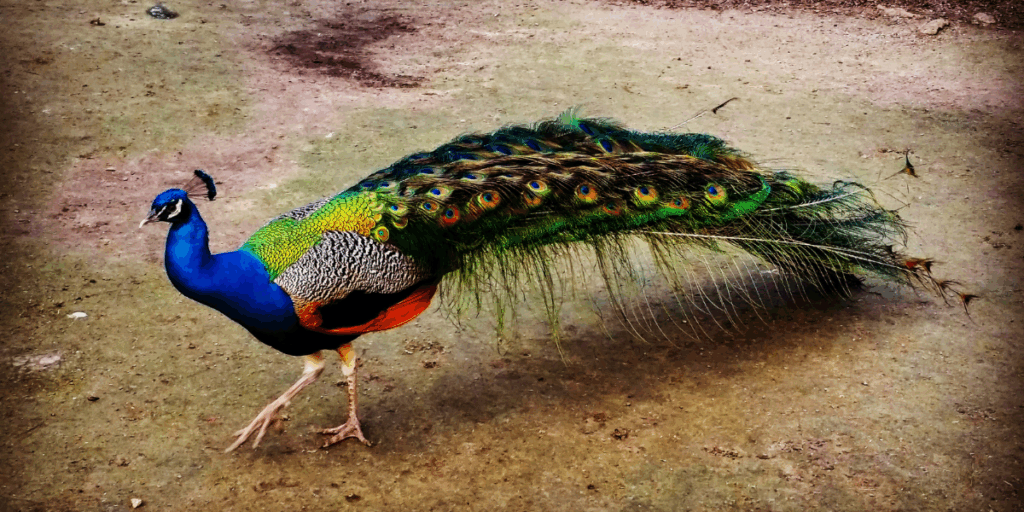
Feathers are a unique bird feature. They cover the bird's whole body. Feathers help birds with many important tasks. They keep birds warm. Feathers also help birds fly. They protect birds from rain and sun.
Types Of Feathers
Birds have different kinds of feathers. Each type has a special job and shape. We will cover the main ones.
-
Contour feathers: These cover the body. They give the bird its shape.
-
Flight feathers: Find these on wings and tail. They help birds fly.
-
Down feathers: These are soft and fluffy. They keep birds warm.
-
Semiplume feathers: They help with warmth. They smooth the bird's body shape.
-
Filoplume feathers: These are small, like hair. They sense feather position.
-
Bristle feathers: They are near the eyes and mouth. They help protect and sense things.
Functions Of Feathers
Feathers do many important jobs for birds. They help birds in many different ways. Feathers protect birds from cold and heat. They help birds fly. They also help birds find a mate.
-
Flight: Feathers provide lift. They also help control flight.
-
Insulation: Feathers trap air. This keeps birds warm.
-
Protection: Feathers shield the skin. They block water, sun, and injury.
-
Camouflage: Feather colors help birds blend in. This hides them from danger.
-
Communication: Bright feathers attract mates. They show the bird's mood.

Credit: www.amazon.in
Beak Structure
A bird's beak is a vital tool for survival. It helps birds eat and groom. Beaks also help them build their nests. Beaks come in many different sizes and shapes. These shapes match the bird's life and diet.
Variation In Beak Shapes
Beak shapes change based on the bird's needs. Some beaks are long and thin. Other beaks are short and very strong. Shape changes help birds catch food. They also help birds build nests. Look at the hummingbird. It has a long beak for sipping nectar.
-
Hooked beaks: These tear meat.
-
Flat beaks: These filter water.
-
Chisel-like beaks: These drill wood.
-
Short, thick beaks: These crack seeds.
Adaptations For Feeding
Beaks adapt to help birds eat specific foods. These changes make feeding easier. It makes feeding more successful. Some birds catch insects with their beaks. Others eat fish or different fruits.
-
Sharp beaks: These catch and kill prey.
-
Wide beaks: These scoop up fish or insects.
-
Strong beaks: These crack open nuts and seeds.
-
Thin beaks: These get nectar from flowers.
Flight Adaptations
Birds have special features that help flight. These features make flying easier. They also make flying highly successful. Flight changes happen in wings and bones. They also change the bird's muscles. These changes keep birds light and strong.
Wing Anatomy
Bird wings have a unique shape. This helps them lift up and glide. The bones inside are strong. However, they are also very light. Feathers catch the air. This pushing creates lift. Lift keeps the bird in the sky.
-
The wing has three main parts. They are the arm, hand, and feathers.
-
Primary feathers help with speed and thrust.
-
Secondary feathers help with balance and lift.
Lightweight Skeleton
Bird bones are hollow. They have spaces filled with air. This makes their skeleton very light for flying. Bones are still strong though. This strength is important. It helps birds stay in the air without being too heavy.
-
Hollow bones greatly reduce body weight.
-
Strong bone structure supports flight muscles.
-
Fused bones add stability for flight
The quote is from Jennifer Ackerman, author of The Genius of Birds:
- "A frigate bird with a seven-foot wingspan has a skeleton that weighs less than its feathers." 🦅

Credit: www.wildlifenomads.com
Respiratory System
Birds have a unique breathing system. It helps them breathe very well. This system supports high energy needs for flying. Their lungs work differently than ours. This allows birds better oxygen use. Air flows very well through them.
Air Sacs And Breathing Efficiency
Birds have special air sacs. These connect to their lungs. The sacs store air. They also move air through the lungs. Air sacs make breathing work very well. They keep air flowing. Air flows even when the bird breathes out.
-
Birds have nine air sacs.
-
Air sacs keep oxygen flowing one way.
-
This system increases oxygen intake.
Oxygen Exchange Mechanism
Bird lungs have tiny tubes. We call these tubes parabronchi. Air passes through these tubes in one direction. This one-way flow lets birds absorb more oxygen. They absorb more than mammals can with each breath.
-
Air moves continuously through the tubes.
-
Blood flows opposite to the air.
-
This maximizes oxygen transfer.
Reproductive Traits
Birds have special traits for reproduction. These traits help them survive. They help their population grow. They include laying eggs and building nests. We see how birds protect their young. They carefully care for their eggs. These are important for bird life.
Egg Laying
Birds lay eggs with hard shells. Shells protect the baby bird inside. The eggs have enough nutrients. These help the baby grow until it hatches. Birds lay eggs in small groups. We call this a clutch. The clutch size changes. It depends on the bird and its environment.
-
Eggs have strong shells made of calcium.
-
Eggs hold food for the baby bird.
-
Birds lay a set number of eggs per clutch.
-
Incubation keeps eggs warm until they hatch.
Nesting Behaviors
Birds build nests. Nests keep eggs safe and warm. Birds use twigs, leaves, feathers, or mud for nests. Different birds build different types of nests. Some build them high in trees. Others nest on the ground. Some build nests in holes.
-
Nests protect eggs from weather and predators.
-
Birds choose safe places for nesting.
-
Many birds add soft materials to the nest.
-
Some birds reuse their nests for many seasons.
Body Temperature
Birds keep their body temperature steady. This helps them stay active. It works even in cold or hot weather. They use special ways to control heat inside. This is vital for their survival.
Endothermy In Birds
Birds are endotherms. This means they make their own body heat. They keep their temperature high and steady. It is usually around (). This high temperature helps them fly. It also helps them stay active.
Thermoregulation Methods
Birds use many ways to balance body temperature. They can change what they do. They can also change how their body works.
-
Fluffing feathers traps warm air.
-
Shivering creates extra heat.
-
Spreading wings helps birds cool down.
-
Panting releases heat.
-
Changing location finds warmer or cooler spots.
Sensory Abilities
Birds have special senses. These senses help them survive. Their sensory skills are sharp and unique. These senses help birds find food. They help them avoid danger. They also help birds move around the world.
Vision Adaptations
Birds have great vision. They see far away and clearly. Their eyes have more color receptors than our eyes. Some birds see ultraviolet light. This helps them find prey and mates easily.
-
Large eyes give a wide field of view.
-
Sharp eyesight helps catch fast prey.
-
Color vision includes UV light in many species.
-
Eyes positioned for good depth perception.
Hearing And Navigation
Birds hear very well. They detect sounds from far away. Their ears catch soft noises. Many birds use sound to find their way. This happens during long migrations. They even sense Earth’s magnetic field.
-
Sharp hearing finds prey and predators.
-
Some birds hear sounds that humans miss.
-
Birds use sound for mating and talking.
-
They navigate using stars and the magnetic field.
Credit: www.cheggindia.com
Frequently Asked Questions
What Are The Main Physical Features Of A Bird?
Birds have feathers, wings, and beaks. They also have very lightweight bones. These features help them fly and find food.
How Do Feathers Benefit Birds?
Feathers help keep them warm. They allow flight. They also aid in hiding the bird. Feathers play a role in mating.
Why Do Birds Have Hollow Bones?
Hollow bones make birds lighter. This lightness allows for easier flight. This change reduces weight without losing strength.
What Role Do Wings Play In Bird Flight?
Wings generate the lift. They let the bird move and change direction. Wing shape and size change by species.
Conclusion
Birds have unique features. These help them live and grow well. Their feathers, wings, and beaks are very important. Strong bones and sharp eyes help them hunt and move. Warm blood keeps their bodies active. Learning these features helps us appreciate birds more. They show how nature designs creatures for their needs. Watching birds becomes more fun with this knowledge. Every bird has a special way to grow and thrive.