Imagine discovering that not all birds play by the rules. In the fascinating world of avian behavior, there exists a remarkable strategy used by some cunning birds.
They lay their eggs in the nests of others. But which bird is the mastermind behind this deceptive tactic? You’ll uncover the identity of this intriguing bird and learn why it chooses such a sneaky method of parenting. As you delve deeper, you’ll be captivated by the ingenious ways nature adapts and survives.
So, get ready to satisfy your curiosity and gain a new perspective on the surprising strategies found in the animal kingdom. Keep reading to discover the secrets of this feathered trickster and why it might just change the way you see birds forever.
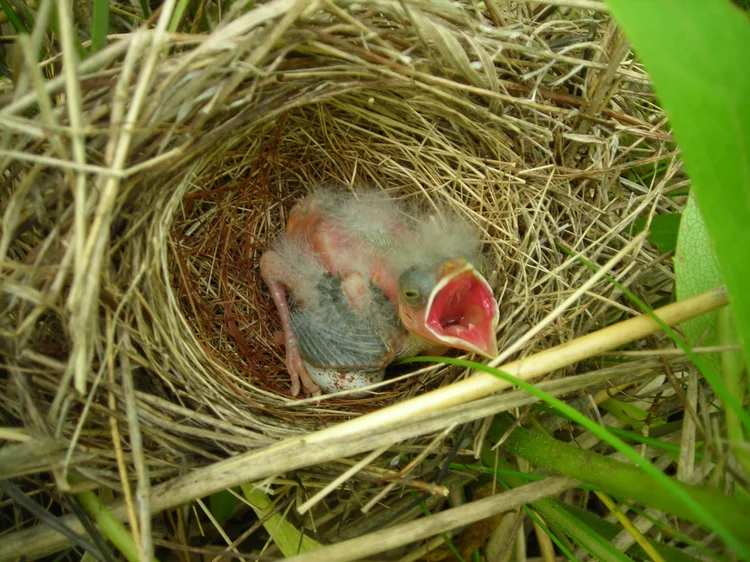
Credit: swibirds.org
Brood Parasitism Explained
Some birds lay their eggs in other birds’ nests instead of building their own. This behavior is called brood parasitism. It lets the parasitic bird save time and energy.
The host bird ends up raising chicks that are not its own. This can affect the survival of the host’s chicks.
How It Works
The parasitic bird sneaks into a host’s nest and lays its eggs there. It often does this when the host bird is away.
The host bird then incubates the eggs and feeds the hatched chicks. Sometimes the parasitic chick pushes out the host’s eggs or chicks.
- The parasitic bird finds a suitable host species.
- It lays eggs that look like the host’s eggs.
- The host bird incubates and raises the parasitic chick.
- The parasitic chick may outcompete the host’s chicks for food.
Evolutionary Benefits
Brood parasitism helps the parasitic bird save energy by not building nests or feeding chicks. It can produce more eggs in a breeding season.
This strategy increases the chances of passing on its genes. The parasitic bird relies on the host bird to raise its young.
- Saves time and energy on parenting.
- Allows laying more eggs in different nests.
- Increases survival chances of the parasitic chicks.
- Reduces risk of nest predation for the parasite.
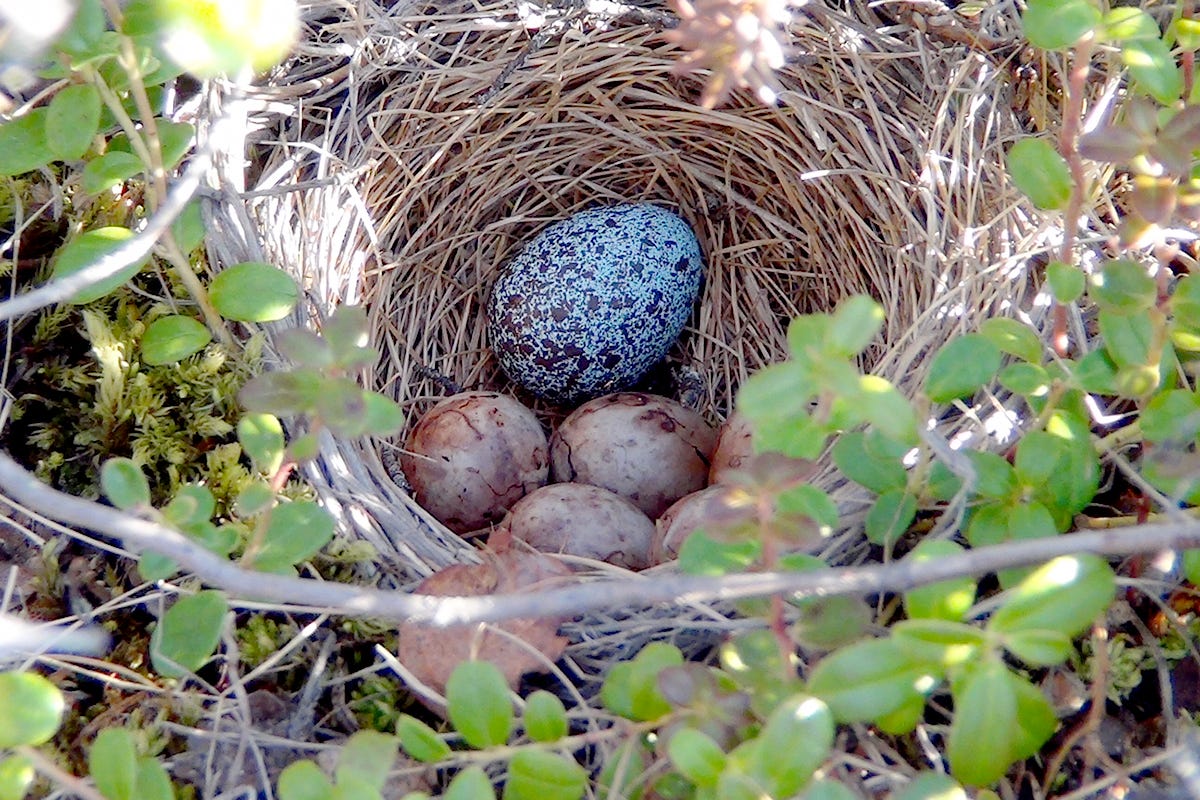
Credit: medium.com
Common Birds That Lay Eggs In Others’ Nests
Some birds do not build their own nests. Instead, they lay eggs in nests of other birds. This behavior is called brood parasitism. It helps them save time and energy raising young.
These birds rely on other species to care for their chicks. Let’s learn about three common birds that use this strategy.
Cuckoos
Cuckoos are famous for laying eggs in other birds’ nests. They often match their egg color to trick the host bird. The cuckoo chick hatches first and pushes out other eggs.
Cowbirds
Cowbirds lay eggs in nests of many small birds. They do not match egg colors well but still succeed. The host birds feed the cowbird chicks even if they are bigger.
- Brown-headed cowbird
- Shiny cowbird
- Bronzed cowbird
Honeyguides
Honeyguides are unusual parasites. Their chicks hatch early and kill host chicks. Honeyguides use beeswax and honey as food. They often target woodpeckers or barbets’ nests.
| Bird | Host Species | Chick Behavior |
| Cuckoo | Warblers, pipits | Pushes out eggs |
| Cowbird | Small songbirds | Competes for food |
| Honeyguide | Woodpeckers, barbets | Kills host chicks |
Host Birds And Their Responses
Some bird species lay eggs in nests of other birds. These birds are called brood parasites. The host birds face challenges when foreign eggs appear in their nests.
Host birds react in different ways to these foreign eggs. Their responses help protect their own chicks and resources.
Accepting Foreign Eggs
Some host birds accept the foreign eggs without noticing them. They may raise the parasite chicks along with their own. This can happen if the foreign eggs look very similar to theirs.
- Host birds may not recognize the foreign eggs.
- Parasite chicks often hatch earlier and grow faster.
- Host birds feed the parasite chicks as if they were their own.
- This can reduce the survival of the host’s real chicks.
Egg Rejection Strategies
Many host birds try to reject foreign eggs to protect their offspring. They use different methods to spot and remove these eggs.
| Strategy | Description |
| Egg Ejection | Host birds push foreign eggs out of the nest. |
| Egg Burial | Host birds bury the foreign egg under nesting material. |
| Nest Abandonment | Hosts leave the nest and build a new one elsewhere. |
| Egg Recognition | Hosts learn to recognize differences in egg color or size. |

Credit: swibirds.org
Impact On Host Species
Some birds lay their eggs in other birds’ nests. This is called brood parasitism. It affects the host birds in many ways.
The host species often raise the parasite’s chicks. This can cause problems for their own young and change their behavior.
Survival Challenges
Host birds may lose their eggs or chicks because of the parasite. The parasite chick often grows faster and takes more food.
Host chicks may starve or die as parents focus on the parasite chick. This lowers the host species’ chance to reproduce.
- Parasite chicks hatch earlier
- They get more food from host parents
- Host chicks get less care and food
- Host young may die from lack of resources
Behavioral Changes
Host birds may change how they act after their nests are used by parasites. They might abandon the nest or build new ones.
Some hosts learn to spot and remove parasite eggs. Others become more aggressive to protect their nests from parasites.
- Abandon nests with parasite eggs
- Build new nests faster
- Remove parasite eggs if recognized
- Show more aggression near nests
Scientific Studies And Discoveries
Some birds lay their eggs in other birds’ nests. This is called brood parasitism. Scientists have studied this behavior for many years.
Research helps us understand why and how certain birds do this. It also shows how host birds react to these eggs.
Field Observations
Scientists watch birds in nature to see which species lay eggs in other nests. They record how often this happens and where.
Observers note how host birds behave toward foreign eggs. Some birds remove or abandon parasitized nests.
- Common cuckoos lay eggs in nests of other small birds
- Brown-headed cowbirds target songbird nests
- Host birds sometimes recognize and reject strange eggs
- Parasitic chicks may hatch earlier and push out host eggs
Technological Advances
New tools help scientists study brood parasitism more closely. Cameras record nests without disturbing the birds.
Genetic tests identify which bird laid an egg. This helps track parasitic species and their hosts.
- Motion-activated cameras capture nest activity day and night
- DNA analysis confirms egg origins and chick parentage
- Data loggers measure temperature and conditions in nests
- Computer models predict parasitism patterns across regions
Why This Behavior Is Shocking
Some birds do not build their own nests. Instead, they lay eggs in nests built by other birds. This strange behavior surprises many people.
These birds trick others into raising their young. This can harm the host birds and their chicks. It is a unique survival strategy in nature.
Deceptive Tactics
Birds that lay eggs in other nests use sneaky ways to hide their eggs. They often match the color and size of the host bird’s eggs.
Some birds wait for the right moment to sneak into the nest. They quickly lay their eggs and leave before the host bird returns.
- Eggs mimic the host’s color and pattern
- Quick egg laying to avoid detection
- Sometimes push host eggs out of the nest
Nature’s Intricacies
This behavior shows how complex and clever nature can be. Birds use tricks to survive and pass on their genes.
It also reveals a struggle between species. Host birds try to spot fake eggs. Some even reject eggs that look different.
- Host birds develop ways to spot foreign eggs
- Some species reject or remove strange eggs
- Parasite birds evolve better mimicry over time
Frequently Asked Questions
Which Bird Species Lay Eggs In Other Birds’ Nests?
Cuckoos are the most famous birds that lay eggs in other birds’ nests. They rely on host birds to raise their chicks, a behavior known as brood parasitism.
Why Do Some Birds Lay Eggs In Other Nests?
Brood parasitism helps birds save energy by avoiding parental care. It increases their reproductive success without building nests or feeding chicks.
How Do Host Birds React To Cuckoo Eggs?
Some host birds recognize and reject cuckoo eggs. Others unknowingly raise cuckoo chicks, which often outcompete the host’s own offspring.
Are All Cuckoo Species Brood Parasites?
Most cuckoo species practice brood parasitism, but not all. Some cuckoos build their own nests and care for their young traditionally.
Conclusion
Some birds lay eggs in other birds’ nests to save effort. This behavior helps them avoid raising chicks themselves. It is a clever survival strategy in nature. Other birds then raise the young as their own. This shows how diverse and surprising bird habits can be.
Understanding these birds helps us appreciate wildlife more deeply. Keep watching birds, and you might spot this fascinating behavior. Nature’s ways are full of interesting tricks.