Have you ever noticed a sudden burst of bird calls in the quiet woods or your backyard? Those sharp, urgent sounds aren’t just random noise—they’re a warning.
Certain birds act like nature’s alarm systems, alerting other animals when predators are near. But which birds take on this important role, and how do they do it? Understanding these feathered sentinels can change the way you see the natural world around you.
Keep reading to discover the amazing birds that protect more than just themselves—and why their warnings matter to you.
Birds As Natural Alarms
Birds often act as natural alarms in the wild. They alert other animals when predators are nearby. This helps many creatures stay safe from danger.
Their calls and behaviors warn animals to hide or run. Some birds are especially good at spotting threats early. This makes them important in many ecosystems.
Role Of Birds In Ecosystems
Birds play a key role in keeping ecosystems balanced. They help spread seeds and control insect populations. Their warning calls protect many animals from predators.
When birds detect danger, they make loud alarm calls. These sounds alert nearby animals like squirrels, deer, and other birds. This early warning can save lives.
- Birds warn animals of predators
- They keep food chains balanced
- Birds help plants by spreading seeds
- Alarm calls help many species survive
How Birds Detect Predators
Birds use their sharp eyes to spot predators from far away. They watch for movement and strange shapes. Some birds can see very well in dim light.
When a bird sees danger, it quickly alerts others with a special call. These calls differ depending on the type of predator. Other animals learn to understand these signals.
- Birds have sharp vision to spot threats
- They listen for unusual sounds around them
- Different calls mean different dangers
- Birds warn others to hide or flee
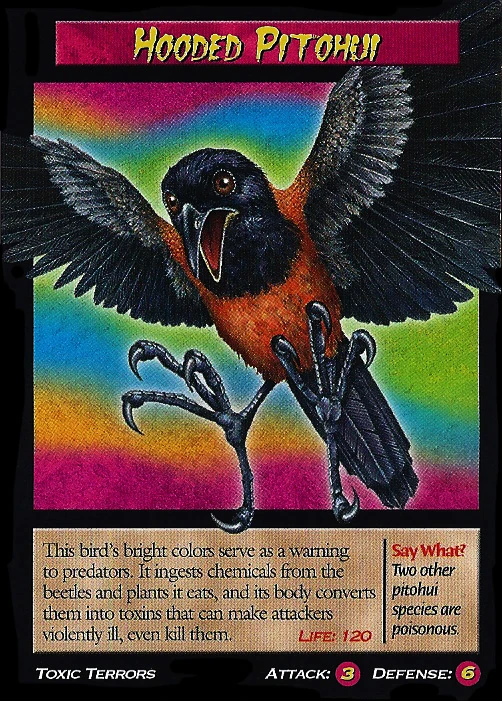
Credit: weirdnwildcreatures.fandom.com
Top Warning Birds
Many birds warn other animals about nearby predators. These warning calls help keep animals safe. Some birds have sharp, loud, or complex calls.
We will look at four birds known for their alert calls. Each bird uses its own unique way to warn others.
Meadowlarks’ Sharp Calls
Meadowlarks give sharp, clear calls to warn of danger. Their sounds cut through the noise of fields and grasslands.
These calls alert nearby animals quickly. The sharp notes help animals know a predator is close.
Scrub Jays’ Loud Alerts
Scrub Jays use loud and repeated calls to warn others. Their calls often sound urgent and can carry far.
These loud alerts help other birds and animals hide from predators. Scrub Jays watch carefully and call out fast.
Crows’ Complex Signals
Crows use complex calls that change with the type of threat. They can send detailed warnings to their group.
Their signals include different sounds and rhythms. This helps other animals understand the kind of predator nearby.
Chickadees’ Rapid Responses
Chickadees give quick calls that speed up when danger is near. Their fast notes alert others to be ready.
The faster the call, the bigger the threat. Chickadees use this to warn many animals at once.
Communication Techniques
Birds use many ways to warn other animals about predators. Their signals help keep the whole area safe. These communication methods include sounds and movements.
Understanding how birds communicate can show us how animals share important information. This helps animals survive in the wild.
Alarm Calls And Their Meanings
Many birds make alarm calls to alert others when a predator is near. These sounds vary in tone and length. Each call means something different, such as danger type or urgency.
- Short sharp calls warn of fast danger like hawks.
- Repeated loud calls signal a ground predator like a fox.
- Soft whistles may tell others to stay quiet and hidden.
- Some calls alert only specific species about threats.
Visual Signals Among Birds
Besides sounds, birds use visual signals to warn others. These include body movements, wing flicks, and tail displays. These signs can be fast and clear to nearby animals.
| Visual Signal | Meaning |
| Rapid wing fluttering | Alert for aerial predator |
| Tail fanning | Warning of ground threat |
| Head bobbing | Signal to stay alert |
| Feather puffing | Show readiness to defend |

Credit: www.amazon.com
Impact On Other Animals
Some birds warn other animals about nearby predators. These warnings help many animals stay safe. Animals listen carefully to bird calls to avoid danger.
Bird alerts affect animals in many ways. They can change how animals behave and where they go. This helps animals survive and avoid threats.
Mammals Responding To Bird Alerts
Mammals often watch and listen to birds for danger signals. When birds give alarm calls, mammals stop what they are doing. They hide or run to safer places quickly.
Some mammals, like monkeys and squirrels, rely on bird calls to know when predators are near. This helps them avoid being caught.
- Monkeys freeze or climb higher when birds sound alarms
- Squirrels stop feeding and look around carefully
- Deer move away from areas with many bird alarm calls
Reptiles And Amphibians Using Bird Warnings
Reptiles and amphibians also benefit from bird warnings. They may stay still or hide when birds give alarm calls. This helps them avoid predators like snakes or birds of prey.
Even though these animals do not hear well, they watch birds and other animals. Bird alerts give reptiles and amphibians extra time to stay safe.
- Lizards hide under leaves after bird alarm calls
- Frogs stop croaking and stay quiet when birds warn of danger
- Snakes stay still to avoid being seen after bird alerts
Scientific Studies And Findings
Birds often alert other animals about nearby predators. This behavior helps many species survive. Scientists have studied how birds warn others using sounds and actions.
Research shows that some bird species have special calls for danger. These calls can warn animals of different predator types. Studies include watching birds in nature and testing their responses.
Field Observations
Scientists observe birds in the wild to learn about their warning signals. They watch how birds react to predators like hawks or snakes. Some birds give loud alarm calls that other animals hear.
Field studies show that animals such as squirrels and other birds often respond to these warnings. They hide or become alert when they hear the calls. These observations prove birds help protect many species.
- Birds like chickadees use distinct alarm calls.
- Alarm calls differ based on predator type.
- Other animals recognize and respond to these calls.
- Bird groups often share warning signals with each other.
Experimental Research On Bird Warnings
Experiments test how birds and other animals react to recorded alarm calls. Scientists play sounds of different predator warnings to animals. They watch animal behavior changes after hearing the calls.
Results show animals freeze, flee, or stay alert after hearing bird warnings. Experiments prove birds’ calls can work as signals across species. This helps animals avoid predators together.
- Playback of alarm calls causes animals to hide.
- Different calls cause different reactions.
- Animals learn to recognize bird warnings over time.
- Cross-species communication helps survival in the wild.
Protecting Warning Birds
Some birds warn other animals about predators. These warning birds play a key role in nature. Protecting them helps keep ecosystems safe.
Many animals listen to these birds to avoid danger. Losing these birds can harm other wildlife too.
Threats To Alarm Species
Alarm species face many dangers that reduce their numbers. Habitat loss and pollution are big problems. People cutting down trees take away their homes.
- Deforestation destroys nesting places
- Pollution harms their health
- Hunting and trapping reduce their populations
- Climate change shifts food availability
Conservation Efforts
Many groups work to save warning birds. They protect habitats and teach people about these birds. Laws also help stop hunting and trade.
| Effort | Goal |
| Habitat Protection | Keep safe homes for birds |
| Public Education | Raise awareness about birds |
| Legal Protection | Stop hunting and trading |
| Research | Learn how to help birds better |

Credit: lafeber.com
Frequently Asked Questions
Which Bird Warns Animals About Nearby Predators?
The Florida scrub-jay is known for alerting other animals about predators. It uses loud calls to signal danger, helping nearby creatures stay safe.
How Do Birds Signal Predator Presence To Others?
Birds use specific alarm calls and loud vocalizations to warn others. These sounds indicate the type and urgency of the predator threat nearby.
Why Do Some Birds Alert Other Species About Predators?
Birds alert others to increase survival chances. Warning calls help create a safer environment by allowing animals to hide or flee from predators.
What Predators Do Birds Commonly Warn About?
Birds often warn about predators like hawks, snakes, and cats. These threats can harm both birds and other small animals in the area.
Conclusion
Birds play a crucial role in nature’s safety network. Their alert calls warn animals about lurking predators. This helps maintain a balanced ecosystem. Understanding these signals enhances our bond with nature. We see the intelligence and unity in wildlife. It’s fascinating how birds communicate to keep others safe.
This knowledge enriches our appreciation for these remarkable creatures. Next time you hear a bird call, think of its purpose. It’s not just noise; it’s a life-saving message. This awareness fosters respect for the natural world. Observing these interactions can deepen our connection to nature’s wonders.